
Franois Englert, Nobel-winning Higgs physicist, dies at 93

Story Timeline
4 months · 15 summary articles
François Englert, the Belgian Nobel laureate and co-discoverer of the Higgs boson, died on 18 June 2026 at the age of 93, his family announced the following day.
Born in Brussels in 1932, Englert shared the 2013 Nobel Prize in Physics with Peter Higgs for their theoretical work that predicted the existence of the Higgs field, the mechanism by which fundamental particles acquire mass. The discovery was confirmed experimentally at CERN’s Large Hadron Collider in 2012, a milestone that reshaped modern particle physics. Colleagues recalled a scientist whose intellectual boldness was matched by personal warmth; Marc Henneaux, a physicist at the Université libre de Bruxelles, told *La Libre Belgique* that Englert “was a great physicist, but he also taught me to appreciate opera.”
In Frankfurt, Jürgen Habermas, the philosopher whose critique of modernity shaped post-war German democracy, was commemorated on 19 June 2026 in the Paulskirche, where Federal President Frank-Walter Steinmeier lauded his “unbroken energy in resisting the mechanisms of power.” The ceremony, held days after Habermas’s death on 14 March 2026, underscored his legacy as a guardian of deliberative democracy. Yet critics noted “gaps” in his thought, particularly regarding the European project’s democratic deficit.
Wulf Herzogenrath, the German curator who transformed museums into spaces for videokunst and mass audiences, died on 19 June 2026 at 82. As director of the Bremen Kunsthalle and later chief curator of Berlin’s Hamburger Bahnhof, Herzogenrath championed experimental media, bridging the divide between avant-garde art and public engagement. The *Frankfurter Allgemeine* described him as a “visionary museum man” whose exhibitions redefined contemporary curation.
These losses follow the death of Trond Johansen, the Norwegian resistance legend and intelligence pioneer, who died on 19 June 2026 at 102. Known as “the father of Norwegian signals intelligence,” Johansen’s work during and after World War II earned him national honours, with Norway’s *Aftenposten* hailing him as “a man of honour.”
Amid the tributes, France’s National Library announced the rediscovery of a lost Mozart manuscript, composed in 1778 when the composer was 22. The work, to be performed publicly for the first time on 21 June 2026 at the Bibliothèque nationale de France, offers a rare glimpse into the young Mozart’s creative process.
Follow us for live European news
- 5
- 3
- 2
- 1
- 1
- 1
- 1
- 1
1 further source not geolocated
Articles

François Englert, lauréat du prix Nobel de physique, est décédé à 93 ans Le physicien est décédé le 18 juin a fait savoir sa famille. ...
la libre · 3 months ago

Marc Henneaux (ULB) : François Englert était un grand physicien, mais il ma aussi appris à apprécier lopéra Marc Henneaux, physicien de lULB, évoque son collègue et ami, décédé le 18 juin 2026 à 93 ans. ...
la libre · 3 months ago

François Englert, rebelle et Nobel Mort à 93 ans, dun immense scientifique et dun homme qui nous aura fait tant rêver. Évocation. ...
la libre · 3 months ago
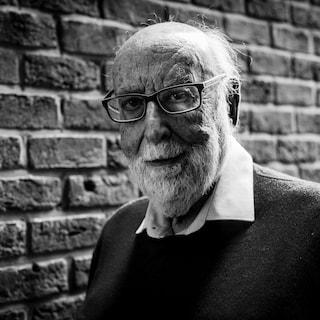
Belgische Nobelprijs-winnaar en medeontdekker higgsdeeltje François Englert overleden op 93-jarige leeftijd
de morgen · 3 months ago
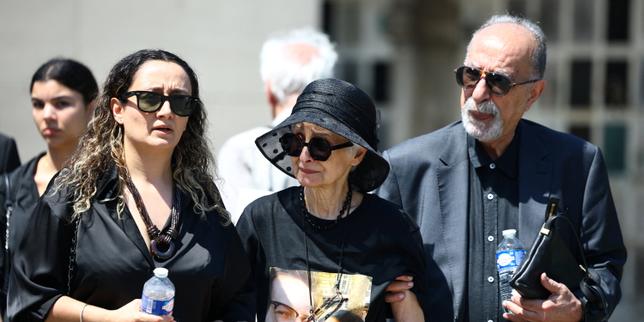
Mort de Marjane Satrapi : plusieurs centaines danonymes et de personnalités rendent un hommage poignant à lartiste franco-iranienne Proches et admirateurs de lautrice de « Persepolis », disparue le 4 juin à lâge de 56 ans, se sont réunis vendredi au crématorium du Père-Lachaise, à Paris, pour saluer sa mémoire.
le monde · 3 months ago

Unsere Demokratie und unser Habermas In Frankfurt wurde der Philosoph Jürgen Habermas in einer Gedenkstunde gewürdigt. Unstrittig sind seine Verdienste für die geistige Verfassung dieses Landes nach 1945. Es gab aber auch Leerstellen.
welt.de · 3 months ago

Gedenkstunde für Jürgen Habermas: Gegen die Mechanismen der Macht Bundespräsident Steinmeier würdigte den Philosophen Jürgen Habermas in der Frankfurter Paulskirche. Zum Glück hatte die Gedenkstunde wenig Weihevolles. mehr...
taz.de · 3 months ago
Motstandsmannen Trond Johansen (102) er død: – En hedersmann Motstandsmannen Trond Johansen har gått bort. Han er en regnet som en legende innenfor norsk etterretningsarbeid.
aftenposten · 3 months ago
Wulf Herzogenrath: Früherer Leiter der Bremer Kunsthalle gestorben
die zeit · 3 months ago
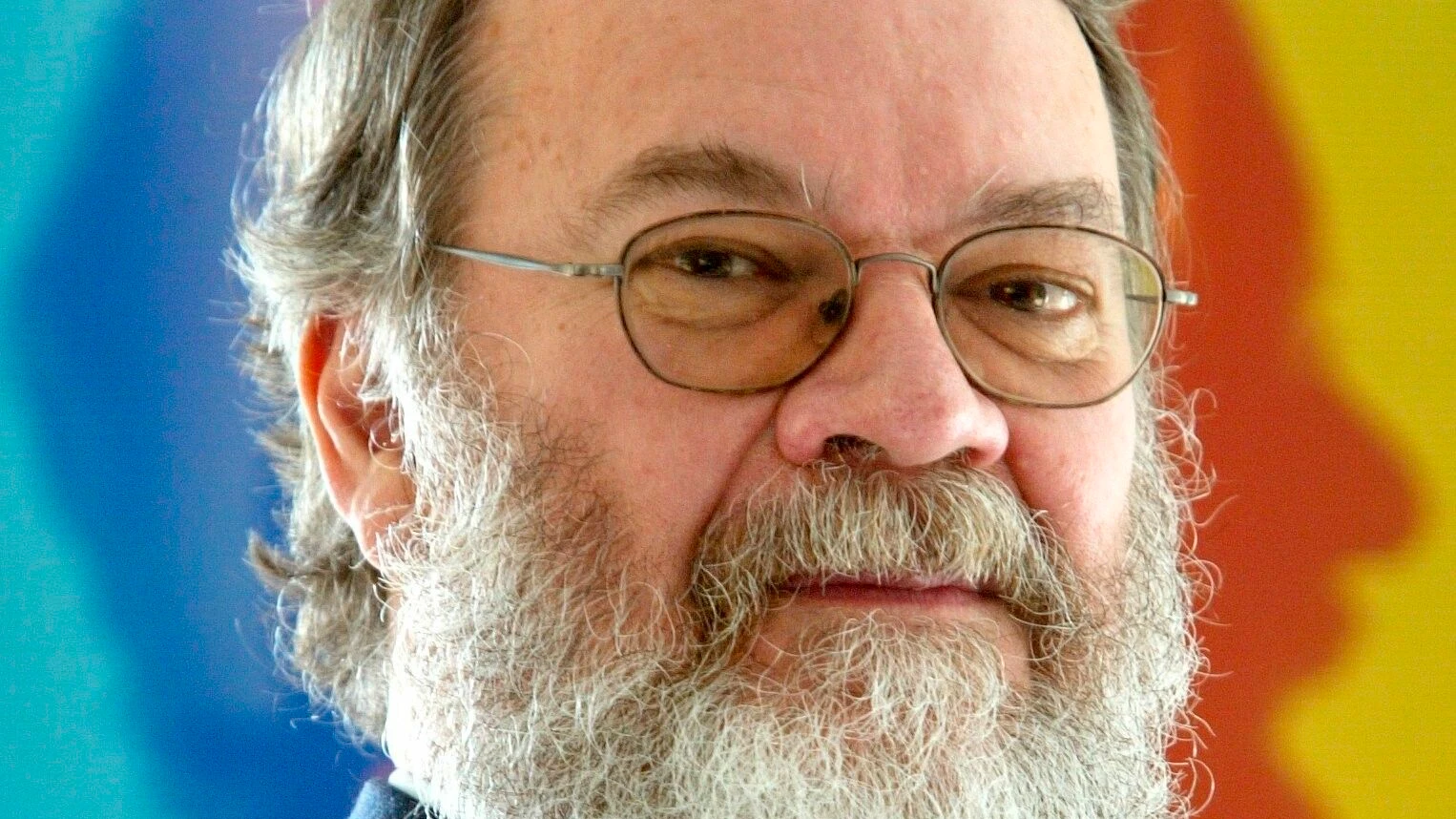
Wulf Herzogenrath gestorben: Er öffnete die deutschen Museen für Videokunst und Massenpublikum Meister der fundierten Visionen: Wulf Herzogenrath hat als Ausstellungsmacher und Museumsdirektor die deutsche Kunstszene jahrzehntelang geprägt. Jetzt ist er mit 82 Jahren gestorben.
faz · 3 months ago
Major discovery: Frances National Library brings forgotten Mozart manuscript back to life A long-forgotten manuscript by composer Wolfgang Amadeus Mozart will be brought to life this weekend in Paris. The newly rediscovered work – composed in 1778 when the Austrian prodigy was just 22 – will be performed in public for the first time ever at Frances National Library.
france24 · 3 months ago
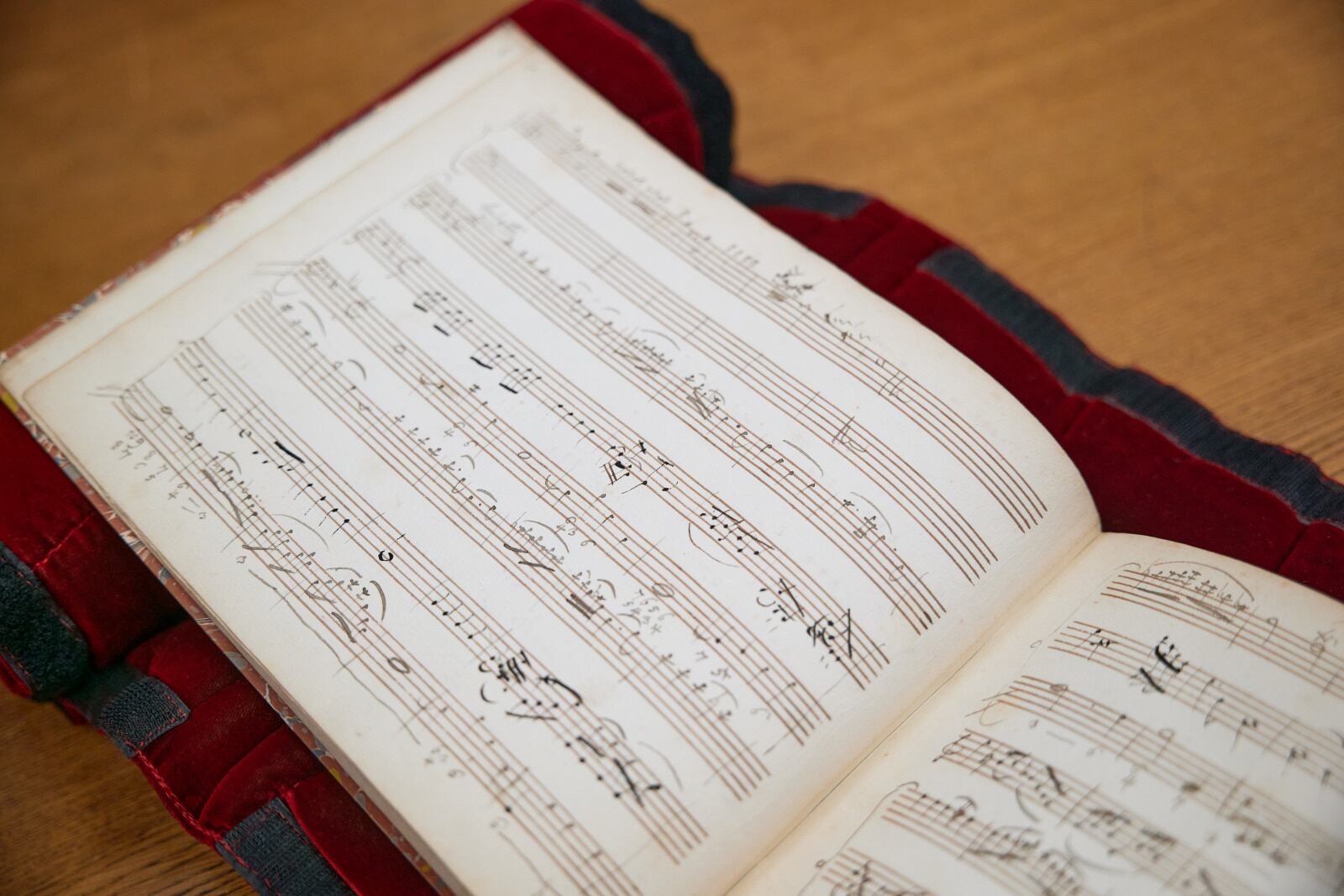
National Library of France discovers unpublished Mozart manuscript The score, seven short pieces for flute and harp, will be performed for the first time at Pariss Fête de la Musique on June 21
elpais · 3 months ago
Stuntkabouter betrokken bij dodelijk ongeluk in Frankrijk Martijn van Eijzeren, beter bekend onder zijn artiestennaam Stuntkabouter, is recent betrokken geraakt bij een dodelijk auto-ongeluk in Frankrijk. Bij het ongeluk kwam regisseur Ilya Vierhout om het leven. Momenteel wordt onderzoek gedaan naar de oorzaak en mag Van Eijzeren Frankrijk niet verlaten, laat zijn advocaat Alexandre Boissiere weten. De acteur, die ook onderdeel was van de songfestivalact van Joost Klein, zit niet vast.
rtl nieuws · 3 months ago
Videopionier und Kunstvermittler: Wulf Herzogenrath ist im Alter von 82 Jahren gestorben Der Videopionier, Kurator und Kunstvermittler Wulf Herzogenrath ist tot. Er war Hauptkustos des Hamburger Bahnhofs, Direktor der Bremer Kunsthalle und leitete die Abteilung Bildende Kunst der Akademie der Künste.
tagesspiegel · 3 months ago
Lhistorien Carlo Ginzburg : maître de l«estrangement», par Hervé Mazurel Pour lhistorien français, luniversitaire italien, mort à 87 ans le 17 juin, était un maître de cette méthode visant à se défaire des «fausses évidences», à débanaliser le réel et à rendre de nouveau étrange jusquau plus familier. Sans pour autant abolir la frontière entre les faits historiques et la fiction.
liberation · 3 months ago
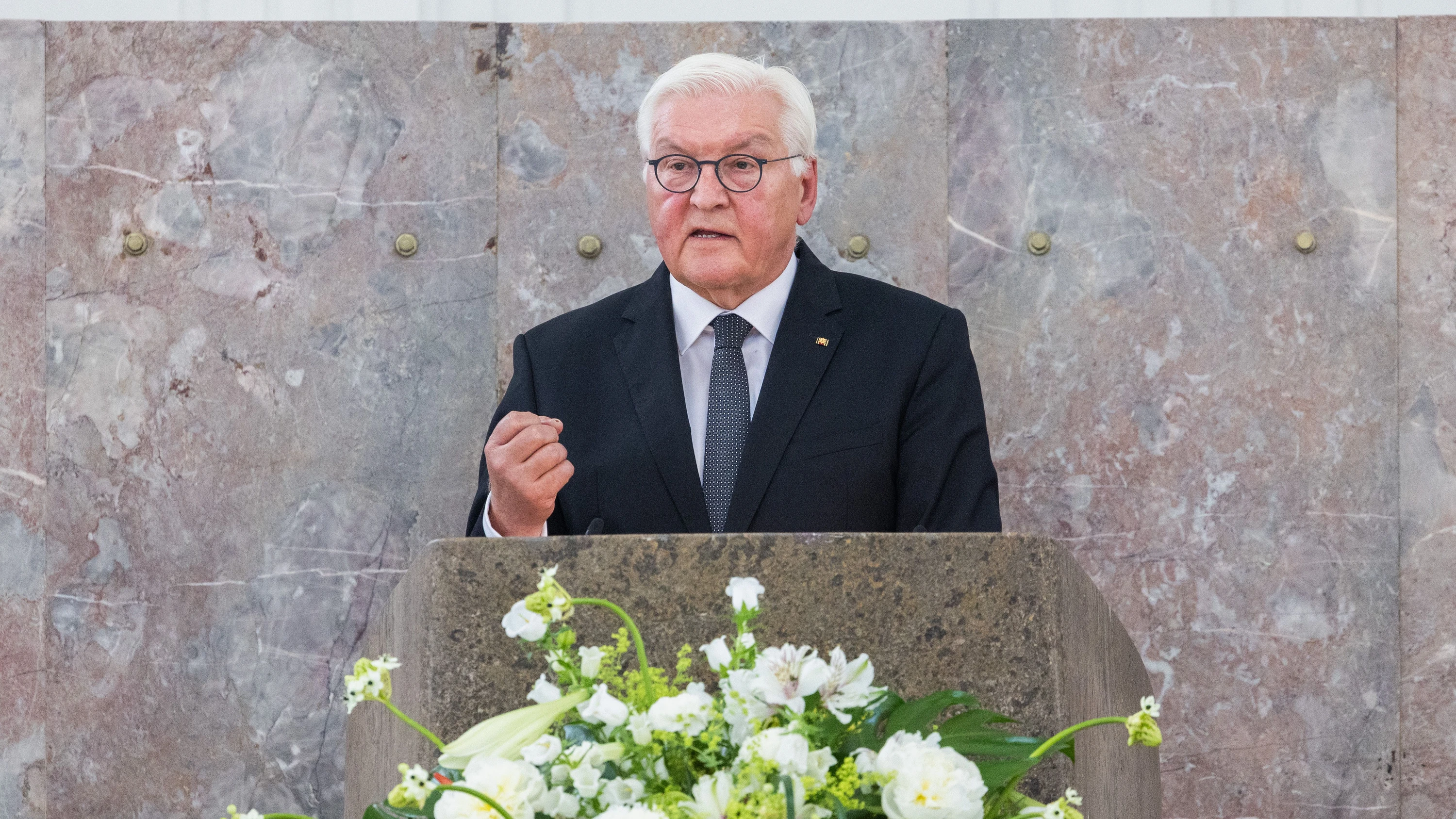
Habermas-Gedenken: Die Welt um ein Winziges besser machen Ungebrochene Energie des Dagegenhaltens: In der Frankfurter Paulskirche würdigte der Bundespräsident den am 14. März verstorbenen Philosophen Jürgen Habermas.
faz · 3 months ago
Wiener Spitzenchemiker Peter Schuster verstorben Der vielseitige Wissenschafter war einer der wichtigsten theoretischen Chemiker auf dem Gebiet der molekularen Evolution und zwischen 2006 und 2009 Präsident der ÖAW
der standard · 3 months ago
Prince of Courland Ernst Johann Biron dies aged 85 Ernst Johann Biron, Prince of Courland (1940–2026), descendant of Duke Peter von Biron of Courland, passed away on the night of June 19 at the age of 85, according to representatives of Rundāle Palace.
lsm latvia · 3 months ago
Il Cinema Ritrovato di Bologna compie 40 anni: Wenders, Rossellini e Desplechin a festeggiare. Chaplin, Welles, Murnau in Piazza Maggiore per battere nuovi record Al Cinema Ritrovato di Bologna bisogna fare gli auguri. Tra poche ore, il 20 giugno 2026, compie 40 anni. Nanni Moretti, quando ancora masticava cinema, nei primi anni novanta giocava con questa soglia anagrafica bullandosi con una vena di esasperata disperazione di aver gridato cose giuste ed essere uno splendido 40enne. E al Cinema Ritrovato […] Larticolo Il Cinema Ritrovato di Bologna compie 40 anni: Wenders, Rossellini e Desplechin a festeggiare. Chaplin, Welles, Murnau in Piazza Maggiore per battere nuovi record proviene da Il Fatto Quotidiano.
il fatto quotidiano · 3 months ago