Loading…
 Saturday, September 26Saturday, September 26
4 months · 9 summary articles
The final curtain fell on a historic chapter for Belgian pop culture on Sunday night as the K3 Originals—Karen Damen (51), Kristel Verbeke (50), and Kathleen Aerts (47)—concluded their emotional farewell tour in Antwerp, bringing an end to 48 electrifying shows that sold more than 800,000 tickets across Belgium and the Netherlands. The trio, who first took the stage together in 1998, performed their last concert at the Sportpaleis, where tears flowed freely as they sang their signature hits. “It feels like we’re closing a book we’ve been writing together for nearly three decades,” Damen told the crowd, her voice trembling. The emotional finale capped a run that expanded from an initial 22 shows to 48 after overwhelming demand, cementing K3’s status as one of Flanders’ most beloved acts .
Meanwhile, Prague is bracing for a different kind of cultural explosion on July 18, when Holy Priest—one of the hardest names in contemporary techno—brings his exclusive *TheHoly Shit Show* to the open-air Areál 7 in Holešovice. The event, billed as the Czech Republic’s only 2026 performance by the Belgian DJ, promises a sensory overload of blistering beats, hypnotic visuals, and a raw underground energy curated by the newly formed promoter Outcasts. “This isn’t just a show; it’s a manifesto,” Holy Priest said ahead of the performance. Tickets are already selling fast for what organizers describe as a “limited-edition rave experience” designed to push the boundaries of hard techno .
In Romania, the International Theatre Festival of Sibiu (FITS) has been forced into a last-minute reshuffle after actor injuries sidelined Silviu Purcărete’s highly anticipated production, *The Incomparable Tale of Abul Hossein the Yemenite and His Flight into the Wilderness*. The void will be filled by Mihai Măniuțiu’s *Electra*, a decision announced just days before the festival’s June 19 opening. “Theatre is live, and live means adapting,” festival director Irina Popescu told local media. The change underscores the unpredictable nature of live performance, even at Europe’s most prestigious theatre gatherings .
Across the continent, satire is emerging as a potent tool for dissent in Syria, where social media platforms like Instagram are becoming unlikely public squares. A recent Foreign Policy investigation highlights how satirical accounts are challenging the Assad regime’s narrative by weaponizing humor and public shaming, creating a digital space where Syrians can critique power structures without fear of direct confrontation. “In a country where free speech is policed, laughter is the last frontier,” the report notes .
From Prague to Sibiu, these cultural moments—whether celebratory, controversial, or adaptive—reflect a continent where art, music, and performance continue to shape public discourse in unexpected ways.
Follow us for live European news
1 further source not geolocated

Sail Away Land — weird tales of work, loss and loneliness The strangeness of Ben Pesters writing is not just decorative — it exposes how bizarre ordinary life already is
financial times · 4 months ago
Images: Demolition of old ERR buildings to make room for new quarter in Kadriorg A completely new residential and commercial quarter, traversed by a new pedestrian and bicycle street, is planned for the site of Estonian Public Broadcastings (ERR) current deteriorated buildings on Faehlmanni and Gonsiori streets in Tallinn.
news.err · 4 months ago

I have found the perfect book group – we discuss problematic text messages | Zoe Williams My friends and I were keen to meet regularly, but couldnt agree on what to read. Then we found an excellent solutionThere comes a point in every friendship ecosystem when someone suggests starting a book group. Its a beautiful moment, the platonic modern equivalent of the 1950s shall we go steady? It means you want to see one another at least every six weeks, preferably on a fixed day in the calendar, so that when someone tries to pinch that day for another, less interesting thing, you can in perpetuity reply: I cant, I have book group. Since nobody ever disbands a book group, it is adult‑speak for friends for ever, which, if you stare at it hard enough, is almost tearjerking.So, anyway, this poignant moment arrived with my newish friends R and S, then immediately hit the road hump that none of us wanted to read a book. Nothing against books, guys, its just I am generally reading something weird that I wouldnt want to impose on you. S suggested a poem group; R nixed that. I said maybe we could read Poems on the Underground while we were on the underground on our way to the poem group. That was nixed, too. Continue reading...
theguardian · 4 months ago

Loneliness influencers: why are people suddenly boasting about having no friends? Chronicling your humdrum, solitary life has become an online trend. Its certainly perplexing. Is it also empowering?Name: Loneliness influencers.Age: A few months old. Continue reading...
theguardian · 4 months ago
Pamela Hicks, Lady-in-Waiting to Elizabeth II of Britain, Dies at 97 The queens third cousin, she was a bridesmaid at the royal wedding in 1947, and witnessed firsthand pivotal moments in British history.
new york times · 4 months ago
B.F.I. Preserves Charlie Bit My Finger and 430 Videos in Archive of Viral Moments The British Film Institute assembled the memes in an archive of culturally significant internet moments. See what made the cut.
new york times · 4 months ago
Schimbare de ultimă oră în programul celui mai important festival de teatru din România. Una dintre cele mai așteptate piese tocmai a fost înlocuită: „Accidentare Spectacolul „Electra, în regia lui Mihai Măniuțiu, va înlocui „Neasemuita poveste a lui Abul Hossein Yemenitul și a fugii lui în pustie, regizat de Silviu Purcărete, în programul ediţiei care începe vineri, 19 iunie, la Sibiu, anunță organizatorii. Motivul înlocuirii piesei regizate de Purcărete este acela că unul dintre actorii principali s-a accidentat, ceea ce …
hotnews.ro · 4 months ago

Sónar Kids regresa con una evolución comparable a la que separa a Teresa Rabal del Pot Petit El área infantil del festival de música, innovación y creatividad nacido en Barcelona vuelve de diez años después: Queremos que los niños descubran mundos que no encontrarían en ningún otro evento, explica Miquel Trullols, responsable de comunicación del festival
la vanguardia · 4 months ago
Gerard Joling trots op verkochte tickets voor laatste soloshows: Ongelooflijk blij Duizenden fans van Gerard Joling (66) kochten maandagochtend een ticket voor de allerlaatste soloshows van de zanger. Op 19 en 20 februari staat Gerard in Ahoy om er een onvergetelijk feest van te maken. Inmiddels zijn er al een hoop kaarten verkocht.
rtl nieuws · 4 months ago
Der Bundespräsident zieht aus, die Kunst zieht ein: Im Schloss Bellevue eröffnet diese Woche eine Pop-up-Ausstellung Vor der Sanierung des Amtssitzes von Frank-Walter Steinmeier kapern Künstler für zwei Wochen das Schloss Bellevue. So sieht es dort jetzt aus.
tagesspiegel · 4 months ago
Zusammenleben von Kulturen: Klinikum Ernst von Bergmann tritt Charta der Vielfalt bei Das Potsdamer Klinikum Ernst von Bergmann möchte deutlich machen, dass es die Vielfalt in seinem Haus als Bereicherung versteht und tritt der „Charta der Vielfalt bei.
tagesspiegel · 4 months ago
Eröffnung des Jungen Hauses für Poesie: Häuser für Liebeskummer Auf der Wiese vor dem Silent Green in Berlin kann man mit Poesie auf den Ohren verweilen. Es ist eine Reise durch Sprachen, Orte und Erfahrungen. mehr...
taz.de · 4 months ago

Live: Hearing der ORF-Generalsbewerber vor Stiftungsräten, Belegschaft und Publikum in ORF 3 Sieben Bewerberinnen und Bewerber präsentieren im ORF-Spartenkanal ab 20.15 Uhr zwei Stunden ihre Vorstellungen und stellen sich Fragen
der standard · 4 months ago
World-Renowned Sculptor Jaume Plensa Unveils New Sculpture in Prague World-renowned Spanish sculptor Jaume Plensa has unveiled his new permanent sculpture NEST in Prague, installed at the Bořislavka intersection near Evropská Avenue in front of the Artium art space. The 4.5-metre bronze and white-painted work marks a rare example of a major international public artwork permanently placed in the Czech capital. The installation was initiated by Valea Art and is intended to bring a moment of calm to one of Pragues busiest transport corridors. Plensa, born in Barcelona in 1955, is known for large-scale public sculptures installed in cities including Chicago, London, Madrid, Jersey City and Taipei. His works often explore the human figure and perception in urban space. Prague previously hosted his work during an exhibition at Jan Palach Square in 2009. I wanted to create a symbolic bridge between the building and society, Plensa said about the project. NEST depicts an elongated girls head held in a pair of human hands. The figure, a signature motif in Plensas work, is designed to shift in perception depending on distance — appearing unified from afar and more fragile up close. The artist describes the head as a space of thought, dreams and imagination. Curator Linda K. Sedláková from Valea Art... The post World-Renowned Sculptor Jaume Plensa Unveils New Sculpture in Prague appeared first on Prague Morning.
prague morning · 4 months ago
Holy Priest Brings His Exclusive TheHoly Shit Show to Prague Prague will soon become the stage for a unique event for fans of harder electronic music. On Saturday, July 18, Holy Priest will arrive in the Czech capital with his special Holy Shit Show, which will also be his only performance in the Czech Republic in 2026. The event will take place as an open-air festival in the multifunctional outdoor venue Areál 7 in Pragues Holešovice district, offering an intense rave atmosphere under the open sky. Visitors can expect massive sound, a special audiovisual show, and an energy that will bring together thousands of hard techno fans in one place. Tickets are available here. Holy Priest is one of the most prominent names on the contemporary hard techno scene, and his performances are known for their uncompromising energy, fast tempos, and hypnotic atmosphere. The Holy Shit Show is a special performance concept featuring unique production and visuals, presented only at a limited number of selected events around the world. The event is organized by the new promoter concept Outcasts, which focuses on raw underground rave culture. Outcasts follows the original spirit of the rave movement and creates a space for a community connected by music, energy, and freedom on the... The post Holy Priest Brings His Exclusive TheHoly Shit Show to Prague appeared first on Prague Morning.
prague morning · 4 months ago
Muntele pe marele ecran: „Hoinari prin Munți, în avanpremieră mondială la TIFF 2026 Documentarul „Hoinari prin Munți, debutul observațional al regizorului Cosmin Dumitrache, va avea avanpremiera mondială în cadrul Festivalului Internațional de Film Transilvania (TIFF) 2026, unul dintre cele mai importante evenimente cinematografice din Europa Centrală și de Est.
adevarul · 4 months ago

Carmen Machi, tras su apoteosis en la casita de Bad Bunny: "No estás ahí para verle el culo ni para que te vean, estás para compartir con una persona icónica" Sin quererlo, Carmen Machi se convirtió este domingo en la protagonista del sexto concierto de Bad Bunny en Madrid. Para la actriz fue "algo maravilloso" porque "me flipa esta persona" Leer
elmundo · 4 months ago
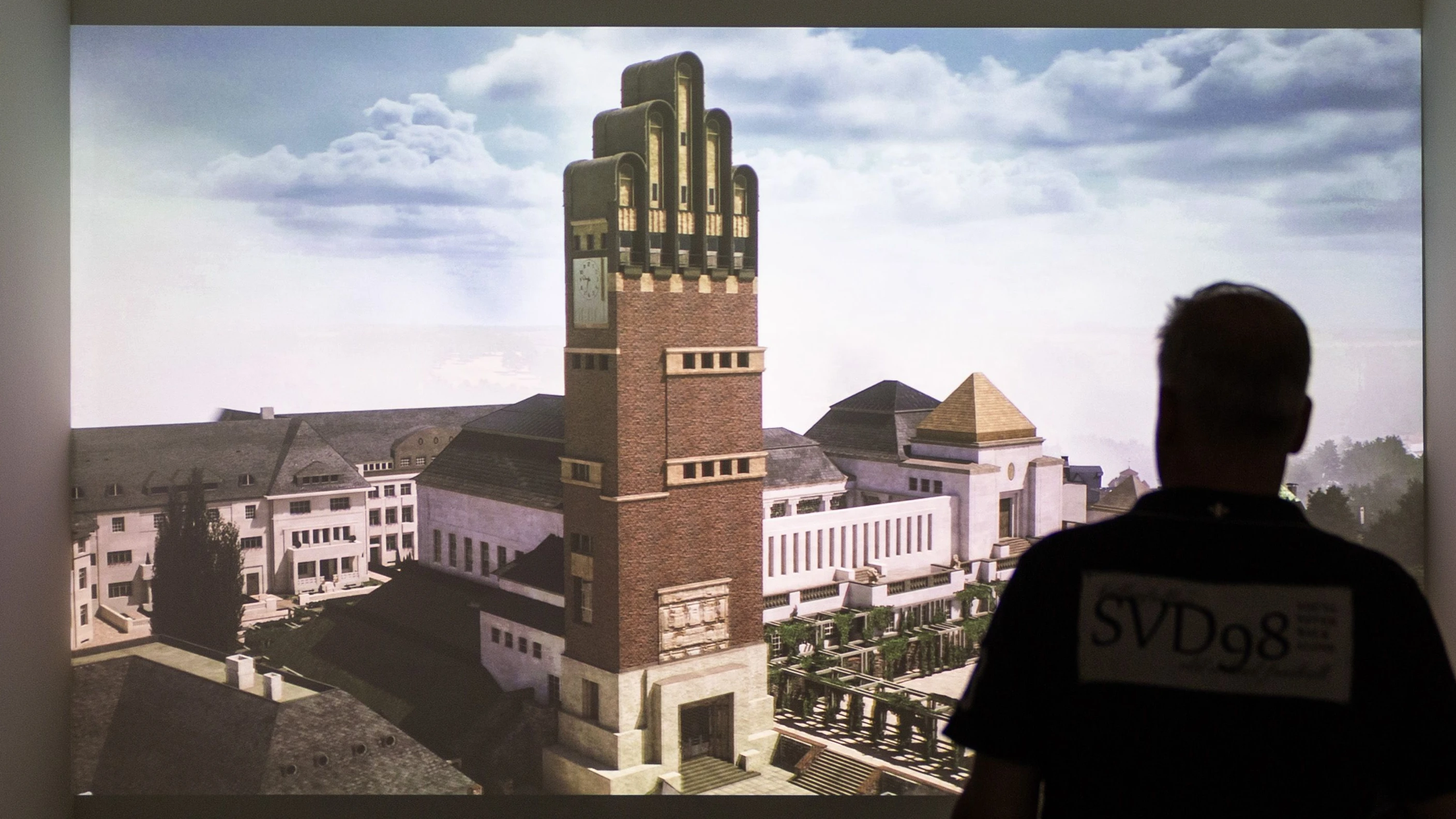
125 Jahre Mathildenhöhe: Als die Welt nach Darmstadt schaute Mit „A Step Ahead feiert das Institut Mathildenhöhe in Darmstadt 125 Jahre Künstlerkolonie und fragt, welche Ideen von damals auch für morgen Potential haben. Das ist sehr unterhaltsam, aber auch etwas karg.
faz · 4 months ago
Chris första ord till Silvia – gjorde en James Bond Det var ett nervöst möte.För första gången skulle drottning Silvia träffa Chris ONeill.– Mamma, du kommer att älska honom, sa dottern Madeleine till henne enligt nya boken Silvia: Drottningen som räddade monarkin.Och det var drottningens James Bond-inspirerade humor som räddade den spända situationen.
expressen · 4 months ago
![Matt Damon y las dificultades del rodaje de La Odisea de Nolan: Nunca he experimentado algo así "Cuando llegaba a todos esos lugares, pensaba: ¿A quién coño se le ha ocurrido que aquí se podía rodar una película?", aseguró en una reciente entrevistaLa estricta rutina que Matt Damon tuvo que seguir para rodar La Odisea: No he estado tan delgado desde el instituto
Cada película de Christopher Nolan se ha convertido en los últimos años en toda una experiencia, acompañada de gran expectación, con proyectos de gran envergadura, y algunos de ellos con dificultad añadida en cuanto a su sinopsis, con películas como Tenet que todavía son incomprendidas por muchos espectadores, e incluso por parte de sus actores principales como es el caso de Robert Pattinson.
Pattinson es también uno de los protagonistas del próximo estreno del cineasta, La Odisea, una adaptación de la obra clásica de Homero que aspira a no dejar indiferente a nadie como han demostrado sus primeras imágenes y el tráiler, y que es uno de los estrenos más esperados de este verano, que se prevé el próximo 17 de julio.
Los detalles que se van conociendo de La Odisea de Christopher Nolan dejan ver un proyecto que puede ser la película más ambiciosa y extrema de su trayectoria, además con una cifra de presupuesto que supera los 250 millones de dólares. Los últimos flecos los hemos conocido a través de su reparto, con un reciente reportaje de tres de sus protagonistas, Matt Damon, Tom Holland y Robert Pattinson en la revista GQ.
En la entrevista, Matt Damon ha compartido las dificultades que ha vivido en el rodaje de la película, en la que interpreta a Odiseo, y que ha llevado más de tres meses para completarla, con un viaje por seis países diferentes y para el que se han usado más de 600.000 metros de IMAX. Todo una odisea para el reparto, como han asegurado los actores.
Cuando llegaba a todos esos lugares, pensaba: ¿A quién coño se le ha ocurrido que aquí se podía rodar una película?. Cada vez que íbamos a un sitio, decíamos: Bueno, en Islandia será más fácil. Y luego llovía a cántaros y hacía un frío de cojones. Islandia fue como: ¿Fácil? Sujétame el cubata. Y, efectivamente, llegamos [a Los Ángeles] y Chris [Nolan] tenía dos motores a reacción echándonos agua a mares. Así que fue un final bastante apropiado. Incluso el entorno controlado era frío, húmedo y bastante incómodo, aseguró el actor protagonista.
A su vez, sin embargo, para Matt Damon todo este esfuerzo ha merecido la pena y ha compensado: Fue una experiencia en la que simplemente estaba inmerso cada día, y me encantaba. Y ocurrió lo más curioso: todas esas cosas que podrían haberme resultado difíciles en una etapa anterior de mi vida ya no lo eran. Lo disfruté mucho. Por ejemplo, no me importaba lo de estar empapado y pasar frío. De hecho, me sentía afortunado de poder experimentarlo. Me parecía algo finito, como un regalo. Así que fue muy extraño. Nunca he experimentado algo así. Por eso sueno un poco como un cristiano renacido. Es un sentimiento que anhelaba y que por fin he vivido, concluyó.
Tom Holland: Se parece más a una recreación histórica
Las declaraciones de Matt Damon en GQ fueron completadas por las de sus compañeros de reparto, con un Tom Holland al que lo que más le asombró fue el set del rodaje de la película en Marruecos: Recuerdo que caminé por esa playa durante media hora y solo veía soldado griego, soldado griego, barco griego, soldado griego, la guerra de Troya, barco griego, soldado griego. No sé si estoy exagerando, pero me parecieron kilómetros. Y le digo al asistente de producción: ¿Dónde está el equipo? No he visto ni rastro de un plató de rodaje. Esto se parece más a una recreación histórica que a un plató de cine, compartió el actor.](https://static.eldiario.es/clip/1225481f-d778-46e3-ba02-636ce9705a62_16-9-discover-aspect-ratio_default_0.jpg)
Matt Damon y las dificultades del rodaje de La Odisea de Nolan: Nunca he experimentado algo así "Cuando llegaba a todos esos lugares, pensaba: ¿A quién coño se le ha ocurrido que aquí se podía rodar una película?", aseguró en una reciente entrevistaLa estricta rutina que Matt Damon tuvo que seguir para rodar La Odisea: No he estado tan delgado desde el instituto Cada película de Christopher Nolan se ha convertido en los últimos años en toda una experiencia, acompañada de gran expectación, con proyectos de gran envergadura, y algunos de ellos con dificultad añadida en cuanto a su sinopsis, con películas como Tenet que todavía son incomprendidas por muchos espectadores, e incluso por parte de sus actores principales como es el caso de Robert Pattinson. Pattinson es también uno de los protagonistas del próximo estreno del cineasta, La Odisea, una adaptación de la obra clásica de Homero que aspira a no dejar indiferente a nadie como han demostrado sus primeras imágenes y el tráiler, y que es uno de los estrenos más esperados de este verano, que se prevé el próximo 17 de julio. Los detalles que se van conociendo de La Odisea de Christopher Nolan dejan ver un proyecto que puede ser la película más ambiciosa y extrema de su trayectoria, además con una cifra de presupuesto que supera los 250 millones de dólares. Los últimos flecos los hemos conocido a través de su reparto, con un reciente reportaje de tres de sus protagonistas, Matt Damon, Tom Holland y Robert Pattinson en la revista GQ. En la entrevista, Matt Damon ha compartido las dificultades que ha vivido en el rodaje de la película, en la que interpreta a Odiseo, y que ha llevado más de tres meses para completarla, con un viaje por seis países diferentes y para el que se han usado más de 600.000 metros de IMAX. Todo una odisea para el reparto, como han asegurado los actores. Cuando llegaba a todos esos lugares, pensaba: ¿A quién coño se le ha ocurrido que aquí se podía rodar una película?. Cada vez que íbamos a un sitio, decíamos: Bueno, en Islandia será más fácil. Y luego llovía a cántaros y hacía un frío de cojones. Islandia fue como: ¿Fácil? Sujétame el cubata. Y, efectivamente, llegamos [a Los Ángeles] y Chris [Nolan] tenía dos motores a reacción echándonos agua a mares. Así que fue un final bastante apropiado. Incluso el entorno controlado era frío, húmedo y bastante incómodo, aseguró el actor protagonista. A su vez, sin embargo, para Matt Damon todo este esfuerzo ha merecido la pena y ha compensado: Fue una experiencia en la que simplemente estaba inmerso cada día, y me encantaba. Y ocurrió lo más curioso: todas esas cosas que podrían haberme resultado difíciles en una etapa anterior de mi vida ya no lo eran. Lo disfruté mucho. Por ejemplo, no me importaba lo de estar empapado y pasar frío. De hecho, me sentía afortunado de poder experimentarlo. Me parecía algo finito, como un regalo. Así que fue muy extraño. Nunca he experimentado algo así. Por eso sueno un poco como un cristiano renacido. Es un sentimiento que anhelaba y que por fin he vivido, concluyó. Tom Holland: Se parece más a una recreación histórica Las declaraciones de Matt Damon en GQ fueron completadas por las de sus compañeros de reparto, con un Tom Holland al que lo que más le asombró fue el set del rodaje de la película en Marruecos: Recuerdo que caminé por esa playa durante media hora y solo veía soldado griego, soldado griego, barco griego, soldado griego, la guerra de Troya, barco griego, soldado griego. No sé si estoy exagerando, pero me parecieron kilómetros. Y le digo al asistente de producción: ¿Dónde está el equipo? No he visto ni rastro de un plató de rodaje. Esto se parece más a una recreación histórica que a un plató de cine, compartió el actor.
eldiario.es · 4 months ago
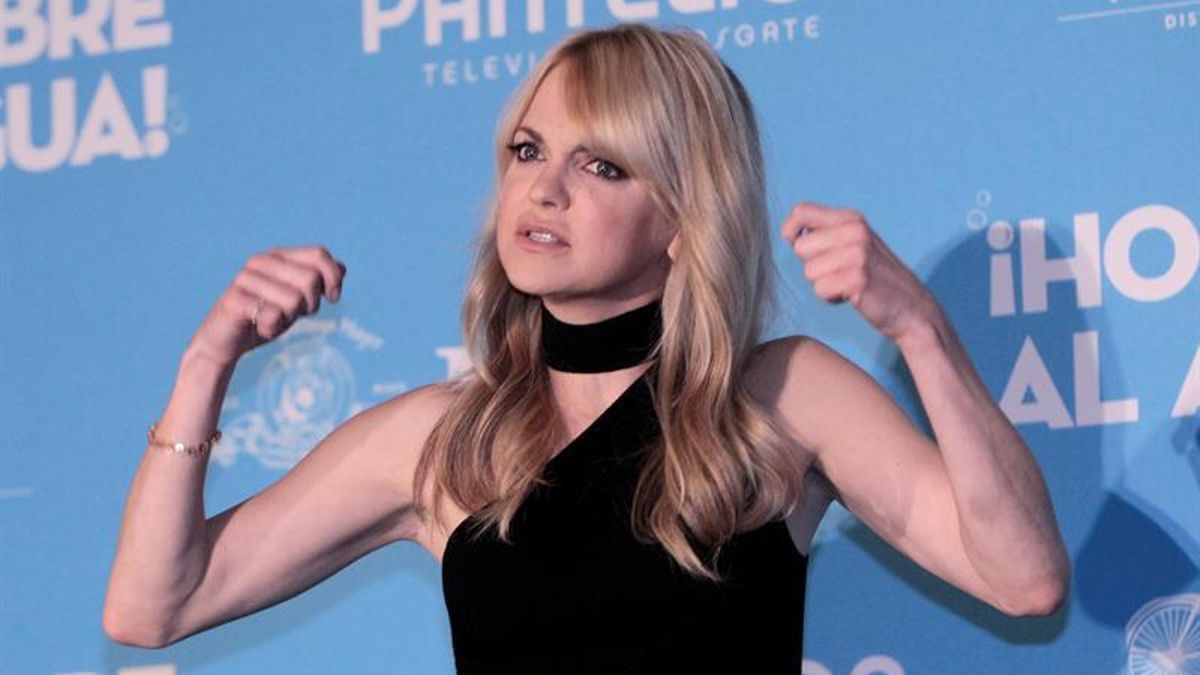
Protagonizó la saga Scary Movie, pero la encasilló en comedia: Hollywood tiene una imaginación muy limitada "Siento que acabé convirtiéndome por accidente en una actriz de comedia física, aseguró. En pleno momento del efecto nostalgia y del fenómeno Backrooms que evidencia el buen momento que vive el terror en el cine, regresa una de las sagas más icónicas de este género, Scary Movie, cuya clave de su éxito fue mezclarlo con la comedia y que vuelve trece años después de su última película con una sexta entrega que aspira a batir récords tras su primer fin de semana en las salas. Y es que Scary Movie 6 va camino de ser el mejor estreno de toda la franquicia, con una recaudación que superaría los 56 millones de dólares en su primer fin de semana en Estados Unidos, según datos de Deadline. Un regreso que hace contando con su reparto original, encabezado por la actriz Anna Faris en su papel principal, más de 25 años de su debut en la saga. La actriz se convirtió gracias a su aparición en Scary Movie en una de las reinas de la llamada comedia gamberra, y le abrió carrera cuando menos lo esperó: Nunca me sentí lo suficientemente atractiva para triunfar. Sabía que el rechazo sería parte del camino. La clave era ser valiente, confesó en el podcast Happy Sad Confused, donde también admitió que volver fue como ponerse un viejo par de pantalones vaqueros. Unos comienzos que no fueron nada sencillos para Faris, que no acababa de verse mentalmente preparada y sin creerse que fuera la seleccionada por los hermanos Wayans para la película: Estaba en el avión camino de mi primer rodaje en Hollywood, pensando: No estoy preparada para esto, me van a despedir. Se han equivocado. No tenía representante. Era una desconocida en un lugar desconocido. Y de repente leo el guion y me quedo atónita: ¿de verdad tengo que quedarme pegada al techo por el semen de mi novio? ¿Me salen murciélagos de la entrepierna? No puedo hacer esto, declaró para la revista Fotogramas. Le cerró puertas y la encasilló: Fue duro que me vieran fuera de la comedia Si bien la saga Scary Movie le dio fama, al mismo tiempo también hizo que se le encasillara dentro de la comedia: Fue algo que definió mi carrera, porque yo nunca había hecho comedia. Cuando terminamos el rodaje, incluso antes de que se estrenara la película, alquilé un pequeño apartamento en Los Ángeles, cogí mi viejo Honda y empecé a hacer audiciones. Pero la gente en Hollywood tiene una imaginación muy limitada, y todos pensaban que yo solo servía para hacer comedia, así que no conseguía oportunidades en papeles dramáticos, añadió en Fotogramas. Todo ello a pesar de que Faris se veía mucho más cómoda en papeles dramáticos: El drama era lo único con lo que me sentía cómoda. No entendía la comedia. Pero bueno, aquí estoy, aunque creo que todavía no la entiendo del todo. Siento que acabé convirtiéndome por accidente en una actriz de comedia física, contó en la mencionada revista. Anna Faris también lamentó en el podcast Happy Sad Confused que no la vieran fuera de comedia y relató un ejemplo de ello cuando audicionó para la serie Six Feet Under: Interpreté a una joven bajo los efectos del crack que recibe la noticia de la muerte de su padre. Alan empezó a reír en mitad de mi interpretación. Cuando terminé, solo me dijo: Eres muy divertida. Ahí comprendí lo difícil que era que me vieran fuera de la comedia. De hecho, la actriz también recuerda como esto le afectó en su paso por la película de Lost in Translation: No sabía cómo modular mi personaje, estaba acostumbrada a un volumen alto y pensaba que estaba arruinando la escena. Al final aprendí a confiar en la esencia, aunque pareciera que no encajaba, contó en el podcast. Todo esto, sumado a su experiencia a lo largo de su trayectoria le ha llevado a reflexionar sobre la industria cinematográfica y el impacto en la autoestima de los intérpretes: La industria es muy volátil y siempre me sentí un poco fuera de lugar. Conocí colegas que daban por hecho que el éxito estaba asegurado solo por el ambiente donde crecieron. Yo nunca tuve esa confianza innata, reflexionó.
eldiario.es · 4 months ago
K3 Originals in tranen na laatste show in Antwerpen: Ineens voorbij Het was de bedoeling dat de reünie van de K3 Originals bestond uit 22 shows, maar vanwege de enorme vraag werden dat er 48, wat neerkomt op meer dan 800 duizend verkochte kaarten. Zondagavond stonden Karen Damen (51), Kristel Verbeke (50) en Kathleen Aerts (47) voor de laatste keer op het podium in Antwerpen, en daarbij hielden ze het niet droog.
rtl nieuws · 4 months ago
Robert van Hemert blijft scoren: Wist dat het niet bij Zoet, Zout, Zuur zou blijven Zoet, Zout Zuur, Moët Dat Nou en nu ook Zandloopster: Robert van Hemert scoort hit na hit met onvervalste Hollandse meezingers. Hij geeft volgend jaar zijn eerste grote soloconcert in AFAS Live. "Het gaat beter dan ooit."
nu.nl · 4 months ago

« Inviter un artiste dans un festival nest pas lériger en ambassadeur culturel » : plus de 350 personnalités en soutien au cinéaste israélien Nadav Lapid Soumis à des pressions, le réalisateur, auteur du film « Oui », a renoncé à participer au FID Marseille. Dans une tribune au « Monde », un collectif de personnalités issues notamment du monde du cinéma sinquiète de voir des logiques dintimidation se substituer à la réflexion collective sur le rôle de la culture lors des crises politiques.
le monde · 4 months ago
„Das SowohlAlsAuch wird bleiben: Café-Legende in Berlin-Prenzlauer Berg gerettet – eine Spur führt nach Tegel Im März schloss das Kultlokal am Kollwitzplatz wegen Insolvenz, jetzt kehrt es zurück. Die Optik ist die alte – doch hinter der Fassade ist alles anders. Lesen Sie, wer hinter der Rettung steckt und wie es weitergehen soll.
tagesspiegel · 4 months ago