
EU adopts plan to slash household power bills by reforming renewable energy taxes
Story Timeline
4 months · 4 summary articles
The European Union is poised to adopt sweeping measures to slash household electricity bills by reforming renewable energy taxation, as Brussels races to cushion consumers from soaring power costs ahead of the COP31 climate summit in Antalya. On Saturday, delegates at the Istanbul Zero Waste Forum endorsed circular-economy strategies that link municipal waste-reduction policies to Türkiyes hosting of the UN climate conference in November, underscoring how waste management and energy pricing are converging in the EU’s green transition.
Under the draft regulation, seen by this newspaper, Brussels will push member states to exempt clean-energy levies from value-added taxes and to deploy smart meters that let households sell surplus solar or wind power back to the grid at market rates. The plan targets the bloc’s 450 million consumers, where average household bills have jumped 42 % since 2021, according to EU data. “We need to stop taxing clean energy and start rewarding it,” said a senior European Commission official who asked not to be named because negotiations are ongoing.
The initiative follows Estonia’s announcement that rising battery-storage capacity is keeping daytime electricity prices above zero even during peak solar output, a sign that storage is beginning to flatten the duck curve that has plagued renewable integration. In Spain, the government will take over 993 km of first-generation motorways from private concessionaires on 1 January 2027, ending a decade of toll-based financing that critics say inflated transport costs. Meanwhile, the Netherlands admitted it is lagging neighbours in deploying utility-scale battery parks, a gap that risks undermining its 2030 renewable targets.
On transport, the EU’s fractious debate over the 2035 combustion-engine ban intensified as seven member states—led by Italy and Poland—demanded exemptions for synthetic fuels, forcing a fresh round of negotiations in Strasbourg next week. Germany’s largest car-sharing operator, Miles, reported that only 38 % of its new fleet in the first quarter were electric, down from 45 % a year ago, despite pledges to electrify 90 % of its fleet by 2027. “Consumers still see a €300 upfront fee as the psychological barrier,” said a PMO Estonia policy note.
Autonomous mobility remains stalled: Lithuania, which pioneered Europe’s first legal framework for self-driving cars in 2018, has yet to attract major manufacturers or significant investment. “After eight years of waiting, we’re back at the drawing board,” said Juras Žymančius, a partner at COBALT law firm. In the Czech Republic, the rail regulator is preparing legislation to allow driverless trains, a move that could cut operating costs by up to 15 % on regional lines.
Portugal, however, is accelerating digital public transport. From this week, the €20 monthly rail pass is available via the gov.pt app, eliminating paper tickets and cutting ticketing costs by an estimated €1.2 million annually. China, by contrast, is trying to slim down electric cars, ordering manufacturers to reduce battery size and vehicle weight to curb soaring material demand and grid strain.
Follow us for live European news
- 2
- 2
- 1
- 1
- 1
- 1
- 1
- 1
- 1
- 1
- 1
- 1
- 1
- 1
Articles

Drážní úřad chystá změnu zákonů. Chce umožnit automatický provoz vlaků bez strojvedoucích Vlak nebo tramvaj pohybující se v běžném provozu bez strojvedoucího nebo řidiče je dnes stále ještě science fiction. Možná ale už ne na dlouhou dobu. Drážní úřad totiž připravuje změnu legislativy, která by provoz kolejových vozidel i bez řidiče či strojvedoucího umožnila. Výrobci těchto technologií by tak už nemuseli do svých autonomních vlaků tyto strojvedoucí obsazovat.
irozhlas.cz · 4 months ago
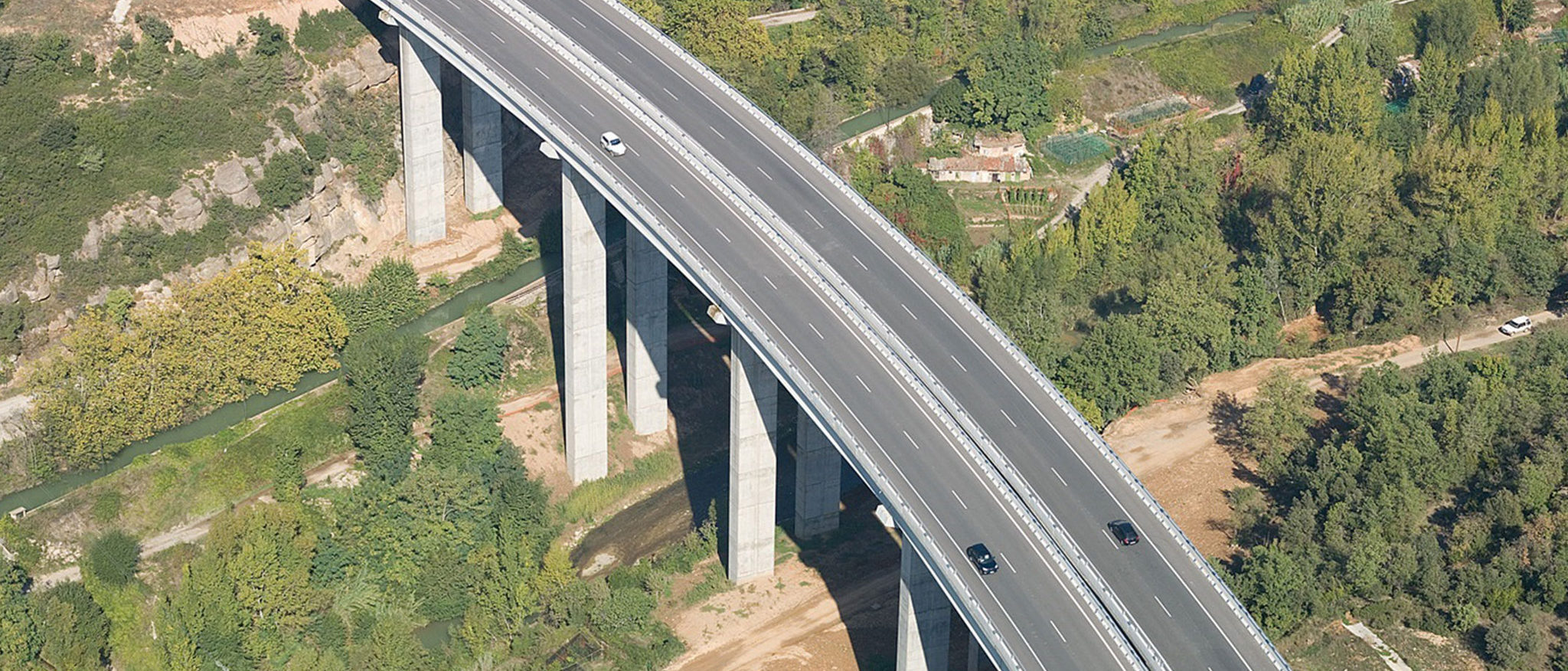
El Estado deberá asumir la conservación de casi mil kilómetros más de autovías desde enero El Gobierno asumirá a partir del 1 de enero de 2027 la conservación directa de 993 kilómetros de autovías de primera generación, tras la finalización en diciembre de 2026 de los diez contratos de concesión adjudicados en 2007. Leer
expansion · 4 months ago
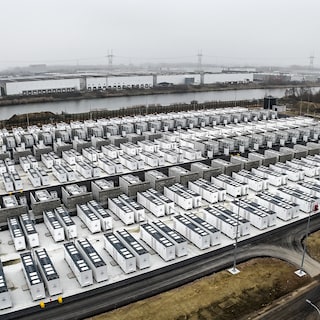
Nederland loopt fors achter op buurlanden met uitrol batterijparken
trouw · 4 months ago
Istanbul Zero Waste Forum focuses on circular economy ahead of COP31 The Zero Waste Forum continued Saturday in Istanbul with international delegates examining circular economy frameworks and food waste reduction strategies, linking municipal zero-waste policies to Türkiyes upcoming hosting of the UN climate change conference in Antalya this November.
yenisafak · 4 months ago
Klimafreundliches Carsharing?: Miles to go Deutschlands größter Anbieter will auf Elektromobilität setzen, hat zuletzt aber weniger E-Autos zugelassen als Verbrenner. Warum es andere besser machen. mehr...
taz.de · 4 months ago
Greece Bans Sale of Sodas and Processed Meats in Schools The Greek Ministry of Health has announced a sweeping overhaul of food guidelines for school canteens across the country. In a targeted effort to combat high rates of childhood obesity, the new regulations impose strict dietary standards, including a total ban on processed meats and soft drinks. Set to take full effect during the 2026-2027 […]
greek reporter · 4 months ago
More storage keeping electricity price above zero in Estonia Smaller differences between morning and evening peak hour prices and those in the middle of the day primarily reflect growth in electricity storage capacity, which has reduced the amount of excess renewable energy generation reaching the market.
news.err · 4 months ago
Lithuania raced to embrace self-driving car. Eight years on, its waiting for breakthrough Lithuania was among the first countries in Europe to establish a legal framework for testing autonomous vehicles on public roads, back in 2018. It signalled the countrys ambitions as an innovator in transport technology. Yet hopes of a rapid breakthrough failed to materialise – major manufacturers showed little interest in Lithuania, and significant investment never arrived. Juras Žymančius, a senior lawyer at the law firm COBALT, says that after a prolonged pause, Lithuania is returning to the subject of autonomous transport – this time under different circumstances.
lrt · 4 months ago
Elektroautos: Europas Streit um Verbrenner-Aus wird härter Europaparlament und Mitgliedstaaten ringen weiter um das Verbrenner-Aus ab 2035. Sieben EU-Länder wollen an E-Autos festhalten. (Verbrennerverbot, Elektroauto)
golem.de · 4 months ago
Selgus, kui palju on eestlane valmis autoliisingu eest maksma Autoost on Eestis pärast pikemat pidurdust taas hoo üles võtnud, kuid tarbijate käitumist juhib endiselt üks selge piir: umbes 300 euro suurune kuumakse.
postimees · 4 months ago

Passe ferroviário digital passa a estar no telemóvel O Governo anunciou que o passe ferroviário verde, que custa 20 euros por mês, passou a estar disponível na aplicação gov.pt, dispensando o título físico para entrar nos comboios.
observador · 4 months ago
Donáth Anna: Amíg egy villany ég egy irodában, aminek Momentum van a kirakatára írva, addig ott leszek és én leszek az utolsó, aki kimegy A Momentum korábbi elnöke Krug Emília műsorában a kiégéséről és a választás utáni szorongásáról is beszélt. Szerinte utólag fog eldőlni, valóban rendszerváltásnak nevezhető-e az, ami történt.
444.hu · 4 months ago
Vești pentru consumatori: UE pregătește o măsură care ar putea reduce facturile la electricitate pentru milioane de oameni Uniunea Europeană elaborează un plan de reducere a taxării energiei regenerabile, în contextul în care în toate statele membre, costurile cu energia electrică au explodat. Cu ajutorul noului regulament, UE dorește să stimuleze energia curată prin noi facilități fiscale și contoare inteligente.
digi24 · 4 months ago
China pune vehiculele electrice „la dietă: autoritățile vor mașini mai mici și mai ușoare Autorităţile chineze vor ca automobilele electrice să fie mai suple, după mai mulţi ani în care cererea de baterii cât mai mari şi de cât mai mult spaţiu şi caracteristici au contribuit la creşterea semnificativă a dimensiunii şi greutăţii autoturismelor de pasageri, a relatat postul public de televiziune China Central Television (CCTV), preluat de Bloomberg.
digi24 · 4 months ago
Yhdysvallat | Tältä näyttää auto, josta tuli amerikkalaispariskunnan koti Keski-iän ylittäneistä amerikkalaisista yhä useampi päättää ryhtyä karavaanariksi.
helsingin sanomat · 4 months ago
Strong 5.2 Magnitude Earthquake Shakes Greeces Evia and Athens A series of strong earthquakes, culminating in a 5.2-magnitude tremor, rattled the Greek island of Evia (Euboea) and the greater Athens metropolitan area on Sunday afternoon. The seismic activity triggered extensive landslides across the northern part of the island of Evia, though local authorities report no injuries or significant structural damage to houses. The initial […]
greek reporter · 4 months ago
28 May 2026 - Water scarcity is a problem across Central Asia: the five countries work to address the problem together
commonspace · 4 months ago
Togtrafik mellem landsdele påvirket af nedreven køreledning
dr.dk · 4 months ago
Kaupunkikulttuuri | Suvilahdessa puretaan pala Helsingin elinvoimaa Suvilahden skeittiparkin purku on paljon isompi asia kuin yhden harrastuspaikan katoaminen.
helsingin sanomat · 4 months ago