Loading…
 Saturday, September 26Saturday, September 26
4 months · 3 summary articles
Poland ends fuel price caps as energy markets stabilize
Energy stocks surge as Middle East tensions tighten supply and IPO boom sparks market jitters
EU adopts plan to slash household power bills by reforming renewable energy taxes
Poland will lift its fuel price caps this summer, Prime Minister Donald Tusk announced on Friday, marking a decisive shift in energy policy after years of state intervention to shield consumers from market volatility. The decision, confirmed in multiple reports on 13 June 2026, signals the government’s confidence that the worst supply shocks have passed and that price controls are no longer necessary to stabilise household budgets.
Speaking to reporters in Warsaw, Tusk framed the move as a return to market principles while acknowledging lingering risks. “The caps were a temporary shield during turbulent times,” he said, according to Reuters . “Now, with supply chains stabilising and global energy markets calming, we can phase them out responsibly.” The caps, introduced in 2022 during Russia’s war in Ukraine, capped retail fuel prices at levels intended to cushion drivers from surging crude costs. Analysts at Brussels Morning note that the removal could lead to immediate price adjustments at the pump, though the government has pledged to monitor the transition closely .
The policy reversal arrives as global energy markets face fresh pressures. On Friday, UNCTAD warned that surging demand for electric vehicles and renewable energy is reshaping trade flows around critical minerals, with supply chains concentrated in just a handful of countries and new export restrictions threatening to fragment markets and drive up costs . Meanwhile, oil refinery operations are under renewed scrutiny after recent disruptions highlighted the fragility of energy infrastructure, particularly in regions like Volgograd, Russia .
The timing of Poland’s decision also reflects broader economic shifts. India’s scorching summer heatwaves, now a recurring structural drag on growth, are forcing businesses to adapt to rising operational costs and reduced worker productivity . In Central Asia, five countries are grappling with water scarcity, a crisis that has intensified calls for regional cooperation to manage dwindling resources . Closer to home, Hungary’s government is bracing for the compounding effects of El Niño, which threatens to exacerbate drought conditions and strain agricultural output .
For Polish consumers, the end of price caps may bring mixed relief. While cheaper imports could ease pressure on household budgets, economists caution that global commodity markets remain volatile. Precious metals, traditionally a safe haven during uncertainty, have surged as investors seek stability amid economic turbulence . Turkey’s Treasury Minister Mehmet Şimşek, meanwhile, has reaffirmed his country’s commitment to disinflation despite geopolitical shocks, signalling that price stability remains a priority across the region .
As Poland navigates this transition, the government’s next steps—including potential subsidies or targeted support for vulnerable groups—will be closely watched. For now, the message from Warsaw is clear: the era of fuel price caps is ending, but the era of energy uncertainty is far from over.
Follow us for live European news

V plzeňské zoo plní nádrže chytrý zavlažovací systém, pracuje s dešťovou vodou i s vodou z řeky Zoologická a botanická zahrada v Plzni začala využívat chytrý zavlažovací systém na plnění svých nádrží. Denně se v zoo na účely zalévání a plnění jezírek využije až 150 kubíků vody. Ty zahrada čerpá hlavně z podzemních vrtů a z řeky Mže. Využívá také dešťovou vodu a v nouzových případech i pitnou vodu z potrubí.
irozhlas.cz · 3 months ago
Nízká hladina řek komplikuje vodákům život. Toky v jižních Čechách jsou na hranici sjízdnosti Jihočeské řeky na začátku vodácké sezony nemají dostatek vody. Lužnice a Otava se kvůli nízké hladině nachází na hranici sjízdnosti. Jedinou konzistentně sjízdnou řekou je hlavní úsek Vltavy z Vyššího Brodu. Kempy zde zatím žádný úbytek nevnímají. „V případě extrémního sucha bych doporučil vodákům, aby jezdili spíš v termínech pracovních dní, říká pro Český rozhlas České Budějovice mluvčí kempu Braná Václav Novák.
irozhlas.cz · 3 months ago

Voici combien lÉtat belge a payé pour la production délectricité de Doel 4 et Tihange 3 Entre lautomne 2025 et la fin mars 2026, lÉtat belge a payé plus quil na reçu. ...
la libre · 3 months ago

La vivienda bate el récord de la burbuja en Madrid, Cataluña, las islas o Andalucía El precio de la vivienda batió su récord histórico en el primer trimestre del año en Andalucía; Baleares; Canarias; Cataluña; Comunidad Valenciana; Galicia; Navarra; País Vasco; las ciudades autónomas de Ceuta y Melilla y Madrid, que fue la única comunidad que superó los 4.000 euros/m2. Leer
expansion · 3 months ago
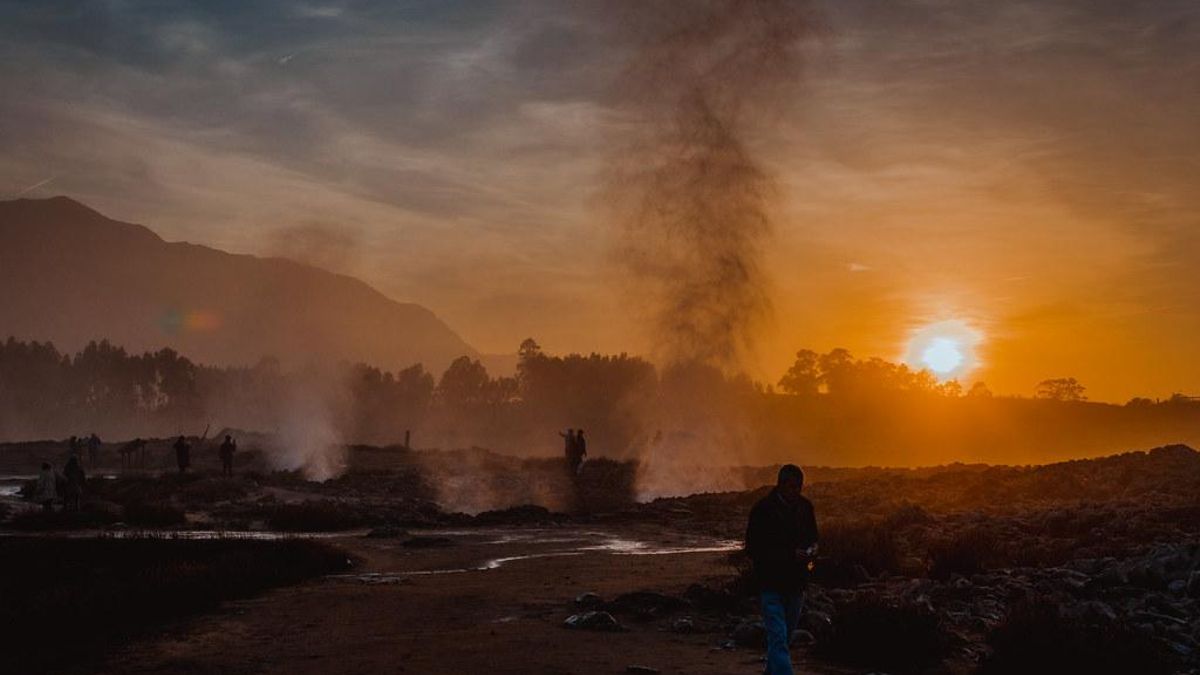
Los géiseres marinos de Asturias que solo aparecen cuando el Cantábrico "se enfada" Estos espectaculares chorros de agua surgen de grietas abiertas en los acantilados y alcanzan varios metros de altura cuando el mar golpea la costaLa playa española que parece una catedral solo cuando baja la marea: así se visita As Catedrais Hay paisajes que muestran siempre la misma cara y otros que dependen por completo del estado de la naturaleza. Un bosque sigue ahí haga sol o llueva, una montaña conserva su silueta durante siglos y una playa apenas cambia de un día para otro. Sin embargo, existen lugares cuyo mayor atractivo solo aparece en momentos muy concretos. En este caso, deben casarse el viento, las mareas y el agua. Estos tres pilares naturales se deben alinear para ofrecer un espectáculo imposible de garantizar con exactitud. Eso es precisamente lo que ocurre en algunos puntos de la costa asturiana, donde el mar es capaz de transformar simples grietas en la roca en auténticas fuentes gigantes. Los protagonistas son los Bufones de Pría, uno de los fenómenos naturales más sorprendentes de Asturias y una de las experiencias más espectaculares para quienes buscan lugares diferentes dentro de las propuestas de qué ver en Asturias. Los Bufones de Pría que parecen géiseres La respuesta a la pregunta del titular tiene una explicación geológica. Aunque muchas personas los comparan con géiseres, los Bufones de Pría no están relacionados con actividad volcánica ni con aguas termales. Según explica la web oficial de Turismo de Asturias, se trata de fenómenos naturales originados por la erosión del mar y de la lluvia sobre la roca caliza. Bufones de Pría después de una tormenta Con el paso de miles de años, el agua fue creando grietas, conductos y chimeneas naturales que conectan el mar con la superficie terrestre. Cuando las olas golpean el pie de los acantilados, el aire contenido en esas galerías subterráneas se comprime y busca una salida. En jornadas tranquilas apenas se percibe el fenómeno, pero cuando el Cantábrico se embravece la situación cambia por completo. Turismo de Asturias narra que durante los episodios de fuerte oleaje el aire y el agua escapan al exterior a alta presión mediante chorros que alcanzan grandes alturas. Esa es la razón por la que muchos visitantes los describen como géiseres marinos. La diferencia es que aquí la fuerza no procede del calor del subsuelo, sino de la energía del mar chocando contra la costa. Cuando el Cantábrico se enfada La expresión enfadarse tiene todo el sentido si asumimos que los Bufones de Pría ofrecen su mejor versión precisamente cuando el mar está más agitado. Durante los días de temporal, las columnas de agua pueden elevarse varios metros por encima de los acantilados y generar un estruendo que se escucha desde una gran distancia. La propia web oficial de Turismo de Asturias destaca que en los días en los que el mar está bravo el espectáculo es increíble. En esas jornadas, el agua sale disparada por las chimeneas naturales acompañada de fuertes silbidos provocados por la presión del aire. De hecho, el nombre bufón procede precisamente de ese sonido característico que recuerda a un resoplido o bufido. Por este motivo, muchos viajeros consultan el estado del mar antes de acercarse hasta la zona. Aunque el paisaje merece la visita en cualquier época del año, contemplar el fenómeno en pleno funcionamiento multiplica el atractivo del lugar. Eso sí, siempre es importante mantener una distancia prudente y respetar las indicaciones de seguridad, especialmente durante los temporales. Una de las rutas más espectaculares de la costa asturiana Los bufones más conocidos de Asturias se encuentran en la localidad de Llames, dentro del concejo de Llanes. Desde allí parte un recorrido que permite disfrutar tanto del fenómeno natural como de algunos de los paisajes más impresionantes del litoral cantábrico. Turismo de Asturias recomienda dejar el vehículo en el pueblo y continuar caminando por los acantilados. La ruta circular que ofrecen presenta una dificultad baja y tiene una duración aproximada de cuatro horas, afirman. Además, a lo largo del recorrido se suceden los miradores naturales sobre el mar, los prados costeros y las panorámicas abiertas sobre una de las zonas más salvajes de la costa asturiana. Incluso cuando los bufones no están activos, las vistas justifican el desplazamiento. Los acantilados ofrecen una perspectiva privilegiada del Cantábrico y permiten comprender la enorme fuerza que el mar ha ejercido durante siglos sobre estas rocas calizas. Cuando coinciden la marea alta y el fuerte oleaje, el espectáculo se vuelve todavía más impresionante.
eldiario.es · 3 months ago
Brand: Auto fängt in Tiefgarage Feuer In einer Hotel-Tiefgarage in Mitte brennt am Morgen ein Auto. Die Feuerwehr verhindert Schlimmeres – nun wird geprüft, wie weit sich der Rauch ausgebreitet hat.
tagesspiegel · 3 months ago

El Niño és Magyarország: mire számíthatunk mi, itt, most? A felmelegedésre most megint rátesz egy lapáttal a csendes-óceáni eredetű El Niño jelenség, de Magyarországon nem elsősorban erre kell figyelni. Idehaza enélkül is komoly változásokra van szükség, például a mezőgazdaságban vagy a várostervezésben.
hvg.hu · 3 months ago
Estate in anticipo e caroprezzi energia: ecco quanto costa a una famiglia media accendere il condizionatore La stima di Assium, lassociazione degli utility manager italiani: questanno la spesa degli italiani per combattere il caldo risulterà sensibilmente più elevata
il sole 24 ore · 3 months ago
Indias soaring summer heat a growing drag on economic growth Indias increasingly severe summer heatwaves are becoming a structural threat to economic growth, raising costs for businesses, reducing worker productivity and slowing growth in an economy that remains heavily dependent on physical labour.
intellinews · 3 months ago
Pericol de inundații pe râuri din cinci județe. Hidrologii au emis o nouă avertizare Institutul Naţional de Hidrologie şi Gospodărire a Apelor (INHGA) a emis sâmbătă, 13 iunie, o atenționare Cod galben de inundații, valabilă până duminică la ora 12:00, pentru râuri din cinci județe.
adevarul · 3 months ago

Quality firms under pressure: Manufacturers want more for less Manufacturers are pushing quality service providers to go beyond product checks, demanding faster response, clearer data and lower costs.
spectator.sme.sk · 3 months ago
Poland Fuel Prices Set for Major Summer Change After Tusk Announcement Warsaw, Poland, June 13 – Brussels Morning Newspaper — Poland fuel prices are expected to change this summer after Prime Minister Donald Tusk announced that the government plans to end fuel price caps that were introduced to help consumers during periods of market volatility. The decision marks an important shift in energy policy and could […]
brussels morning · 3 months ago
Manufacturing Environmental Impact Faces New Spotlight as Industry Adopts Cleaner Technologies Chicago, United States, June 13 – Brussels Morning Newspaper — Manufacturing environmental impact remains a major topic of discussion as industries worldwide face increasing pressure to reduce emissions, improve energy efficiency, and adopt sustainable production methods. Governments, investors, and consumers are paying closer attention to how products are made, making manufacturing environmental impact a key factor […]
brussels morning · 3 months ago
Precious Metals Market Surges as Investors Seek Safety Amid Economic Uncertainty New York, United States, June 13 – Brussels Morning Newspaper — Precious metals market activity is attracting renewed attention from investors as gold, silver, platinum, and palladium continue responding to changing economic conditions and global uncertainty. Rising demand for defensive assets has placed the precious metals market back in focus as investors evaluate opportunities to […]
brussels morning · 3 months ago

10h. 140 concelhos estão em perigo máximo de incêndio 140 concelhos de doze distritos de Portugal estão em perigo máximo de incêndio este fim de semana. Ainda, está oficialmente aberta, em todo o país, a época balnear.
observador · 3 months ago
Japón propondrá crear una reserva común de minerales críticos durante la cumbre del G7 Japón propondrá una reserva común de minerales críticos durante la cumbre del G7 que se desarrollará entre el lunes y el miércoles en la localidad francesa de Évian, dijo este sábado la primera ministra del país, Sanae Takaichi, antes de viajar a Europa. Leer
expansion · 3 months ago

Estabilizado un incendio forestal en Serra en un sábado de riesgo por altas temperaturas Una unidad, una autobomba y dos brigadas forestales de bomberos trabajan por sofocar el fuego que ayer obligó a cerrar el tráfico marítimo del Puerto de Sagunto
la vanguardia · 3 months ago
Water vliegt schappen uit na aantreffen poepbacterie in drinkwater regio Dordrecht De vondst van een E. coli-bacterie in het drinkwater in Dordrecht, Zwijndrecht en Hendrik-Ido-Ambacht is vandaag wederom merkbaar in supermarkten. Er is een toestroom van mensen die water kopen en de schappen raken sneller leeg.
rtl nieuws · 3 months ago
Critical minerals reshape trade as supply risks mount: UNCTAD UNCTAD said on Friday that surging demand for electric vehicles and renewable energy is fundamentally reshaping global trade flows around critical minerals, warning that highly concentrated supply chains and a wave of new export restrictions risk fragmenting international markets and raising costs.
yenisafak · 3 months ago
Simsek: Disinflation to continue despite geopolitical shocks Treasury and Finance Minister Mehmet Simsek said the disinflation process will resume within months despite recent geopolitical and energy shocks, as he and Central Bank Governor Fatih Karahan reaffirmed commitment to price stability and fiscal discipline at the Banks Association of Türkiyes general assembly in Istanbul.
yenisafak · 3 months ago
Avans pe Autostrada Sibiu–Pitești: un nou tunel a intrat în lucru Al treilea tunel de pe secțiunea a doua a autostrăzii Sibiu–Pitești a intrat în faza de execuție, astfel că se lucrează simultan la trei tuneluri din sectorul montan al viitoarei autostrăzi. Pe șantier sunt mobilizați aproximativ 562 de muncitori și 155 de utilaje, potrivit directorului CNAIR.
digi24 · 3 months ago
:format(jpg)/f.elconfidencial.com%2Foriginal%2Fc91%2F519%2F212%2Fc915192127495e31ad5842cf158808e9.jpg)
Diez comunidades en alerta amarilla por altas temperaturas o fuertes tormentas En Extremadura habrá picos de hasta 38 grados en zonas de la vega del Guadiana, así como en las comarcas de Villuercas y Montánchez
el confidencial · 3 months ago
Turismo, prezzi alle stelle tranne che per i voli allestero: ecco perché Il dossier Assoutenti: la forte frenata della domanda di viaggi allestero ha prodotto un abbassamento delle tariffe aeree per molte destinazioni estive, con i prezzi dei biglietti monitorati che scendono in media del -23
il sole 24 ore · 3 months ago

LEurope se prépare à une nouvelle vague de chaleur : des journées brûlantes à nouveau à lhorizon Deux semaines après une vague de chaleur précoce, les températures vont de nouveau fortement augmenter dans les prochains jours en Europe, prévient le média allemand T-Online. En France, le mercure devrait allègrement dépasser les 30 °C.
courrier international · 3 months ago
Au început lucrările la al treilea tunel de pe Autostrada A1 Sibiu - Pitești. Constructorii lucrează simultan la trei galerii Au început lucrările la al treilea tunel de pe Secțiunea 2 a Autostrăzii A1 Sibiu-Pitești, , în timp ce constructorii lucrează simultan la trei tuneluri din sectorul montan al șoselei, a anunaț sâmbătă, 13 iunie, Cristian Pistol.
adevarul · 3 months ago
E. coli boil water advisory for 200,000 in Dordrecht, Zwijndrecht, Hendrik-Ido-Ambacht Authorities in Zuid-Holland Zuid have issued a three-day boil water advisory for residents of Dordrecht, Zwijndrecht and Hendrik-Ido-Ambacht after an E.
nltimes.nl · 3 months ago