
Two Greek firefighters die battling wildfire on Crete as blazes rage across Southern Europe
Story Timeline
2 months · 15 summary articles
Wildfires continue to ravage parts of Southern Europe, with two Greek firefighters dying while battling a blaze on the island of Crete. The firefighters became trapped near the western city of Rethymno, where gale-force winds have fueled the flames and led to the evacuation of several villages.
In Spain, Prime Minister Pedro Sánchez has warned that the next 12 hours will be decisive in efforts to contain a wildfire near Madrid. The blaze, located in the Burgohondo area of Ávila province, has burned over 43,000 hectares and is considered the largest recorded wildfire in Spanish history. More than 207,000 hectares of land have been burned by wildfires in Spain this year alone.
Meanwhile, in France, firefighters are battling a major wildfire in the Gironde region. The fire has not spread overnight, but authorities are concerned that rising temperatures and afternoon winds could revive smoldering hotspots and open new fronts beyond the reach of firefighting crews.
The EU’s Emergency Response Coordination Centre is coordinating efforts to combat the wildfires. Maria Zuber, head of the center, has warned that the ongoing heatwave means the next few days will be very difficult in France, and other countries, including Greece and Italy, should prepare for potential disasters. The center has sent aircraft and firefighters to France and Spain and has pre-positioned resources in eastern and central Europe as the risk there rises.
The World Health Organization (WHO) has also warned about the health risks associated with wildfire smoke. Dorota Jarosinska, Programme Manager at the WHO’s European Centre for Climate Change, Environment and Health, noted that wildfire smoke can travel hundreds of kilometers, impairing air quality and affecting people far from the fires. She emphasized that the health risks can be particularly severe for those with underlying health conditions, such as asthma or heart disease.
The wildfires have also had a significant impact on local communities. In Greece, villages on the islands of Paros and Lesbos, as well as the southern town of Trifylia on the mainland, have been affected by wildfires. In Spain, thousands of people have been allowed to return to their homes after restrictions were lifted in several areas, including Toledo, Madrid, Ávila, and Castellón.
Experts have attributed the increased intensity and frequency of wildfires to climate change and changes in land use. Cristina Montiel, a professor of geography at the Complutense University in Madrid and a wildfire specialist, noted that while the number of fires has decreased, the fires that do occur burn more intensely and are harder to control. She cited changes in weather conditions due to climate change and changes in the landscape as key factors.
The situation in Europe reflects a broader trend of increasing wildfire activity due to hotter, drier conditions. Europe suffered its worst wildfire season on record last year, with more than a million hectares of land burned. This year’s wildfire season is shaping up to be similarly severe, with the potential for record-breaking fires.
In response to the wildfires, countries across Europe are coordinating their efforts. Lithuania has offered to send a firefighting team to France, and the EU is managing resource reallocations across 37 participating nations. However, challenges remain, including the grounding of Spain’s Russian-built Kamov Ka-32 firefighting helicopters due to EU sanctions on Russia.
As the wildfires continue to spread, authorities are urging residents to take precautions and stay informed about evacuation orders and health warnings. The situation remains fluid, with firefighters and emergency responders working around the clock to contain the blazes and protect communities.
Follow us for live European news
Articles

More European tourism destinations are hit by wildfires as villages are evacuated on top Greek holiday island and France battles flare ups in 40C heat Footage shared on social media shows bright orange flames rising above the mountains as dark clouds of smoke engulf the island.
dailymail · about 2 months ago
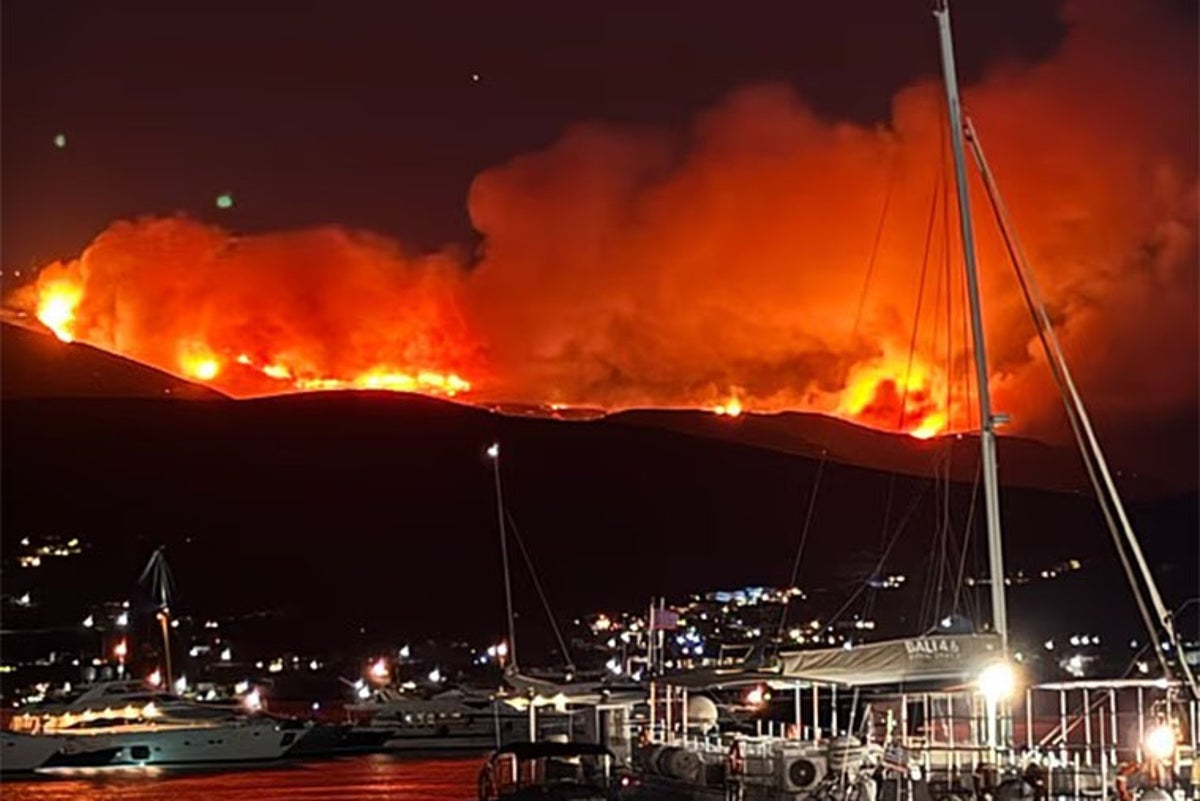
Villages evacuated on Greek tourist island after major wildfire breaks out Residents on Paros were forced to leave their homes as firefighters raced to extinguish the blaze
independent · about 2 months ago

Two Greek Firefighters Die Battling Wildfire on Crete Fire service pays tribute to two firefighters who died battling a forest blaze on Crete, saying they fell heroically in the line of duty.
balkaninsight · about 2 months ago

Rethink the forest amid unprecedented wildfires: Return to ancestral ways of managing the land? Stuart Norval welcomes Jean-Luc Gleyze, President of the Departmental Council of the Gironde, and Stéphane Delpeyrat-Vincent, former firefighter and founder of WARUCENE, a research firm specialising in wildfire prevention. The Gironde wildfires expose the growing challenges of land management in a warming world. Offering complementary perspectives, Jean-Luc Gleyze, speaking from the front line of the emergency response, presents the fires as a test of social solidarity, institutional coordination, and public resilience. By contrast, Stéphane Delpeyrat-Vincent argues that increasingly destructive wildfires are not simply emergencies to be fought, but symptoms of a deeper structural failure: landscapes managed for a climate that no longer exists. Together, their analysis suggests that the challenge is no longer simply to improve firefighting capacity, but to rethink forests, communities, and urban planning in an era of accelerating climate change.
france24 · about 2 months ago
Lithuania ready to send firefighters to France as wildfires rage Lithuania is ready to send a firefighting team to France as it battles devastating wildfires, Prime Minister Mindaugas Sinkevičius said on Wednesday.
lrt · about 2 months ago
#Europe #wildfires #Greece - Final CallThe Rethymnon / Crete wildfire has turned into a tragedy today. Two firefighters (23 & 27) died during the extinguishing operation.The 2026 European wildfire season has so far claimed the lives of six firefighters, another 95 have been injured.
mastodon bot · about 2 months ago
Wildfire threat moving east, threatening Italy and Greece, EU says Greece, Italy and Central Europe are set to face heightened wildfire risk in the coming weeks, threatening further disasters even as wildfires continue to blaze in Spain and France, the head of the EUs emergency response centre said on Wednesday. Maria Zuber, head of the EUs Emergency Response Coordination Centre, said the ongoing heatwave meant […]
in-cyprus · about 2 months ago
Sanctions on Russia backfire, leaving Spains firefighting helicopters grounded as wildfires rage EU sanctions on Russia have backfired, leaving Spains best Russian-built Kamov Ka-32 firefighting helicopters grounded as severe wildfires burn across southern Europe, reported Berliner Zeitung.
intellinews · about 2 months ago
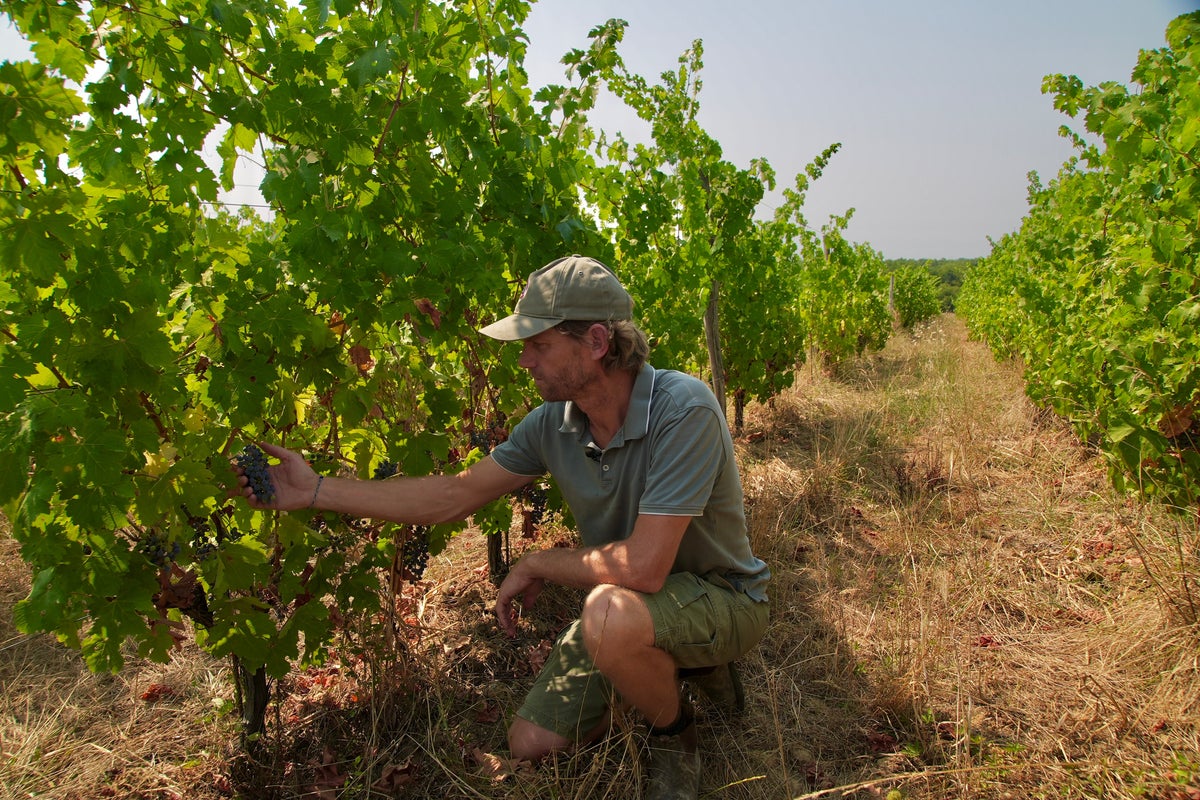
Wildfires near Bordeaux bring more troubles to Frances wine industry Wildfires near Bordeaux are hurting the wine regions economy
independent · about 2 months ago
France, Spain Battle Wildfires Amid Rising Heat | Talk Radio 98.3 WLAC
gdeltproject.org · about 2 months ago
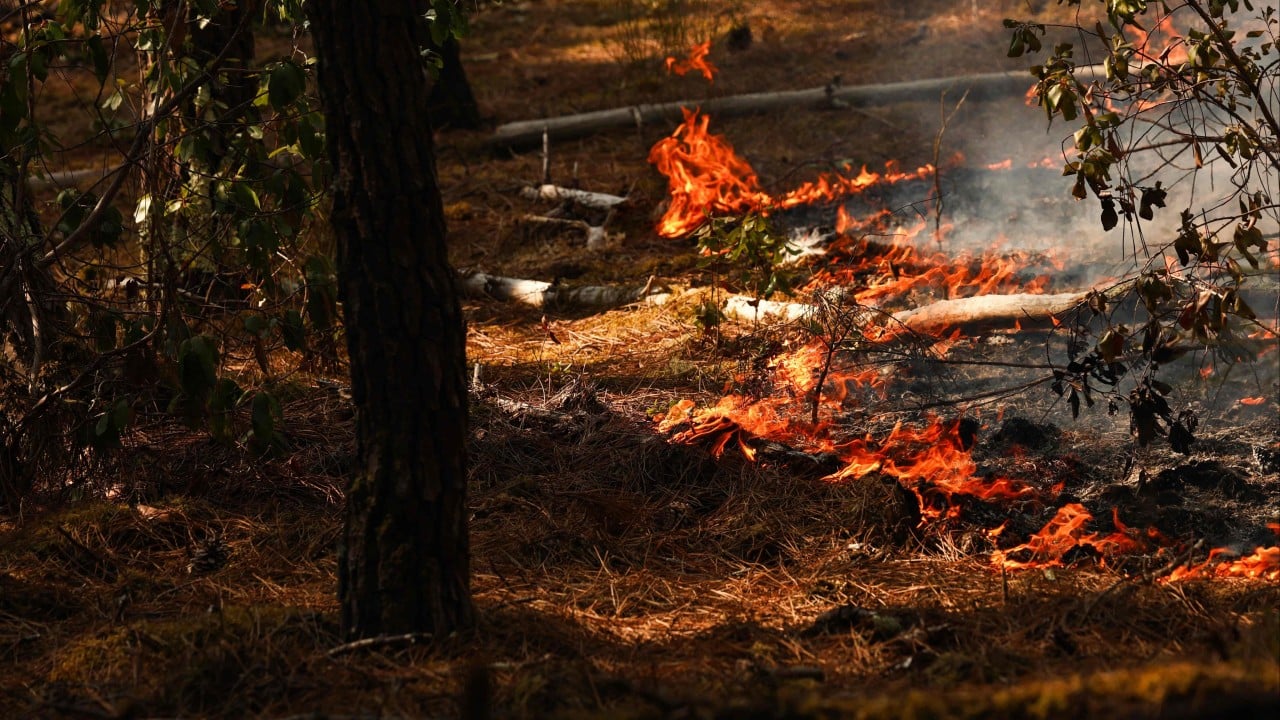
France battles wildfire 4 times the size of Paris Firefighters in southwest France battled an uncontained wildfire four times the size of Paris on Wednesday as temperatures were forecast to reach 40 degrees Celsius (104 degrees Fahrenheit), threatening to turn a calm night into only a brief reprieve. Authorities in the Gironde region said the blaze had not spread overnight, but rising heat and afternoon winds could revive smouldering hotspots, carry embers across firebreaks and open new fronts beyond crews reach. At the command centre in Lège,...
south china morning post · about 2 months ago
Wildfires spread in Greece and Turkiye as EU chief urges climate action Heatwaves intensify deadly fires across Europe, killing two firefighters on the Greek island of Crete.
aljazeera · about 2 months ago
Firefighter films wildfire using smart glasses in Frances Gironde Footage captured by a firefighter filming with his smart glasses shows his colleagues battling the blaze in the village of Le Las, in Frances Gironde department, on July 27, 2026.
france24 · about 2 months ago
Devastating European wildfires in maps - and how theyre being tackled Spain and France have so far borne the burnt of this summers wildfires, caused by a succession of heatwaves and prolonged dry spells.
bbc · about 2 months ago
Thousands in Spain return home but new heatwave raises wildfire fears Spain and France are both braced for the start of the fourth heatwave so far this summer and some fires have continued to burn.
bbc · about 2 months ago
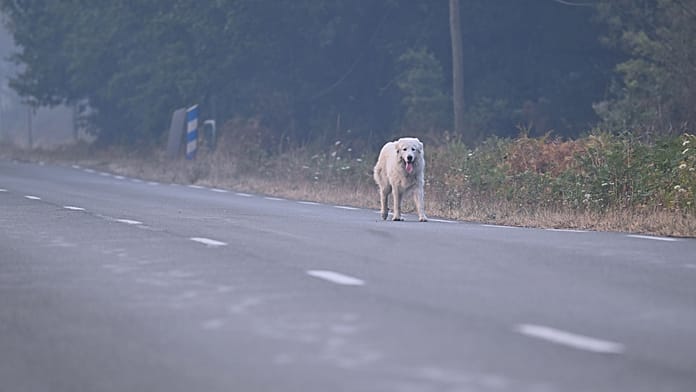
France veterinary team treats pets of wildfire evacuees A French veterinary team in Bordeaux is caring for pets of Gironde wildfire evacuees, providing food, treatment and support while families await their return home.
euronews · about 2 months ago
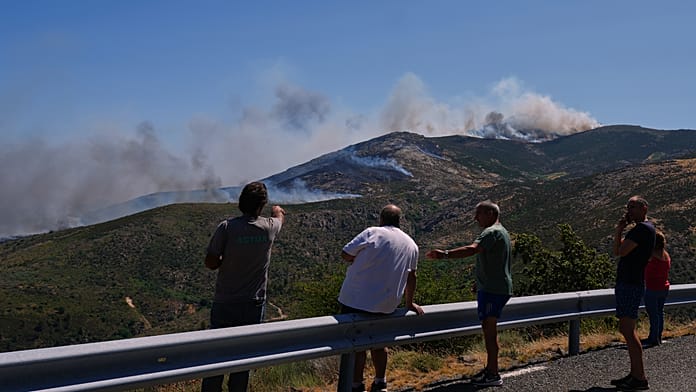
Wildfire smoke: A health emergency beyond the flames, WHO warns Wildfire smoke from southern Europes fires is a growing health emergency, WHO warns, and public health authorities need to do more to inform and protect the most vulnerable.
euronews · about 2 months ago
Navas del Rey residents return after Spain wildfire evacuation Residents returned to Navas del Rey after Spains wildfires, finding burned homes and scorched gardens as firefighters continued battling nearby blazes.
euronews · about 2 months ago
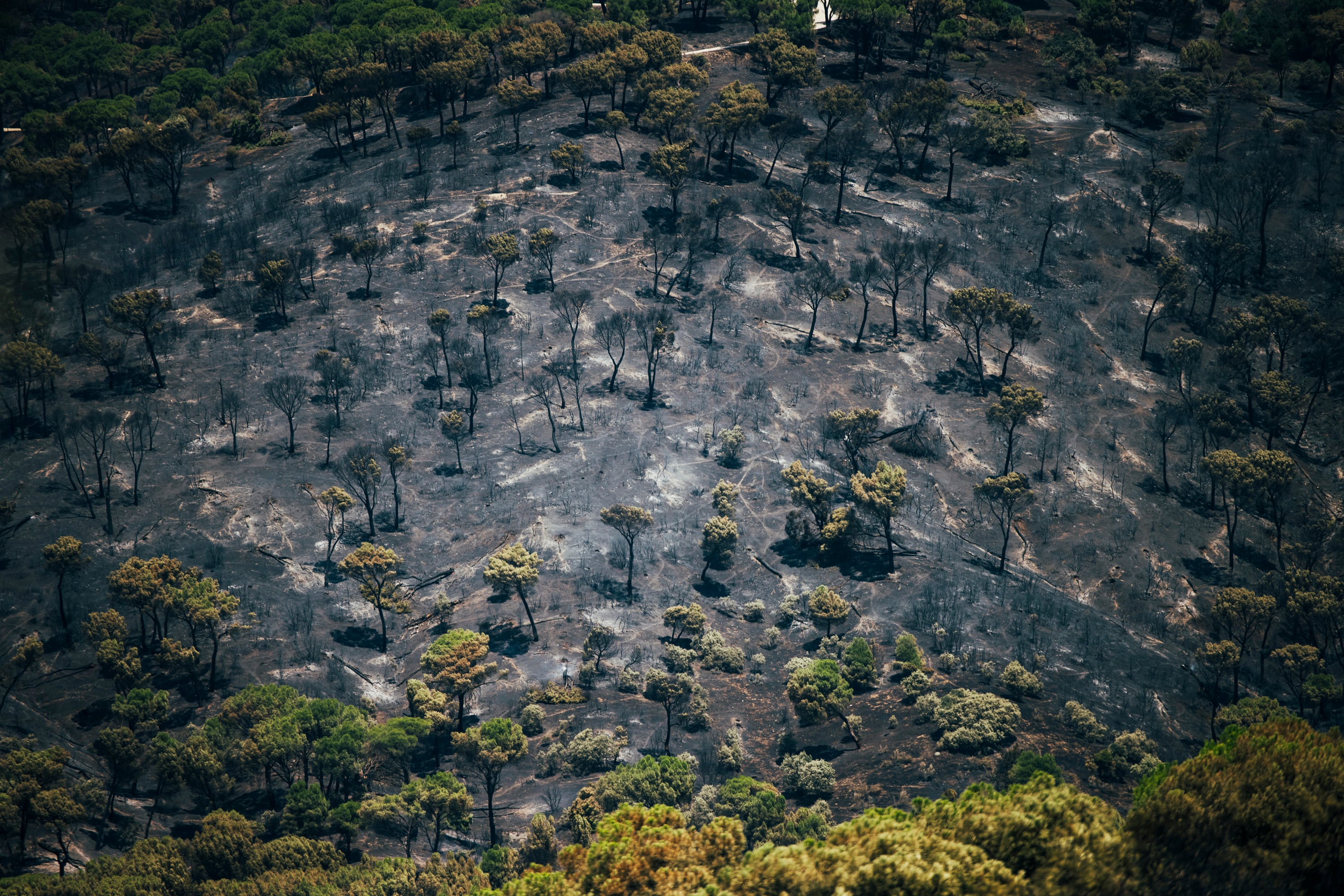
The cocktail behind the wildfires ravaging Spain: Unprecedented heat waves and a changing relationship with the countryside Experts warn that large wildfires are the new reality and the only way to combat them is to adapt and manage the land
elpais · about 2 months ago
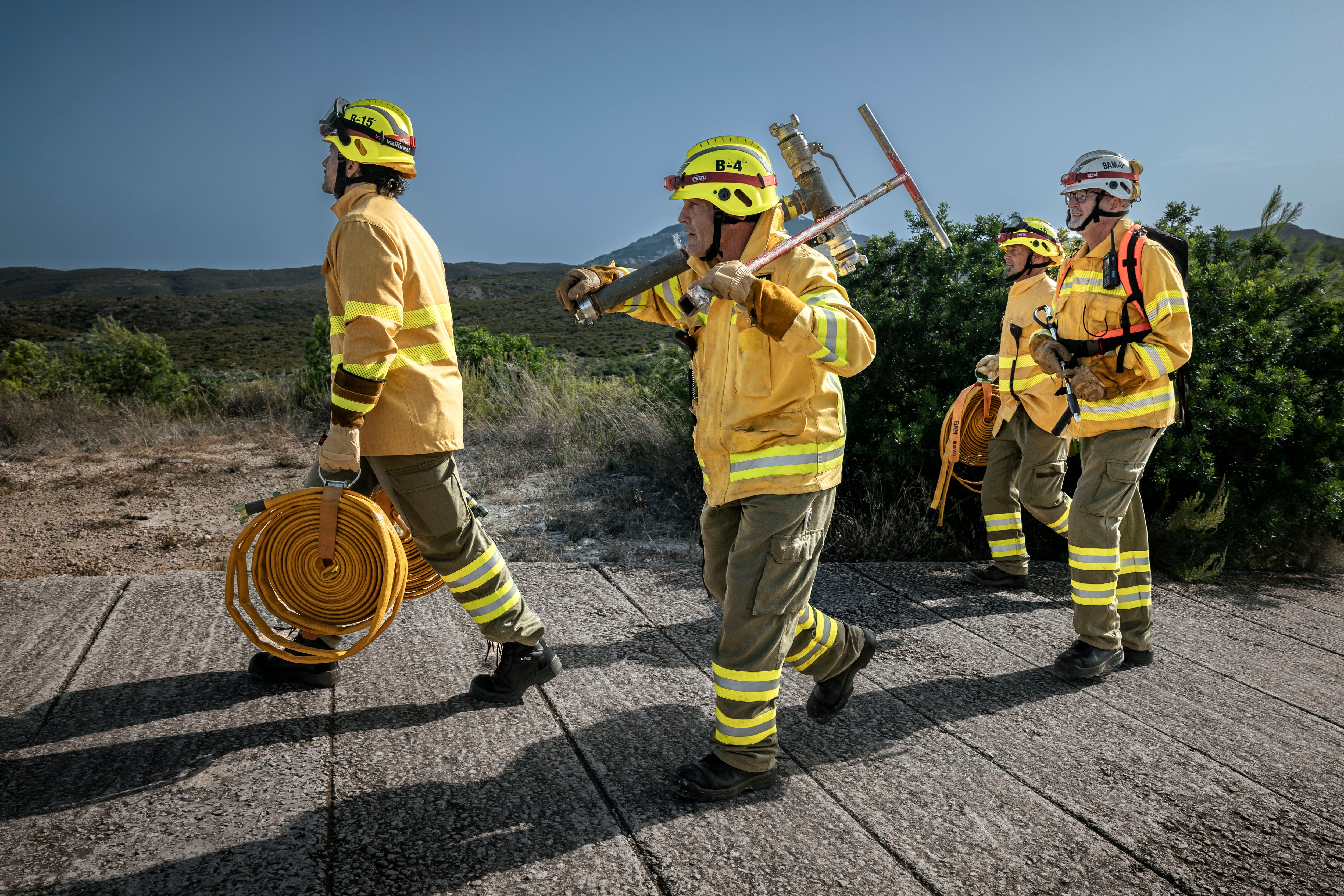
A 9/11 firefighter in the Mediterranean: The volunteer brigade on the front line of Spains wildfires A major fire in 2016 left a lasting impact on the Alicante municipality of Jávea, which developed a prevention plan and relies on trained personnel to respond from the very first minute
elpais · about 2 months ago

Summer of Heat, Fires and Storms Is a Reckoning for Europe on Climate The continent is experiencing some of its biggest fires and highest temperatures ever. Residents are fleeing, leaders are struggling to respond and it will get worse, one climate expert said.
new york times · about 2 months ago

Wildfires Slow in France and Spain, but Worse May Be Ahead Firefighters have contained vast wildfires in both countries, but winds are high and temperatures rising. Spains prime minister said the next 12 hours would be decisive.
new york times · about 2 months ago

🇪🇸 🇫🇷 Thousands of Spaniards evacuated from the path of huge wildfires were returning home on Wednesday while in France firefighters braced for worsening conditions in their own battle with raging flames. ➡️ u.afp.com/Srz6
bluesky_AFP English · about 2 months ago

🌍 EXPLAINED: How is Europe adapting to extreme heat? Its only July, but already much of Europe have been through several major heatwaves. Climate change is contributing to the extreme weather, but why is Europe in particular so badly affected? ▶️ u.afp.com/Srzb
bluesky_AFP English · about 2 months ago
Who started the fire? Inside Europes arson intelligence gap Europe has built advanced systems to detect wildfires and coordinate emergency response. Still, there is no common picture of who starts deliberate fires or why, as arson remains a fragmented national matter.
euronews · about 2 months ago
Evacuees return in Spain and French wildfires stabilise, though heatwave keeps authorities on alert The wildfires that swept across Spain and France are among the largest the two countries have experienced in recent history.
euronews · about 2 months ago
EU coordinates wildfire aid for France and Spain amid warnings heatwave could spread Brussels is managing resource reallocations across 37 participating nations, deploying planes, helicopters, and ground units to France and Spain. Officials warn that intensifying heatwaves could soon spread major blazes into Italy, Greece, and Portugal.
euronews · about 2 months ago
Red alert issued for forest fire risk on Thursday The forestry department warned that the risk of forest fires will reach Red Alert level on Thursday, urging the public to exercise extreme caution to prevent fires. The department appealed to people to be particularly careful during outdoor activities and to avoid any actions that could ignite a blaze. Anyone who sees smoke or fire […]
cyprus mail · about 2 months ago
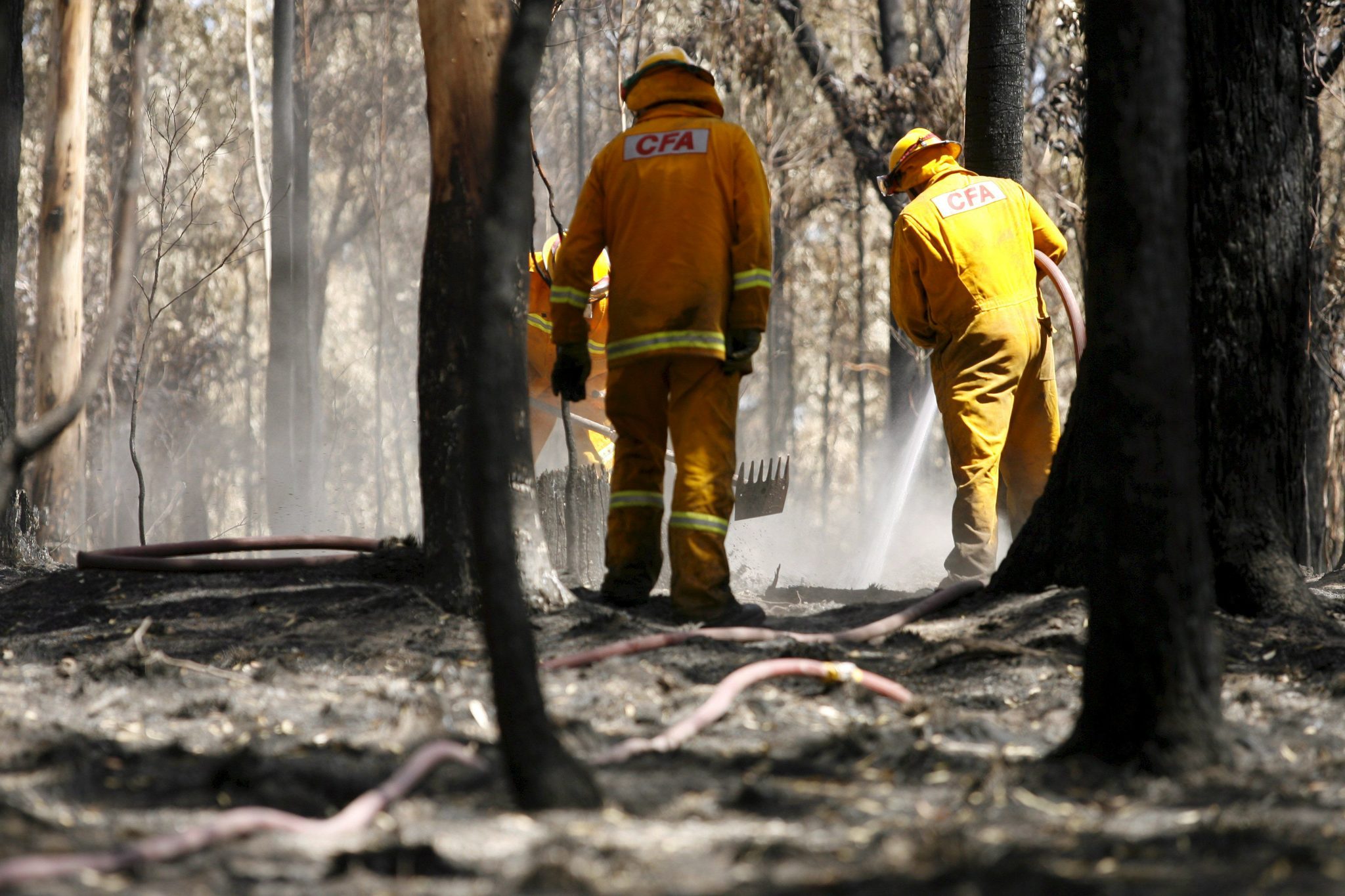
Australia replantea su estrategia contra los incendios forestales después del Verano Negro Un país propenso a los incendios depende de alertas tempranas y mejores datos para anticiparse a incendios cada vez más destructivos. Leer
expansion · about 2 months ago

Wildfires ease in France and Spain as heat wave approaches Wildfires across France and Spain have shown signs of slowing after destroying thousands of hectares and forcing evacuations. Authorities reported improved conditions in several areas, but firefighters remain deployed as both countries prepare for another period of extreme heat that could increase the risk of new blazes.
yenisafak · about 2 months ago