
Spain braces for tourism surge as total solar eclipse draws nearly 500,000 visitors
Story Timeline
9 days · 6 summary articles
Spain is bracing for an influx of nearly 500,000 additional visitors this week as the country prepares for a total solar eclipse on Aug. 12, the first visible from the Iberian Peninsula since 1912. The phenomenon will be most visible in northern and central regions, including Galicia, Asturias, Cantabria, Castilla y León, La Rioja, País Vasco, Navarra, Aragón, Madrid, Castilla-La Mancha, Cataluña, Valencia, and the Balearic Islands, where the moon will fully obscure the sun for up to 1 minute and 48 seconds .
Authorities have warned of heightened wildfire risks due to the surge in tourists, particularly in Valencia, where the government declared a maximum pre-alert level for fires . Spain’s Directorate-General for Traffic (DGT) also cautioned drivers to exit roadways and park only in designated areas, anticipating 1.5 million additional trips during the eclipse .
The eclipse is expected to generate €350 million in additional tourism spending, with accommodation searches up 500% in some areas, particularly Soria and León . Prices for rooftop and terrace viewings in prime locations have surged to between €750 and €1,800 .
Astronomers emphasize the rarity of the event. Valentín Martínez Pillet, director of the Instituto de Astrofísica de Canarias, said the difference between a partial and total eclipse is profound: “To see the corona, it has to be 100%” . Researchers across Spain will conduct experiments during the eclipse, studying the solar corona, animal behavior, and human physiological responses .
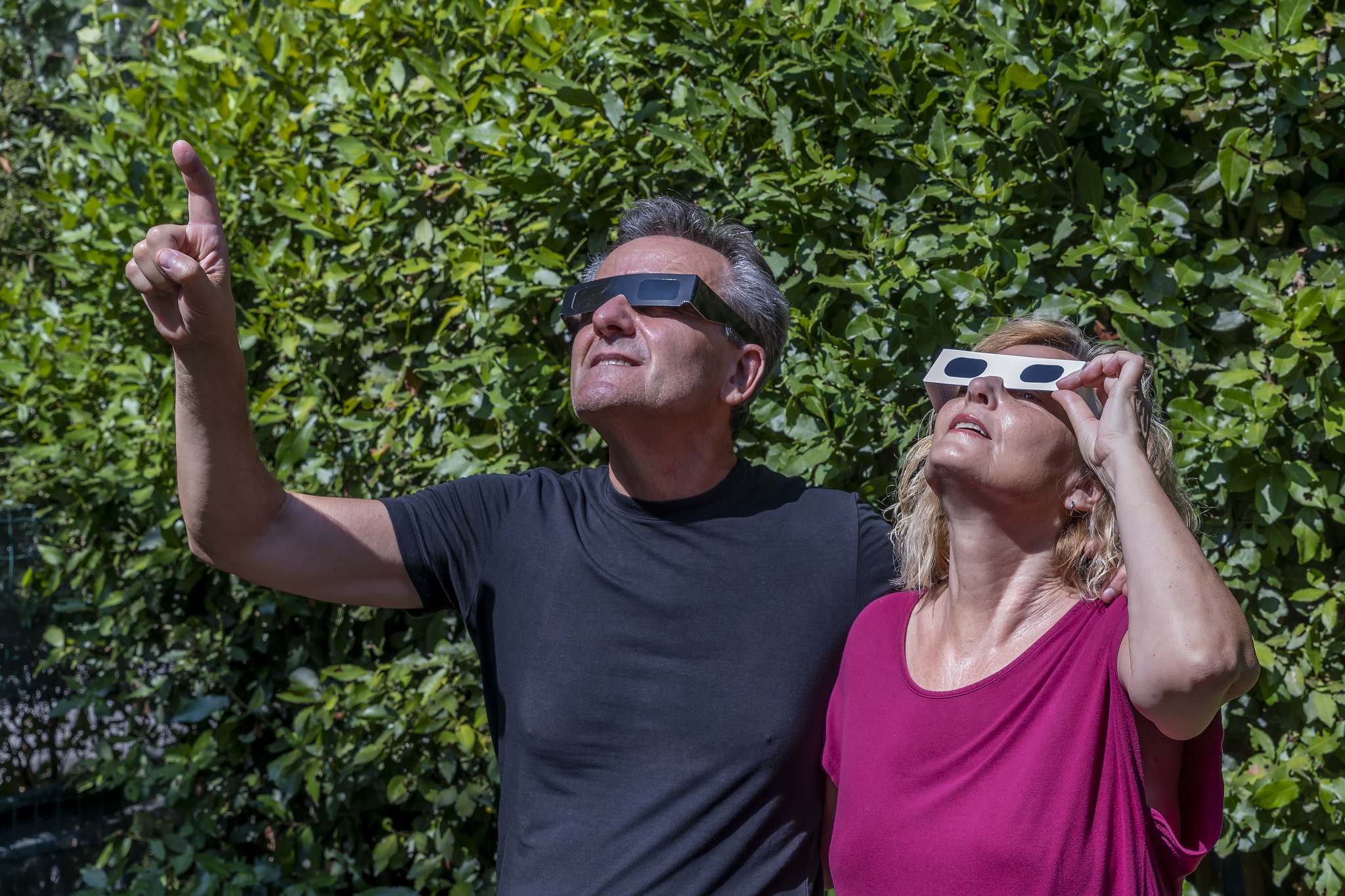
Safety warnings have been issued across Europe. Authorities stress the need for ISO 12312-2 certified eclipse glasses, as standard sunglasses or improvised filters cannot prevent severe eye damage . In Iceland, where the eclipse will also be total, up to 20,000 overseas visitors are expected, with hotels booked years in advance .
The path of totality will also pass over Greenland and a small part of northeastern Portugal, while much of Europe, including Lithuania, Romania, and Sweden, will experience a partial eclipse . In France, the event fulfills a prediction made by astronomer Camille Flammarion in 1880, who calculated that a total eclipse would return to the country in 2026 .
Follow us for live European news
- 4
- 3
- 2
- 2
- 1
- 1
- 1
- 1
- 1
- 1
- 1
- 1
1 further source not geolocated
Articles

Gefühlsblindheit: Jeder zehnte Mensch betroffen [premium] Das Phänomen der Gefühlsblindheit ist weit verbreitet, aber kaum bekannt. Für Betroffene und ihr Umfeld kann Alexithymie sehr belastend sein, wenngleich es sich dabei um keine Krankheit handelt. Was es über dieses Persönlichkeitsmerkmal zu wissen gibt – und was Betroffene tun können.
die presse · about 2 hours ago
En 1880, léclipse du 12 août était déjà à lagenda de lastronome Camille Flammarion Il y a près de deux siècles, le scientifique expliquait quil faudrait attendre 2026 pour revoir une éclipse totale en France. Alors que le Soleil seffacera derrière lombre de la Lune mercredi, cest ce futur que nous incarnons, relève la chercheuse Elsa Courant.
liberation · about 2 hours ago
Reiseboom zur totalen Sonnenfinsternis Spanien ist der touristische Hotspot des Naturereignisses, es werden auch Eclipse-Kreuzfahrten und Flüge in die Sonnenfinsternis angeboten
der standard · about 2 hours ago

"Cela devait être une expérience particulièrement terrifiante. On croyait autrefois quun dragon cosmique dévorait le Soleil" Les scientifiques profiteront de léclipse, phénomène dont le fonctionnement est désormais parfaitement connu, pour étudier notre étoile. ...
la libre · about 3 hours ago

LEspagne pour une soirée au centre du monde : elle doit accueillir des centaines de milliers de chasseurs déclipse LEspagne se prépare depuis un an à accueillir des centaines de milliers de touristes attirés par léclipse totale. Un défi logistique mais aussi une manne touristique. ...
la libre · about 3 hours ago
Terug naar 1999: zo beleefde Nederland de zonsverduistering Woensdagavond kunnen we in Nederland en ook in andere Europese landen een flinke gedeeltelijke zonsverduistering meemaken. De laatste keer dat het zo goed te zien was, was in 1999. RTL Nieuws deed toen live verslag, kijk hier hoe het er toen aan toe ging. "Het is hier helemaal hartstikke donker geworden."
rtl nieuws · about 3 hours ago
Il mondo rapito dalleclissi, lo spettacolo del cielo che ci fa tornare bambini Domani sera levento astronomico che in Italia sarà visibile parzialmente. Un fenomeno che da sempre affascina lumanità
corriere · about 3 hours ago
Perseidele 2026: Noaptea în care „ploaia de stele atinge intensitatea maximă. De unde se vede cel mai bine în România În noaptea de 12 spre 13 august 2026, curentul de meteori Perseide va ajunge la maximul de activitate, oferind unul dintre cele mai spectaculoase fenomene astronomice ale verii. Evenimentul este produs de particulele de praf și fragmentele lăsate în urmă de cometa 109P/Swift-Tuttle.
digi24 · about 3 hours ago
Eclipsa de Soare 2026: Cum poate fi urmărit fenomenul fără instrumente astronomice. Metode recomandate pentru protejarea ochilor Eclipsa de Soare din 12 august 2026 va putea fi urmărit și din anumite zone ale României. Observarea fenomenului necesită însă măsuri speciale de protecție, deoarece privirea directă către discul solar, chiar și atunci când acesta este acoperit parțial de Lună, poate provoca leziuni grave ale ochilor.
digi24 · about 3 hours ago
Turiștii care merg în Spania pentru eclipsa de Soare ar putea declanșa noi incendii „devastatoare. Măsuri anunțate de autorități Autoritățile din Spania se tem de izbucnirea unor noi incendii, în condițiile în care sute de mii de oameni se îndreaptă spre dealuri și plaje pentru a vedea mai bine eclipsa totală de Soare de miercuri.
digi24 · about 3 hours ago
Hotel prices in Europe surge ahead of historic eclipse Tourists rush to Iceland and Spain to glimpse the first solar alignment of its kind visible from the continent this century
financial times · about 3 hours ago
Dubbla himlafenomen väntar – då blir solen mörk Först en partiell solförmörkelse – sedan ett meteorregn.Det kan löna sig att hålla koll på himlen under onsdagen, även från Sverige.– Det är bästa chansen före 2039, säger Robert Cumming, astronom vid Chalmers tekniska högskola.
svenska dagbladet · about 4 hours ago
Så ser du solförmörkelsen utan att skada ögonen Att titta rakt in i solen kan leda till svåra skador på näthinnan – även när det är solförmörkelse. Ögonläkaren Gauti Jóhannesson reder ut hur du blickar mot skyn utan att riskera synen.
svenska dagbladet · about 4 hours ago
:format(jpg)/f.elconfidencial.com%2Foriginal%2F179%2F3e7%2F73a%2F1793e773a12060876a857c8468ac2e78.jpg)
La DGT advierte a los conductores sobre el eclipse: "Es necesario abandonar las vías de circulación y estacionar solo en puntos habilitados" La coincidencia del fenómeno astronómico con las vacaciones de agosto podría disparar la movilidad en algunas carreteras españolas, con hasta 1,5 millones de desplazamientos adicionales
el confidencial · about 4 hours ago
Wer borgt mir seine Sonnenfinsternis-Brille? [premium] Mittwochabend kann man auch in Österreich die partielle Sonnenfinsternis erleben. Wenn man nur die geeignete Sonnenfinsternis-Brille hätte.
die presse · about 4 hours ago
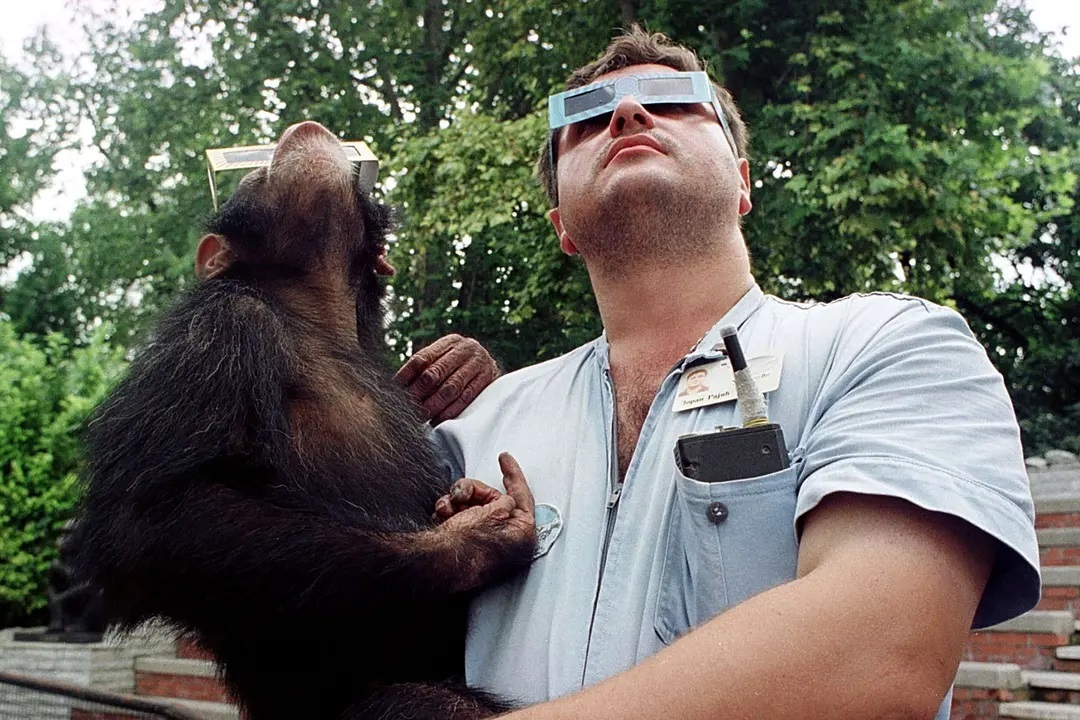
El eclipse total de Sol convierte a España en un gran laboratorio: estos son los experimentos que se harán el 12 de agosto Una red de investigadores se reparte por España para estudiar la corona solar, el comportamiento de los animales y la reacción del organismo humano durante el fenómeno astronómico Leer
elmundo · about 4 hours ago
La fiebre por el eclipse de Sol se propaga por España: "La gente que tenga ocasión de verlo lo a recordar siempre" Nuestro país encara el histórico 12 de agosto con un riesgo extremo de incendios y una meteorología favorable para su disfrute en la mayor parte del país. Interior activó ayer un Puesto de Mando para coordinar los dispositivos de seguridad ante los desplazamientos masivos de turistas y residentes Leer
elmundo · about 4 hours ago
NÄDALAPROGNOOS ⟩ Ees on suur energeetiline muutus: ühte raputab, teist vaimustab Sellised on planetaarsed ühismõjud, mis saadavad meid kuupäevadel 10. – 16. august 2026. Loe lähemalt, mida nädal toob.
postimees · about 4 hours ago

Después de la tormenta sale el sol Hacía días que no veíamos charcos, casi 60 litros de golpe cayeron en Manlleu. Luego salió el sol y un arcoíris
la vanguardia · about 4 hours ago
Naturspektakel: Partielle Sonnenfinsternis: So schützen Sie Ihre Augen Dass der Mond den Großteil der Sonne verdeckt, passiert nicht alle Tage. Wer die Sonnenfinsternis am 12. August anschauen will, braucht dafür Spezialschutz. Ohne drohen Augenschäden.
handelsblatt · about 4 hours ago
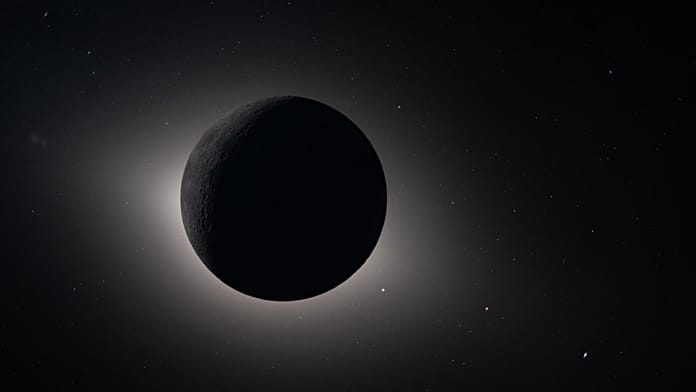
A once-in-a-lifetime spectacle: Iceland prepares for total solar eclipse Iceland is preparing for a rare total solar eclipse on 12 August, with thousands of visitors expected to head to the countrys western regions.
euronews · about 4 hours ago
Sonnenfinsternis und Perseiden: Gute Chancen auf klaren Himmel zur Sonnenfinsternis Ein wenig Schleierbewölkung kann es geben, ein paar Quellwölkchen lösen sich zum Abend hin auf - gute Chancen auf klare Sicht für Schaulustige der Sonnenfinsternis und der Perseiden.
tagesspiegel · about 4 hours ago
12. August: Warum Sonnenbrille bei der Sonnenfinsternis nicht ausreicht
die zeit · about 5 hours ago
12. August: Naturphänomen im Norden - Wichtiges zur Sonnenfinsternis
die zeit · about 5 hours ago

La IA, ¿amable o taimada? ¿Existen civilizaciones hoy que hagan una lectura espiritual del eclipse de sol?, preguntamos a la IA
la vanguardia · about 5 hours ago
Himmelsschauspiel: Gutes Wetter bei Sonnenfinsternis und Sternschnuppen Klare Sicht auf das Himmelsereignis: In Deutschland erwartet der Wetterdienst meist wolkenfreien Himmel zur Sonnenfinsternis und zu den Perseiden.
tagesspiegel · about 5 hours ago
11 august: Ziua în care începe Calendarul lung mesoamerican. Cum a apărut ideea că „mayașii au prezis sfârșitul lumii Data de 11 august este considerată începutul Calendarului lung mesoamerican, sistemul de cronologie folosit de mayași. Tot într-o zi de 11 august, în 1999, a avut loc ultima eclipsă totală de Soare, vizibilă şi în România.
adevarul · about 6 hours ago
2026 solar eclipse: The ultimate US guide and livestreams
gdeltproject.org · about 7 hours ago
Eclipse: terrazas y áticos por entre 750 y 1.800 euros El fenómeno dispara el turismo en España, que recibe esta semana casi medio millón más de visitantes. Leer
expansion · about 7 hours ago
El eclipse solar aportará 350 millones extra al gasto turístico El fenómeno dispara el turismo en España, que recibe esta semana casi medio millón más de visitantes. Las búsquedas de alojamiento crecen hasta un 500, con Soria y León a la cabeza. Leer
expansion · about 7 hours ago