Global fossil fuel carbon emissions are projected to fall 0.4 percent in 2026, reversing years of steady growth, though analysts attribute the decline largely to the war in Iran rather than lasting climate progress.
The estimate comes from the Global Carbon Project, a collaboration of more than 140 researchers whose annual Global Carbon Budget report was published on Tuesday. Fossil fuel combustion is expected to release 38.2 billion tonnes of carbon dioxide this year. The decline breaks a trend from 2019 to 2025, when emissions rose by an average of 0.8 percent annually, and follows a 1.2 percent increase in 2025.
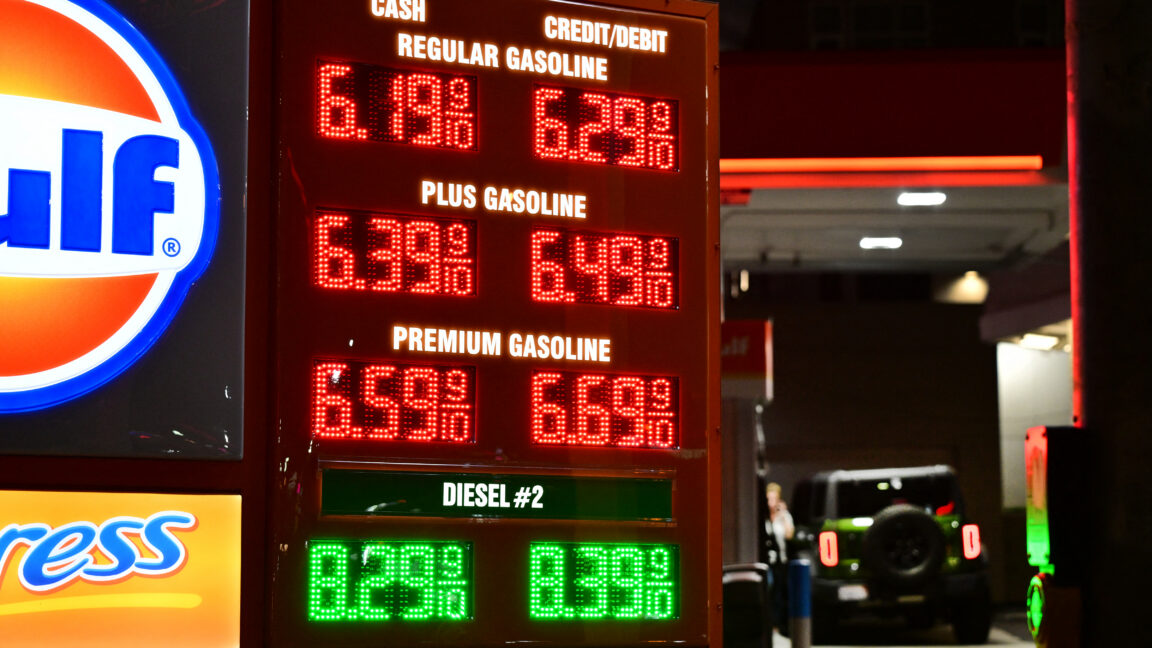
The drop reflects a 1.9 percent fall in oil emissions, a 0.3 percent decline in natural gas use, and a 0.6 percent rise in coal emissions. Researchers led by Corinne Le Quéré of the University of East Anglia say the war in Iran and its effect on oil prices drove the short-term dip. Renewable energy and electric vehicles now cover two-thirds of new global energy demand, but their growth is not yet fast enough to ensure a permanent decline.
59 countries have cut emissions compared with 2019 while maintaining economic growth. The United States, which accounts for 13 percent of global emissions, is expected to see coal production fall 1.3 percent. China, the world's largest emitter, is projected to reduce emissions by 0.9 percent this year.
Robbie Andrew, an author of the Global Carbon Budget report, said the decline might be only a temporary deviation, adding that if no other crises occur, emissions can be expected to rise again. The two largest previous drops this century came in 2009, when emissions fell nearly 2 percent after the financial crisis, and in 2020, when the Covid pandemic caused a roughly 6 percent decline. Atmospheric carbon dioxide concentration has reached 427.7 parts per million, while deforestation adds another 500 million tonnes of emissions.