UN climate negotiators convene Monday in Antalya, Türkiye, for the COP31 summit facing deep divisions over emissions cuts and adaptation finance.
The 12-day summit, running from 9 to 20 November, brings together tens of thousands of delegates to the Mediterranean city. The United States will again be absent after President Donald Trump withdrew the country from global climate negotiations. The talks take place against a backdrop of energy security concerns and the Iran war, which has driven up gas and oil prices. Turkish Environment and Climate Change Minister Murat Kurum, who will preside over the talks, has said he wants COP31 to focus on turning climate commitments into action rather than setting new targets.
The talks open against a stark warning from the UN Environment Programme. Its Adaptation Gap Report, released on 4 November, found that developing countries will need roughly US$305 billion annually by 2035 to build resilience to climate impacts. Even meeting the COP30 goal of tripling international public adaptation finance would cover only 20 to 29 per cent of estimated needs. "The world is not ready to adapt to current climatic conditions, never mind what overshoot of 1.5°C will bring," said UNEP executive director Inger Andersen.
Brazil has proposed a voluntary "TAFF Mutirão" roadmap for transitioning away from fossil fuels that environmentalists say could help supportive countries build a stronger coalition despite resistance to phase-out commitments. The non-prescriptive document, developed after last year's summit in Belém, aims to accelerate coordinated action through 2033. "Collaboration, working together, showing solidarity will make our claims, our demands, priorities, and expectations more powerful," said Emel Türker Alpay, a climate and energy campaigner at Greenpeace Türkiye. The United States, Canada, Australia and Norway have expanded oil and gas production nearly 40 per cent since 2015, while Saudi Arabia, Qatar and the UAE resist phase-out language.
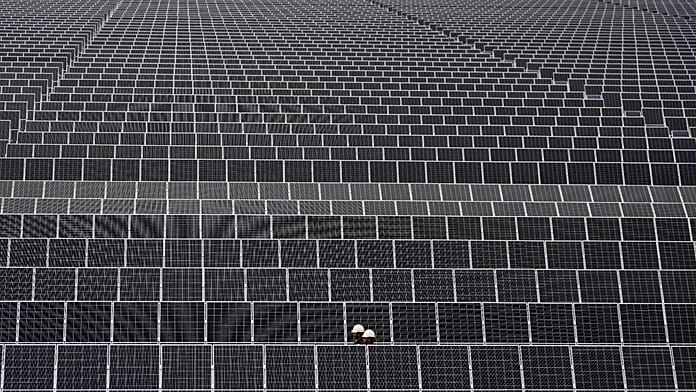
Türkiye itself faces criticism for its climate policies, as coal still accounted for 33 per cent of its electricity generation last year despite the host country showcasing one of Europe's largest solar farms in Konya. The Karapinar plant prevents approximately 1.75 million metric tons of carbon emissions annually. Duygu Kutluay, a campaigner with the Beyond Fossil Fuels advocacy group, said Türkiye lacks a concrete roadmap for phasing out coal, oil and gas. She called this gap incompatible with the country's pledge to reach net-zero emissions by 2053.
The UN Environment Programme has warned that global temperatures could rise 2.8 degrees Celsius by the end of the century if governments do not act more decisively.