
Iran fires missiles and drones at US bases in Bahrain and Kuwait

Story Timeline
3 months · 9 summary articles
Iran launched missile and drone strikes on Sunday against US military installations in Bahrain and Kuwait, escalating the worst crisis between Washington and Tehran since their fragile mid-June ceasefire. The Iranian Revolutionary Guard said the attacks targeted the Ali Al Salem Air Base in Kuwait and the US Navy’s Fifth Fleet headquarters in Bahrain, in retaliation for American airstrikes on ten Iranian sites along the Strait of Hormuz and on Qeshm Island. The strikes came hours after US Central Command confirmed it had hit Iranian surveillance, communications, air-defense, drone-storage and minelaying facilities in a second consecutive night of operations ordered by President Donald Trump.
Bahrain confirmed explosions and air-raid sirens, reporting damage to a civilian building, while Kuwait said its air defences intercepted several incoming projectiles. Iran’s state media claimed the strikes had “destroyed” US targets and warned that any further American action would trigger an “overwhelming response.” The Revolutionary Guard added it would consider halting peace negotiations entirely if Washington continued its attacks, deepening fears that the interim deal signed on 17 June is collapsing.
Trump, writing on Truth Social, accused Iran of a “foolish violation” of the ceasefire after a drone struck the Liberian-flagged tanker Kiku in the Strait of Hormuz on Saturday. US aircraft then struck ten Iranian military sites, including radar and missile-storage facilities, CENTCOM said. Trump warned that “it could come to a point where we can no longer be reasonable” and threatened that “the Islamic Republic of Iran will no longer exist” if full-scale war resumes. The White House has yet to comment on Iran’s demand to abandon talks.
Gulf states condemned the Iranian strikes. Bahrain’s foreign ministry called them a “blatant threat to the security of citizens and residents,” while Kuwait’s defence ministry said it had intercepted ballistic missiles and drones. The US-backed maritime security corridor through the Strait of Hormuz, expanded on Saturday to allow two-way traffic, has become a new flashpoint; Iran insists the waterway falls under its jurisdiction and has threatened to levy transit fees. The Organisation Maritime International suspended a vessel-evacuation initiative on Friday, citing continued attacks.
With both sides trading accusations of ceasefire violations, diplomats in Manama and Washington are scrambling to salvage the 60-day framework agreement that also aims to end fighting in Lebanon between Israel and Hezbollah. The latest exchanges mark the most serious deterioration since the interim deal took effect, raising the prospect of a wider regional conflict.
Follow us for live European news
- 4
- 2
- 2
- 2
- 1
- 1
- 1
- 1
- 1
- 1
- 1
2 further sources not geolocated
Articles

SUA au atacat Iranul pentru a doua noapte la rând. Donald Trump: „Republica Islamică Iran nu va mai exista Statele Unite au lansat pentru a doua noapte consecutiv atacuri asupra unor ținte militare din Iran, pe fondul unei noi escaladări în Strâmtoarea Ormuz, după ce o navă comercială a fost lovită în zonă. Comandamentul Central al SUA (CENTCOM) a anunțat că a lovit mai multe obiective militare iraniene, susținând că operațiunea este un răspuns la atacurile asupra transportului comercial din regiune.
digi24 · 2 months ago
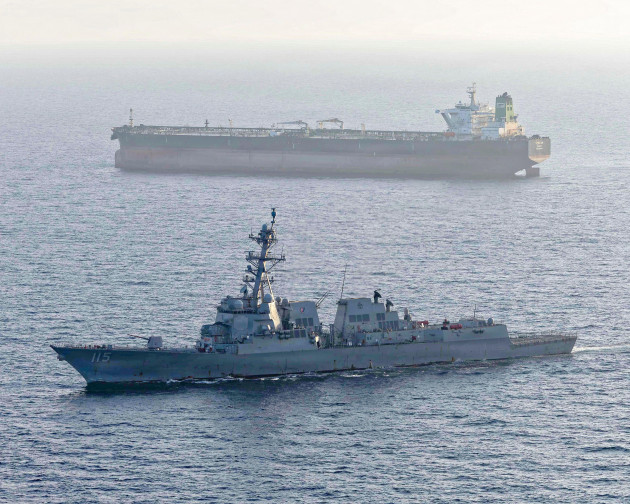
Iran strikes US bases in Kuwait and Bahrain as Trump threatens to militarily complete the job Trump said that Iran would no longer exist if the United States is forced to resume the war.
thejournal · 2 months ago
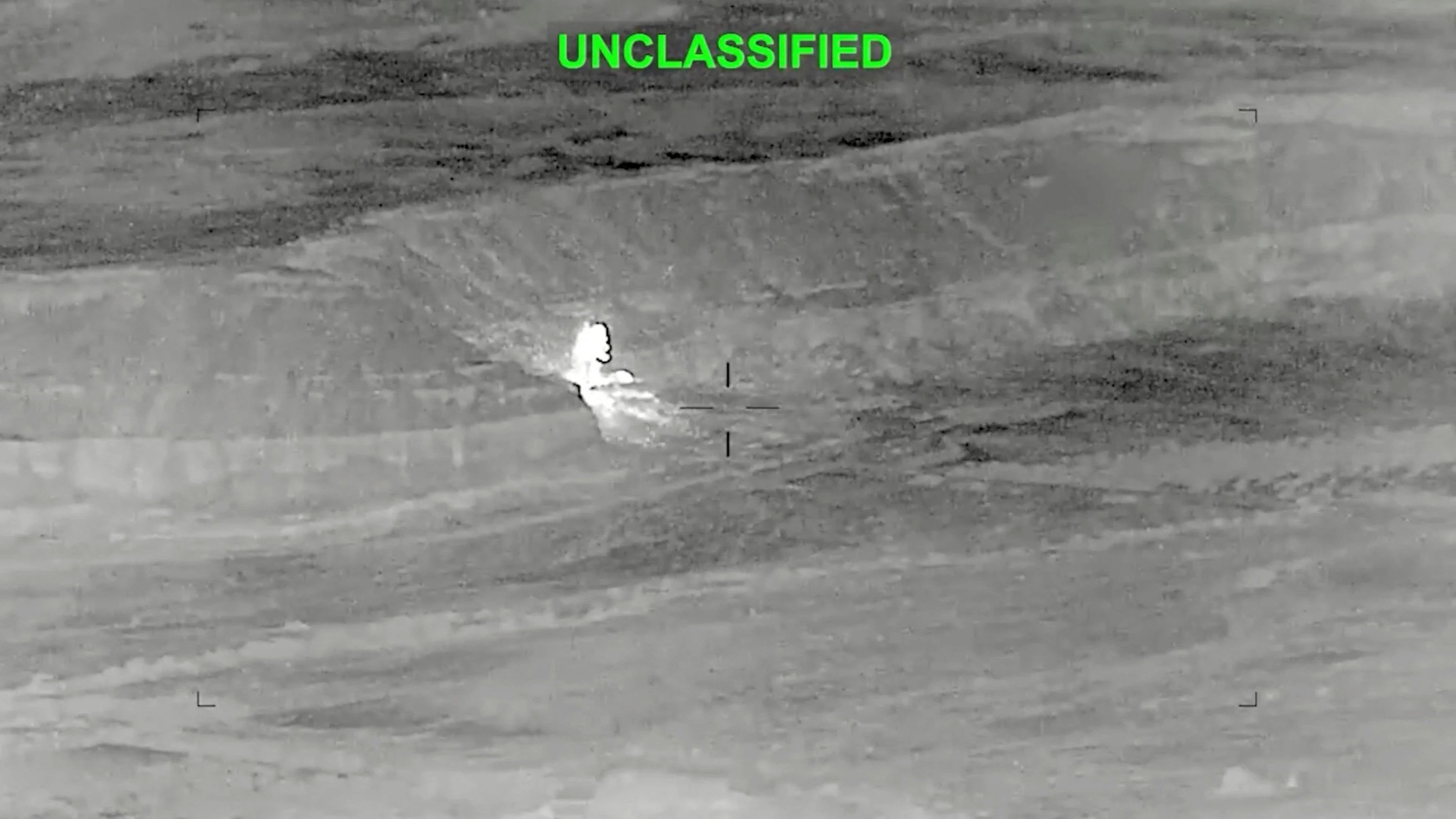
Irankrieg: USA und Iran setzen gegenseitige Angriffe fort Die USA und der Iran haben ihre gegenseitigen Angriffe fortgesetzt und sich zudem den Bruch eines vorläufigen Waffenstillstands vorgeworfen. US-Präsident Trump drohte dem Iran auf seiner Plattform Truth Social mit der Vernichtung.
faz · 2 months ago
US trying to find its way out of MoU with Iran Bahrain and Kuwait have condemned Irans retaliatory attacks after a second day of US strikes on Iran.
aljazeera · 2 months ago
Lage zwischen USA und Iran bleibt angespannt Die USA und der Iran haben trotz der geltenden Waffenruhe erneut Angriffe gegeneinander geführt. Das US-Militär erklärte, es habe in der Nacht zum Sonntag zum zweiten Mal binnen zwei Tagen Ziele im Iran angegriffen. Anschließend wurden die Golfstaaten Kuwait und Bahrain attackiert, die iranische Revolutionsgarde reklamierte die Angriffe für sich.
orf.at · 2 months ago
+++ Nachrichten im Nahostkrieg +++: Iran greift Bahrain und Kuwait an Die USA und der Iran setzen ihre Angriffe fort und werfen sich gegenseitig den Bruch des vorläufigen Waffenstillstands vor. Trump droht mit Vernichtung. mehr...
taz.de · 2 months ago
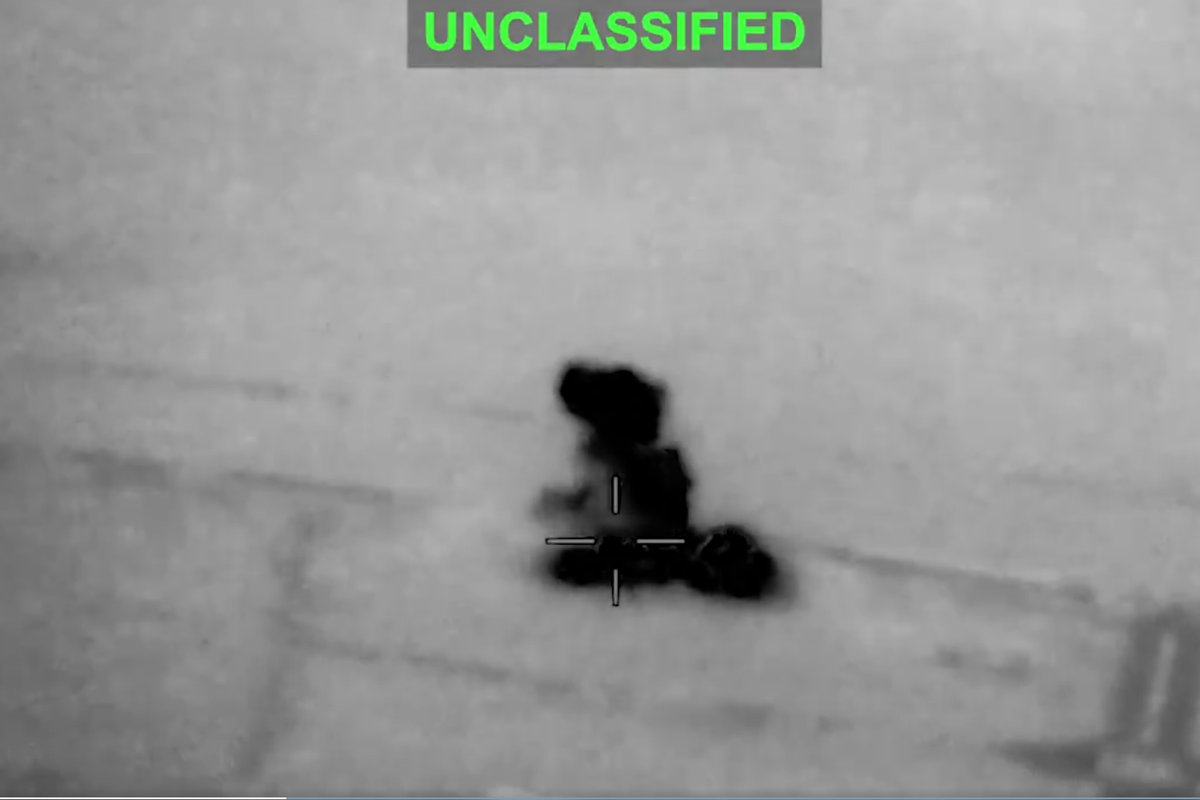
Iran-US war live: Trump warns Iran will no longer exist as Tehran strikes US bases in Bahrain and Kuwait Iran strikes US bases in Bahrain and Kuwait in retaliation against US attack on Sirik
independent · 2 months ago
Kuwait, Bahrain confirm Iranian strikes as building damaged Kuwait and Bahrain have confirmed they were targeted by Iranian missiles and drones, with a building damaged in Bahrain, after Iran struck US bases in the two Gulf states in retaliation for US strikes on Iranian territory.
intellinews · 2 months ago
Trump slams Iran drone strikes as foolish ceasefire breach US President Donald Trump on Friday accused Iran of committing a "foolish violation" of the ceasefire agreement by launching drone attacks against vessels in the Strait of Hormuz, claiming American forces intercepted three projectiles but one struck a cargo ship.
yenisafak · 2 months ago
Iraq presses Iran to reopen Strait of Hormuz as crude exports take hit Any interference in the Strait of Hormuz will only delay its reopening, Irans foreign minister Abbas Araghchi says in Baghdad, as Iraq offers to host a regional security summit including Iran and the Gulf states.
intellinews · 2 months ago
US and Iran trade strikes as ceasefire nears collapse over Hormuz Irans IRGC has launched missiles and drones at US bases in Kuwait and Bahrain in retaliation for fresh US strikes on its southern coast, in the most serious breakdown of the ceasefire since the war, with each side accusing the other of violating the
intellinews · 2 months ago
US and Iran trade strikes amid claims of ceasefire violations The US also carried out strikes on Iran on Friday after a drone attack on the M/V Ever Lovely ship. US aircraft targeted Iranian missile and drone storage locations as well as coastal radar sites, CENTCOM said.
euronews · 2 months ago
+++ Iran-Krieg +++: Iran beansprucht alleinige Kontrolle über Straße von Hormus Israel: Haben Hisbollah-Kämpfer im Südlibanon getötet +++ Trump bestätigt US-Angriffe und droht Iran mit Vernichtung +++ US-Insider: Iran greift Bahrain und Kuwait an +++ Der Newsblog.
handelsblatt · 2 months ago
US aircraft strike Iran missile sites after Hormuz ship attack CENTCOM confirmed on Friday that US aircraft struck four targets along the Iranian coast and Qeshm island after a cargo vessel was damaged by a drone attack in the Strait of Hormuz, as President Donald Trump warned Tehran against further "foolish violations" of the ceasefire agreement.
yenisafak · 2 months ago
Bahrain condemns Iranian drone attack as blatant violation Bahrains Foreign Ministry announced Saturday that Iranian drones targeted the Gulf kingdom early in the day in what it called "a blatant violation" of sovereignty and international law, urging the UN Security Council to hold Tehran accountable as Washington confirmed fresh strikes on Iranian military sites.
yenisafak · 2 months ago
Iran, US Trade Blame As Attacks Resume Despite Fragile Truce A fragile truce between Iran and the United States appeared increasingly shaky early on June 28 as both sides accused one another of violating an interim agreement meant to halt months of fighting, amid renewed missile, drone, and air strikes across the Gulf region.
radio free europe · 2 months ago
Iran attacks Kuwait and Bahrain in response to US strikes US-Iran deal under strain as Kuwait and Bahrain condemn Iranian attacks in response to US strikes.
aljazeera · 2 months ago
Iran targets Gulf states in response to US strikes, testing fragile ceasefire Despite a fragile ceasefire, tensions between the United States and Iran remain high, with both sides accusing each other of violating the truce. Tehran says it has carried out a third consecutive day of retaliatory strikes against US military sites in the Middle East, while Washington has warned that any renewed escalation could trigger overwhelming retaliation. President Donald Trump has threatened to "annihilate" Iran if full-scale conflict resumes, and Iranian officials have responded by saying they are prepared to abandon peace negotiations altogether, raising fears that the ceasefire could quickly collapse into a wider war. Charlotte Lam reports.
france24 · 2 months ago
US strikes Iran targets after tanker drone attack: CENTCOM The US militarys Central Command confirmed on Saturday that American forces carried out fresh strikes against Iranian military infrastructure, including surveillance and air defense sites, following an early-morning drone attack on a commercial oil tanker near the strategic Strait of Hormuz.
yenisafak · 2 months ago
Middle East live: Iran targets Gulf states in response to US strikes, testing fragile truce Irans Revolutionary Guard on Sunday launched attacks targeting Bahrain and Kuwait in response to US airstrikes on 10 Iranian sites. The Islamic Republic threatened a complete halt to negotiations to end the war if Washington continues its attacks. Efforts to reopen the Strait of Hormuz without Irans direct oversight sparked the crossfire now gripping the region. Follow our liveblog for the latest updates.
france24 · 2 months ago
Tensiune maximă în Orientul Mijlociu: SUA și Iran s-au atacat din nou. Donald Trump amenință cu reluarea totală a războiului Statele Unite și Iranul s-au atacat din nou duminică, acuzându-se reciproc de încălcarea fragilului armistițiu semnat pe 17 iunie, iar președintele american Donald Trump a amenințat din nou că va relua războiul pentru a distruge Republica Islamică, scrie AFP. Noile ostilități sunt legate de controlul asupra strâmtorii Ormuz, blocată de Iran în timpul războiului declanșat …
hotnews.ro · 2 months ago
Iran-Krieg: Bahrain bestätigt Angriffe Irans
die zeit · 2 months ago
Tanker struck in Hormuz as Iran, U.S. trade attacks in worst escalation since peace deal A tanker reported being struck by a projectile in the Strait of Hormuz on Saturday, Britains maritime security agency said, after the United States and Iran each launched…
japantoday · 2 months ago
Iran war day 121: Iran attacks Bahrain, Kuwait as US strikes near Hormuz US strikes Iran for a second day near Strait of Hormuz as Bahrain sounds sirens and Kuwait activates air defences.
aljazeera · 2 months ago
Iran: Hormuz passage not guaranteed without Tehran coordination Iran has pushed back against the US-GCC call for free, unconditional navigation through the Strait of Hormuz, stating that safe passage cannot be guaranteed under ambiguous arrangements or parallel routes without Tehrans consent. Any credible framework must be based on coordination with Iran under Article 5 of the Islamabad memorandum.
yenisafak · 2 months ago
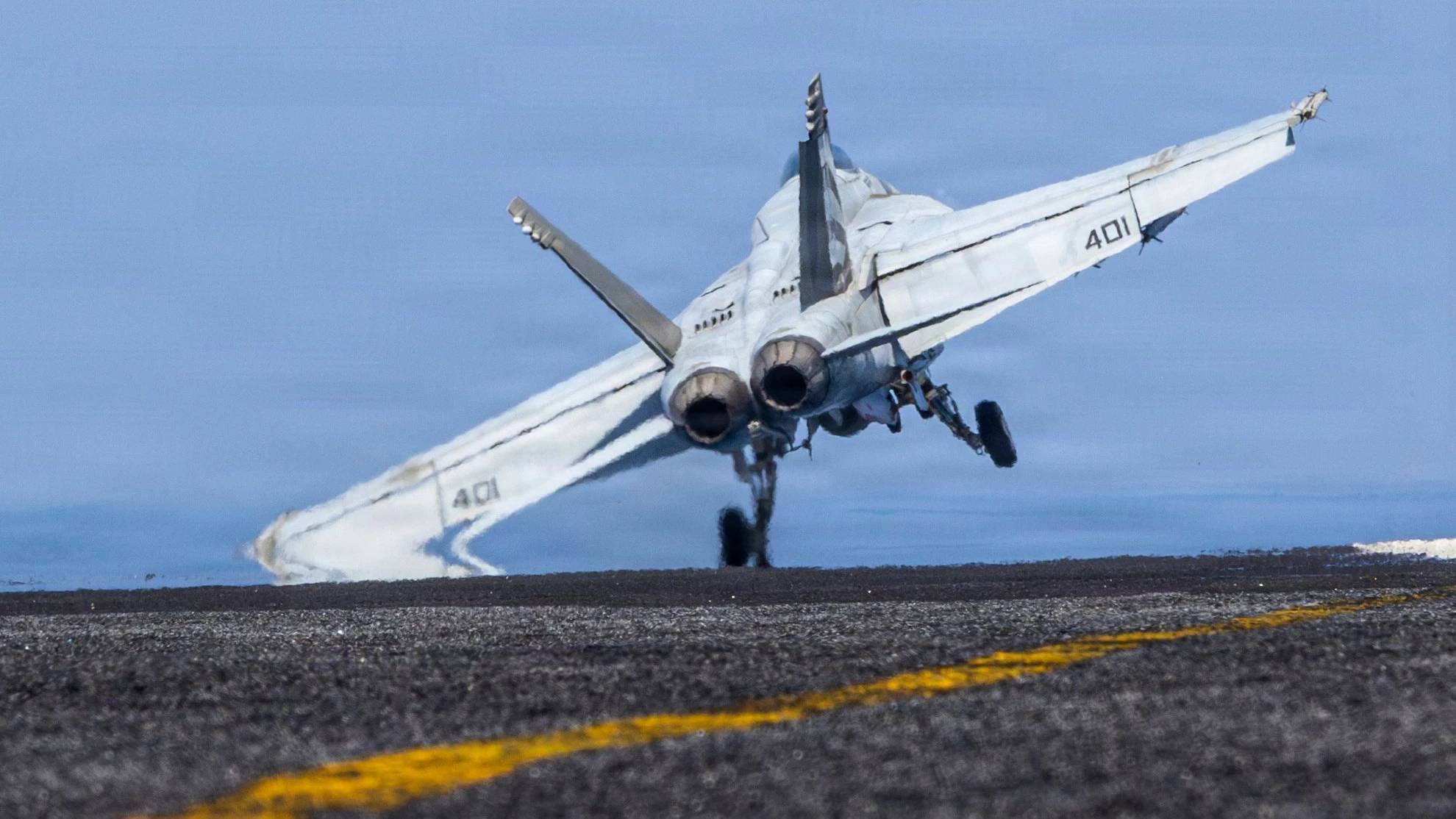
Liveblog Irankrieg: USA und Iran setzen gegenseitige Angriffe fort Trump droht mit Vernichtung +++ Israel: Hizbullah-Kämpfer in Südlibanon getötet +++ Kuwait meldet Raketen- und Drohnenangriffe +++ alle Entwicklungen im Liveblog
faz · 2 months ago
Iran, US continue escalating attacks, recriminations over peace deal Iran and the U.S. continued their attacks in the Gulf as each accused the other of violating an increasingly precarious interim deal signed less than two weeks ago to end their four-month-old war. Shortly after President Donald Trump warned the U.S. might militarily complete the job, Iran early on Sunday launched missiles and drones on […]
in-cyprus · 2 months ago
US and Iran trade strikes as ceasefire falters Truce under pressure as Tehran counters US attacks with strikes on military installations in Bahrain and Kuwait
financial times · 2 months ago
Iran attacks Bahrain and Kuwait following US strikes, threatens to end talks to end the war
news.yahoo.com · 2 months ago
+++ Iran-Krieg +++: Israel: Haben Hisbollah-Kämpfer im Südlibanon getötet Trump bestätigt US-Angriffe und droht Iran mit Vernichtung +++ Bahrain verurteilt iranische Drohnenangriffe auf eigenes Staatsgebiet +++ Iran meldet Angriffe auf US-Standorte +++ Der Newsblog.
handelsblatt · 2 months ago