
U.S. strikes Iranian targets in Strait of Hormuz after Iran attacks Bahrain and Kuwait

Story Timeline
3 months · 8 summary articles
The United States launched fresh airstrikes on Iranian military targets in and around the Strait of Hormuz early on Sunday, hours after Iran retaliated against American strikes by attacking military sites in Bahrain and Kuwait, deepening the worst crisis between the two nations since their interim ceasefire in mid-June.
At President Donald Trump’s direction, U.S. Central Command conducted strikes on 10 Iranian sites, including surveillance infrastructure, communications systems, air defense positions, drone storage facilities, and minelayer capabilities near the Strait of Hormuz and on Qeshm Island, CENTCOM said in a statement. The action followed Iran’s Saturday morning drone strike on the Panama-flagged M/T Kiku tanker, which was carrying more than two million barrels of crude oil through the strategic waterway. Iran’s Revolutionary Guard Corps claimed responsibility for the attack, which came just hours after the U.S. carried out a second round of retaliatory strikes in 24 hours.
Iran responded by firing ballistic missiles and drones at eight U.S. military targets in Bahrain and Kuwait overnight, including the U.S. Navy’s Fifth Fleet headquarters in Bahrain and the Ali Al Salem Air Base in Kuwait, according to regional officials and Iranian state media. Bahrain condemned the strikes as a “blatant violation” of sovereignty and called on the United Nations Security Council to hold Tehran accountable. Iran’s Revolutionary Guard vowed further retaliation, warning that Washington’s continued strikes would force Tehran to abandon all negotiations aimed at ending the conflict.
The escalation threatens to collapse the fragile ceasefire agreement brokered on June 17, which had briefly eased tensions after months of tit-for-tat attacks. CENTCOM accused Iran of deliberately violating the accord, stating, “Iran was given a chance to honor the ceasefire agreement but elected not to.” Trump amplified the warning on social media, declaring that Iran “will no longer exist” if it persists in violating the truce. The U.S. strikes mark the second consecutive day of military action, following Thursday’s initial retaliation for a separate attack on a commercial vessel.
Regional analysts warn that the renewed hostilities risk drawing Gulf states deeper into the conflict, with Kuwait and Bahrain now directly targeted. The latest exchanges come as diplomats prepare for a high-stakes round of talks in Doha on July 2, though both sides have signaled the negotiations may be in jeopardy. The Strait of Hormuz, through which a third of the world’s seaborne oil passes, remains the flashpoint as the crisis enters its most dangerous phase since the peace deal was signed.
Follow us for live European news
- 5
- 1
- 1
- 1
- 1
- 1
- 1
- 1
- 1
- 1
2 further sources not geolocated
Articles

Middle East live: Iran threatens a completely halt in talks with US following exchange of fire Irans Revolutionary Guard threatened to completely halt negotiations with the US to end the war if Washington continued its attacks, while claiming attacks targetting US forces in Bahrain and Kuwait carried out overnight Sunday. The strikes on Bahrain and Kuwait came after the US military claimed attacks on 10 Iranian sites, citing targeted ships in the Strait of Hormuz. Follow our liveblog for the latest updates. 👉 Read more:
telegram bot · 2 months ago
Naher Osten: USA und Iran liefern sich neue Angriffe – Explosionen am Golf Die USA verkünden neue Angriffe auf den Iran – als Vergeltungsschlag für eine iranische Attacke. Der Iran antwortet mit Angriffen auf Ziele in Kuwait und Bahrain. Droht eine neue Eskalation?
handelsblatt · 2 months ago
#Iran #USA President Trump stated that the U.S. will continue its military operations in Iran, emphasizing the need to "finish what we started" in response to ongoing threats from the Iranian regime. Subscribe to @OSINTdefender Chat room
telegram bot · 2 months ago
#Kuwait #Bahrain Iranian ballistic missiles and drones reportedly struck 8 US military targets, including Ali Al Salem Air Base in Kuwait and the US Navys 5th Fleet base in Bahrain. This attack is part of the ongoing conflict involving Iran and its regional adversaries. Subscribe to @OSINTdefender Chat room
telegram bot · 2 months ago
Irankrieg: USA und Iran melden zahlreiche wechselseitige Angriffe Der Iran und die USA werfen einander vor, gegen die Rahmenvereinbarung für ein Kriegsende verstoßen zu haben. Donald Trump droht dem Iran erneut mit Vernichtung.
die zeit · 2 months ago
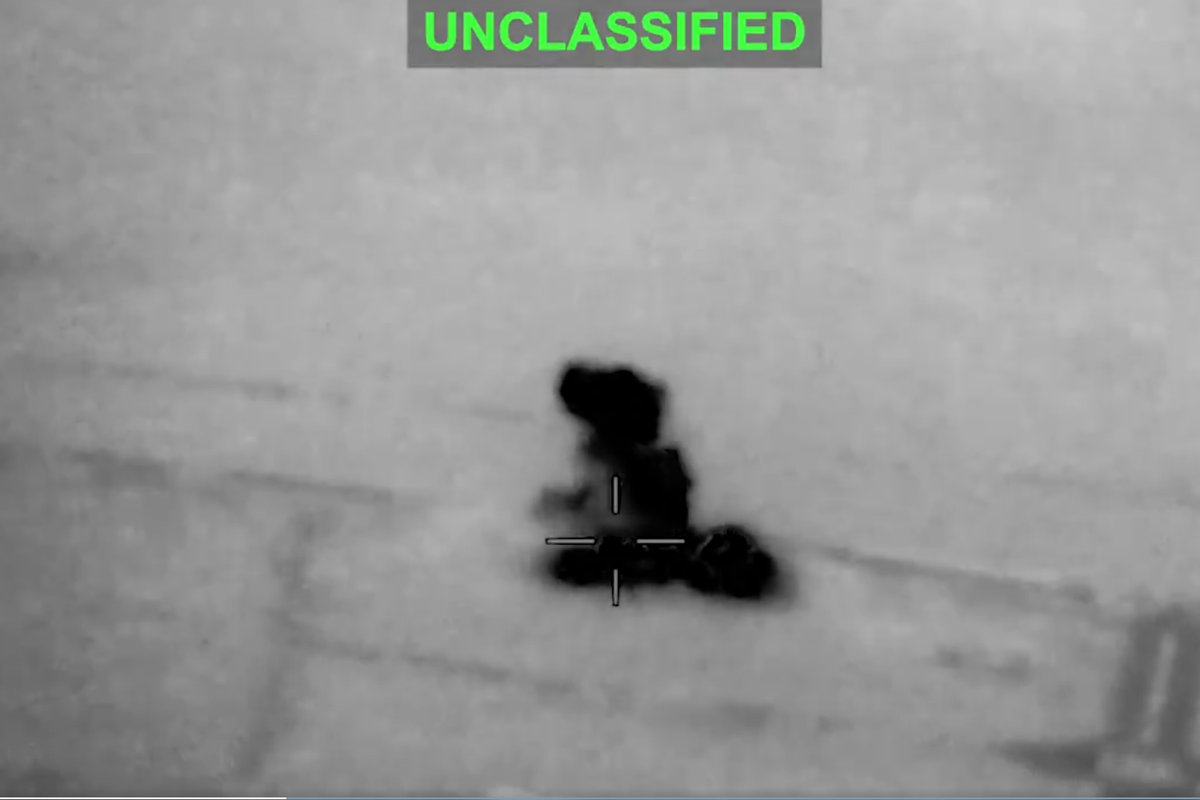
Iran-US war latest: Tehran says blind strikes wont dent Hormuz control after Trump threatens more attacks Iran strikes US bases in Bahrain and Kuwait in retaliation against US attack on Sirik
independent · 2 months ago
Irankrieg: Gegenseitige Angriffe von Iran und USA nehmen wieder zu Der Iran hat US-Einrichtungen in Kuwait und Bahrain beschossen. Zuvor hatten die USA den Iran attackiert. Trump droht erneut mit der Vernichtung der Islamischen Republik.
die zeit · 2 months ago
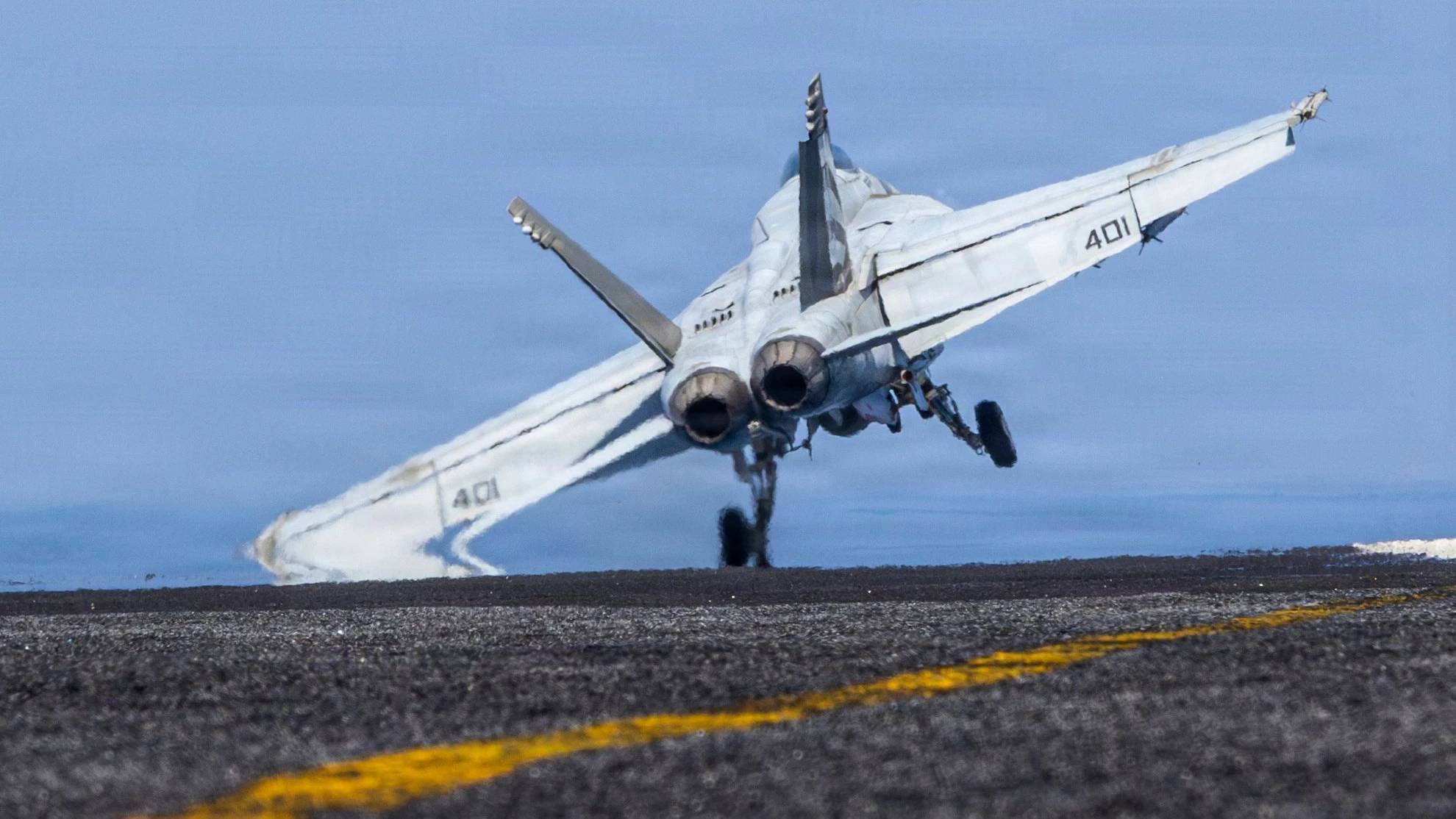
Liveblog Irankrieg: USA und Iran liefern sich abermals Angriffe – Explosionen in Golfstaaten US-Militär greift Ziele in Iran an, Revolutionsgarden attackieren Kuwait und Bahrain +++ Libanesische Staatsmedien: Israels Armee fliegt Angriffe auf Ziele in Südlibanon +++ Vance: „Gewalt wird mit Gewalt beantwortet +++ alle Entwicklungen im Liveblog
faz · 2 months ago

🟠 UPDATEUS bombs Irans Sirik and Qeshm; Trump threatens military escalationGulf countries were attacked following the US launch of a second round of strikes on Iran.📰 #USA #Military #Geopolitics #GeoWire
mastodon bot · 2 months ago
US aircraft strike Iran missile sites after Hormuz ship attack CENTCOM confirmed on Friday that US aircraft struck four targets along the Iranian coast and Qeshm island after a cargo vessel was damaged by a drone attack in the Strait of Hormuz, as President Donald Trump warned Tehran against further "foolish violations" of the ceasefire agreement.
yenisafak · 2 months ago
US strikes Iran again as Tehran hits Bahrain and Kuwait The US military said on Saturday it struck 10 Iranian military targets at President Donald Trumps direction, extending attacks despite a fragile ceasefire. US Central Command said the strikes hit surveillance infrastructure, communications systems, air defence sites, drone storage facilities and minelayer capabilities at multiple locations in and near the Strait of Hormuz.
france24 · 2 months ago
USA und Iran liefern sich Angriffe – Explosionen am Golf Die USA verkünden neue Angriffe auf den Iran – als Vergeltungsschlag für eine iranische Attacke. Der Iran antwortet mit Angriffen auf Ziele in Kuwait und Bahrain. Droht eine neue Eskalation?
faz · 2 months ago
Die Lage im Überblick: USA und Iran liefern sich Angriffe – Explosionen am Golf Die USA verkünden neue Angriffe auf den Iran – als Vergeltungsschlag für eine iranische Attacke. Der Iran antwortet mit Angriffen auf Ziele in Kuwait und Bahrain. Droht eine neue Eskalation?
tagesspiegel · 2 months ago
US strikes more targets in Iran as fragile ceasefire comes under renewed strain The US military said on Saturday it struck 10 Iranian military targets at President Donald Trumps direction, extending attacks despite a fragile ceasefire. US Central Command said the strikes hit surveillance infrastructure, communications systems, air defence sites, drone storage facilities and minelayer capabilities at multiple locations in and near the Strait of Hormuz.
france24 · 2 months ago

US launches strikes on Iran after second shipping attack
news.yahoo.com · 2 months ago
Irankrieg: Iran greift nach neuerlichem US-Angriff Kuwait und Bahrain an Kuwait und Bahrain berichten von Beschuss aus dem Iran. Die Revolutionsgarden bestätigen die Angriffe. Die USA hatten zuvor erneut den Iran attackiert. Das Liveblog
die zeit · 2 months ago
USA och Iran utväxlar nya attacker Iran tar på sig nya attacker riktade mot amerikanska militära mål i Kuwait samt Bahrain natten mot söndagen. Detta efter att USA på nytt attackerat Iran.Samtidigt hotar president Donald Trump med att Iran inte längre kommer att existera om USA intensifierar krigföringen.
svenska dagbladet · 2 months ago
Krieg in Nahost: USA und Iran greifen sich erneut an – Trump droht mit Vernichtung Die USA greifen erneut Ziele in Iran an, Teheran beschießt US-Militärbasen in Kuwait und Bahrain – beide Seiten drohen, die Verhandlungen platzen zu lassen.
sueddeutsche · 2 months ago

🔴 BREAKINGUS bombs Irans Sirik and Qeshm; Trump threatens military escalationThe US conducted airstrikes on Irans Sirik and Qeshm islands for a second day in response to ship attacks. President Trump threatened to militarily complete the job, signaling potential further escalation in the ongoing...📰 #USA #Military #Geopolitics #GeoWire
mastodon bot · 2 months ago
Iran-US war latest: Trump warns Iran will no longer exist if Tehran keeps violating ceasefire agreement US strikes come after ships struck by drones in Strait of Hormuz
independent · 2 months ago
Nya attacker mot Iran – Trump hotar dess existens USA har utfört nya riktade attacker mot flera delar av Iran, uppger militärkommandot Centcom.Upprepade attackvågor från båda länderna sätter den instabila vapenvilan på prov.Samtidigt hotar president Donald Trump med att Iran inte längre kommer att existera om USA intensifierar krigföringen.
svenska dagbladet · 2 months ago
Nach Angriffen auf Handelsschiffe: USA haben erneut Ziele im Iran angegriffen US-Streitkräfte haben nach eigenen Angaben erneut einen Vergeltungsschlag gegen den Iran verübt. Grund sei ein Angriff des Iran auf einen Frachter gewesen.
die zeit · 2 months ago
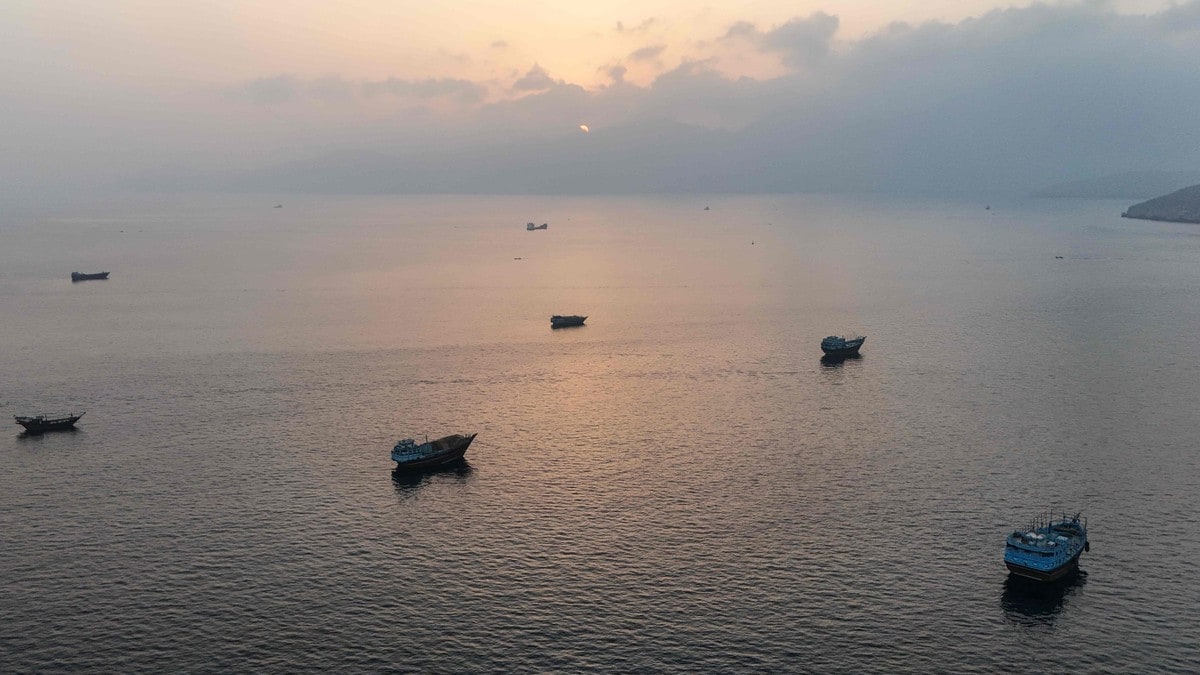
USA bekrefter nye angrep i Iran President Trump sier militæret har utført nye angrep i Iran.
nrk · 2 months ago
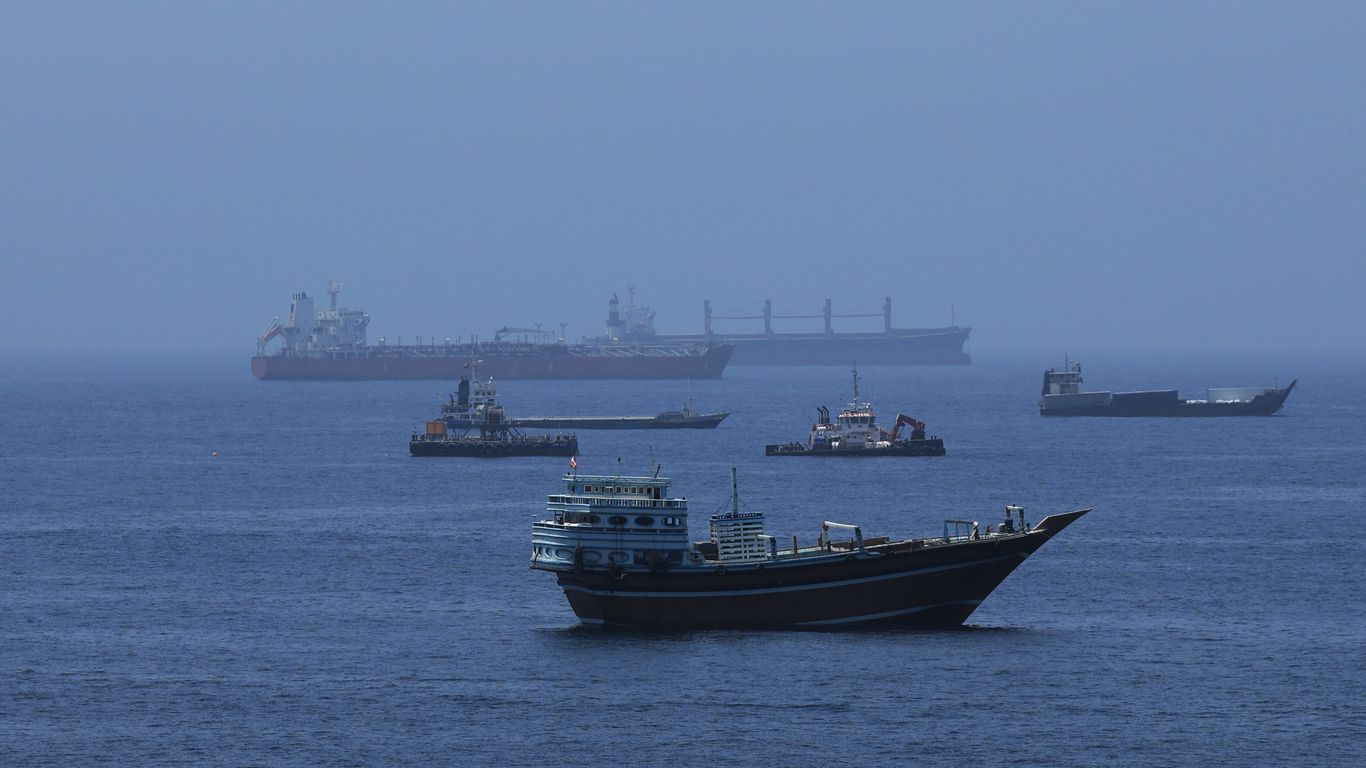
U.S. launches fresh Iran strikes as Trump threatens to "complete the job" The U.S. military is conducting strikes on Iranian targets in the area of the Strait of Hormuz in retaliation for an attack Saturday morning on a commercial tanker, the U.S. military central command said.Why it matters: This is the second wave of U.S. strikes in Iran over the last 24 hours, amid increasing tensions in the strait —which could put the shaky U.S.-Iran memorandum of understanding at risk. Driving the news: On Saturday morning the Iranian Revolutionary Guards Corps launched an attack drone at the M/T Kiku tanker, which was passing in the Strait of Hormuz with more than two million barrels of crude oil, CENTCOM said.The incident happened several hours after the U.S. conducted strikes on Iranian targets in retaliation for another attack on a commercial ship on Thursday. The Iranians retaliated to the first wave of U.S. strikes by attacking targets in Bahrain early Saturday. State of play: CENTCOM said in a statement that U.S. aircraft targeted Iranian military surveillance infrastructure, communication systems, air defense sites, drone storage facilities, and minelayer capabilities.What they are saying: "Iran was given a chance to honor the ceasefire agreement but elected not to," CENTCOM said. This is a developing story.
axios · 2 months ago
Iran-US war latest: Fresh US strikes on Iran amid warning Tehran had chance to honour the ceasefire agreement US strikes come after ships struck by drones in Strait of Hormuz
independent · 2 months ago
US launches second night of strikes against Iran after ship struck by drone The attacks come after an Iranian drone allegedly struck another commercial vessel in the Strait of Hormuz on Saturday.
aljazeera · 2 months ago
Iran-Krieg: Erneut US-Angriffe auf den Iran Die USA verkünden neue Angriffe auf den Iran. Es soll erneut ein Vergeltungsschlag für eine iranische Attacke gewesen sein.
tagesspiegel · 2 months ago
Nya amerikanska attacker mot Iran
svenska dagbladet · 2 months ago
#BREAKING ⚡️🇺🇸❌🇮🇷 - The CENTCOM has announced responsibility of airstrikes on Iran, stating it was a response to Irans latest attacks on Commercial ships in the Strait of Hormuz yesterday. It states the USAF had struck targets including surveillance infrastructure, communication systems, Air Defenses, drone storage sites, and "minelayer capabilities".
telegram bot · 2 months ago
Tanker struck in Hormuz as Iran, U.S. trade attacks in worst escalation since peace deal A tanker reported being struck by a projectile in the Strait of Hormuz on Saturday, Britains maritime security agency said, after the United States and Iran each launched…
japantoday · 2 months ago