Loading…
 Saturday, August 29Saturday, August 29
3 months · 21 summary articles
The United States and Gulf Cooperation Council members on Thursday demanded the immediate reopening of the Strait of Hormuz, rejecting any tolls or attempts by Iran to assert control over the strategic waterway while reaffirming their shared goal of preventing Tehran from acquiring nuclear weapons . The call came during a high-level meeting in Manama, Bahrain, as regional tensions flared following a drone strike on a cargo ship near Oman that prompted the United Nations to pause evacuation plans for stranded seafarers.
Iran pushed back forcefully, declaring that safe passage through the strait cannot be guaranteed without prior coordination with Tehran. Foreign Ministry spokesman Nasser Kanaani stated that any framework must be based on the Islamabad memorandum’s Article 5, warning that alternative routes established without Iranian consent are illegal and pose serious security risks . Iranian authorities confirmed they had turned back three foreign tankers attempting to transit an unauthorized corridor, underscoring the Islamic Republic’s insistence on maintaining exclusive oversight of maritime traffic.
The diplomatic standoff deepened as UAE Foreign Minister Sheikh Abdullah bin Zayed held a rare call with his Iranian counterpart Abbas Araqchi on Friday, stressing the need to protect maritime corridors and ensure freedom of navigation through the strait . The exchange marked one of the few public contacts between Abu Dhabi and Tehran since regional hostilities escalated, reflecting cautious efforts to de-escalate despite entrenched positions.
Meanwhile, markets showed tentative signs of stabilization after a preliminary U.S.-Iran peace accord led to a drop in oil prices, with the first tankers resuming transit through the strait . Empty LNG carriers began gathering off Qatar’s Ras Laffan, signaling a gradual recovery in trade flows. Yet uncertainty persisted as Iran reiterated its claim to levy fees for safe passage, with reports suggesting Tehran expects up to $40 billion annually from Hormuz transit tolls .
U.S. President Donald Trump condemned what he described as a “foolish violation” of the ceasefire after drones targeted vessels in the strait, accusing Iran of undermining the fragile agreement . The incident, which caused damage to a tanker, raised fresh doubts about the durability of the interim deal as regional actors jockey for influence. Oman and Iran, meanwhile, continued talks on a joint administration model for the strait, though no breakthrough was announced Friday.
Follow us for live European news
3 further sources not geolocated
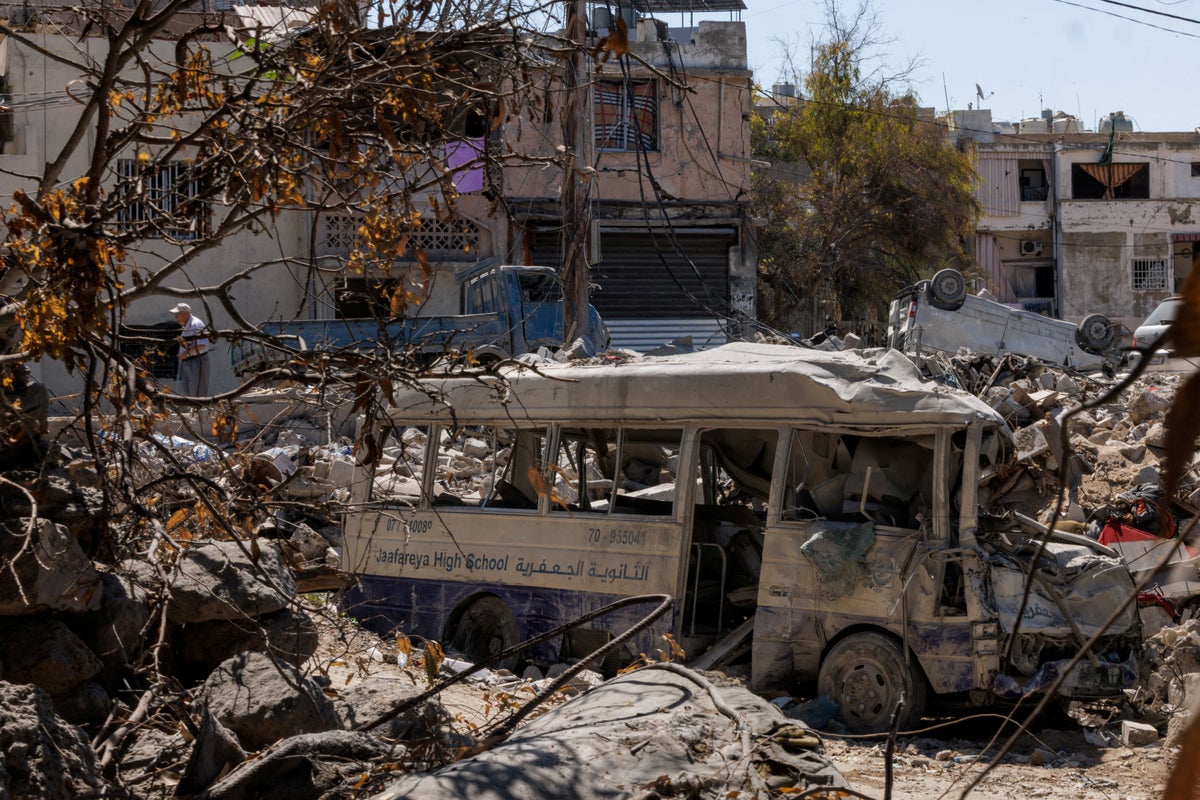
Iran-US war latest: Trump accuses Tehran of foolish violation of ceasefire after ships struck by drones in Strait of Hormuz Israel has continued to clash with Hezbollah despite Donald Trump urging Benjamin Netanyahu to end the war
independent · 2 months ago

Fuel prices fall as Iran-US peace deal nears – how much is a litre of petrol?
gdeltproject.org · 2 months ago
Trump urges GOP to prioritize election bill as his Iran war handling draws scrutiny
gdeltproject.org · 2 months ago
Iran slams the GCC and the US for interventionist statement: What we know Tehran rejects US-GCC pressure over missiles, the Strait of Hormuz and regional armed groups.
aljazeera · 2 months ago
Why has the UN paused plans to evacuate sailors from the Strait of Hormuz? A cargo vessel had been struck by a projectile near Oman, as Iran says all ships must pass with its permission.
aljazeera · 2 months ago
⚡️#BREAKING Trump blames Iran for drone strike on ship in Strait of Hormuz and calls it a foolish violation of ceasefire agreement 💧 Rainbet.com the #1 Non-KYC Crypto Casino & Sportsbook @rainbetcom +18
telegram bot · 2 months ago

Vai-se pagar portagem para navegar no Estreito de Ormuz? Bruno Cardoso Reis afirma que Teerão quer cobrar passagem segura em Ormuz, mau precedente e derrota estratégica para os EUA. O historiador defende que Irão viu plano de dividir os aliados falhar.
observador · 2 months ago
Discuție între miniștrii de Externe din România și Iran, la o zi după ce un oficial de la Teheran a acuzat România de „complicitate la „războiul ilegal al SUA Oana Țoiu și Abbas Araghchi au discutat despre situația din Orientul Mijlociu, Memorandumul de înțelegere semnat recent de România cu SUA, a anunțat Ministerul român de Externe într-un comunicat de presă. „Am reafirmat angajamentul ferm și constant al României pentru identificarea unor soluții diplomatice care să contribuie la consolidarea securității și stabilității atât în Orientul …
hotnews.ro · 2 months ago
Seeweg: Der Iran verspricht sich 40 Milliarden Dollar pro Jahr durch Hormus-Gebühren Trotz ihres Abkommens haben die USA und der Iran offenbar unterschiedliche Pläne für die Hormus-Passage. Der Iran beharrt auf der Kontrolle und plant mit satten Einnahmen.
handelsblatt · 2 months ago
GCC: Regional arrangements must safeguard Gulf security interests Gulf foreign ministers meeting with US Secretary of State Rubio in Manama emphasised that any future regional understandings must incorporate GCC security requirements and preserve their interests, based on international law, sovereignty, and non‑interference.
yenisafak · 2 months ago
Half of South Korean ships stranded in Hormuz Strait exit Thirteen of 26 South Korean-linked vessels stranded in the Strait of Hormuz have passed through following the waterways reopening, according to Yonhap News Agency. The IMO has begun evacuating around 11,000 seafarers stranded in the region.
yenisafak · 2 months ago
US, Gulf states demand Hormuz reopening, reject tolls and control Washington and Gulf Cooperation Council members meeting in Manama on Thursday demanded the immediate reopening of the Strait of Hormuz, rejecting any attempts to impose fees or assert control over the vital waterway while stressing their shared objective of preventing Iran from acquiring nuclear weapons.
yenisafak · 2 months ago
Iran slams US-GCC joint statement as provocative Iran has condemned a joint US-GCC statement as interventionist, irresponsible and provocative, accusing Gulf states of aligning with Washington and Israel against regional security. Tehran warned that the US military presence has become a source of insecurity and urged Gulf states to reconsider their positions.
yenisafak · 2 months ago
Iran warns against Israeli military flights through neighbouring airspace Irans top military command has warned against Israeli military aircraft using the airspace of neighbouring countries to approach Iran, calling it a dangerous act and a threat. Tehran did not name specific countries but said it reserves the right to respond to such actions.
yenisafak · 2 months ago
US-Gulf summit in Bahrain rejects Hormuz tolls The US and Gulf states held a joint summit in Bahrain following the war. While the US stated that the agreement also took Gulf interests into account, summit participants adopted a joint stance against imposing fees for passage through the Strait of Hormuz
yenisafak · 2 months ago
Iran: Hormuz passage not guaranteed without Tehran coordination Iran has pushed back against the US-GCC call for free, unconditional navigation through the Strait of Hormuz, stating that safe passage cannot be guaranteed under ambiguous arrangements or parallel routes without Tehrans consent. Any credible framework must be based on coordination with Iran under Article 5 of the Islamabad memorandum.
yenisafak · 2 months ago
Hormuz traffic continues despite attack on container ship Ship traffic through the Strait of Hormuz continued in both directions on Friday despite an attack on a container vessel that prompted some owners to pause transit plans. Empty LNG carriers began gathering off Qatars Ras Laffan, signalling an expected increase in exports as traffic gradually recovers.
yenisafak · 2 months ago
Panama Canal revenue set to beat $5.2B forecast after Hormuz closure The Panama Canal expects fiscal 2026 revenue to exceed an initial $5.2 billion forecast, as the Hormuz closure rerouted vessels through the waterway. Traffic peaked at 41 ships daily, and LNG tankers increased transit as Asian buyers turned to US suppliers. A new administrator will oversee $8.5 billion in expansion projects.
yenisafak · 2 months ago
IAEA chief: US-Iran deal grants agency access to nuclear sites IAEA Director General Rafael Grossi said on Friday that the recent US-Iran agreement specifically designates the UN nuclear watchdog to supervise Tehrans nuclear commitments, adding that technical teams have already begun discussions to establish inspection protocols and verify the countrys highly enriched uranium stockpiles.
yenisafak · 2 months ago
Prețul petrolului a crescut din nou, după atacul asupra unei nave comerciale în Strâmtoarea Ormuz Prețurile petrolului au scăzut după ce au înregistrat o creștere bruscă mai devreme, pe fondul reaprinderii violențelor în Strâmtoarea Hormuz. Petrolul Brent, indicatorul de referință internațional, a scăzut cu peste 2 vineri, după ce a înregistrat o creștere de până la 4 în urma deciziei Organizației Maritime Internaționale de a suspenda evacuarea planificată a navelor blocate în jurul acestei căi navigabile strategice, scrie Al Jazeera.
digi24 · 2 months ago
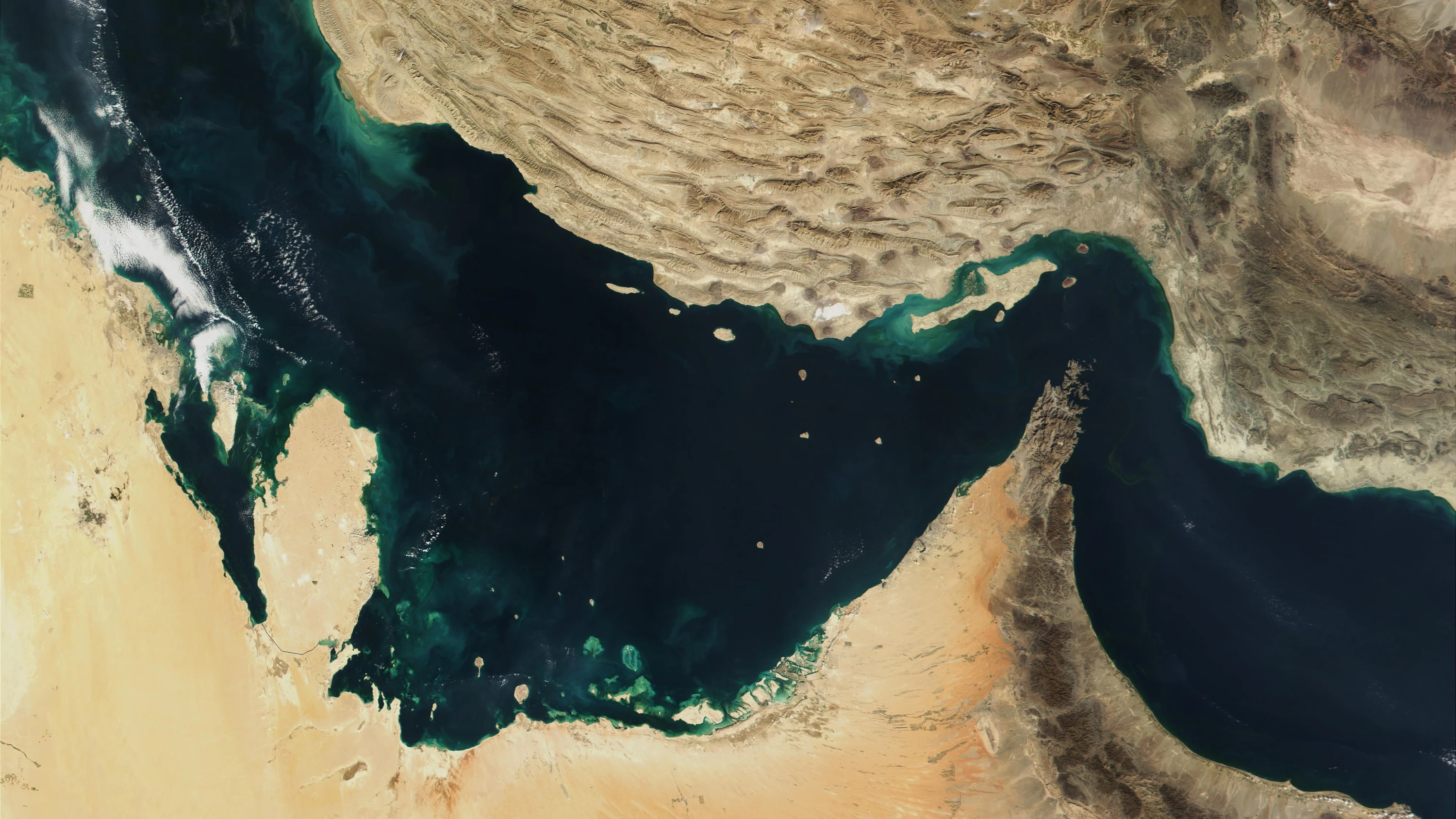
Börsenwoche: Die Märkte beruhigen sich – vorerst Das Rahmenabkommen zwischen Iran und den USA lässt den Ölpreis sinken, erste Tanker fahren wieder durch die Straße von Hormus. Doch die Nervosität an den Märkten hält an. Warum?
faz · 2 months ago
Iran deal grants access to nuclear inspectors, IAEA chief says The interim U.S.-Iran peace accord givesU.N. nuclear inspectors access to Iran, the watchdogs top official said on Friday, after Tehran indicated key sites would remain off-limits until a final deal with Washington was reached and sanctions lifted. The U.S. and Iran last week signed a memorandum of understanding paving the way for 60 days of […]
in-cyprus · 2 months ago
UAE stresses Hormuz security in rare call with Iran after war tensions UAE Foreign Minister Sheikh Abdullah bin Zayed on Friday stressed the need to protect maritime corridors and ensure freedom of navigation through the Strait of Hormuz in a call with his Iranian counterpart Abbas Araqchi. The exchange, reported by state news agency WAM, marks a rare public contact between Abu Dhabi and Tehran following tensions […]
cyprus mail · 2 months ago

„Das Volk muss mehr erfahren – Dann schreit der Republikaner Donald Trump an In Washington und im Nahen Osten herrscht Unklarheit über die Absprachen zwischen den USA und dem Iran. Die Kritik in Trumps Partei wird immer lauter – während Ereignisse in der Region den Waffenstillstand infrage stellen.
welt.de · 2 months ago
Iran turns back tankers over unauthorized Hormuz transit Iranian authorities said they turned back three foreign tankers attempting to transit through an unauthorized corridor in the Strait of Hormuz, declaring that alternative routes established without Tehrans coordination are illegal and pose serious security risks to maritime traffic.
yenisafak · 2 months ago
Tensiuni în Strâmtoarea Ormuz: Iranul revendică din nou controlul traficului maritim, după atacul asupra unei nave în apropiere de Oman Teheranul și-a reafirmat vineri dreptul de a controla traficul maritim în Strâmtoarea Ormuz și a avertizat statele din Golf să nu se alăture Statelor Unite, la o zi după ce un atac asupra unei nave în apropierea Omanului a scos în evidență fragilitatea unui acord preliminar menit să pună capăt conflictului cu Iranul. Teheranul a reacționat la ceea ce a numit o declarație comună „intervenționistă, iresponsabilă și provocatoare a Statelor Unite și a șase state din Golf, care a respins insistența Iranului de a putea percepe taxe de trecere de la navele care tranzitează strâmtoarea, anunță Reuters.
digi24 · 2 months ago
Schiffe konnten die Straße von Hormuz trotz Sperre verlassen [premium] Der Iran gab zwar die neuerliche Schließung der Meerenge bekannt, aber Länder wie Saudiarabien bereiten ihre Exporte vor. Teheran will die Route der Frachter genau kontrollieren.
die presse · 2 months ago
Hauen und Stechen um die Interpretation des US-iranischen Plans Die USA wollen die arabischen Golfstaaten davon überzeugen, dass ein Deal mit Teheran möglich ist, der ihre Interessen wahrt. Das führt zu Friktionen mit dem Iran
der standard · 2 months ago