
Volkswagen restructuring plan blocked by supervisory board
Story Timeline
2 months · 6 summary articles
Volkswagen’s sweeping restructuring plan to slash its model lineup by up to 50% and cut global production capacity to 9 million vehicles annually has been blocked by the company’s supervisory board, dealing a major setback to CEO Oliver Blume’s bid to overhaul the crisis-hit automaker. The decision, taken at a high-stakes meeting in Wolfsburg on Thursday, leaves Volkswagen without a clear path forward as sales plummet and investor confidence evaporates.
The board, where employee representatives hold a majority, refused to endorse the proposed cuts to jobs or factories, according to multiple sources cited by Reuters and CNBC. While Blume’s plan included reducing the number of models from Volkswagen, Audi, Seat, and Porsche by roughly half and trimming production options by 75%, the supervisory board—comprising nine employee representatives, two from the state of Lower Saxony, and eight shareholder appointees—demanded more time to assess the proposals. No vote was held on potential plant closures, which had been rumored to affect four German sites, putting up to 40,000 jobs at risk, according to Der Spiegel.
The impasse comes as Volkswagen’s global deliveries fell 8.6% in the second quarter, the worst performance in four years, with a 36.6% collapse in China—its largest market—driving the decline. North America saw deliveries drop 3.1%, while Europe, the group’s strongest region, grew 2.9% in Western Europe and 7.2% in Central and Eastern Europe. Overall, the group delivered 4.13 million vehicles in the first half of 2026, a 6.3% year-on-year drop, with Volkswagen brand sales falling 10.9% to 2.07 million units. Skoda bucked the trend with a 9.1% increase to 555,700 vehicles, while Seat and Cupra limited their decline to 1% with 299,700 units sold .
Blume defended the restructuring in a statement, citing “geopolitical tensions, high costs, increasing regulation, and ever more intense global competition” as the drivers behind the push to make Volkswagen “faster, more robust, and more competitive.” The plan aimed to reduce complexity by streamlining technology platforms, realigning production regionally, and trimming the group’s global management by 5,000 positions. Yet the board’s resistance underscores the deep divisions over how to address Volkswagen’s existential challenges. “VW-Chef Oliver Blume is with his savings plans so far failed,” noted Süddeutsche Zeitung, describing the mood among executives as one of frustration after the board meeting.
The standoff leaves Volkswagen in a precarious position. The company’s shares have lost over 30% of their value since the start of 2026, trading at levels not seen since 2010, as investors question whether the automaker can execute its turnaround without drastic measures. The board’s refusal to approve job cuts or closures suggests that any future decisions will require protracted negotiations, delaying the overhaul. “The fight for the future of the German auto industry is only just beginning,” wrote Süddeutsche Zeitung, highlighting the broader implications for Europe’s industrial base.
Meanwhile, Volkswagen’s rivals are also grappling with similar pressures. BMW reported a 4.2% drop in deliveries in the second quarter, with sales in China falling nearly a third, while Mercedes-Benz saw a 6% decline . The broader European auto sector faces headwinds from Chinese competition, with the EU imposing tariffs of up to 45.3% on Chinese-made tires to counter alleged dumping .
For now, Volkswagen’s restructuring remains in limbo, with Blume’s vision of a leaner, more focused automaker delayed by the very stakeholders who must ultimately implement it. The question is no longer whether change is needed, but how—and when—it will come.
Follow us for live European news
- 4
- 2
- 1
- 1
- 1
- 1
- 1
- 1
- 1
- 1
3 further sources not geolocated
Articles

Skoda Auto says it is not directly impacted by VW overhaul plans reut.rs/4wEvVcb
bluesky_Reuters · about 2 months ago
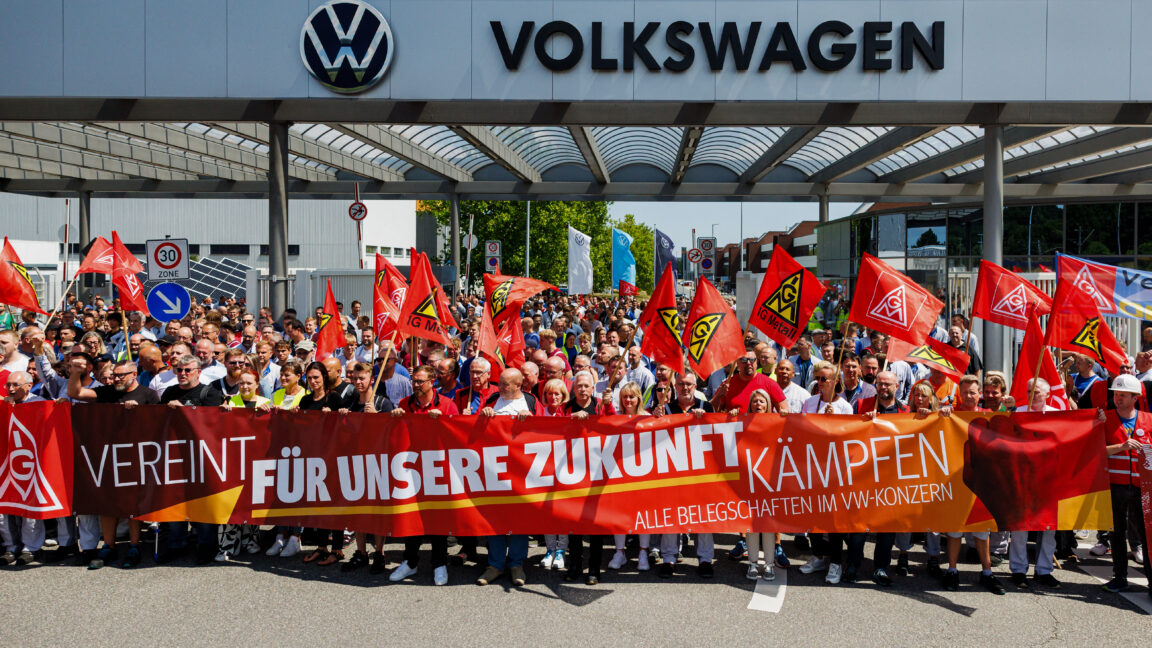
VW Group and unions disagree on plan to streamline the automaker VWs plan calls for half as many models but didnt mention closures or job cuts.
ars technica · about 2 months ago
Las ventas del grupo VW bajan un 6 y las de Seat y Cupra, un 1 en el primer semestre Las caídas en los mercados de China y EEUU siguen pasando factura al grupo alemán, inmerso en un recorte de producción y de plantilla El grupo Volkswagen continúa acusando el deterioro de sus dos principales mercados fuera de Europa. El fabricante alemán cerró el primer semestre del año con 4.125.700 vehículos entregados en todo el mundo, un 6,3 menos que en el mismo periodo del año anterior, lastrado por el fuerte desplome de las ventas en China y, en menor medida, en Estados Unidos. En este contexto, Seat y Cupra lograron contener el retroceso y limitaron su caída al 1, con 299.700 unidades comercializadas. Los resultados llegan apenas un día después de que el consorcio anunciara un nuevo ajuste industrial con el objetivo de adaptar su capacidad productiva a un mercado más débil y competitivo. La compañía pretende reducir su capacidad de producción hasta unos 9 millones de vehículos anuales, frente a los 12 millones para los que llegó a dimensionarse antes de la pandemia, además de simplificar su gama de modelos hasta en un 50 y concentrarse en los segmentos más rentables. El principal lastre sigue siendo China, el mayor mercado del grupo, donde las entregas se desplomaron un 25,9 entre enero y junio, hasta 973.000 vehículos. La creciente competencia de los fabricantes locales, especialmente en el segmento eléctrico, continúa erosionando la posición de Volkswagen. El responsable de Ventas del grupo, Marco Schubert, reconoció que la situación en China sigue siendo desafiante, aunque destacó que los nuevos modelos eléctricos desarrollados específicamente para el mercado chino están empezando a mostrar señales positivas. A esta presión se suma el debilitamiento del negocio en Estados Unidos. En Norteamérica las entregas descendieron un 3,1, hasta 447.500 vehículos, mientras que las ventas de vehículos eléctricos se hundieron un 69 tras el fin de las ayudas públicas y el impacto del incremento de los aranceles. En conjunto, las entregas mundiales de vehículos eléctricos del grupo descendieron un 5,8, hasta 438.500 unidades. Europa sostiene el crecimiento Europa volvió a convertirse en el principal soporte del fabricante alemán. En Europa Occidental las ventas crecieron un 2,9, hasta 1.748.400 vehículos, mientras que en Europa Central y Oriental aumentaron un 7,2, hasta 292.600 unidades. También Sudamérica mantuvo una evolución positiva, con un incremento del 8,3 y 327.200 vehículos entregados. Seat y Cupra resisten mejor que Volkswagen y Porsche Por marcas, el comportamiento fue muy desigual. La división de grandes volúmenes redujo sus ventas un 5,9, hasta 3,11 millones de vehículos. La marca Volkswagen fue la que registró el mayor retroceso entre las principales enseñas del grupo, con una caída del 10,9, hasta 2.067.500 unidades. En cambio, Skoda mantuvo una sólida evolución con un crecimiento del 9,1, hasta 555.700 vehículos, mientras que Seat y Cupra limitaron el descenso al 1, con 299.700 unidades, consolidándose como una de las marcas más resilientes del consorcio. Entre las marcas premium, Audi redujo sus entregas un 7,2, hasta 727.200 unidades, Bentley cayó un 13,6 y Lamborghini un 4,6. Porsche fue la firma más castigada, con un descenso del 16,5, hasta 122.300 vehículos. Por su parte, Traton, la división de vehículos industriales que integra Scania, MAN y Volkswagen Truck & Bus, cerró el semestre con 151.500 camiones vendidos, un 1,1 menos. La reestructuración acelera Los datos comerciales refuerzan el mensaje trasladado esta semana por la dirección del grupo sobre la necesidad de acelerar la reestructuración. Volkswagen ya ha reducido en dos millones de vehículos su capacidad instalada respecto a los niveles previos a la covid y prevé seguir ajustando producción tanto en Europa como en China para adecuarla a una demanda más contenida. La estrategia también contempla una fuerte racionalización de la oferta comercial, con la reducción progresiva de aproximadamente la mitad de sus modelos, y un mayor enfoque en los segmentos con mayor rentabilidad, en un contexto marcado por la presión de los fabricantes chinos, la ralentización del mercado mundial del vehículo eléctrico y el impacto de los nuevos aranceles sobre las exportaciones a Estados Unidos. La debilidad del grupo alemán no es un caso aislado. También sus principales rivales premium registraron descensos en el primer semestre. Mercedes-Benz vendió 1.011.500 vehículos, un 6 menos, mientras que BMW comercializó 1.156.742 unidades, un 4,2 menos. Ambos fabricantes sufrieron igualmente fuertes caídas en China, aunque compensaron parcialmente ese retroceso con el crecimiento de sus ventas en Europa y Estados Unidos.
eldiario.es · about 2 months ago

Pelit | Sony halusi vallata alan Fortniten mallilla, mutta epäonnistui rajusti Sonyn suurstrategia epäonnistui täysin. Playstation peruu pelejä ja menettää työpaikkoja.
helsingin sanomat · about 2 months ago
Sähköautot | Plugit hävisi latauspisteiden kilpailutuksen Helenille mutta sai sen sitten kuitenkin Laturiyhtiö Plugit suljettiin pois Helsingin laturikilpailutuksesta, jonka voitti energiayhtiö Helen. Sitten Plugit ilmoitti ostavansa Helenin laturiliiketoiminnan. Kuka laturit siis lopulta rakentaa?
helsingin sanomat · about 2 months ago

Jonas Fröberg: Volkswagens maktkamp lamslår – medan krisen växer Volkswagens vd satsade allt på att kapa 100 000 jobb och stänga fyra fabriker. Men styrelsen körde planen i diket. Nu står Europas största industribolag utan beslut, utan riktning – och med en kris som växer för varje dag.
dagens nyheter · about 2 months ago
Robèr Willemsen, voorzitter van Koninklijke Horeca tijdens de coronacrisis, noemt het een schande hoe met ondernemers is omgegaan. Ze deden er niet toe De impact van de coronapandemie is tot op de dag van vandaag voelbaar, zei Robèr Willemsen, destijds voorzitter van Koninklijke Horeca Nederland, deze vrijdag tegen de…
nrc · about 2 months ago
Die VW-Strategie: Drohkulisse oder tatsächlicher Überlebenskampf? [premium] Volkswagen will seine Modellpalette drastisch reduzieren. Um Kündigungen und Werksschließungen durchsetzen zu können, muss Firmenchef Blume erst noch den Aufsichtsrat weichklopfen.
die presse · about 2 months ago
Volkswagen Q2 Deliveries Fall 8.6 As China Sales Decline
gdeltproject.org · about 2 months ago
Volkswagen to cut model lineup by half, reduce production capacity
gdeltproject.org · about 2 months ago
Volkswagen to slash model lineup and shrink capacity — but no word on job cuts The update followed a high-stakes boardroom showdown with the groups supervisory board.
cnbc · about 2 months ago

Volkswagen Is Cutting Production as Sales in China Plunge The German automaker has struggled to compete with fast-growing Chinese companies that offer more affordable and sophisticated electric vehicles.
new york times · about 2 months ago

BMW deliveries slide in Q2, as sales in China drop nearly a third reut.rs/44ZJkPW
bluesky_Reuters · about 2 months ago

Audi half-year deliveries fall on China competition, US tariffs reut.rs/4ft9BMI
bluesky_Reuters · about 2 months ago

Volkswagen rescue plan blocked by powerful labour faction, sources say reut.rs/4pd60Wp
bluesky_Reuters · about 2 months ago
Germania trage la răspundere firmele ce închiriază trotinete electrice, după ce numărul accidentelor s-a dublat Bundestagul a adoptat joi reguli mai stricte pentru firmele de închiriere de trotinete electrice, menite să faciliteze obținerea despăgubirilor de către victimele accidentelor, transmite vineri agenția de presă DPA, citată de Agerpres. „Oricine câștigă bani din închirierea de trotinete electrice trebuie să-și asume și responsabilitatea pentru daunele cauzate de vehiculele sale, a declarat Stefanie Hubig, …
hotnews.ro · about 2 months ago

¿Se acaba el chollo de los neumáticos chinos? La UE impone un arancel del 45 La Comisión Europea pone en marcha aranceles de hasta el 45 para frenar la competencia desleal de los neumáticos de fabricantes chinos, que han alcanzado una cuota de mercado del 28 con precios que llegan a ser un 35 más baratos que los europeosLos coches chinos inundan Europa: guía para no perderse en el mapa de marcas La Unión Europea endurece su ofensiva comercial contra las importaciones procedentes de China. Desde este miércoles entran en vigor aranceles antidumping de entre el 4,3 y el 45,3 sobre los neumáticos fabricados en China, una medida con la que Bruselas pretende frenar la presión de los productos de bajo coste sobre la industria europea y recuperar parte del terreno perdido por los fabricantes del continente. La decisión afecta a los neumáticos nuevos de caucho para turismos, autobuses y camiones y llega tras una investigación iniciada en mayo de 2025, a raíz de una denuncia presentada por la Coalición contra las Importaciones Desleales de Neumáticos, que agrupa a fabricantes europeos. El expediente concluye que los productores chinos incurrieron en prácticas de dumping, al vender sus neumáticos en Europa a precios inferiores a los considerados justos, provocando un perjuicio importante a la industria comunitaria. Los datos analizados por la Comisión Europea reflejan el fuerte avance de los fabricantes chinos. Durante 2024, las importaciones aumentaron en más de 35 millones de neumáticos, elevando su cuota de mercado en la UE del 18 al 28. En paralelo, los fabricantes europeos vieron reducir su participación del 60 al 53, pese al crecimiento del consumo. Bruselas considera que esta evolución no fue fruto únicamente de una mayor competitividad, sino de una estrategia basada en precios artificialmente bajos. Según la investigación, los neumáticos chinos se comercializaron con una subcotización media del 19 respecto a los productos europeos, diferencia que alcanzó cerca del 35 en el segmento de neumáticos más económicos, que representa nueve de cada diez unidades importadas desde China. La presión combinada sobre el volumen y los precios ejercida por las importaciones chinas impidió que la industria de la Unión pudiera beneficiarse del crecimiento de la demanda, concluye la Comisión Europea, que considera que los fabricantes europeos tampoco pudieron repercutir el incremento de sus costes de producción debido a esa intensa presión sobre los precios. Aranceles de hasta el 45,3 Como respuesta, la Comisión impondrá derechos antidumping que, con carácter general, alcanzarán el 45,3. Sin embargo, las empresas que colaboraron con la investigación recibirán un tratamiento más favorable y afrontarán un gravamen del 24,4. La excepción más destacada será el grupo Hankook, cuyos neumáticos fabricados en China soportarán un arancel del 4,3. Bruselas justifica este trato diferencial porque la compañía se centra principalmente en neumáticos de gama alta (niveles 1 y 2), un segmento que apenas representa el 10 de las exportaciones chinas al mercado europeo y que no fue identificado como el principal origen del perjuicio sufrido por la industria comunitaria. Un nuevo frente en la guerra comercial con China La decisión amplía la batería de medidas comerciales adoptadas por la Unión Europea frente a productos chinos vinculados al sector de la automoción. Se suma a los aranceles adicionales impuestos a los vehículos eléctricos fabricados en China, dentro de una estrategia con la que Bruselas intenta proteger a la industria europea frente al exceso de capacidad productiva del país asiático. Precisamente, el vicepresidente ejecutivo de la Comisión Europea para Industria, Stéphane Séjourné, advirtió esta semana ante el Parlamento Europeo de que las estrategias depredadoras de China para colocar su excedente de producción en Europa figuran entre las principales amenazas para la competitividad del sector automovilístico europeo.
eldiario.es · about 2 months ago

„Das könnte der Befreiungsschlag sein VW will bis 2035 die Hälfte seiner Modelle außerhalb Chinas streichen. Zudem soll die Produktion auf 9 Millionen Autos pro Jahr sinken. „Da gibt es Überkapazitäten, auch in Deutschland, die abgebaut werden müssen, sagt Börsenstratege Oliver Roth.
welt.de · about 2 months ago
Aufsichtsratsitzung: VW-Spitze schweigt zu Werksschließungen und Stellenabbau Nach der Aufsichtsratssitzung über die Sparpläne von Volkswagen fehlt der Belegschaft weiter Klarheit. Der Betriebsrat forderte Konzernchef Blume auf, Stellung zu beziehen.
handelsblatt · about 2 months ago
Autohersteller: Absatz von BMW schrumpft wegen des schwachen China-Geschäfts Probleme auf dem chinesischen Markt drücken die Verkaufszahlen von BMW. In Europa und den USA wächst das Geschäft dagegen. Insbesondere bei elektrischen Autos kann BMW wieder zulegen.
handelsblatt · about 2 months ago
Kommentar: Blumes großes Paket kommt jetzt in Einzelteilen Eigentlich wollte der VW-Chef Tempo machen. Nun drohen Monate zäher Verhandlungen. Der Autobauer zementiert damit seinen Ruf, im entscheidenden Moment nicht beschlussfähig zu sein.
handelsblatt · about 2 months ago
Krise der Autobauer: Sparpläne und sinkende Absätze: Ringen um VWs Zukunft Auch nachdem der Aufsichtsrat das Sparpaket nicht durchwinken wollte, plant der Vorstand weiter den Großumbau. Unterdessen zeigen die aktuellen Absatzzahlen kräftig nach unten.
handelsblatt · about 2 months ago
Volkswagen: China-Geschäft des VW-Konzerns bricht deutlich ein Volkswagen kann sich im chinesischen Markt im ersten Halbjahr nicht behaupten. Der Absatz ist um ein Viertel eingebrochen. In einem Kernmarkt schneidet der Konzern dagegen besonders gut ab.
handelsblatt · about 2 months ago
Cea mai amplă schimbare din istoria Volkswagen. Gigantul auto vrea să renunțe la jumătate dintre modele Volkswagen pregătește una dintre cele mai ample transformări din istoria sa. În urma ședinței consiliului de supraveghere VW privind potențialele măsuri suplimentare de reducere a costurilor, directorul general Oliver Blume a reafirmat obiectivul companiei de redresare a producătorului auto. Cifrele anunțate joi seară de gigantul auto sunt atât de mari, încât par greu de crezut — și totuși sunt reale. Jumătate din gama de modele ar urma să fie eliminată, scrie focus.de.
digi24 · about 2 months ago
Skateboard-Marke Titus: „Shit, wir sind zahlungsunfähig Julius Dittmann führt die Skateboard-Marke Titus. Vor knapp zwei Jahren stand seine Firma vor der Pleite. Hier spricht er über schlaflose Nächte, ein Notquartier im Campingwagen und einen alles entscheidenden Gerichtstermin.
faz · about 2 months ago
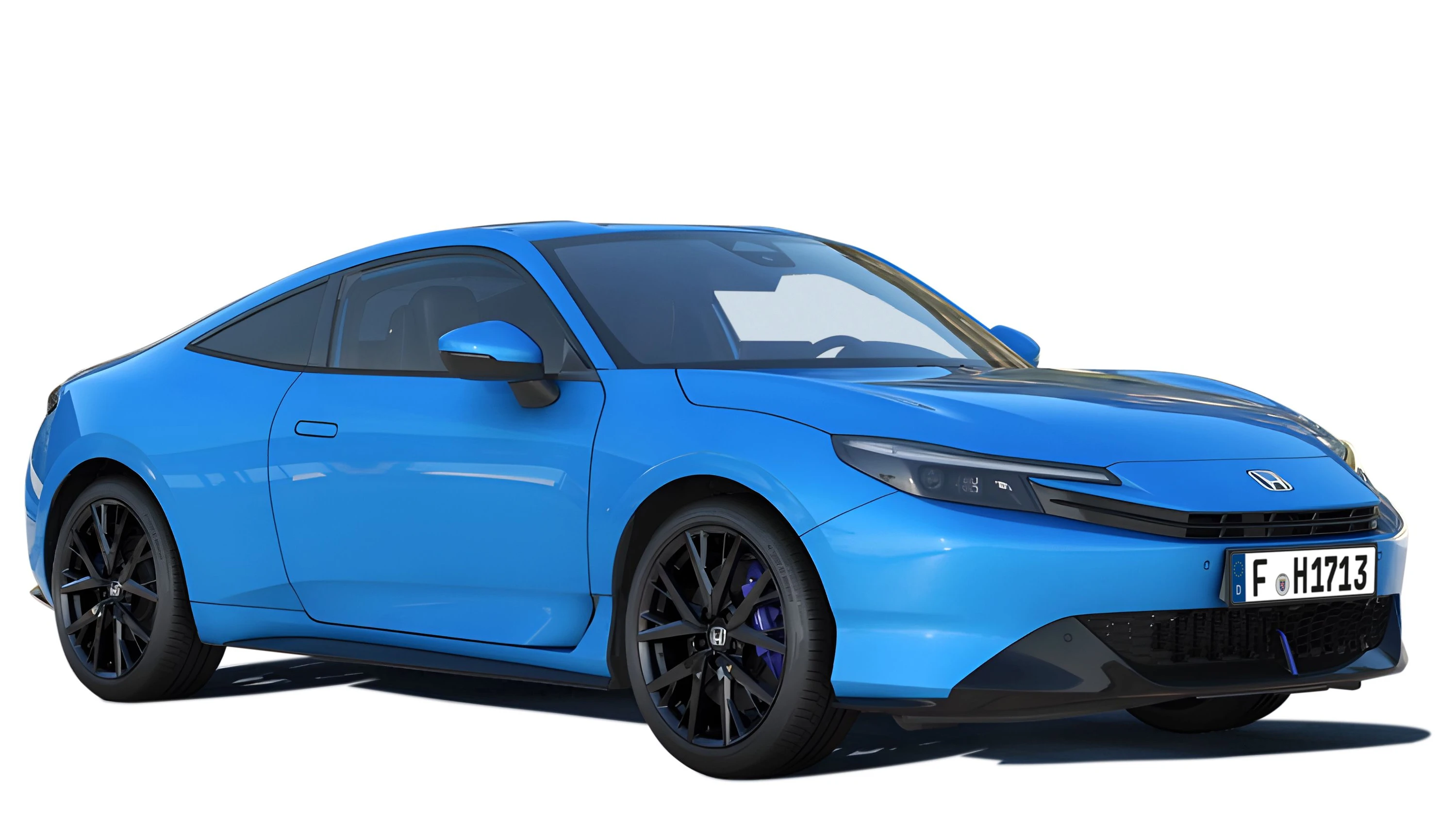
Fahrbericht Honda Prelude: Spitz auf Knopf Flitzige Sportcoupés kann man inzwischen suchen. Und bei Honda finden. Der neue Prelude bleibt seinen Wurzeln treu, setzt aber auf einen seriellen Hybridantrieb. Der passt nicht so recht zum athletischen Auftritt.
faz · about 2 months ago
Biermarkt: Die Fußball-Weltmeisterschaft war „ein Flop für deutsche Brauer Nicht mal die WM kann den Abwärtstrend beim Bierverkauf stoppen. Der Chef der Veltins-Brauerei erwartet weitere Pleiten. Dem Unternehmen selbst geht es aber recht gut – dank spezieller Biersorten.
sueddeutsche · about 2 months ago
Autoindustrie: „Die wollen uns sturmreif schießen VW-Chef Oliver Blume ist mit seinen Sparplänen vorerst gescheitert, aber der Kampf um die Zukunft des größten deutschen Autokonzerns geht jetzt erst richtig los.
sueddeutsche · about 2 months ago
VW: Volkswagen-Arbeitnehmervertreter gehen mit Vorstand ins Gericht Das Sparprogramm bei Volkswagen sorgt für Ärger und Kritik. Die wichtigsten Arbeitnehmervertreter haben Vorstandschef Oliver Blume nun ein Ultimatum gesetzt.
handelsblatt · about 2 months ago
Volkswagen weighs closing several German plants, putting 40,000 jobs at risk Chief Executive Oliver Blume is preparing a sweeping restructuring that could shutter production at multiple German factories by 2034, putting approximately 40,000 positions at risk, according to Der Spiegel, as the automotive giant faces mounting pressure to cut costs and streamline operations.
yenisafak · about 2 months ago