Loading…
 Saturday, August 29Saturday, August 29
2 months · 8 summary articles
Volkswagen is breaking a long-standing taboo by exploring the sale and local production of Chinese-made models in Europe, a move that underscores the German automaker’s urgent need to adapt to shifting market realities. On Tuesday, Handelsblatt reported that Volkswagen has already commissioned feasibility studies for importing and eventually manufacturing China-developed models in European markets, including at German plants. The decision marks a significant departure from previous strategies, as the company seeks to leverage cost advantages and consumer demand for compact electric vehicles from its Chinese operations.
The shift comes as Volkswagen faces mounting pressure to restructure its global workforce of 657,000 employees, with reports indicating plans to cut up to 100,000 jobs worldwide over the next few years. German media have highlighted the potential closure of four domestic plants as part of the restructuring, a move that has drawn fierce opposition from unions and prompted the German government to intervene. On Tuesday, Yeni Safak reported that Berlin is actively seeking to prevent plant closures by bolstering Volkswagen’s competitiveness, though final decisions remain with the company. Hessens Wirtschaftsminister Kaweh Mansoori echoed these concerns, calling for greater clarity and job security for affected workers .
Meanwhile, BMW is doubling down on its electric vehicle strategy, announcing a $1.7 billion investment to expand EV production at its U.S. plants, including a new electric SUV to be built in South Carolina. The move contrasts with broader industry retrenchment, as other automakers scale back amid billions in losses. BMW’s latest X5 model, unveiled on Tuesday, is seen as a critical product to offset weak performance in China, where the company is banking on the updated SUV to revive sales and margins .
The contrasting strategies of Volkswagen and BMW reflect deeper challenges facing Germany’s automotive sector, including innovation gaps in autonomous driving and structural inefficiencies. Handelsblatt noted on Tuesday that Volkswagen and Bosch have struggled to make progress in self-driving technology, raising questions about the country’s long-term competitiveness .
Against this backdrop, Volkswagen’s potential pivot to Chinese models in Europe signals a pragmatic, if controversial, response to market pressures. The feasibility studies, now underway, could pave the way for a new phase of collaboration between Volkswagen’s German and Chinese operations, even as the company grapples with job cuts and plant closures at home.
Follow us for live European news
1 further source not geolocated

SUV: BMW X5 kommt in fünfter Generation mit fünf Antrieben Fünf ist Trümpf - dieser alte Post-Slogan gilt auch für das neueste X-Modell von BMW. Denn das trägt nicht nur eine Fünf im Namen und geht in die fünfte Auflage, sondern kommt auch mit fünf Antrieben.
handelsblatt · about 2 months ago
Today: Tabubruch: VW prüft offenbar Verkauf und Fertigung chinesischer Modelle in Europa Einzelne China-Modelle von VW könnten künftig in Europa verkauft und später auch in deutschen Werken gebaut werden. Außerdem: Warum das Börsenjahr 2026 für Rheinmetall und andere Rüstungsunternehmen bislang schwach läuft.
handelsblatt · about 2 months ago

Gőzerővel dolgozik a Samsung a feltekerhető kijelzős mobilon Egy dél-koreai lap nemrég arról írt, hogy a Samsung kijelzőgyártó részlege komoly erőforrást fordít arra, hogy feltekerhető kijelzőt készítsen az anyacégnek.
hvg.hu · about 2 months ago
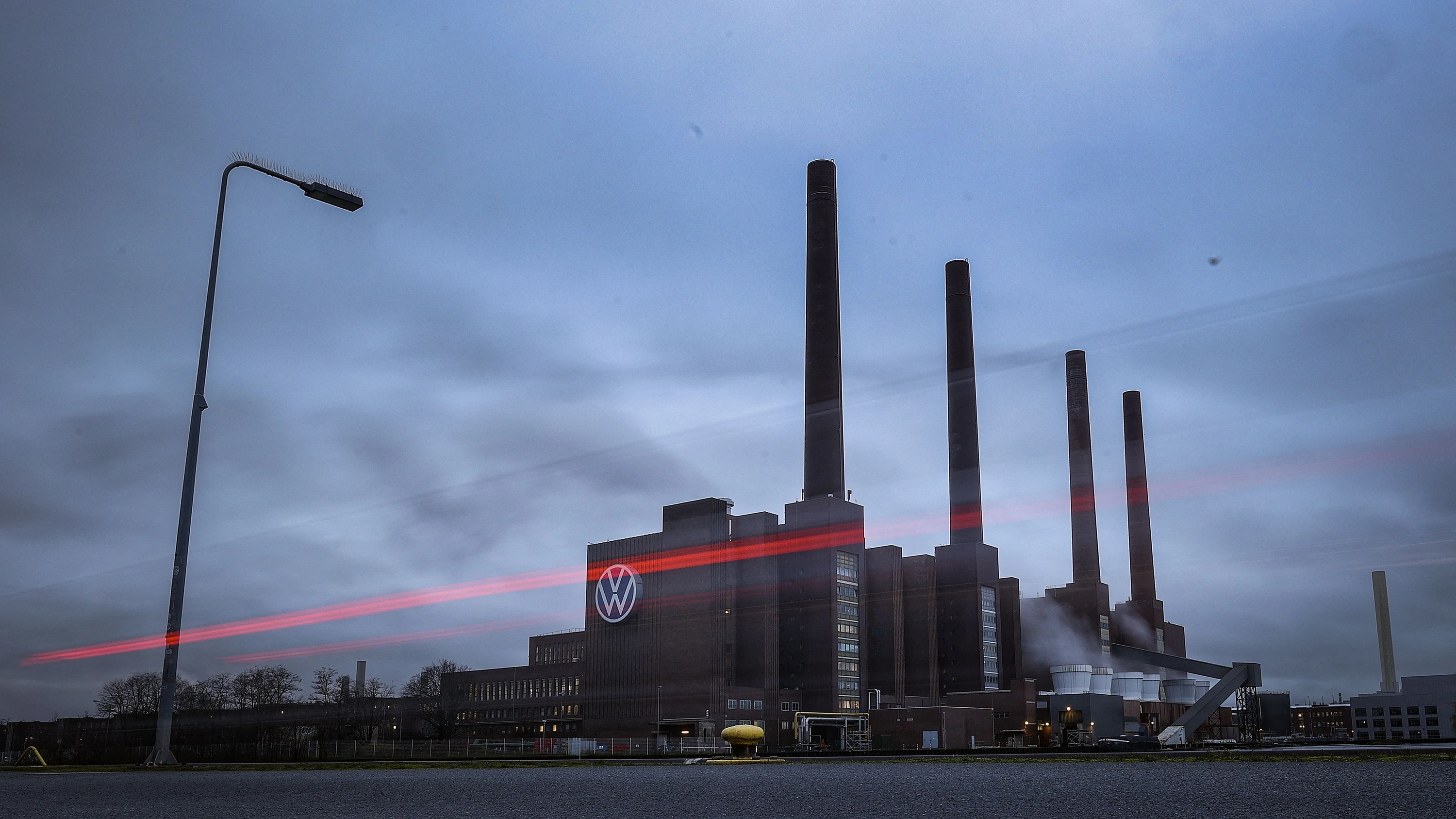
Podcast Finanzen & Immobilien: Was ist bei VW los? Volkswagen ist kein Unternehmen wie jedes andere. Der Konzern ist eng mit der Lage in Deutschland verbunden. Was läuft da falsch?
faz · about 2 months ago
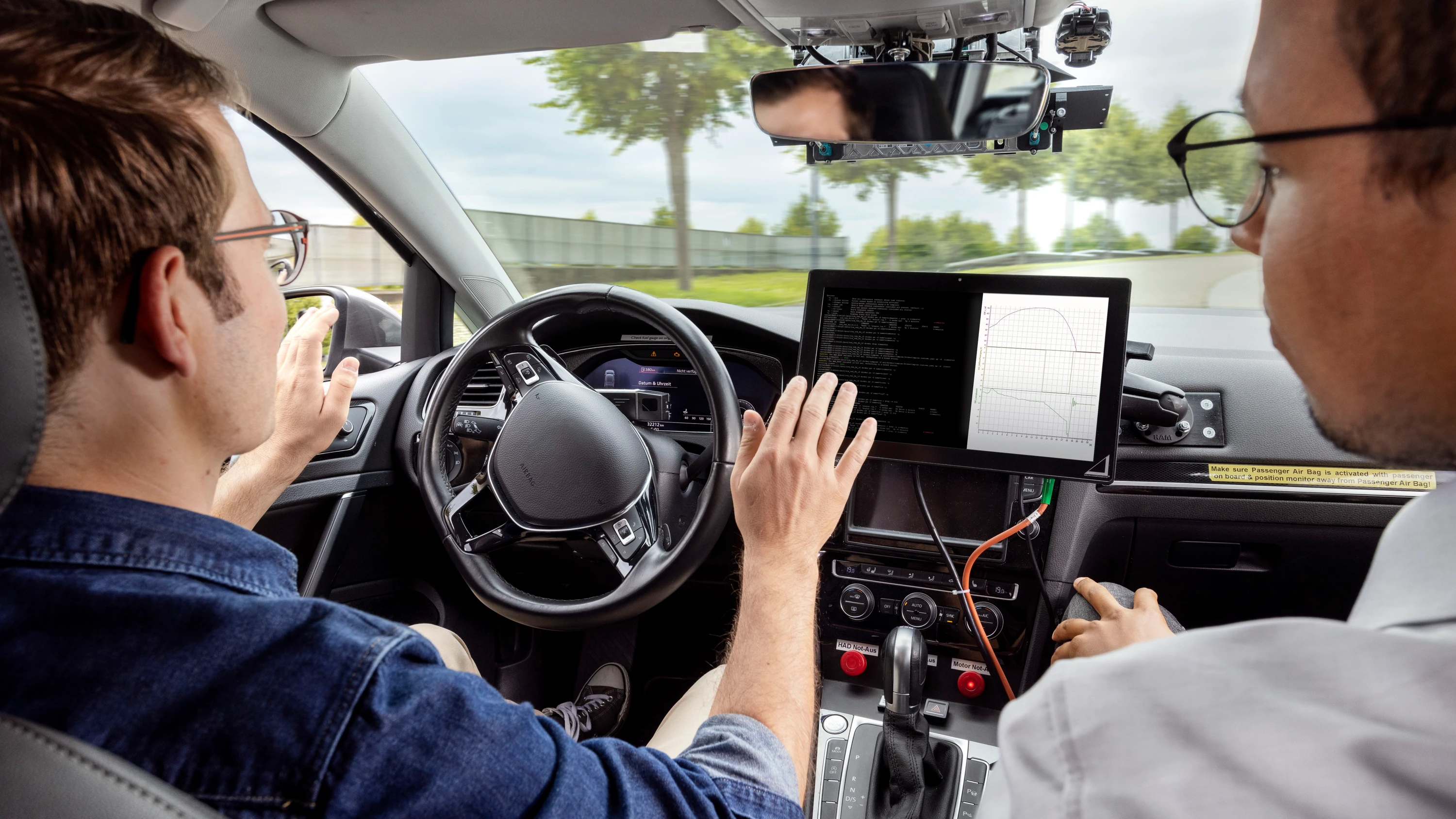
Mangelnde Innovationskraft: Aus der Substanz Dass Volkswagen und Bosch beim autonomen Fahren nicht vorankommen, spricht Bände über die Innovationskraft am Standort. Umso wichtiger ist ein entschlossenes Gegensteuern.
faz · about 2 months ago

BMW completes $1.7 billion investment in EV production at U.S. plants
news.yahoo.com · about 2 months ago

BMW Will Build a New Electric S.U.V. in South Carolina The German company is doubling down on electric vehicles even as other automakers pull back after acknowledging billions of dollars in losses.
new york times · about 2 months ago

Le groupe belge de champagne Vranken-Pommery au bord du précipice financier Le groupe fondé par le belge Paul-François Vranken ne sait plus faire face à 750 millions deuros de dettes. ...
la libre · about 2 months ago
Autohersteller: „Absolutes Kernprodukt: BMW stellt neuen X5 vor Am Dienstag hat das aktualisierte SUV-Modell X5 seine Premiere in den USA. BMW setzt angesichts des schwachen China-Geschäfts große Hoffnungen in das Auto, was Absatz und Marge angeht.
handelsblatt · about 2 months ago

Canicule : les ventes des fabricants asiatiques de climatiseurs explosent Les géants asiatiques de lélectroménager, spécialistes des climatiseurs mobiles, augmentent leur production pour répondre à la demande en Europe, tandis que les investisseurs parient sur la demande de systèmes de refroidissement industriels.
courrier international · about 2 months ago
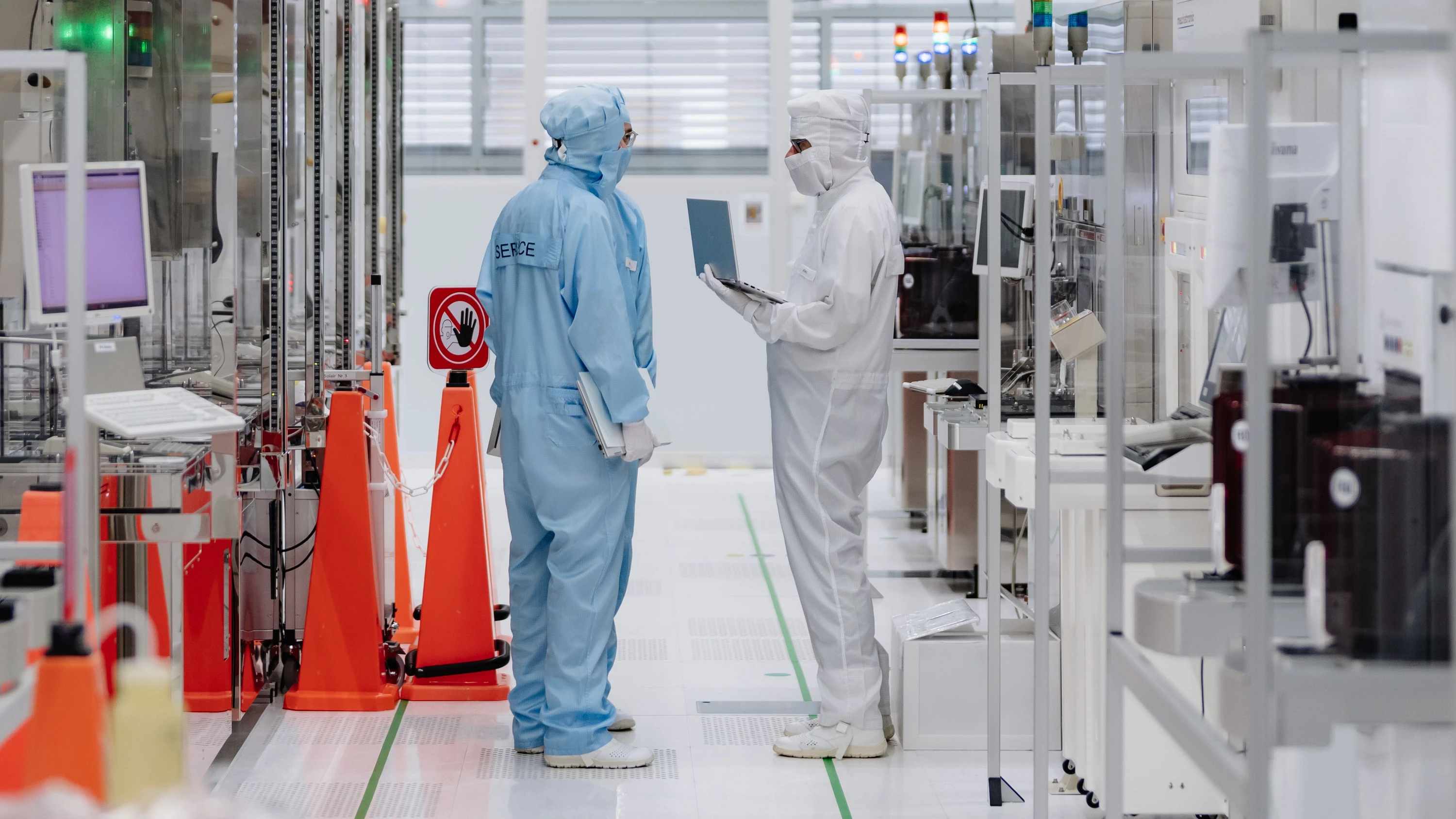
Chipfabrik in Dresden: Deutsche Zukunftsmaschine Die Technik hinter dem Bau des neuen Halbleiterwerks von Infineon in Dresden
faz · about 2 months ago
Berichte über Stellenabbau: Mansoori fordert Klarheit bei VW-Sparplänen Hessens Wirtschaftsminister Kaweh Mansoori meldet sich zu Berichten über einen möglichen Abbau von bis zu 100.000 Stellen bei VW zu Wort. Er fordert mehr Klarheit und Sicherheit für die Beschäftigten.
faz · about 2 months ago
Debate: Job cuts at VW: symptomatic of German industry crisis? According to media reports, Volkswagen is planning to reduce its global workforce of 657,000 by around 100,000 jobs over the next few years. In Germany, four plants belonging to Europes largest car manufacturer could be closed in the restructuring. Other companies are also planning to axe jobs in Germany. Europes media voice concern about Germanys future as an industrial hub and examine the causes.
eurotopics.net · about 2 months ago

El fabricante chino GWM, nuevo patrocinador oficial de la ACB La automovilística china será patrocinador oficial de la Liga Endesa, la Copa del Rey, la Supercopa Endesa y la Minicopa Endesa hasta 2029. Leer
expansion · about 2 months ago
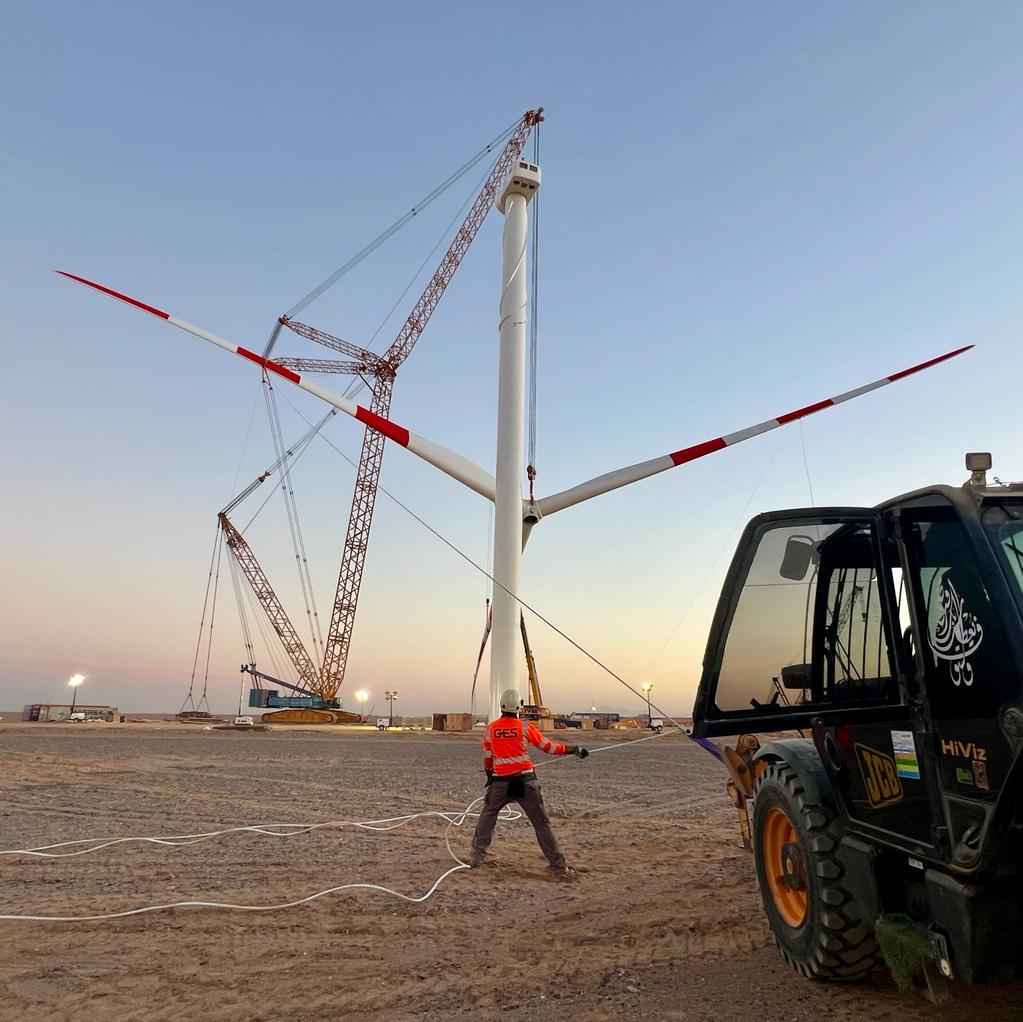
GES prevé aumentar este año un 20 su facturación en el negocio de instalación eólica La firma vizcaína integrada en CL Grupo Industrial cuenta con una cartera de pedidos que incluye el montaje de 127 aerogeneradores (turbinas eólicas) en España, Francia, Italia y Portugal y participa en la licitación de proyectos en África, Europa del Este y México. Leer
expansion · about 2 months ago
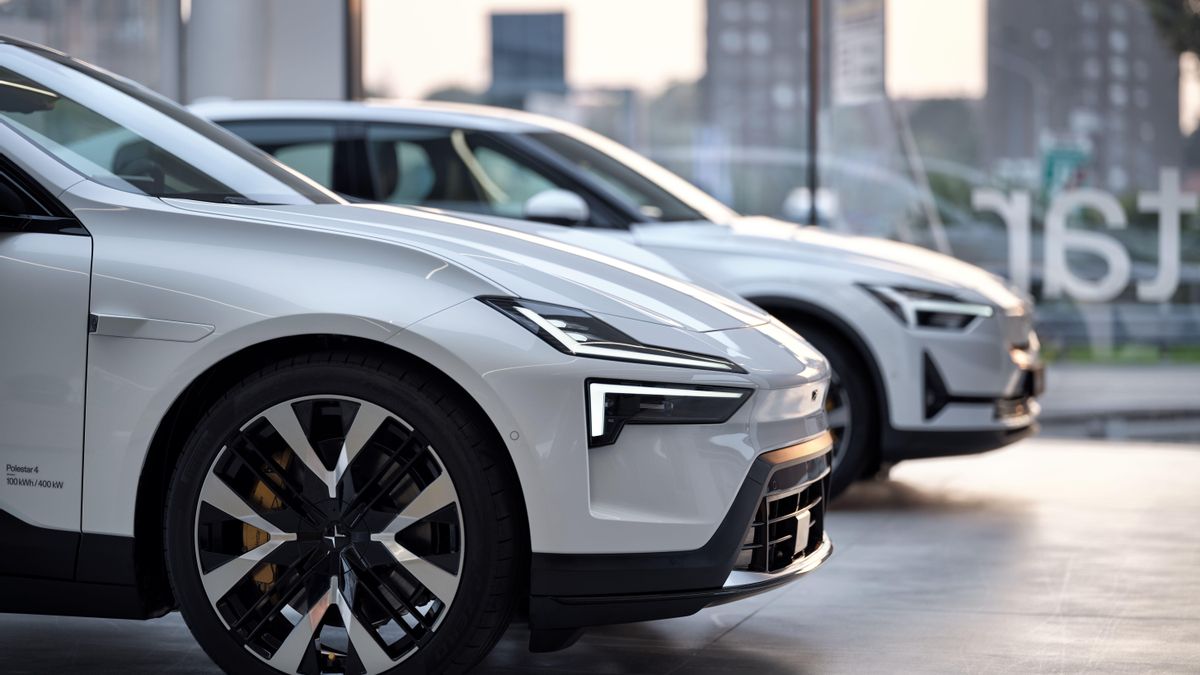
Polestar busca la rentabilidad sin EEUU tras su expulsión del mercado La marca sueca de vehículos eléctricos, controlada por el grupo chino Geely, reorienta su estrategia hacia Europa al perder el mercado de EEUU por el veto a fabricantes del país asiáticoPaso adelante de Polestar en ventas y expansión comercial La guerra comercial y tecnológica entre Estados Unidos y China ha terminado por cerrar la puerta a Polestar. La marca sueca de vehículos eléctricos, controlada mayoritariamente por el grupo chino Geely, ha quedado excluida del mercado estadounidense después de que el Departamento de Comercio rechazara concederle la autorización necesaria para comercializar nuevos vehículos a partir del año 2027 bajo la normativa sobre vehículos conectados. Contesta el Barómetro de Movilidad y Automoción 2026 en este enlace La decisión supone un duro golpe simbólico para una compañía que nació con vocación global y que aspiraba a crecer en Estados Unidos, aunque su peso en ese país se había ido reduciendo progresivamente hasta convertirse en un mercado secundario con un 6 de los 60.119 vehículos vendidos por Polestar en 2025. El consejero delegado de Polestar, el veterano directivo Michael Lohscheller, tendrá más difícil enderezar las cuentas de la marca, que en 2025 aumentó sus pérdidas netas un 15 hasta los 2.357 millones de dólares por amortizaciones adelantadas y costes de reestructuración. La reacción de los inversores fue inmediata: las acciones de Polestar llegaron a caer más de un 6 en el Nasdaq tras conocerse la decisión y acumula un 12 de retroceso en cinco días. Lejos de iniciar una batalla regulatoria, la compañía ha optado por asumir el nuevo escenario y acelerar un giro estratégico que ya había comenzado meses atrás. La industria del automóvil está entrando en una nueva fase basada en dinámicas regionales. Nuestra estrategia refleja esa realidad, siendo Europa nuestro principal motor de crecimiento y con el plan de fabricar el Polestar 7 en Europa, aseguró el consejero delegado, Michael Lohscheller. La decisión estadounidense responde a la denominada Regla de Vehículos Conectados, aprobada durante la Administración Biden y mantenida por Donald Trump, que prohíbe la importación y comercialización de automóviles equipados con tecnologías de conectividad vinculadas a China por motivos de seguridad nacional. La normativa afecta a sistemas como Bluetooth, WiFi, conectividad móvil o determinadas comunicaciones por satélite, al considerar que estos vehículos podrían recopilar información sensible de los conductores estadounidenses. Aunque Polestar dispone de producción fuera de China —incluyendo el Polestar 3 fabricado en Estados Unidos—, la estructura tecnológica y de propiedad del fabricante no ha convencido a las autoridades estadounidenses, que sí concedieron una autorización similar a Volvo Cars, marca hermana del grupo Geely. La compañía sueca ha confirmado que no recurrirá la decisión y limitará su actividad en Estados Unidos a la venta del stock existente de los Polestar 3 y Polestar 4, además de mantener el servicio posventa para sus clientes. Europa se convierte en el centro del negocio En realidad, la exclusión del mercado estadounidense llega cuando el peso de ese país en las cuentas de Polestar ya era muy reducido. Durante el primer trimestre de 2026, apenas el 6 de las ventas mundiales procedieron de Estados Unidos, mientras que Europa concentró el 78 del volumen comercializado. En conjunto, el 94 de las ventas ya se generan fuera del mercado estadounidense. Ese reparto explica por qué la compañía ha acelerado la expansión comercial en el continente europeo. En las últimas semanas ha anunciado su entrada en Estonia, Letonia y Lituania, alcanzando presencia en 31 mercados internacionales. La estrategia se apoya en acuerdos con distribuidores de Volvo para ampliar una red comercial que pretende alcanzar 250 puntos de venta en todo el mundo antes de finalizar 2026. Europa sigue siendo nuestro mayor mercado geográfico y continuaremos ampliando nuestra presencia allí, mientras seguimos invirtiendo en regiones con potencial de crecimiento como Europa del Este, el Sudeste Asiático, Latinoamérica y Canadá, ha señalado la compañía. La elección de los países bálticos tampoco es casual. Además de tratarse de mercados con elevada penetración del vehículo eléctrico, cuentan con una infraestructura de recarga en rápida expansión, un elemento que Polestar considera clave para consolidar sus ventas. Rentabilidad antes que crecimiento La retirada de Estados Unidos también refleja un cambio de prioridades dentro de Polestar. Tras varios ejercicios marcados por pérdidas, sucesivas ampliaciones de capital y un fuerte desplome bursátil que incluso obligó a ejecutar un contrasplit para mantener su cotización en el Nasdaq, la compañía ha dejado de perseguir el crecimiento a cualquier precio. El objetivo pasa ahora por concentrar inversiones en los mercados donde puede obtener mayor retorno, reducir la complejidad industrial y aprovechar economías de escala dentro del ecosistema Geely. La futura fabricación del SUV compacto Polestar 7 en Europa forma parte precisamente de esa estrategia de regionalización de la producción, destinada a reducir costes logísticos, minimizar riesgos arancelarios y acercar la fabricación a los principales mercados de demanda. Además, la ofensiva comercial continuará con una gama renovada que incluye el lanzamiento del Polestar 5 este mismo año, una nueva versión del Polestar 4 en la segunda mitad de 2026 y el relevo generacional del Polestar 2 en 2027. Incertidumbre entre clientes y concesionarios Si para la dirección la salida de Estados Unidos forma parte de una reorganización estratégica, entre los concesionarios y propietarios la noticia ha generado una gran incertidumbre. Los distribuidores estadounidenses habían invertido en nuevas instalaciones ante la llegada de futuros modelos y ahora deberán limitar su actividad al mantenimiento de los vehículos existentes y la comercialización de coches usados. Algunos compradores también temen una depreciación acelerada de sus vehículos o posibles dificultades para recibir actualizaciones de software y asistencia técnica a largo plazo. Polestar insiste en que mantendrá operativa su red de 32 centros de servicio, todos ellos apoyados en concesionarios Volvo, y que continuará suministrando actualizaciones y cobertura de garantía conforme a los planes previstos.
eldiario.es · about 2 months ago
Volkswagen: Paradigmenwechsel: VW erwägt Verkauf und Fertigung chinesischer Modelle in Europa Was lange als Tabu galt, wird bei VW konkreter: China-Modelle des Konzerns könnten künftig auch in Europa vertrieben, später zudem in deutschen Werken gebaut werden. Einen ersten Prüfauftrag gibt es schon.
handelsblatt · about 2 months ago
Medien: Großbritannien könnte Übernahme von Warner durch Paramount blockieren Die britische Regierung erwägt ein Veto gegen die milliardenschwere Fusion von Warner und Paramount. Sie sieht mögliche Risiken für den Wettbewerb.
handelsblatt · about 2 months ago
Germany seeks to prevent VW plant closures as restructuring looms The German government aims to prevent Volkswagen from closing domestic factories by strengthening competitiveness, though it stresses that final decisions rest with the company. VW is reportedly considering shutting four German plants and cutting up to 100,000 jobs, sparking fierce opposition from unions.
yenisafak · about 2 months ago
Mobilitätswende in Uganda: Unter Strom Elektrische Motorradtaxis, das größte E-Bus Werk Afrikas und Start-ups, die E-Bikes verkaufen: Uganda will Vorreiter in der Elektromobilität werden. mehr...
taz.de · about 2 months ago
Seilbahnen statt Autowahn: Wie Doppelmayr in den USA expandiert und Trumps Zölle nutzt Trotz der Zölle baut der Vorarlberger Lifthersteller sein Werk im gebirgigen US-Bundesstaat Utah aus. Die wahren Wachstumschancen liegen jedoch abseits der Skipisten
der standard · about 2 months ago