Prime Minister Pedro Sánchez confronts a resurgent PP-Vox opposition and fractious Catalan allies one week before Spain's November 29 election.
According to recent polls [1], the People's Party leads with around 31% of the vote and 129 seats. Vox approaches 19% and could double its 33 deputies. Together they would hold more than 190 seats in the 350-seat parliament, while the PSOE trails below 30% with fewer than the 121 seats it won in 2023.
José Félix Tezanos, president of the CIS polling institute, released the last legally permitted survey hours before the campaign began, awarding the PSOE up to 143 seats and denying PP and Vox an absolute majority [2]. Iván Redondo, the prime minister's former chief of staff, and Juan Miguel Becerra, a former PSOE electoral analyst, have also forecast a Socialist recovery. Critics call them "natural intoxicators" using polls to mobilize left-wing voters [2].
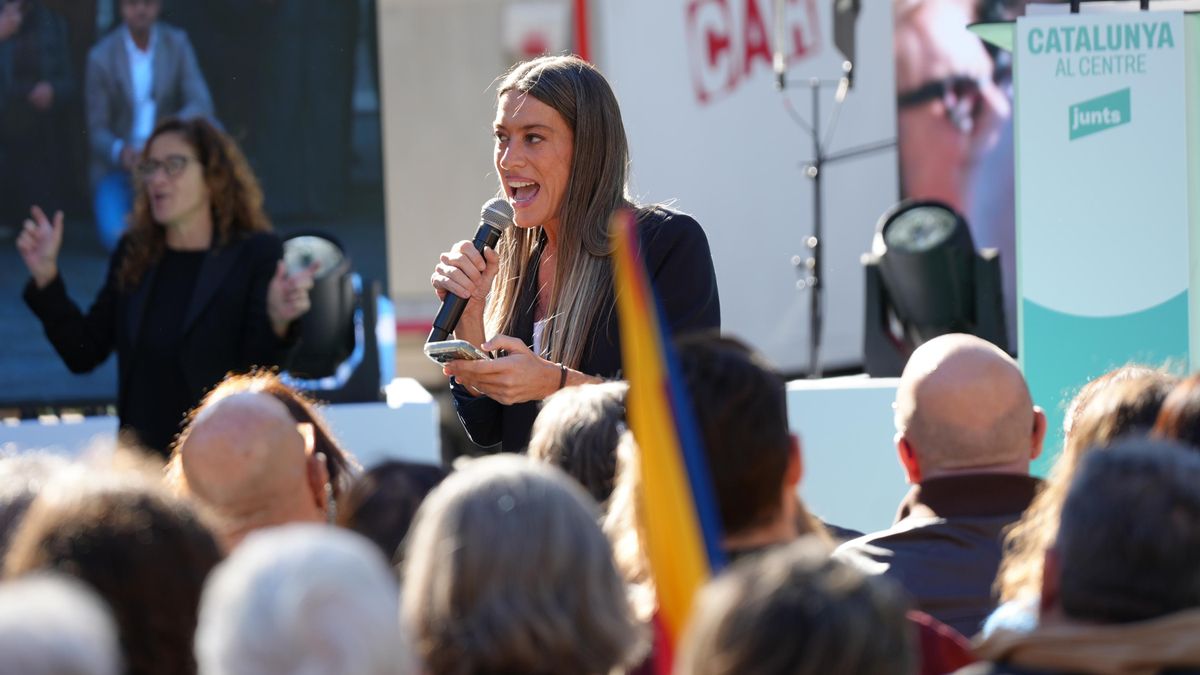
In Catalonia, Junts gathered former presidents Jordi Pujol, Artur Mas and Carles Puigdemont at a Castelldefels rally to frame the vote as a plebiscite [3]. "On 29N, you either vote Spain or you vote Catalonia," said Barcelona list head Míriam Nogueras. Puigdemont, speaking by video from Waterloo, claimed neither the PSC, ERC, Podemos nor the Frente Amplio would defend the Catalan language, while Nogueras equated Vox and the "extreme left" as "exactly the same" [3].
The left-wing Frente Amplio polls below 7%, down from Sumar's 12.33% in 2023 [1]. Its leader, former Barcelona mayor Ada Colau, campaigned in Las Palmas on Saturday urging each supporter to convince three people to vote for the coalition, aiming to surpass 10% and "take a seat from Vox" [4].
PP leader Alberto Núñez Feijóo, the frontrunner to become prime minister [5], held a rally in Murcia on Saturday with regional president Fernando López Miras [6]. His supporters called his performance in a televised debate with Sánchez a "glorious victory" that endangers the Socialists' chances [7].
Sánchez called the snap election on October 5 after parliament rejected housing decrees. The vote follows a general strike on November 11 with up to four million participants protesting housing costs. Voters weigh economic growth against crises including deadly 2024 floods, 2025 blackouts, train crashes and corruption convictions within the prime minister's inner circle [5].