
U.S. and Iran near 60-day ceasefire deal as Trump weighs final approval
Story Timeline
4 months · 3 summary articles
US and Iran agree 60-day roadmap to end Middle East war
Follow-upU.S. and Iran near 60-day ceasefire deal as Trump weighs final approval
U.S. and Iran finalize ceasefire deal: Trump's approval now decides its fate
Follow-up
U.S. and Iran stand on the brink of a 60-day ceasefire deal, but President Donald Trump’s final approval remains the last hurdle. After months of backchannel negotiations, U.S. and Iranian officials have agreed on a memorandum of understanding (MOU) that would extend the current truce, reopen the Strait of Hormuz to commercial shipping, and launch formal talks on Iran’s nuclear program—though Trump has yet to sign off, according to multiple reports confirmed by U.S. officials and mediators.
Vice President JD Vance, who led the U.S. negotiating team in Islamabad in April, told reporters Thursday that the two sides are “very close” to a deal but cautioned that “a couple of language points” still require resolution. “We’ve made a lot of progress here,” Vance said. “Hopefully, we’ll continue to make progress and the president will be in a position where he can endorse the agreement, but obviously that’s still TBD.” A U.S. official added that Trump is “leaning toward” approving the deal but wants to ensure Iran will not backtrack after signing, citing past instances where Tehran reversed commitments.
The proposed MOU would extend the ceasefire by 60 days, a timeline designed to create space for broader negotiations on Iran’s uranium enrichment and regional military activities. Axios reported that Iranian negotiators, through Qatari mediators, have signaled they have the necessary internal approvals to sign, though Iranian state-affiliated Tasnim News Agency denied the MOU had been finalized. Trump’s hesitation appears tied to both domestic political considerations and lingering distrust of Tehran’s reliability, a U.S. official said. On Thursday, Trump consulted with Qatar’s Emir Sheikh Tamim Al Thani, whose country has played a central role in brokering the talks.
The deal’s potential signing would mark the most significant diplomatic breakthrough since the U.S.-Iran conflict escalated into open warfare in 2024. However, even if Trump approves the MOU, U.S. officials warn that a final, comprehensive agreement—particularly on Iran’s nuclear program—would require “further intensive negotiations.” The Strait of Hormuz, a critical chokepoint for global oil shipments, has been a flashpoint in the conflict, with Iran repeatedly targeting vessels attempting to pass through the waterway. Recent violations of the current ceasefire, including an Iranian missile strike on Kuwait and attacks on ships in the strait, underscore the fragility of the truce.
In a parallel effort to build regional support, Trump has shared the draft agreement with allies, including Israel, as part of a push to prevent localized skirmishes from derailing the deal. Pakistan’s Foreign Minister Mohammad Ishaq Dar is set to meet U.S. Secretary of State Marco Rubio in Washington on Friday to discuss the negotiations, signaling Islamabad’s role in the mediation process. Meanwhile, Hezbollah has continued cross-border attacks on Israel, claiming strikes on military positions in southern Lebanon, further complicating the diplomatic landscape.
The next 48 hours are critical. U.S. officials suggest an announcement could come as early as Sunday if Trump gives his approval. Failure to secure the deal risks a return to open hostilities, with both sides already exchanging fire in recent days. The MOU’s success hinges not only on Trump’s signature but on Iran’s willingness to adhere to its terms—a test that has repeatedly stalled past negotiations.
Follow us for live European news
Articles

Krieg in Nahost: Vance: USA und Iran „kurz vor Abkommen – Trump muss zustimmen Laut dem US-Vizepräsidenten gibt es zwischen den USA und Iran eine vorläufige Einigung. Entscheidend ist, ob Trump den Deal absegnet und Iran bei Uran und der Straße von Hormus nachgibt.
sueddeutsche · 4 months ago
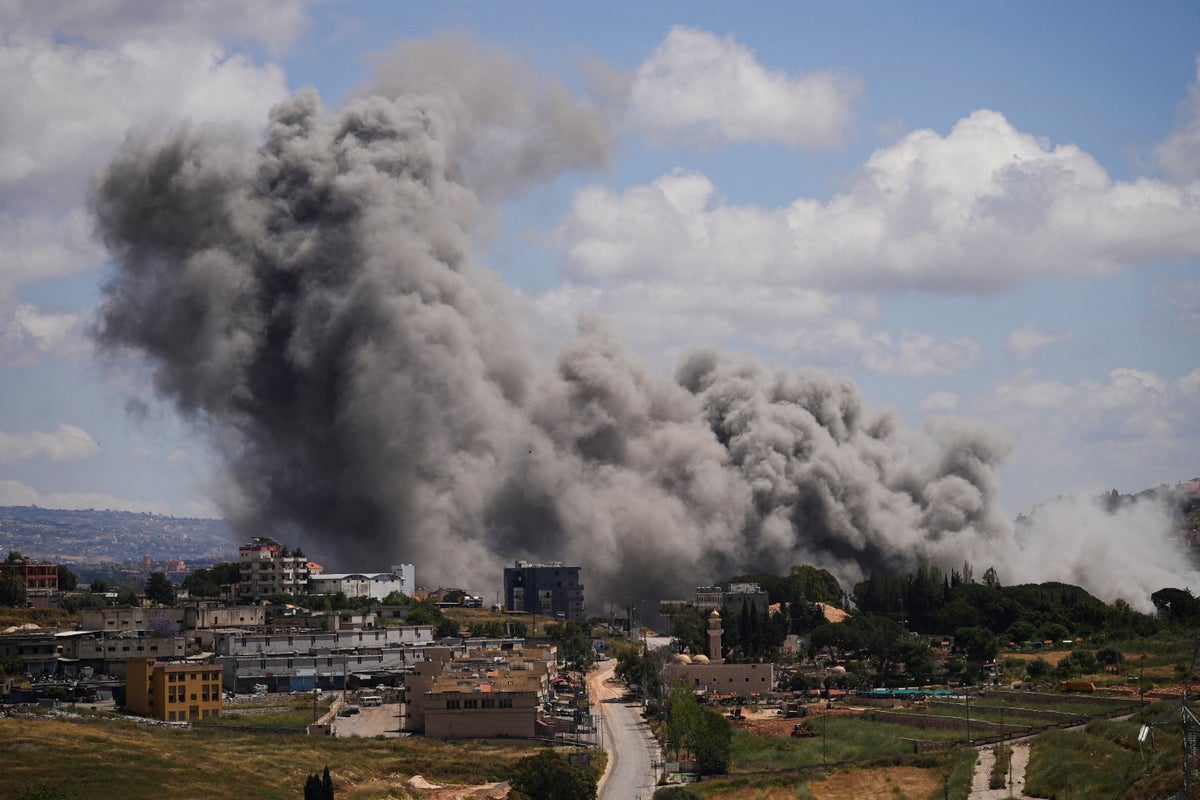
Iran-US war latest: Tehran and US agree deal to open Strait of Hormuz pending Trumps approval Iranian media denied reports that a draft agreement of ceasefire extension is with Trump for approval
independent · 4 months ago
Middle East war live: Vance says US and Iran close to agreement as ceasefire deal reported US Vice President JD Vance said Thursday that Washington was not there yet on an agreement with Iran but that the two sides were close, while also noting that the US retains the ability to significantly set back Tehrans nuclear programme. The comments came as reports emerged of a tentative deal to extend a ceasefire and ease shipping restrictions in the Strait of Hormuz, pending approval from President Donald Trump. Follow our liveblog for the latest updates. 👉 Read more:
telegram bot · 4 months ago
Krieg in Nahost: USA und Iran wollen Waffenruhe um 60 Tage verlängern – Trump muss zustimmen Laut US-Vizepräsident Vance gibt es zwischen den USA und Iran eine vorläufige Einigung. Entscheidend ist, ob Trump den Deal absegnet und Iran bei Uran und der Straße von Hormus nachgibt.
sueddeutsche · 4 months ago
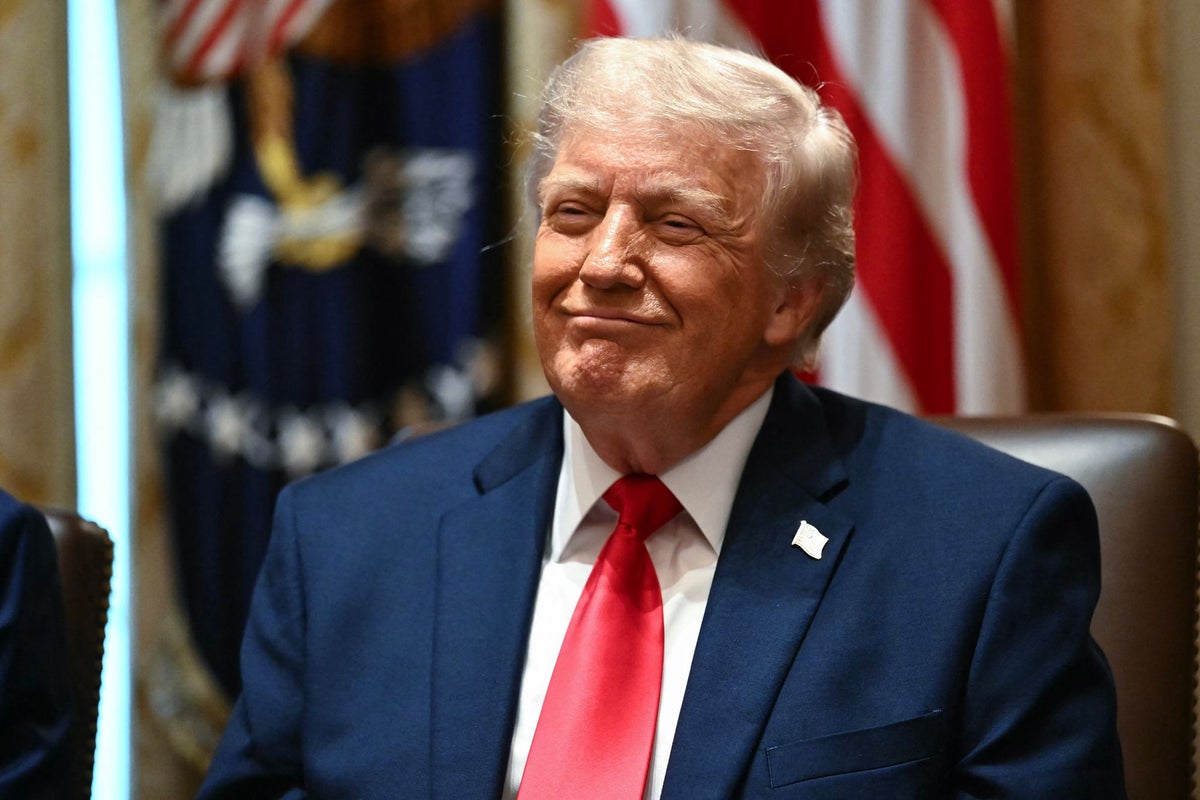
Iran-US war latest: Deal to extend ceasefire and open up Strait of Hormuz just needs Trump signature Iranian media denied reports that a draft agreement of ceasefire extension is with Trump for approval
independent · 4 months ago
Vance: No US-Iran deal yet US Vice President J.D. Vance stated that the US is not there yet with Iran, but the parties are very close to an agreement. Axios reported that the two nations agreed on a deal to extend their ceasefire and begin negotiations on Irans nuclear program, though President Trump has not yet approved the 60-day Memorandum […]
cphpost · 4 months ago
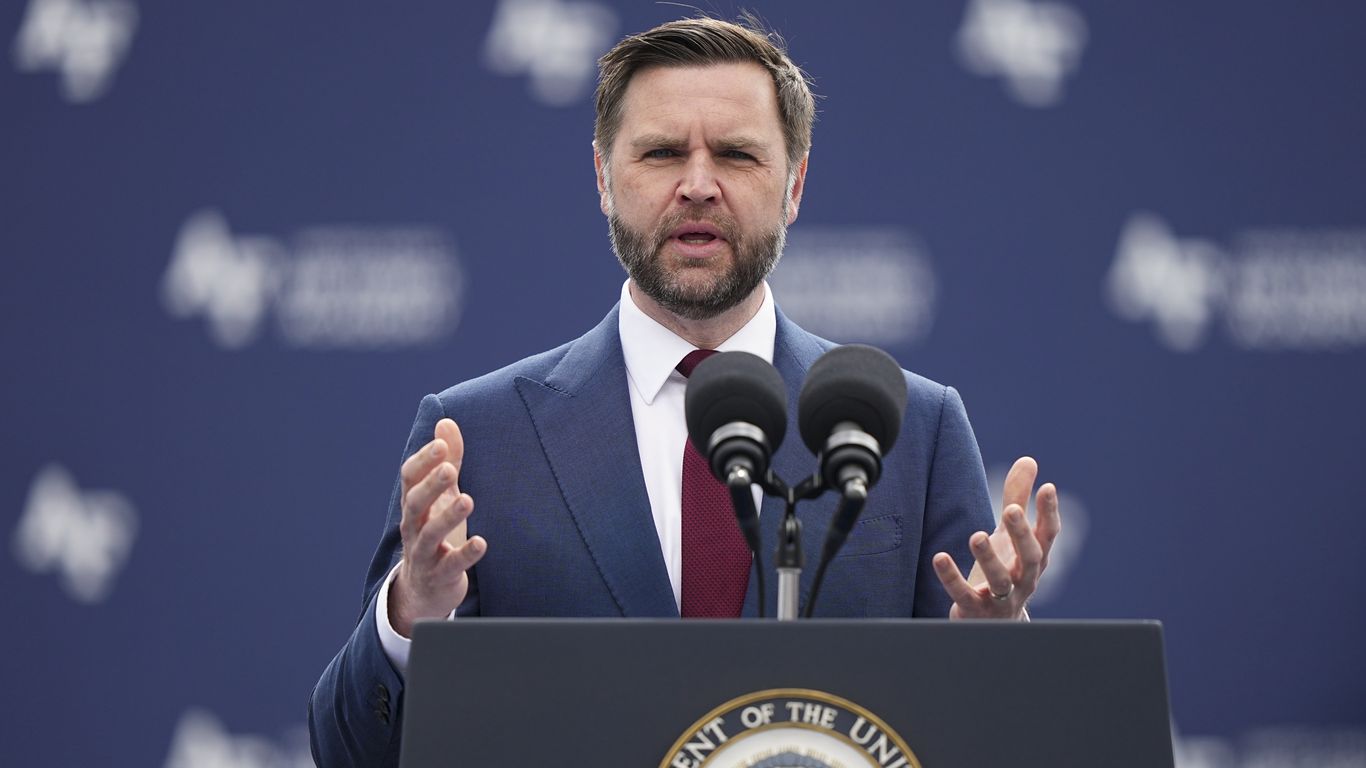
Vance says U.S. and Iran are "very close" to a deal Vice President JD Vance said Thursday that the U.S. and Iran were "very close" to a memorandum of understanding (MOU) that would extend the ceasefire by 60 days, reopen the Strait of Hormuz, and launch talks on limiting Tehrans nuclear program.Why it matters: The signing of the MOU would be the most significant diplomatic breakthrough since the war started, but a final agreement tackling President Trumps nuclear demands would require further intensive negotiations.Trump and his advisers thought they were close to a deal several times at earlier stages in the war, but talks repeatedly stalled. Driving the news: U.S. and Iranian negotiators have reached an agreement on a 60-day MOU, but Trump has yet to give his final approval, Axios reported earlier Thursday. U.S. officials claimed their Iranian counterparts told them through mediators that they had the necessary approvals and were prepared to sign. An official from one of the mediating countries confirmed this.The American negotiators briefed Trump on the details of the final deal, but he did not immediately sign off. "The president relayed to the mediators that he wants a couple of days to think about it," a U.S. official said.The Iranian regime has not commented publicly on the story, but Tasnim News Agency, which is affiliated Irans Islamic Revolutionary Guard Corps, quoted a source that claimed the MOU hadnt been finalized. State of play: Senior U.S. officials said that as of Thursday afternoon, Trump was leaning toward signing off on the deal but had yet to do so.Trump spoke Thursday afternoon with Qatars Emir Sheikh Tamim Al Thani to discuss the deal with Iran. Qatar is a key mediator between the two countries.One reason Trump wants to wait another few days is to make sure Iranian officials would sign the deal and not back away, a U.S. official said. The U.S. official said another reason is that Trump wants to see how the domestic political debate around the deal plays out before he makes a final decision.What hes saying: Vance, who led the U.S. negotiations team in talks with Iran in Islamabad, Pakistan, in April and has been deeply involved in the issue since, said Thursday that it was hard to say when or if Trump would sign off on the MOU with Iran."Were going back and forth on a couple of language points. Weve made a lot of progress here," Vance said. "Hopefully, well continue to make progress and the president will be in a position where he can endorse the agreement, but obviously thats still TBD," he added."I cant guarantee that were going to get there ... but right now I feel pretty good about it."Go deeper: Whats in the deal
axios · 4 months ago

JD Vance says US not there yet on an Iran deal – as it happened This live blog is now closed, you can read our latest report from the Middle East hereDonald Trump shares draft Iran peace agreement with Israel and other alliesHezbollah has claimed dozens of drone and rocket attacks that it said targeted Israeli troops in southern Lebanon and northern Israel.The group said it launched several attacks on Israeli soldiers and tanks that crossed the Litani river into the town of Zawtar al-Sharqiyah near Nabatieh, as close-range fighting continues. Continue reading...
theguardian · 4 months ago
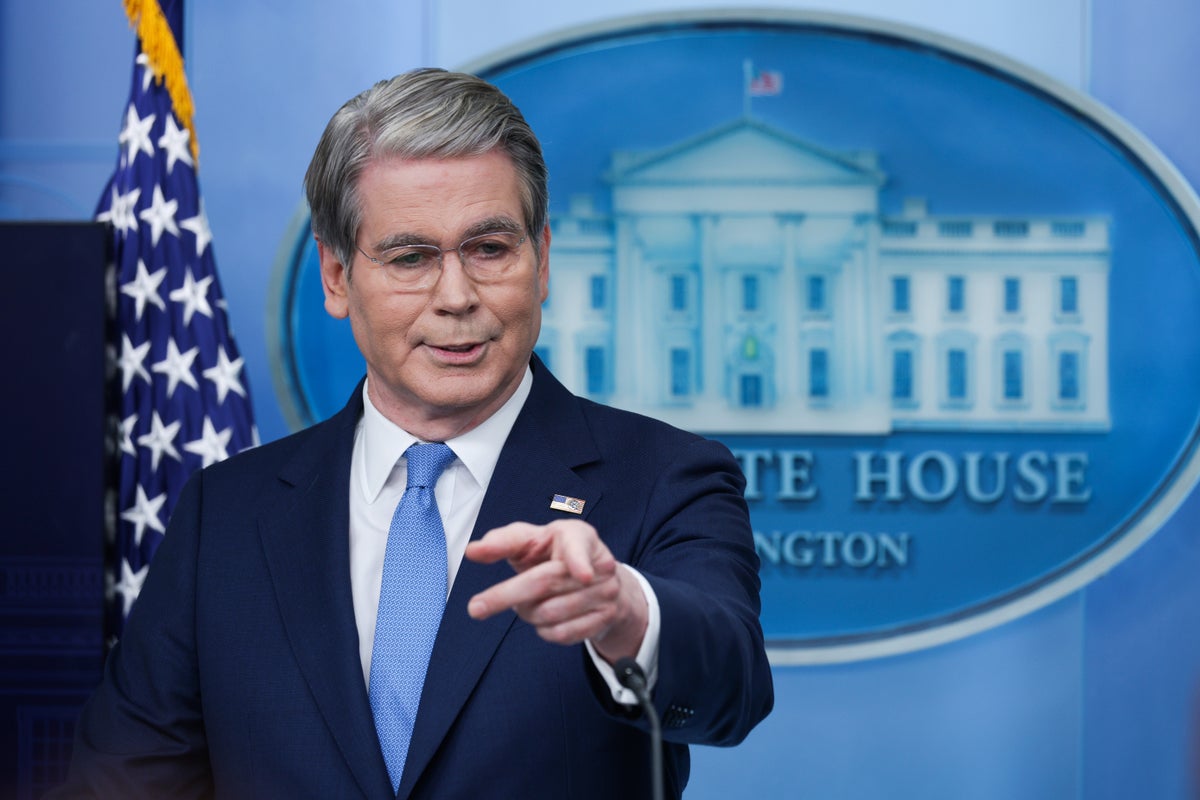
Iran-US war latest: Trump official says admin doesnt have unlimited patience as it clashes with Tehran over deal Iranian media denied reports that a draft agreement of ceasefire extension is with Trump for approval
independent · 4 months ago

Donald Trump shares draft Iran peace agreement with Israel and other allies US presidents move comes as both sides try to prevent fresh ceasefire breaches scuppering a potential dealMiddle East crisis – live updatesDonald Trump has circulated a draft peace agreement for the war with Iran among allies including Israel as both sides try to prevent fresh breaches of the ceasefire escalating out of control and scuppering any deal.In an attempt to speed up the negotiations, Pakistans foreign minister, Mohammad Ishaq Dar, will fly to Washington on Friday to meet his US counterpart, Marco Rubio. Continue reading...
theguardian · 4 months ago
Guerra in Iran, le news del 28 maggio. Axios: Iran e Usa hanno raggiunto accordo, manca il via libera di Trump Forse verrà annunciato domenica. Centcom: Missile iraniano su Kuwait. Violato cessate il fuoco. Raid Idf su Beirut. LIran apre il fuoco contro 4 navi che tentano di attraversare Hormuz. Sirene di allarme nel nord di Israele per infiltrazioni aeree. Colpita base aerea statunitense dopo attacco aeroporto Bandar Abbas
corriere · 4 months ago