Five European Union countries announced on Monday plans to establish a deportation centre in Rwanda for rejected asylum seekers, starting in 2027.
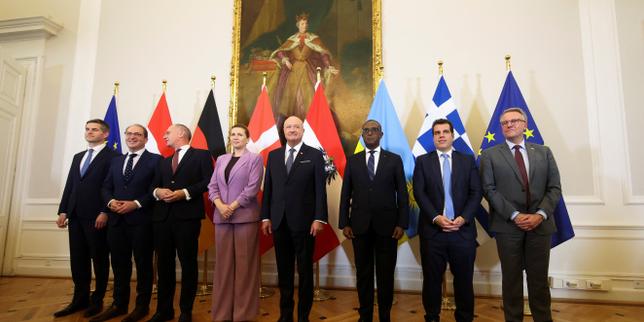
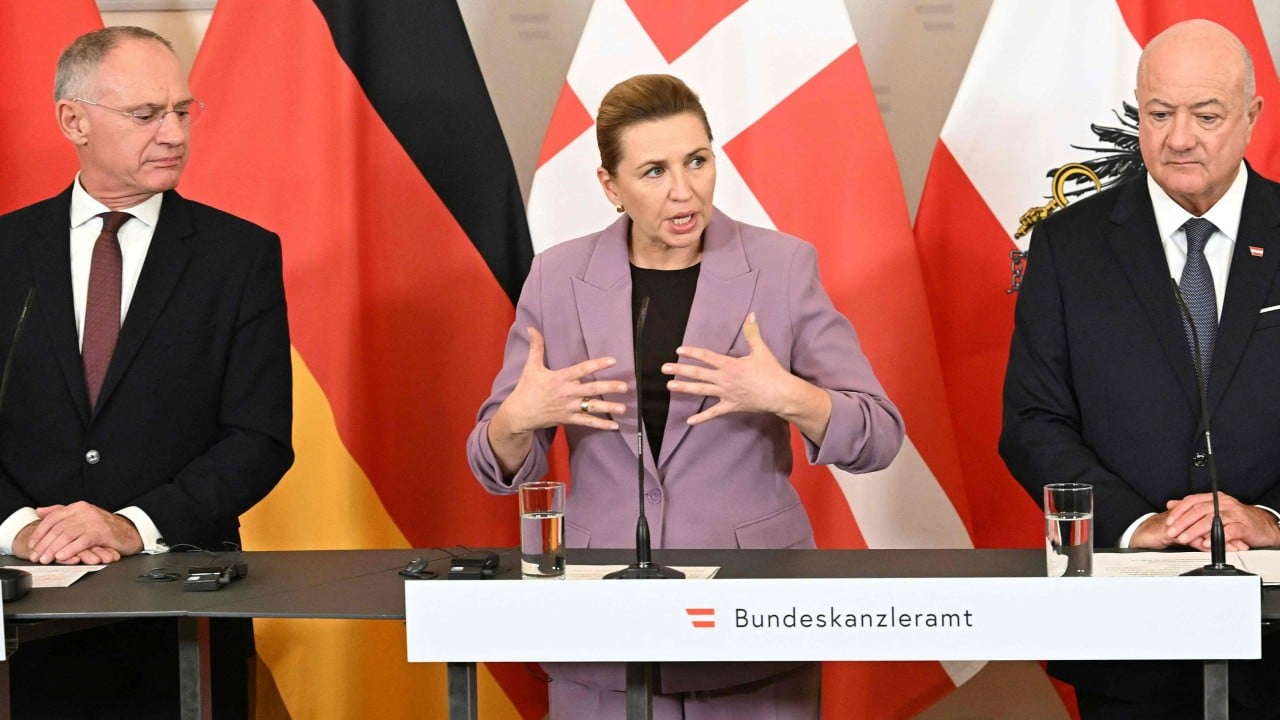
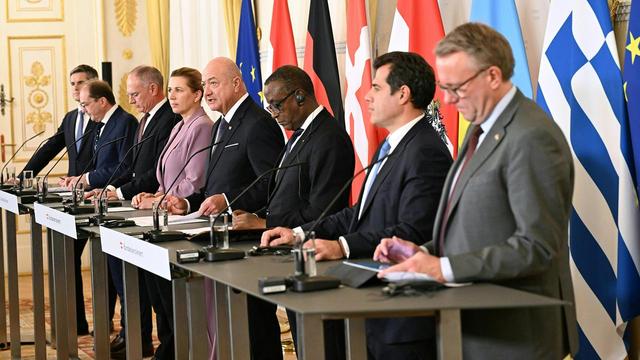
Germany, Austria, Denmark, Greece and the Netherlands unveiled the plan in Vienna on Monday at the Vienna Migration Conference. The facility, called a "return hub," would be the first such centre outside the European Union. Officials said negotiations with Rwanda are ongoing and aim to begin deportations in 2027.
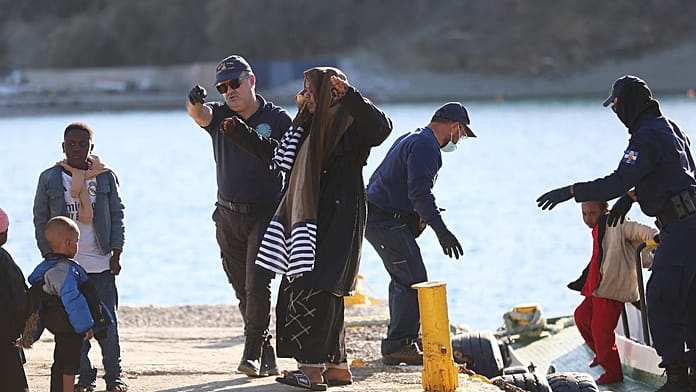
The scheme would apply to people who have exhausted all legal avenues to remain in the five countries and cannot be returned to their home countries. Minors are excluded initially. The first centre would hold 100 places. Once in Rwanda, migrants would receive residence permits. They would be placed in an open facility without barbed wire. There, they could choose to return home, settle in Rwanda, or move elsewhere where they have a right to stay.
Austrian Chancellor Christian Stocker called the agreement a "truly historic paradigm shift in migration policy." Danish Prime Minister Mette Frederiksen said it would be a "game changer" and added, "We will take back control of our borders." Rwanda's Interior Minister Vincent Biruta said the plan would offer "a second chance to people who no longer have the right to remain in the partner country."
The plan follows the European Union's new Return Regulation, approved in June, which allows member states to establish return hubs in non-EU countries. European officials insist the scheme will comply with EU and international law. European Commission spokesman Markus Lammert welcomed the plans, noting the EU had been "closely following the preparatory work of the five member states for such a return hub."
Human Rights Watch condemned the plan, saying Rwanda has an "abysmal human rights record" and that "history has shown that third country transfers violate rights and cause suffering." Judith Sunderland, the group's senior associate refugee and migrant rights director, said the choice of Rwanda "evokes deep skepticism that any nominal rights safeguards will be respected." 45 rights, aid and trade union groups urged the five countries to abandon the plan. The Council of Europe said in July that return hubs posed "considerable human rights risks."
The announcement marks the culmination of an EU push to boost deportations launched in 2024. Currently, less than 30 percent of people ordered to leave the bloc are returned to their country of origin. Around 100 protesters gathered in Vienna on Monday holding placards reading "Stop EU-Rwanda deal!" Ireland's Taoiseach said Ireland has not yet decided whether to join the scheme.