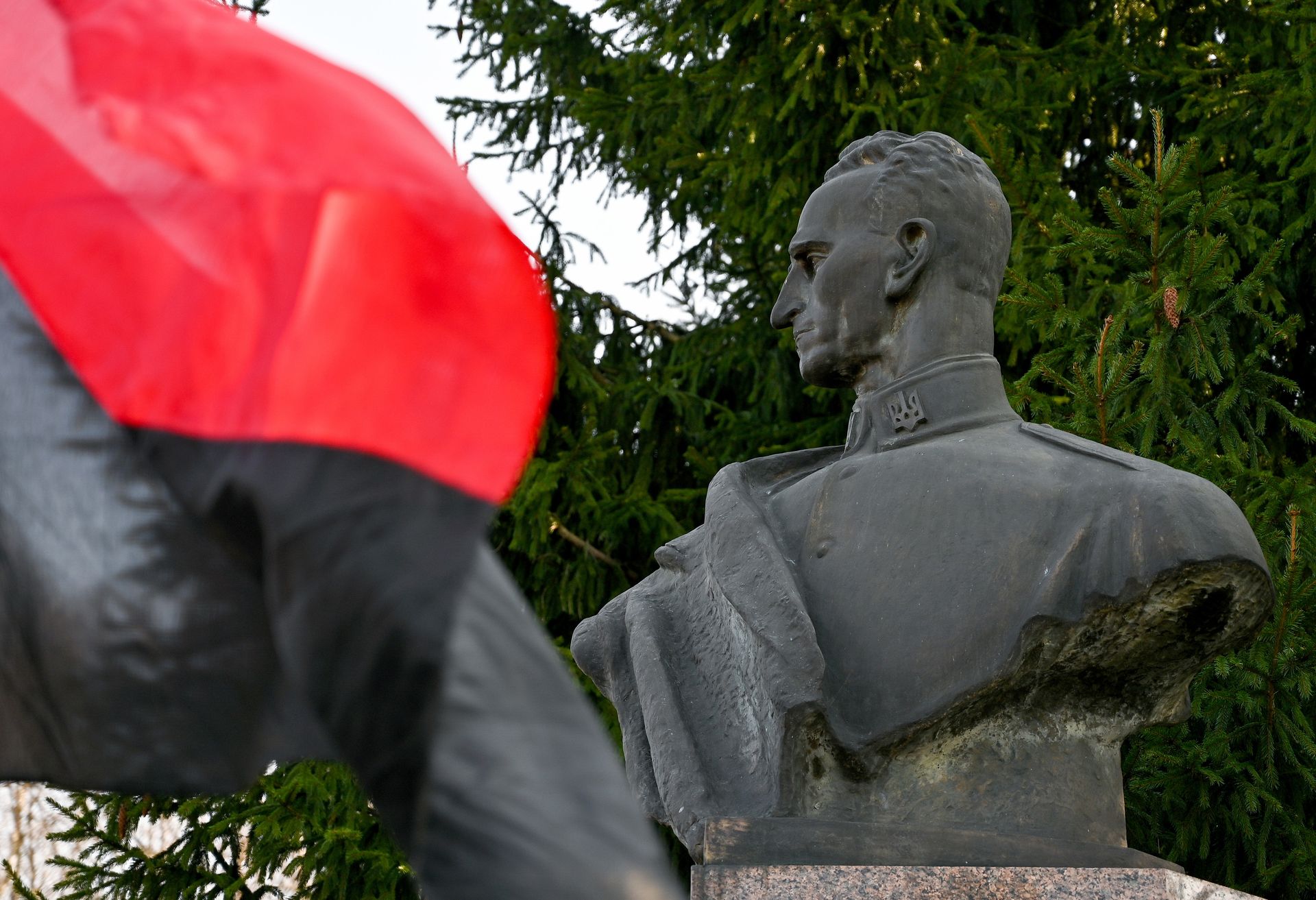
Poland has suspended talks with Ukraine on a financial support instrument after the Lviv Regional Council declared 2027 the Year of the Ukrainian Insurgent Army (UPA), its commander Roman Shukhevych, and political figure Oleh Olzhych, according to Polish and Ukrainian sources.
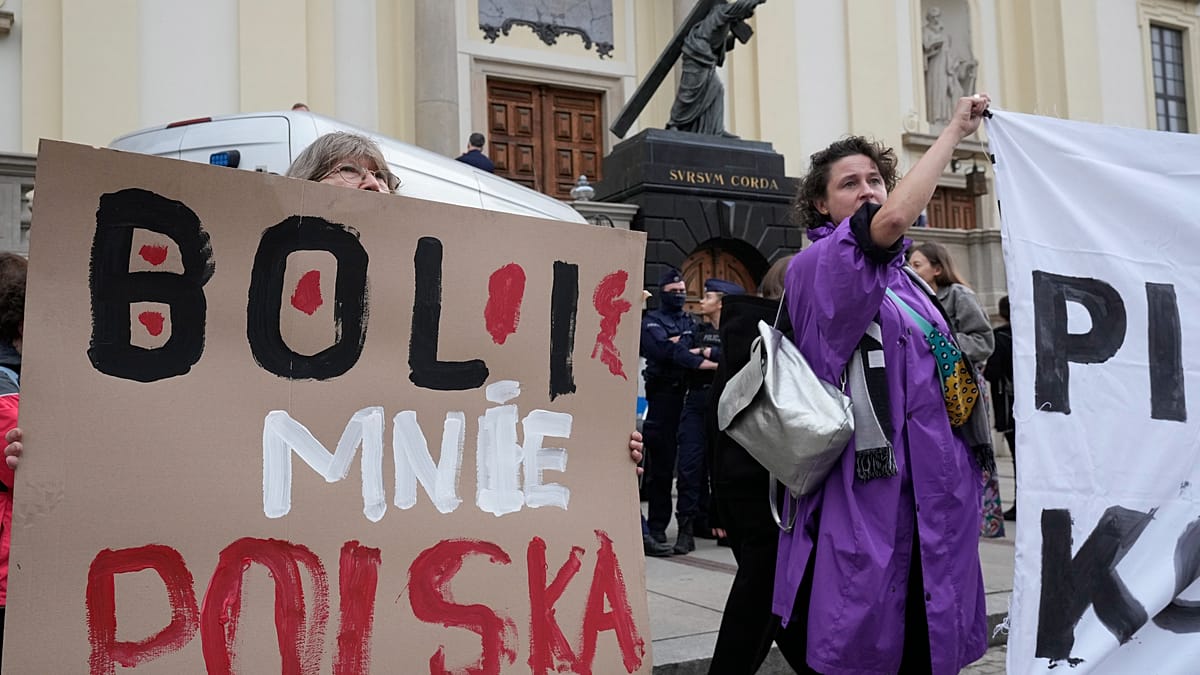
The council adopted the resolution during an Oct. 20 plenary session, prompting swift condemnation from Warsaw. Polish Prime Minister Donald Tusk called the move “unwise” and said it “harms Ukraine itself,” while Defense Minister Władysław Kosiniak-Kamysz deemed it “unacceptable,” stating it “deepens divisions” between the two nations. Deputy Foreign Minister Marcin Bosacki said Ukraine had assured Poland the resolution would not take effect, and the council’s Facebook announcement was later removed .
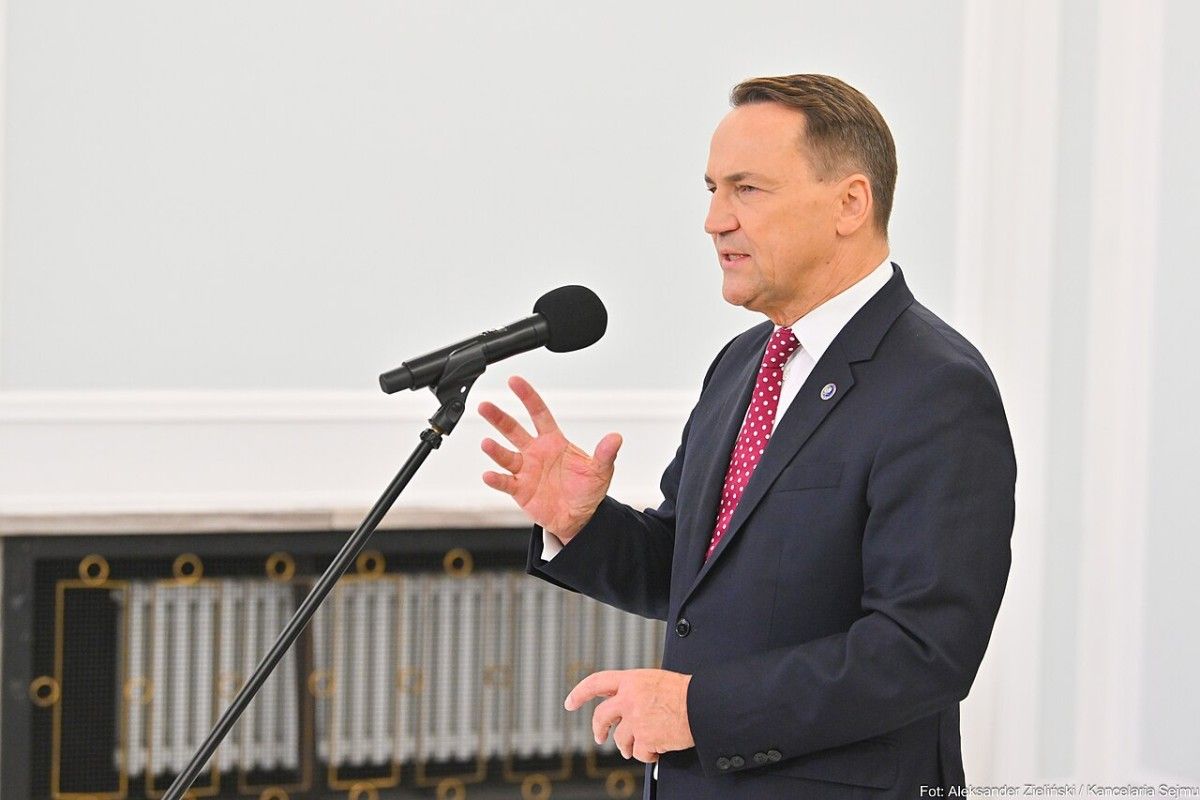
Polish Foreign Minister Radosław Sikorski signed a request to ban Swiatosław Szeremeta, the council member who initiated the resolution, from entering Poland and the Schengen zone for five years. Sikorski also warned that historical disputes could affect Ukraine’s EU accession, citing cases like Croatia’s need to stop honoring WWII-era fascist figures to join the bloc .
Ukrainian government sources described the Lviv decision as a “surprise” and said consultations were underway to block it. A Ukrainian source told RBC Ukraine that the vote coincided with Poland’s preparation of a large military aid package, which was then put on hold. “Their irresponsible actions have now put delivery of this package on hold,” the source said .
Poland’s Defense Ministry denied halting military aid, but Polish media reported that talks on a non-military support mechanism—likely a loan—were suspended. Onet cited sources confirming the pause in negotiations, though not related to arms deliveries .
The UPA’s legacy has repeatedly strained Poland-Ukraine relations. Earlier this year, President Volodymyr Zelensky awarded the title “Heroes of the UPA” to a Ukrainian military unit, drawing Polish criticism over the group’s role in the 1943–1944 Volhynia massacres, which killed tens of thousands of Poles and Ukrainians. Zelensky later pledged to open archives on the massacres .