Paris banned protests in parts of the city on Thursday as France braced for further demonstrations following some of its worst street unrest in years, with authorities imposing restrictions near key landmarks including the Elysee Palace, parliament buildings, and tourist sites like the Louvre and Champs-Elysees .
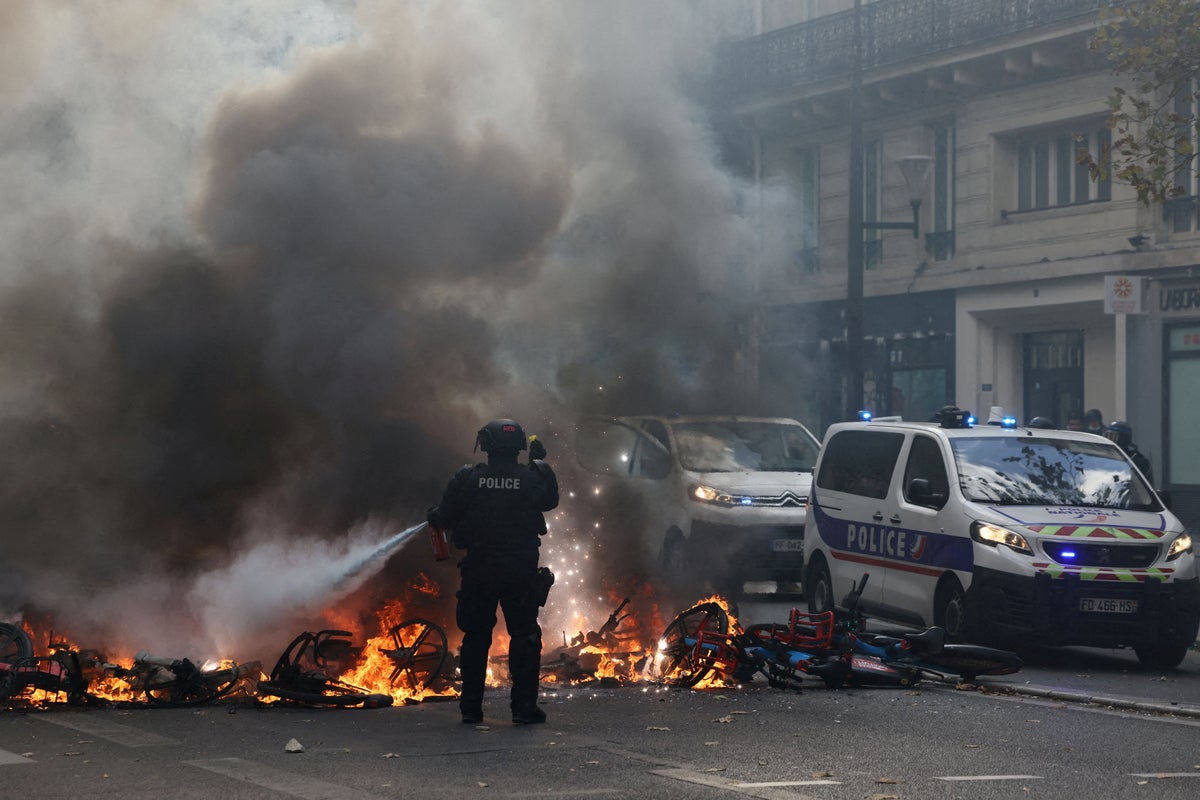
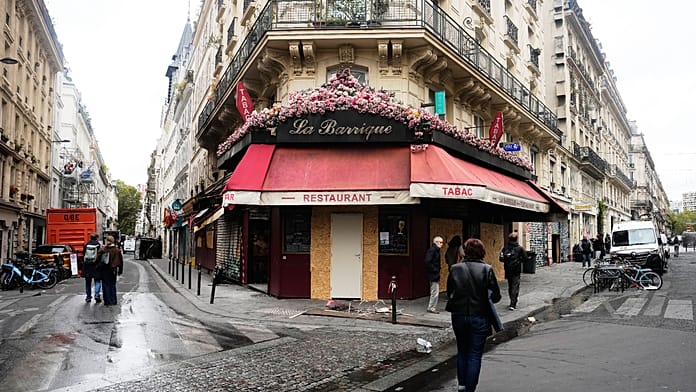
The ban, in effect from 8 a.m. to 8 p.m., came after weekend riots saw widespread looting and violence in Paris, Marseille, Lyon, and Limoges, where the town hall was set on fire. Police cited the organizer’s “inability to prevent violence and vandalism” as the reason for the prohibition .
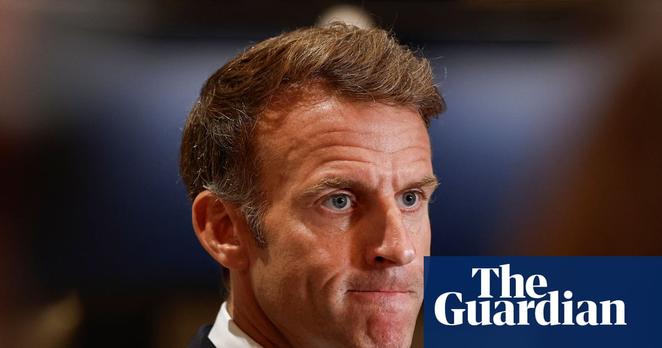
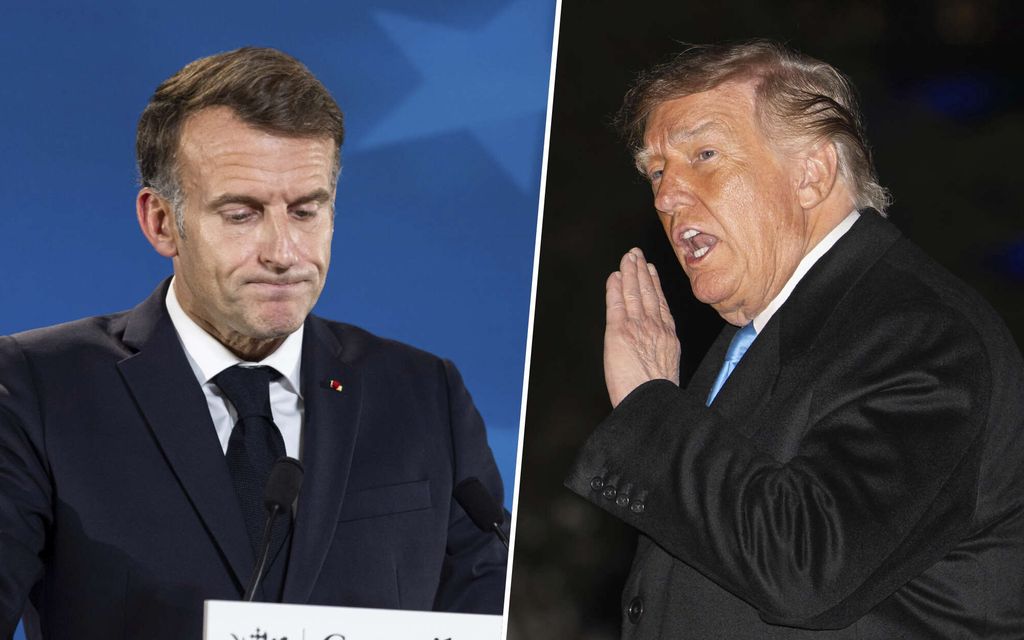
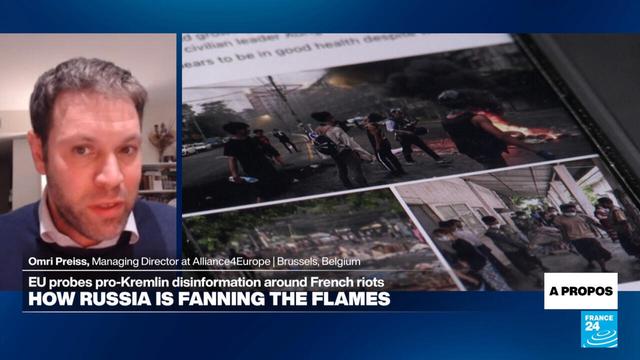
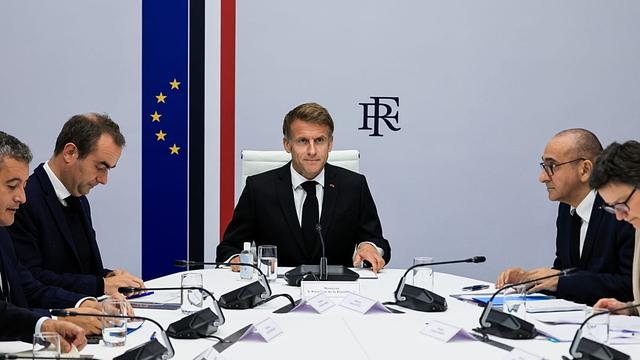
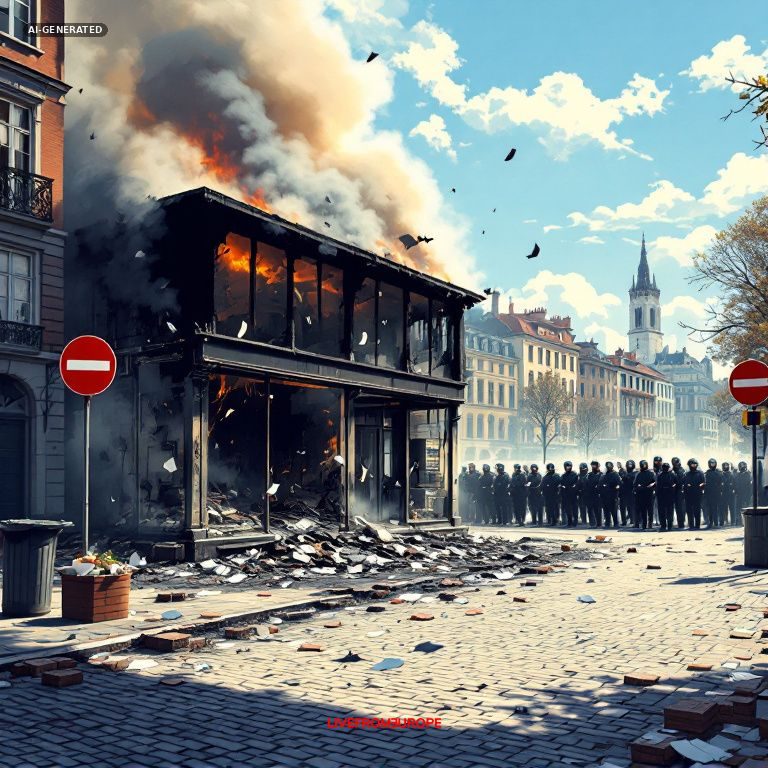
President Emmanuel Macron, speaking in Doha, accused foreign leaders—including U.S. President Donald Trump—of exploiting the unrest for political gain, calling their remarks “as unacceptable as they are stupid.” Trump had blamed migrants and jihadists for the violence, while Macron dismissed claims of an “invasion of migrants and Islamists” as false, noting AI-generated images had circulated depicting fabricated scenes .
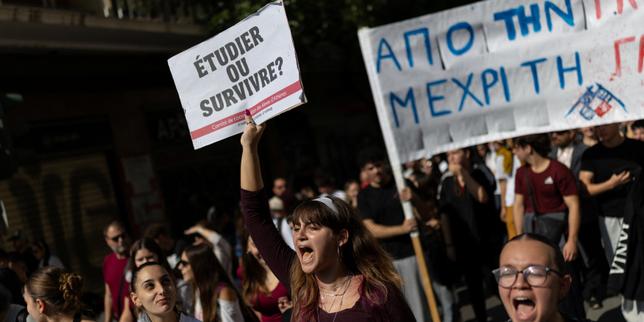
The government admitted losing control during Saturday’s unrest, which began as student-led protests over school conditions but escalated into broader demonstrations against rising living costs. Prime Minister Sébastien Lecornu met with mayors from the hardest-hit cities, including Paris, Marseille, and Lyon, to coordinate a reinforced security response .
Authorities also considered temporary suspensions of social media platforms like TikTok and Snapchat, used by rioters to coordinate, though Interior Minister Laurent Nunez stressed such measures would require strict legal conditions .
The unrest has already impacted tourism, with hotel bookings slowing as images of the riots deter foreign visitors . Additional protests are planned for Saturday, with the Yellow Vest movement and student groups calling for marches in Paris and other cities.