German political parties are debating potential coalition shifts and engagement with the far-right Alternative for Germany (AfD) amid rising economic and social pressures.
Manfred Weber, chair of the European People’s Party group in the European Parliament, argued that the CDU/CSU’s longstanding "firewall" against the AfD had failed and should be abandoned. "The barrier in the sense of 'either them or us' must go into history," Weber told *Süddeutsche Zeitung* on Saturday, citing France as an example where such a strategy had backfired .
The debate follows recent state election losses for the CDU, including in Sachsen-Anhalt, where the AfD secured a plurality but lacks a majority. Weber criticized the current approach, stating that the CDU/CSU is often forced to vote with left-wing parties in minority governments, while the AfD aligns with CDU proposals in parliament—only for the CDU to reject them due to the firewall policy.
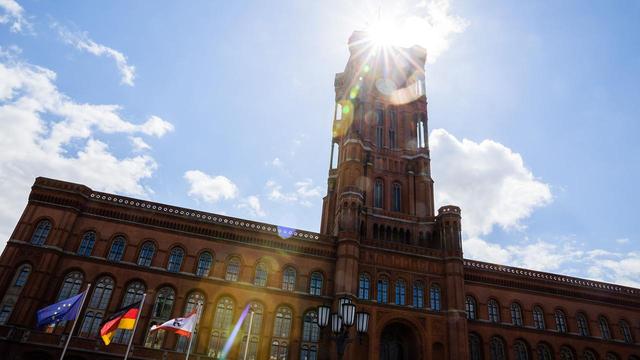
In Berlin, tensions have also surfaced over potential left-wing coalitions. Culture Minister Wolfram Weimer, a CDU ally, warned that a red-green-red alliance in the city would amount to a "vote of no confidence" against the federal coalition, citing concerns over radicalism. SPD Secretary-General Tim Klüssendorf countered that Weimer had "not understood the seriousness of the situation" and urged the CDU to reaffirm its rejection of cooperation with far-right parties .
The discussions reflect broader anxieties over economic inequality and political polarization. A CDU-affiliated foundation’s magazine questioned whether Germany’s reform debates had become overly fixated on financial constraints, warning that such conflicts could destabilize democracy .