
On Tuesday, the European Parliament demanded unrestricted humanitarian access to Gaza and debated sanctions on Israel as Israel's defense minister accused Iran of developing chemical weapons. [1] [2]
In Strasbourg, EU Commissioner Hadja Lahbib told lawmakers that Gaza was "not recovering, but surviving" more than a year after the ceasefire began. [3] She said 150,000 tons of aid, including mobile shelters, were waiting outside the enclave as rains last week caused flooding and winter approached. [3]
Irish MEP Lynn Boylan demanded an end to trade with Israel, and other MEPs criticized EU leaders for not backing concerns with sanctions on Israeli politicians. [1] EU officials warned that more than 1,600 Palestinians had been killed since the ceasefire was declared. [3] Lahbib said it was not a "real ceasefire" because expulsions and attacks on civilian infrastructure continued. [3]
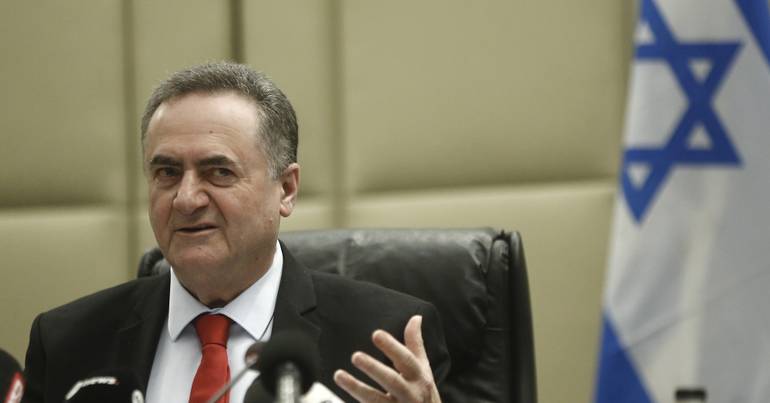
Also on Tuesday, Israeli Defense Minister Israel Katz accused Iran of developing chemical weapons, citing Israeli and American intelligence reports. [4] Katz said Israel would not allow Iran to acquire such weapons and left open the possibility of preemptive strikes. [2] Iranian Foreign Minister Abbas Araghchi called the claims "nonsense" and compared them to US allegations about Iraqi weapons of mass destruction before the 2003 invasion. [2]
Gaza remained "the deadliest place for UN humanitarian workers" after another aid worker was killed in an attack. [3] Irish minister Charlie McConalouge, speaking for the EU Council, called on Israel to open all border crossings and allow aid access. [3]
Katz said Israel had monitored the alleged chemical weapons program for several months and that the army was prepared to strike Iran, preferring a joint attack with the United States. [4] He claimed Iran was developing long-range missiles that could threaten European states and said Iranians had "come out of tunnels" after the April ceasefire to seek a weapon against Israel. [5] [4] Katz said that if Iran attacked first, "that will be a failure." [2]
No evidence for the claims has been presented by Netanyahu's office. [2] US President Donald Trump said last week that Iran was likely researching chemical and biological weapons, reacting to a CNN report that US intelligence believed Tehran planned a dirty bomb attack on Washington. [2] Outgoing Prime Minister Benjamin Netanyahu has been pressing Trump to resume war with Iran quickly. [4]
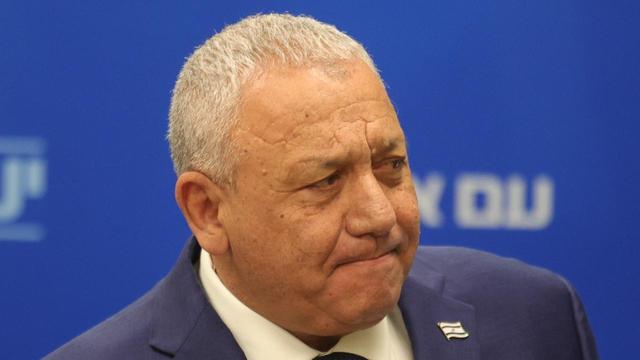
Netanyahu offered Gadi Eisenkot, who received the mandate to form a new government after October elections, a unity government on condition that he remains prime minister and a new air offensive on Iran begins. [6] A poll by the Washington-based Arab Center found that 49 percent of Israeli society supported an attack on Iran, while 12 percent favored a diplomatic solution. [6]