President Trump is weighing new strikes on Iran as Israel presses for a joint bombing campaign, even as Israeli forces launch a ground operation in Gaza that Hamas calls a ceasefire violation.
Israeli officials are urging the United States to join a four- to seven-day air campaign against Iran, warning that Tehran has rebuilt its missile and drone arsenals and is advancing chemical and biological weapons programs. U.S. B-1 and B-2 bombers are on 96-hour notice, and the Pentagon and State Department have pulled personnel from regional bases. Israeli intelligence claims Tehran plotted chemical attacks on senior U.S. officials, a threat one source linked to moving Treasury Secretary Scott Bessent from his home. President Trump has not decided, and his advisers remain divided over the intelligence and risks.
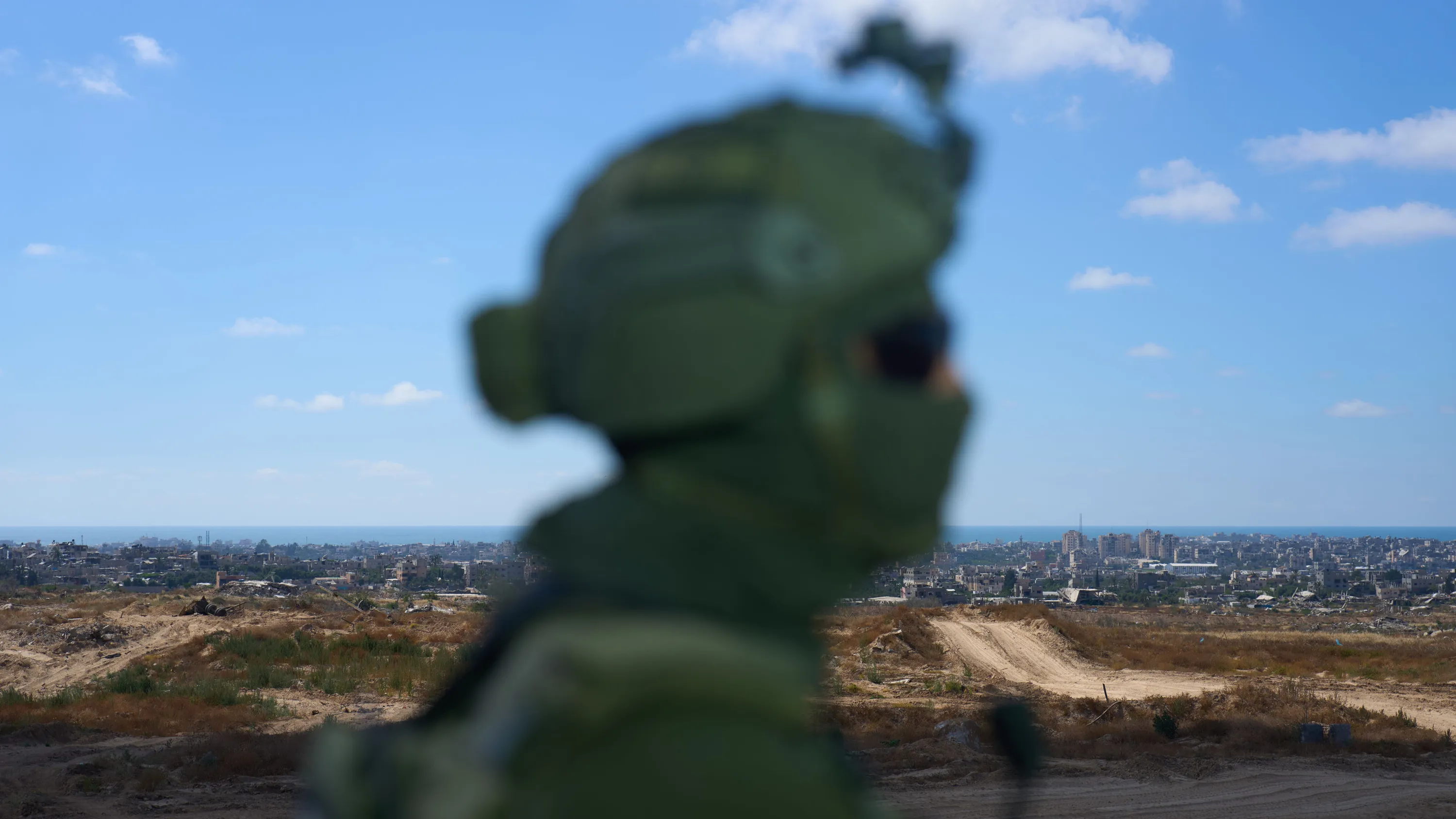
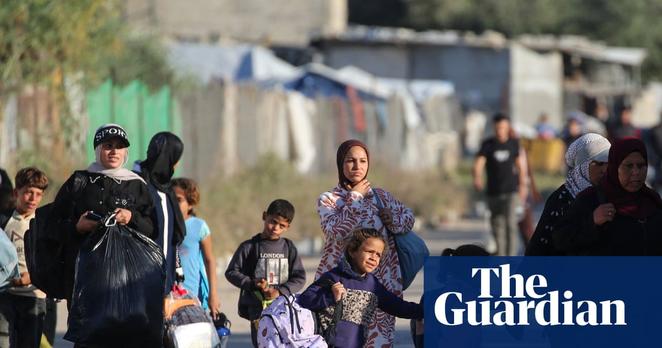
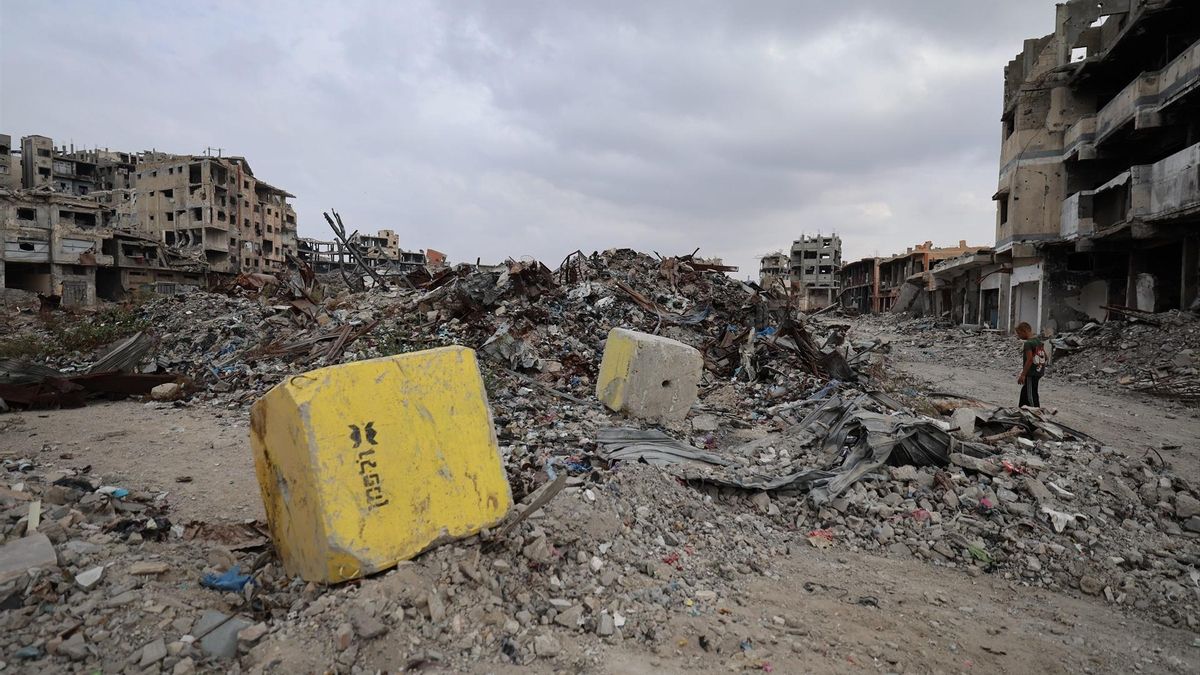
On Wednesday, Israeli tanks crossed the "Yellow Line" into Hamas-controlled central Gaza in the first ground operation beyond the ceasefire boundary since the truce took effect in October 2025. The military said troops were dismantling a "terror tunnel" west of the line that posed an "immediate threat," while Hamas condemned the incursion as a "flagrant violation of the ceasefire agreement." The US-backed Board of Peace, which oversees the truce, accused both Israel and Hamas of failing to honor their commitments to end hostilities. More than 18,000 people live in the affected area between Al Bureij and Nuseirat, and hundreds have fled as intense artillery shelling and airstrikes continued. Palestinian medics said one person was killed in an airstrike near the site, and two others died in separate incidents. Gaza's health authorities say at least 1,600 Palestinians have been killed since the ceasefire came into effect.
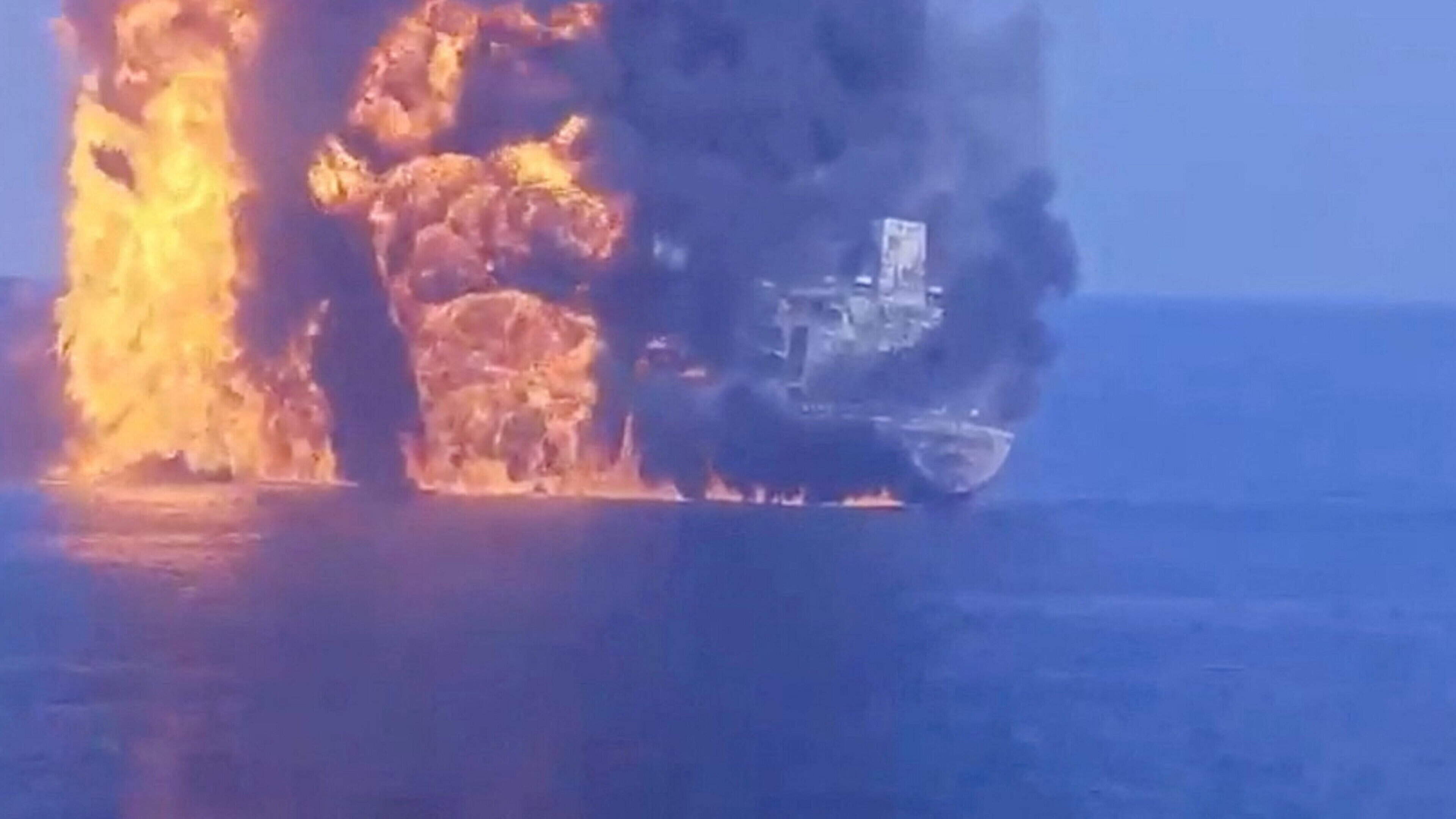
The International Energy Agency warned on Thursday that the Middle East crisis triggered by U.S. and Israeli strikes on Iran in February poses the "largest threat" to energy security in history. Iran's blockade of the Strait of Hormuz has disrupted oil shipments, with the agency noting that consumers are increasingly bearing the costs as buffers run down. Iranian forces reported explosions on three tankers in the strait on Wednesday, and the U.S. military has struck Iranian targets on Qeshm Island in response to attacks on American facilities.
Israeli Mossad chief Roman Gofman met with CIA Director John Ratcliffe and other U.S. officials in Washington to present Israel's assessments of the Iranian threat. U.S. Central Command chief Admiral Brad Cooper visited Israel and Saudi Arabia. Israeli Prime Minister Benjamin Netanyahu, who is serving as caretaker after inconclusive elections, has said the window for decisive action against Tehran is limited. He and army chief of staff Eyal Zamir prefer a joint operation with U.S. forces. Negotiations between the United States and Iran remain stalled, with Iranian officials hardening their position after Republican losses in the November 3 congressional elections.