Loading…
 Saturday, September 26Saturday, September 26
4 months · 9 summary articles
A landmark EU-wide survey published today reveals a striking generational divide over social media, with children and teenagers viewing platforms like TikTok and Snapchat far more positively than their parents—while adults simultaneously underestimate both usage time and perceived benefits. The findings, released on Wednesday, 17.06.2026, underscore a widening perception gap that has intensified calls for stricter regulatory measures, including a potential EU-wide age limit for social media access as early as next month.
According to the survey, nearly half of the 13-to-17-year-olds polled reported positive effects from social media, citing opportunities for creativity, connection, and learning. Yet parents, by contrast, overwhelmingly associate these platforms with risks, with 78% describing their impact as “dangerous” or “very dangerous.” The disconnect extends to usage patterns: parents estimate their children spend an average of 2.5 hours daily on social media, while teens report closer to 3.5 hours—a discrepancy of roughly one hour per day .
The survey arrives amid escalating legal and political pressure on tech giants. In Italy, a group of grieving families—including the parents of 12-year-old Rossella, who died by suicide last year—have filed a lawsuit against Meta and TikTok, alleging the companies failed to protect minors from harmful content. Their legal challenge seeks stricter access controls and mandatory risk warnings, reflecting broader public outrage over child safety online .
EU policymakers are now weighing legislative responses. A draft regulation, expected to be finalized in July, could introduce mandatory age verification systems and default privacy settings for under-16s. “The data shows we’re at a crossroads,” said a European Commission spokesperson. “Parents’ concerns are valid, but so are young people’s experiences of connection and opportunity.” The survey, conducted across 27 member states with over 12,000 participants, is the bloc’s most comprehensive assessment of youth digital behavior to date .
Critics argue the findings highlight systemic failures in digital literacy education. “We’re asking children to navigate ecosystems designed to maximize engagement, not well-being,” noted child psychologist Dr. Elena Rossi. “The solution isn’t just regulation—it’s equipping families with the tools to understand these platforms.” Meanwhile, youth advocates warn against over-correction, emphasizing that blanket restrictions could isolate vulnerable teens who rely on social media for support networks.
As the EU prepares to vote on the new measures next month, the survey serves as both a warning and a mandate: the gap between perception and reality is widening, and the time for action is now.
Follow us for live European news

Internet: EU-Umfrage: Kinder sehen Social Media positiver als Eltern Eltern unterschätzen, wie lange ihre Kids auf TikTok, Snapchat und Co. unterwegs sind. Zugleich empfinden sie die Auswirkungen als viel gefährlicher. Eine Altersgrenze könnte im Juli näherrücken.
tagesspiegel · 3 months ago
Moren skal ta med barna til Disneyland. Nå frykter faren at barna vil kjede seg med ham på hytta. Barna har fortalt at de skal med mamma til Disneyland. Hva slags ferie skal han ha med dem?
aftenposten · 3 months ago

EU-Umfrage: Jugendliche sehen Social Media positiver als Eltern Knapp die Hälfte der befragten Teenager vermutet einen positiven Effekt durch soziale Netzwerke. Eltern unterschätzen die Bildschirmzeit ihrer Kinder um rund eine Stunde pro Tag
der standard · 3 months ago

Una madre italiana se enfrenta a Meta y TikTok tras la muerte por suicidio de su hija de 12 años Los padres de Rossella forman parte de un grupo de familias italianas que han presentado una demanda contra estas empresas para tratar de imponer límites más estrictos al acceso de los menores y aumentar la conciencia sobre los riesgos Leer
elmundo · 3 months ago
EU-Umfrage: Kinder sehen Social Media positiver als Eltern
orf.at · 3 months ago

US-Studie: Sind Smartphones mitverantwortlich für den Geburtenrückgang? US-Wissenschaftler haben untersucht, wie sich die Geburtenrate seit Einführung des ersten iPhones entwickelt hat. In ihrer Analyse beschreiben sie das Smartphone als „wichtigen Faktor.
faz · 3 months ago
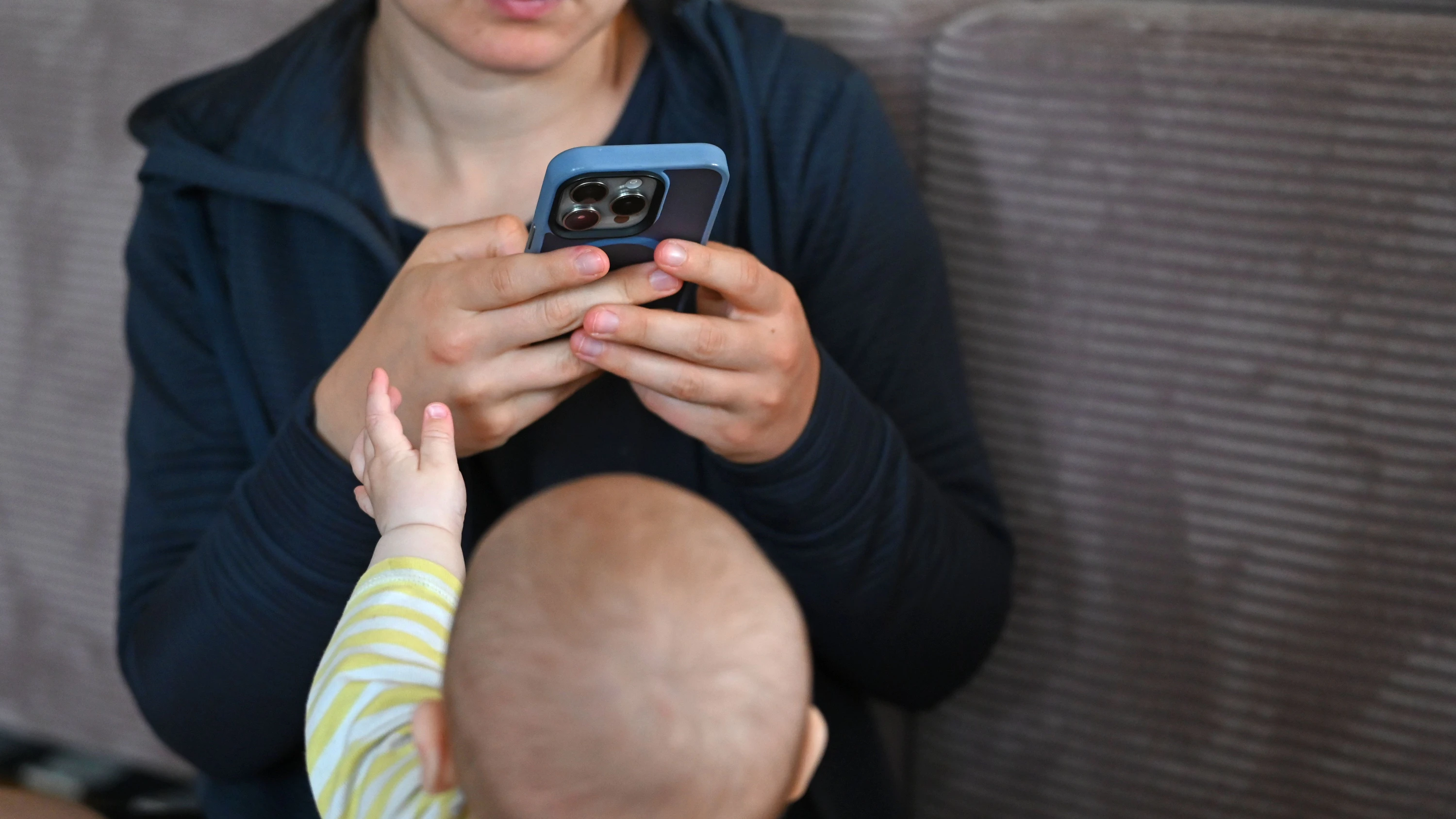
Demographie und Digitalleben: Weniger Babys dank iPhone Wo das iPhone eingeführt wird, kommen weniger Kinder zur Welt. Das hat auch sein Gutes.
faz · 3 months ago
Internet: EU-Umfrage: Kinder sehen Social Media positiver als Eltern
die zeit · 3 months ago