
Germans torn between AIs promise and peril as education gap widens

Story Timeline
2 months · 15 summary articles
The German public remains deeply conflicted about artificial intelligence, with a new survey revealing that while many see its potential for progress, concerns about its risks persist. According to a study published today by the *Frankfurter Allgemeine Zeitung*, 62% of respondents associate KI with technological advancement, yet 45% fear its negative consequences—highlighting a nation torn between fascination and apprehension .
The survey, conducted in June 2026, underscores a broader societal debate about the role of AI in daily life. Experts warn that the rapid pace of technological change risks outpacing human adaptability, particularly in education. "Lernen ist langsam," argues education commentator Jürgen Kaube in today’s *FAZ*, emphasizing that the slow, deliberate process of learning cannot be replicated by AI’s instantaneity . His remarks echo concerns raised by child development researchers, who argue that unchecked reliance on AI tools may exacerbate existing inequalities in early childhood education.
Susanne Kuger, a researcher at the German Youth Institute (DJI), today reiterated the need for structural support in kindergartens to mitigate unequal starting conditions. "Leistungsunterschiede wird es immer geben," Kuger told the *taz*, but she stressed that high-quality early education could help level the playing field . Her comments come amid growing evidence that socioeconomic disparities in Germany are increasingly visible even in primary school supplies, with parents reporting guilt over being unable to afford basic items like pens or calculators for their children .
Meanwhile, a separate study from Switzerland suggests that young people may be more resilient to crisis than previously assumed. Researchers at SRF found that adolescents aged 14–18 report positive experiences—such as academic achievements or first relationships—as their most formative memories, outweighing negative events like economic instability or social upheaval . The findings challenge the narrative of a generation overwhelmed by global challenges, instead highlighting the importance of supportive environments in fostering optimism.
As Germany grapples with these tensions, public discourse is increasingly turning to the human dimensions of technological and social change. From debates over parental financial stress to discussions about emotional well-being—such as a growing movement to normalize conversations about menstruation within families—today’s headlines reflect a society reckoning with both progress and its discontents . Whether through policy, education, or cultural shifts, the question remains: How can a nation balance innovation with equity, speed with sustainability, and fear with hope?
Follow us for live European news
- 3
- 2
- 1
- 1
- 1
1 further source not geolocated
Articles
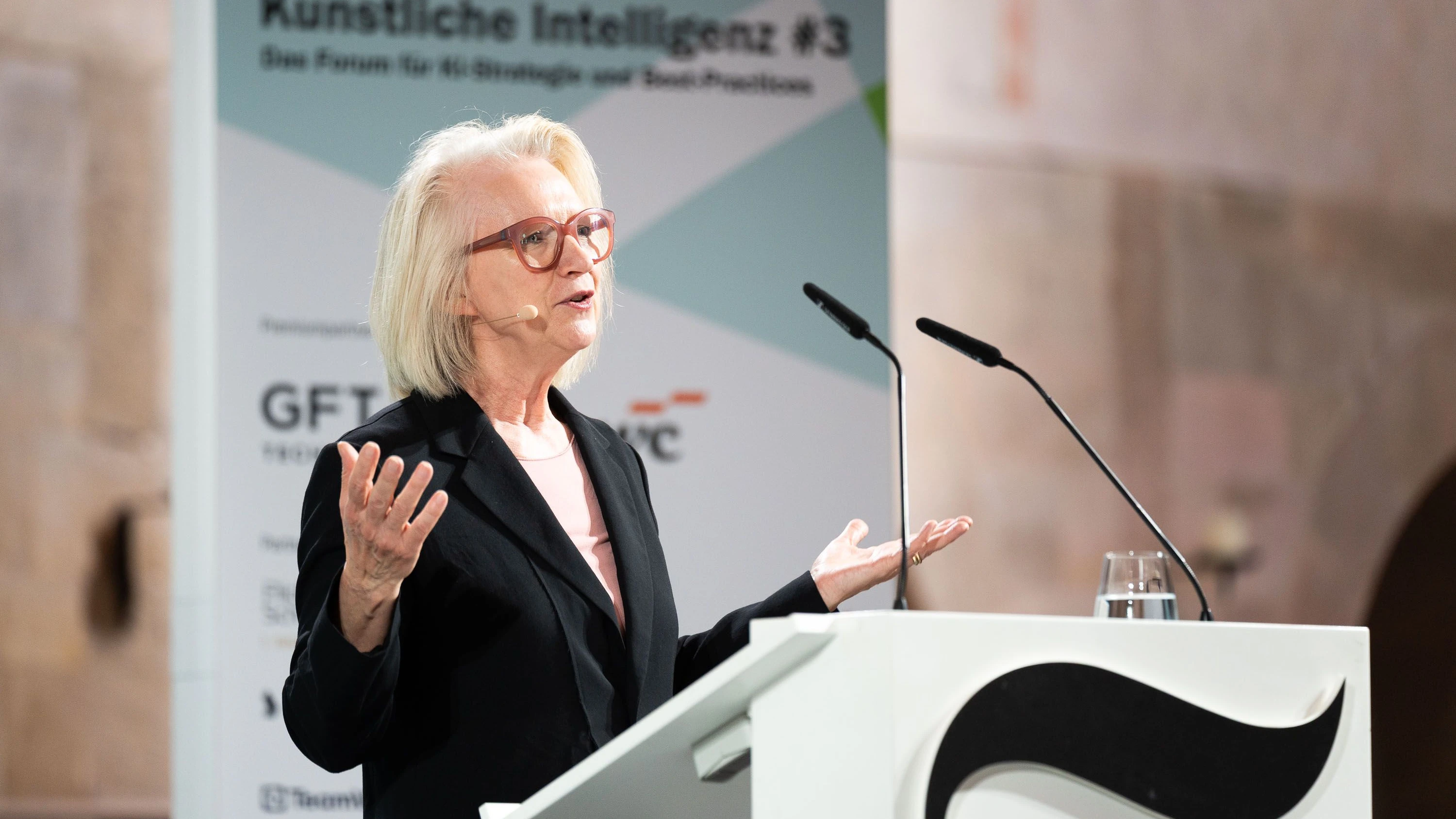
Monika Schnitzer im Interview: Europa braucht im KI-Wettlauf mehr Compute, mehr Tempo, mehr Souveränität Ein Gespräch auf der F.A.Z. KI-Konferenz über die Frage, was Europa im Wettlauf um die Künstliche Intelligenz versäumt, über Compute-Kapazitäten, Souveränität und die größte technologische Revolution seit der Elektrizität.
faz · 2 months ago
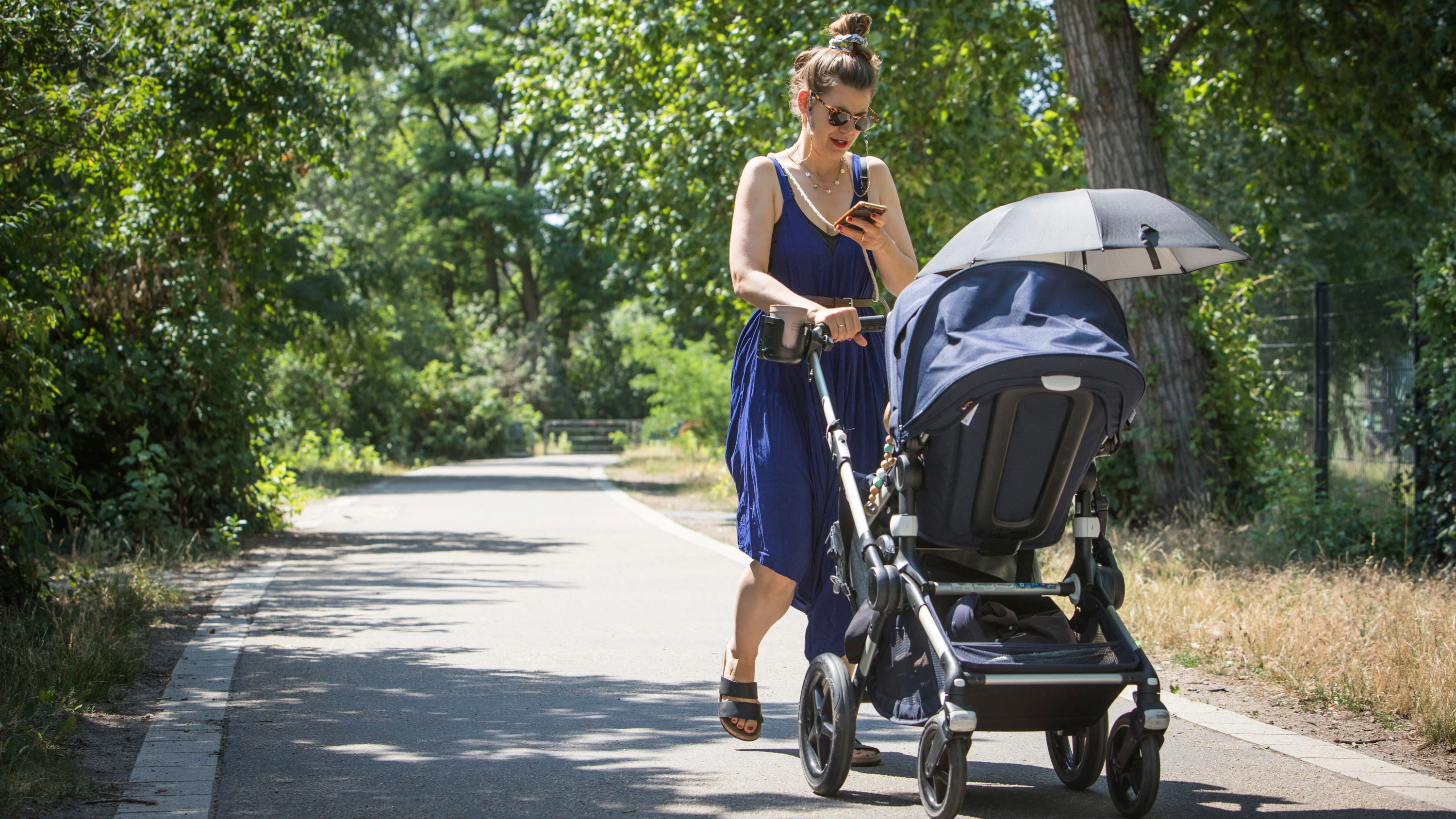
Kritik und KI: Lob der Langsamkeit Durch KI wird plötzlich alles ganz schnell. Lernen aber ist langsam. Und das kann nicht ersetzt werden.
faz · 2 months ago

Positives Denken: Kann man Optimismus lernen? Theoretisch ist jeder Mensch in der Lage, positiv nach vorne zu schauen. Aber warum gelingt das nicht allen? Und welche Übungen helfen? Die Antworten der Wissenschaft.
faz · 2 months ago

Künstliche Intelligenz: Denken die Deutschen an KI, dann denken sie an Fortschritt Die Deutschen sind hin- und hergerissen: Viele teilen die Faszination für Künstliche Intelligenz, doch die Sorge vor negativen Folgen der Technik ist weit verbreitet.
faz · 2 months ago

Lea Sirk: "Največja napaka je bila, da sem ves čas čakala, da mi drugi pišejo skladbe" "Zdaj glasbo pišem veliko manj obremenjeno," pravi Lea Sirk, ki po letih dela znotraj okvirov glasbene industrije vstopa v novo obdobje, v katerem jo pri ustvarjanju vodita izključno občutek in lastne izkušnje, ne pa pričakovanja drugih.
rtv slovenia · 2 months ago
‚Kam je položíme, tam zatím čekají. Rodiče trojčat hodnotí první společné týdny Kateřině a Tomášovi ze Středočeského kraje se narodila v srpnu 2024 trojčata – dva kluci a holčička. V seriálu Radiožurnálu Vícerčata přiblížili, jaký si vytvořili systém péče. I se starším synem jich je najednou šest, řeší mimo jiné nákup velkého auta.
irozhlas.cz · 2 months ago
Waarom is het zo vervelend om je eigen stem terug te horen? Jongeren communiceren veel met spraakberichten. Ervaren zij dit anders?
nrc · 2 months ago
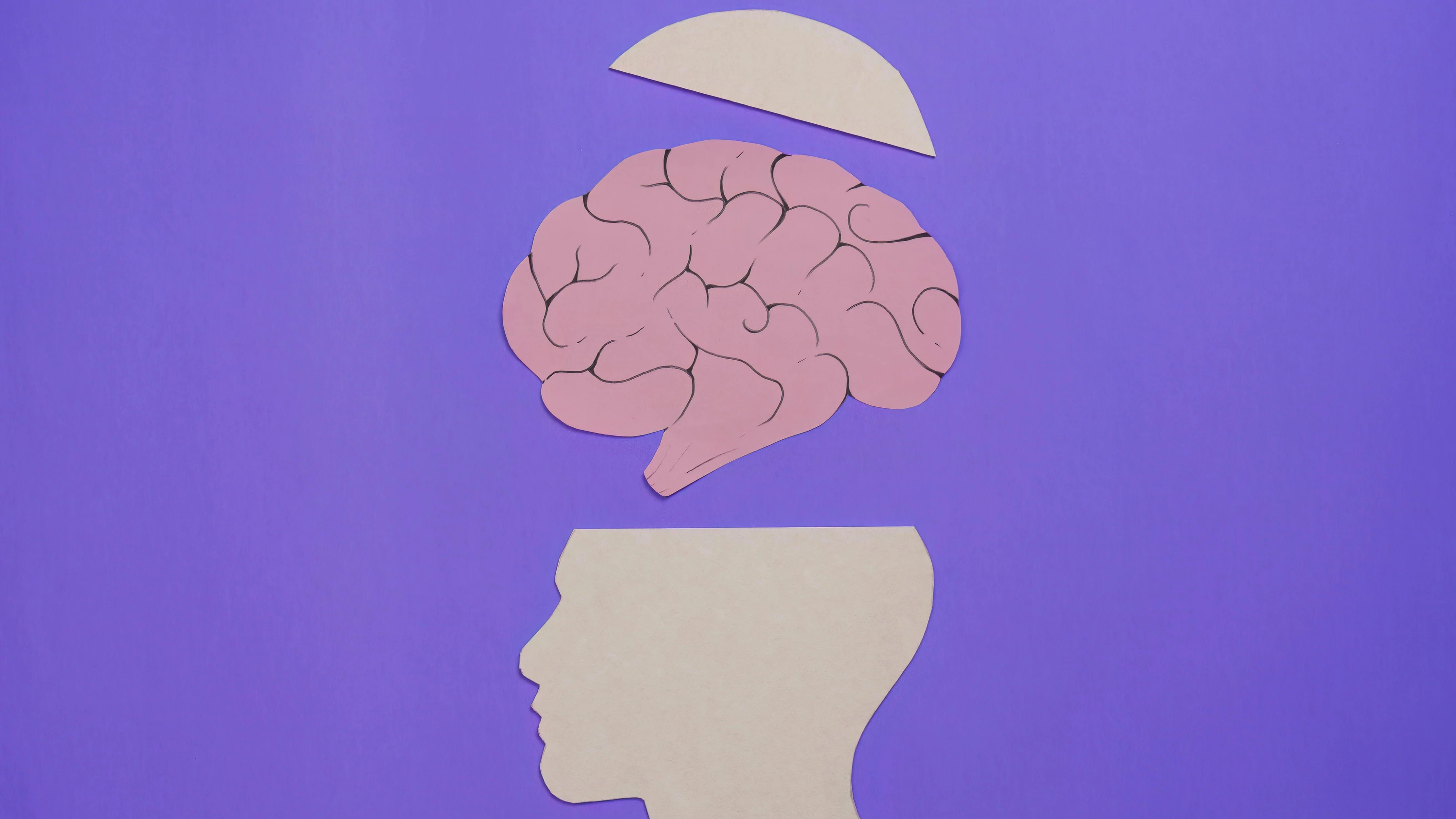
Gegen Kreativitätsverlust: Wenn die Maschine das Denken übernimmt Wer das Denken an die KI auslagert, riskiert, dass die eigenen Fähigkeiten verkümmern. Eine neue Studie zeigt, welche kognitiven Kompetenzen besonders gefährdet sind. Und sie liefert erste Belege dafür, wie sich der schleichende Kompetenzverlust aufhalten lässt.
faz · 2 months ago
Nejdřív Jakub, teď Matěj. Na Olympiádě dětí a mládeže zářil Krejčí, medaili mu předal starší brácha Pro bratry Jakuba a Matěje Krejčí je slalomářský kanál v pražské Troji medailový důl. Starší kajakář Jakub z Vltavy vylovil na nedávném Světovém poháru v Praze hned dvě zlata, mladší Matěj teď zazářil na Olympiádě dětí a mládeže, kde byl bronzový v závodě kanoistů.
irozhlas.cz · 2 months ago

„Irgendwie sahen die anderen Füller, Tintenkiller und Radiergummis alle besser aus Eltern empfinden Schuldgefühle, wenn sie zu ihren Kindern sagen müssen: „Das können wir uns nicht leisten. Wie ein „Poverty Mindset nicht nur unsere lebenslange Beziehung zum Geld prägt, sondern zur ganzen Welt.
welt.de · 2 months ago
Nicht alles nur Krise – Prüfung bestanden, erste Liebe – was Jugendliche am meisten prägt Jugendliche berichten vor allem von positiven Ereignissen in ihrem Leben – mehr als von Krisen. Das zeigt eine Studie.
srf.ch · 2 months ago
Kita-Forscherin über Chancengleichheit: „Es wird immer Leistungsunterschiede geben Kitas könnten ungleiche Startchancen abfedern. Susanne Kuger vom Deutschen Jugendinstitut sagt, was es dazu bräuchte – und welche Rolle die Eltern spielen. mehr...
taz.de · 2 months ago

"Mama, hast du PMS?" – Warum es Familien guttut, über den weiblichen Zyklus zu sprechen Wenn sich die Stimmung der Mutter verändert, merken Kinder das sofort. Welche Vorteile es haben kann, wenn Partner und Kinder mehr über PMS, Menstruation oder Wechseljahre wissen
der standard · 2 months ago
Nicht alles nur Krise – Positive Erlebnisse prägen Jugendliche stärker als Krisen Jugendliche berichten vor allem von positiven Ereignissen in ihrem Leben – mehr als von Krisen. Das zeigt eine Studie.
srf.ch · 2 months ago
Kita-Forscherin über Chancengleichheit: „Leistungsunterschiede wird es immer geben Kitas könnten ungleiche Startchancen abfedern. Susanne Kuger vom Deutschen Jugendinstitut sagt, was es dazu bräuchte – und welche Rolle die Eltern spielen. mehr...
taz.de · 2 months ago
Reijnders ziet Oranje groeien: We zijn meer met elkaar bezig dan tijdens EK Tijjani Reijnders merkt dat Oranje dit WK gegroeid is ten opzichte van het EK twee jaar geleden in Duitsland. Er wordt meer gepraat, op én buiten het veld. Maar er kan nog veel beter. "Tegen een land als Frankrijk wordt het anders."
nu.nl · 2 months ago