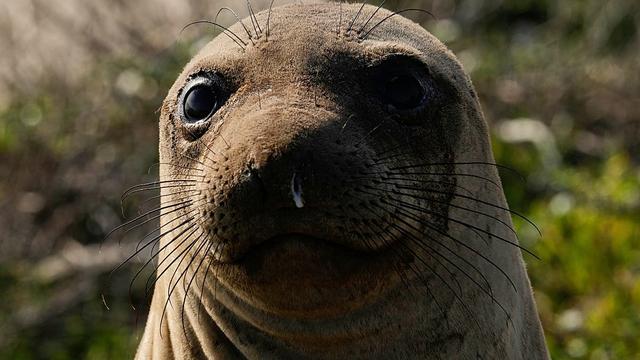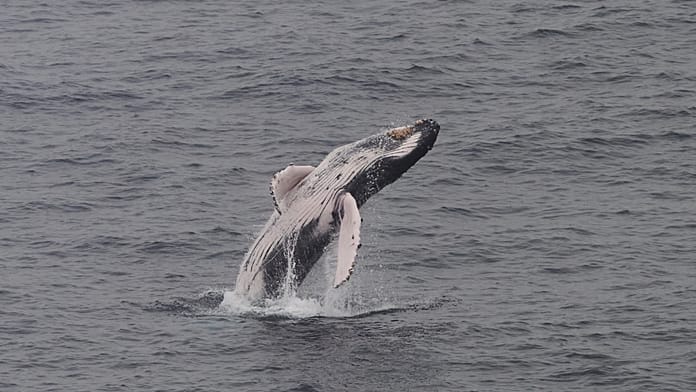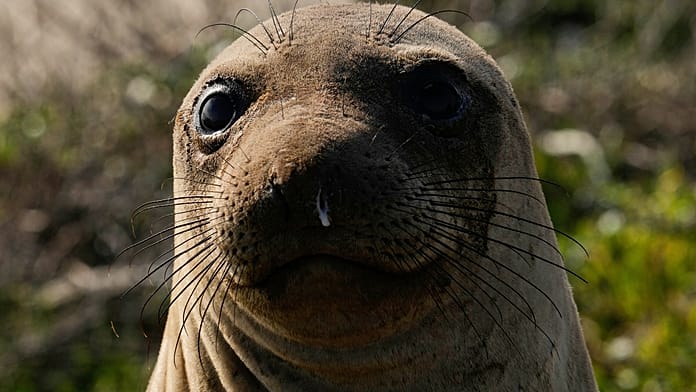
Global wildlife populations have declined by an average of 73% since 1970, according to the WWF’s Living Planet Report 2026, released on Oct. 8. The assessment, tracking nearly 36,000 populations of almost 6,000 species, found the steepest losses in freshwater habitats, where monitored populations fell by 85%, while terrestrial and marine populations declined by 69% and 59%, respectively .
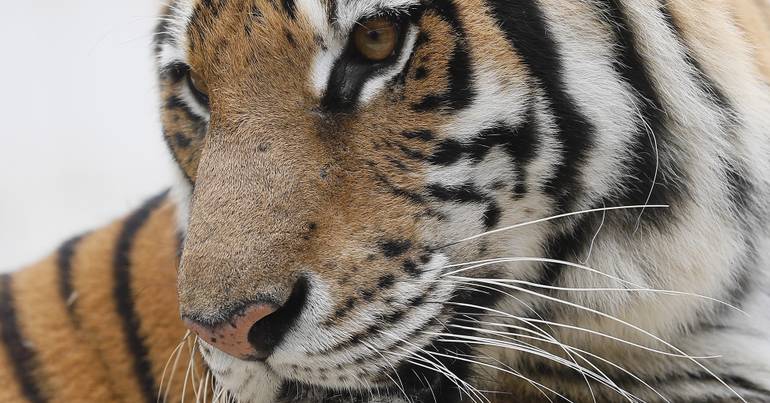
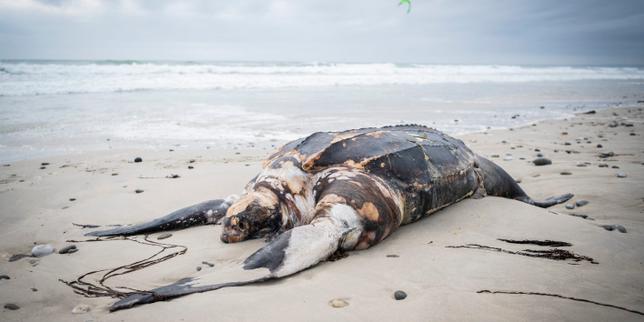
The report also highlights conservation successes, noting that half of monitored populations are now stable or increasing. Wild tiger numbers rose from around 3,200 in 2010 to about 5,700 in 2025, while the green sea turtle became the first marine turtle to be downgraded from "endangered" to "least concern" after 50 years of protection efforts .
Bluefin tuna have returned in large numbers to UK waters after decades of overfishing, credited to international quotas, size limits, and spawning ground protections. Mike Barrett, WWF-UK’s chief scientific adviser, said the report demonstrates that "it’s not too late" for nature recovery, calling such efforts "the science of hope" .