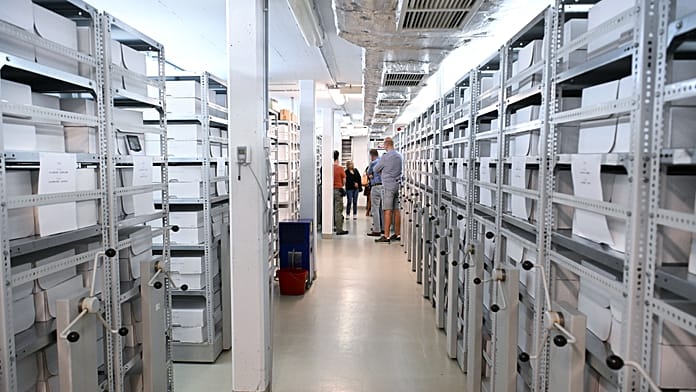
Hungary released tens of thousands of communist-era secret police files on Wednesday, identifying up to 60,000 former informants in a public online database.
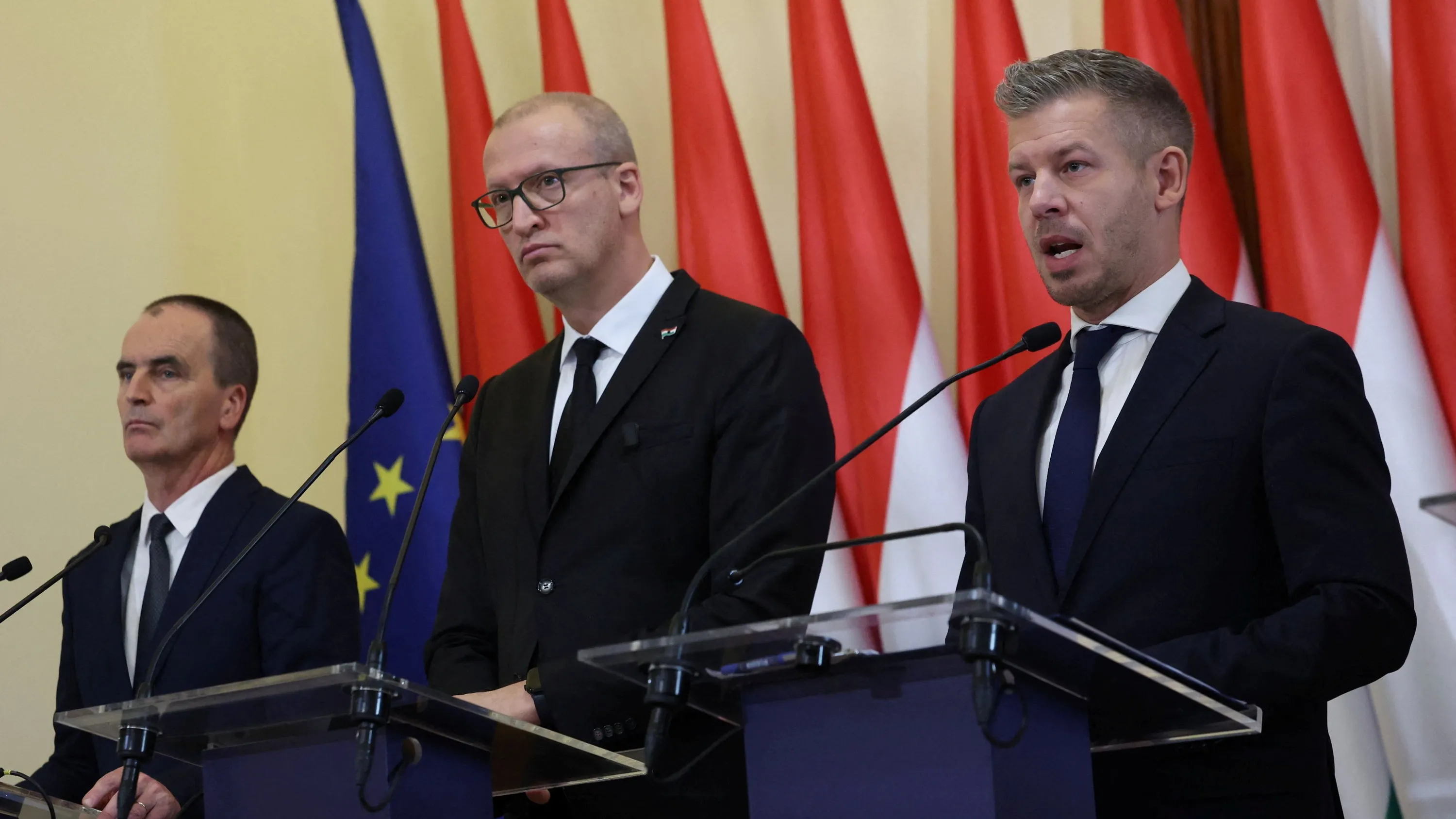
Prime Minister Péter Magyar's government made the records available on the website nyitottaktak.hu on Wednesday. It fulfills a key campaign promise to confront the country's totalitarian past 36 years after communism ended. The release came on the anniversary of the 1956 Soviet invasion that crushed Hungary's anti-communist uprising.
The database lists an estimated 50,000 to 60,000 people recruited by the state security services between 1949 and 1989. That is out of roughly 150,000 total agents estimated to have operated during the communist era. Three types of records became searchable: "6 card" registration sheets, a 1957-1962 recruitment register, and a database of personal data and code names.
The "6 card" contains identifying data including name, date of birth, mother's name and occupation, plus the circumstances that led to recruitment. Users can search by name, birth data, place or code name. About 10,000 of those listed could still be alive, according to the archive director.
Successive governments had resisted full disclosure for decades. Hungary's first post-communist prime minister, Jozsef Antall, rejected the idea. Viktor Orbán's Fidesz party voted more than 30 times against opening the files since 2010. A 1994 law allowed only limited access, letting citizens view their own files from 1997 but never revealing informants' names. In 2002, former Prime Minister Peter Medgyessy became embroiled in scandal after it was revealed he had worked as a communist-era secret agent.
Magyar urged the public to treat the disclosure with "dignity and humanity," warning that many families would face difficult information about deceased relatives. The government set up hotlines offering emotional support for those affected. Archive director Bendeguz Gergo Cseh cautioned that "you can't believe everything the state security agencies and their files claim." He noted that many documents were incomplete or destroyed.
The registries include politicians, clergy members and television personalities. Cseh said a "large proportion" were ordinary people who did not make their mark on national public life. Former Prime Minister Viktor Orbán stated on Tuesday that communist secret services tried to recruit him during his military service. He said he refused and later became a target of heavy surveillance.
Additional files detailing the recruitment of about 9,000 informants will be released by February 2027. The full set will be available by February 25, 2027. Many records were destroyed during the 1956 uprising and between 1988 and 1989.
Only about one-third of the estimated 150,000 agents are identifiable in the surviving archives. Historian Laszlo Eorsi told Agence France-Presse the release was "better late than never."