
Trump imposes 50% tariffs on Canadian wine, cement and hockey sticks in trade dispute

Story Timeline
4 days · 4 summary articles
Donald Trump has imposed a 50% tariff on a wide range of Canadian goods, including wine, hockey sticks, and cement, citing discriminatory treatment of American products by Canada. The tariffs, announced on Tuesday, will take effect in 30 days.
The White House stated that the tariffs are in response to Canada's unfair discrimination against American cars, alcohol, and dairy products. The move comes as part of a broader strategy by the Trump administration to address trade imbalances and protect American industries.
Canadian Prime Minister Mark Carney responded by saying that he had spoken with Trump earlier on Tuesday and agreed to intensify negotiations in the coming weeks. "We agreed to intensify negotiations in the coming weeks, and the team and myself look forward to doing that," Carney told reporters.
The tariffs are being imposed under Section 338 of the Tariff Act of 1930, a rarely used law that allows the president to levy tariffs on countries that discriminate against U.S. goods. The White House estimates that the tariffs will affect roughly $20 billion worth of Canadian imports.
Trump defended the tariffs in the Oval Office, stating, "Canada has been very, very tough on us over the years, for many years, and no other president’s done anything about it. In all fairness to them, they need us to survive. Without us, there’s no way they can survive."
The tariffs are not in response to the recent wildfire smoke from Canada that affected parts of the U.S., according to Trump. However, the president had previously criticized Canada for its handling of the wildfires, which he described as "willful negligence" costing the U.S. billions of dollars.
The announcement of the tariffs has raised concerns about potential legal challenges. Trade lawyers suggest that the tariffs could face scrutiny in court, as some argue that the administration may have bypassed required procedures.
The tariffs will apply to goods that were previously protected from import taxes under the United States-Mexico-Canada (USMCA) agreement, marking a departure from earlier tariff programs.
The 30-day delay before the tariffs take effect leaves room for further negotiations between the U.S. and Canada. A senior White House official stressed that the administration remains open to discussions.
In addition to the tariffs on Canada, the Trump administration is also considering new tariffs on dozens of other countries, according to U.S. Trade Representative Jamieson Greer. These tariffs could cover a majority of U.S. trade and are expected to be announced soon.
The latest round of tariffs follows a pattern of using tariffs as a tool to address trade imbalances and protect American industries. However, critics argue that such measures often result in higher costs for U.S. consumers and businesses.
The tariffs on Canadian goods are set to take effect on August 19, 2026, unless negotiations between the two countries result in a different outcome.
Follow us for live European news
- 3
- 2
- 1
- 1
- 1
- 1
- 1
- 1
- 1
- 1
- 1
- 1
- 1
7 further sources not geolocated
Articles

⚡ NEWSUS Trade Rep hints at new tariffs on 60 partners as Trump duties expireUS Trade Representative Jamieson Greer signals potential new tariffs on 60 trading partners as existing temporary duties imposed by the Trump administration are set to expire on Friday, raising concerns about future trade policy direction.📰 #Markets #Geopolitics #GeoWire
mastodon bot · about 4 hours ago

Canada ready to intensify trade talks as Trump reportedly prepares to hit more countries with new tariffs – US politics live
bluesky_The Guardian · about 4 hours ago

US Treasurys Bessent tells Fox Business 50 Canada tariffs are reciprocity reut.rs/4vBWmy5
bluesky_Reuters · about 4 hours ago

US lawmakers urge Trump to act against EU tech rules, suggest trade probes reut.rs/4bzZtzo
bluesky_Reuters · about 4 hours ago

Trump administration to unveil forced labor trade action soon, says Greer reut.rs/3R9iPEK
bluesky_Reuters · about 4 hours ago

From Breakingviews - Breakingviews - White Houses strategy of tariff tension may snap reut.rs/4vHzxsW
bluesky_Reuters · about 4 hours ago

Carney says he and Trump agreed to intensify trade talks reut.rs/4fAiZNE
bluesky_Reuters · about 4 hours ago

🇺🇸❌🇨🇦 — US President Donald Trump imposed additional 50 import tariffs on Canadian goods, according to a statement posted Monday on the White House website. @IntelSlava
telegram_Intel Slava · about 4 hours ago
The Download: Chinese AI divides the White House, and a record copyright payout This is todays edition of The Download, our weekday newsletter that provides a daily dose of whats going on in the world of technology. Chinas AI models have Trumps AI world at war with itself Last weekend, several current and former advisers to President Donald Trump on AI publicly lobbed insults at the countrys leading…
mit tech review · about 4 hours ago
FT: Trump se chystá oznámit nová cla na dovoz do USA z desítek zemí Americký prezident Donald Trump se tento týden chystá oznámit nová cla na dovoz do Spojených států z desítek zemí, napsa s odkazem na své zdroje server ekonomického deníku Financial Times. V pátek vyp...
respekt · about 4 hours ago
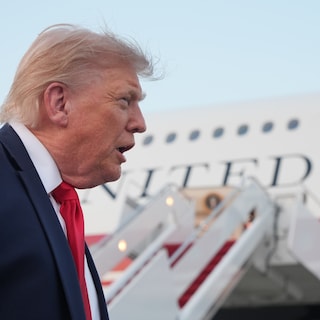
Live - FT: Trump werkt aan nieuwe tarieven voor tientallen landen
de morgen · about 4 hours ago
Geschlechtstest im Tennis: Mit Speicheltest die Identität ermitteln Die Womens Tennis Association beugt sich dem Druck Donald Trumps und des IOC. Sie führt die umstrittenen Geschlechtstests ein. mehr...
taz.de · about 4 hours ago
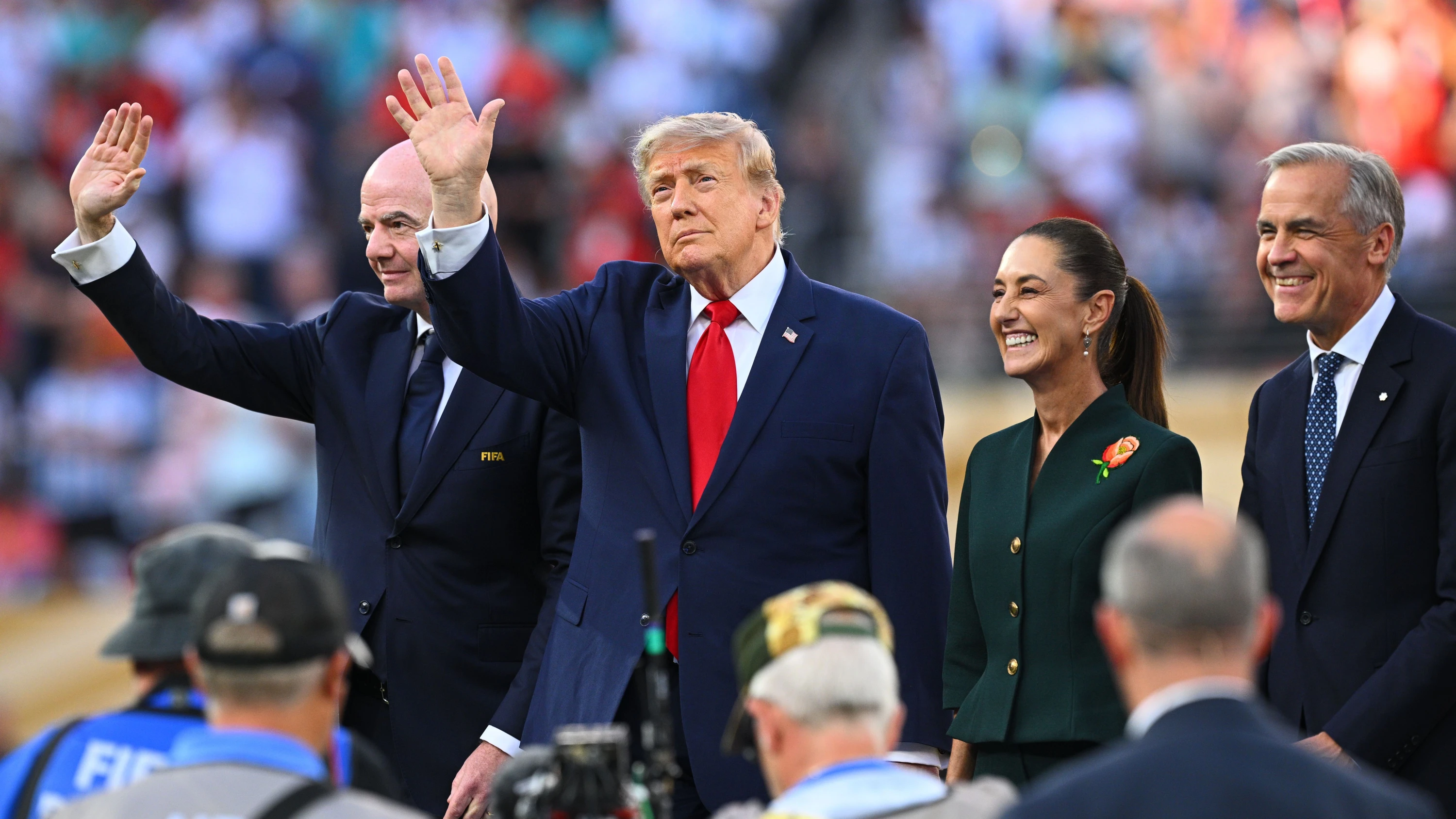
Handelsstreit: Trump rechtfertigt Zölle gegen Kanada mit neuer Begründung Der US-Präsident lässt den Streit mit dem Nachbarland ein weiteres Mal eskalieren. Ob die neuen Zölle wirklich in Kraft treten, muss sich aber noch zeigen.
faz · about 4 hours ago
Handel: USA verhängen neue Zölle gegen Kanada Der US-Präsident hat Zusatzzölle in Höhe von 50 Prozent angekündigt. Diese sollen am 19. August in Kraft treten. Damit will Trump erreichen, dass die Bedingungen für den Export von amerikanischen Autos verbessert werden.
sueddeutsche · about 4 hours ago
Handel: Europa muss Trumps Zollattacken endlich stoppen US-Präsident Donald Trump verhängt Zölle gegen Kanada, das sich mutig wehrt. Europa sollte sich mit anderen Freihändlern verbünden, um den Wüterich im Weißen Haus auflaufen zu lassen.
sueddeutsche · about 4 hours ago
![Trump administration consults unused 1930s law for tariff playbook The Trump administration keeps finding new ways to wage trade wars. As one novel tariff authority nears its expiration, its testing another — threatening huge duties on Canadian goods under a never-before-used law.Why it matters: The administrations willingness to test new trade authorities makes tariff policy harder for businesses, investors and foreign governments to handicap.Its hard to know which will survive challenges in the courts, and over what time horizon there may be any resolution.Even if individual tariffs are delayed or struck down, the administration can still use the threat of them to gain negotiating leverage while forcing companies to plan for higher costs.Its unfolding even as renewed conflict in the Middle East pushes up energy costs and inflation risks — a backdrop that many economists thought would discourage the White House from opening new trade war fronts.Driving the news: The White House says the tariffs respond to what it considers Canadian discrimination against U.S. autos, dairy and alcohol. The administration invoked the never-before-used Section 338 of the 1930 Smoot-Hawley Tariff Act and chose the maximum penalty allowed by the law: 50 duties, applied to roughly $20 billion of Canadian imports starting in August.The duties would raise the average tariff rate on Canadian goods by roughly 2.3 percentage points, according to Karl Schamotta, Corpays chief market strategist.Between the lines: Section 338 is the latest legal authority the administration has reached for after courts earlier this year narrowed its emergency tariff powers.The White House quickly replaced many of those invalidated tariffs with a 10 global levy under Section 122 — another never-before-used authority that happens to expire on Friday.A federal trade court later struck down the Section 122 tariffs, though an appeals court allowed them to remain in effect pending appeal.As that authority fades, the administration is replenishing its arsenal with more traditional trade laws. Top Trump trade official Jamieson Greer told CNBC on Tuesday morning to "expect to see some action soon" from a forced-labor investigation expected to produce tariffs on dozens of countries.What to watch: Trade lawyers suggest the latest Canadian tariffs are also likely to face legal scrutiny — that is, if they take effect.Peter Harrell, a visiting scholar at Georgetown Laws Institute of International Economic Law, wrote on X on Monday night that a potential challenger could argue that the administration bypassed the required procedures to impose the tariffs.Ilya Somin — who helped successfully challenge President Trumps International Emergency Economic Powers Act tariffs — wrote that Congress "superseded" Section 338 through later trade legislation, leaving it without independent authority to impose new tariffs.The other side: A senior administration official argued Section 338s "terms are clear" and said Canadas retaliation and preferential treatment of third countries "fits squarely" within the statute.The bottom line: "The toothpaste is out of the tube. ... We would not be surprised to see [Section] 338 wielded against others," TD Cowens Chris Krueger wrote in a client note Monday night, adding that "338 is the new IEEPA." "Litigation [is] likely a question of when, not if, but that is likely a 2027 — or even 2028 — story. In the near term, elbows up across the board," Krueger added.Trump stopped short of targeting some of Canadas most strategically important exports, exempting autos, lumber, semiconductors, pharmaceuticals and aircraft products from the new duties.The intrigue: Thats consistent with an administration trying to maximize negotiating leverage while limiting economic blowback, at a time when American voters are angry about inflation and the Iran war is keeping energy prices elevated.The administration took the same tack last week, when it targeted Brazil, but left out key consumer goods like coffee and beef.Still, the tariffs will apply to goods that qualify for duty-free treatment under the U.S.-Mexico-Canada Agreement, a departure from several earlier Trump tariff programs. Economists have argued that this carveout has shielded the U.S. from the worst of the Trump tariffs potential inflationary effects.The 30-day delay before the tariffs take effect leaves room for an off-ramp. A senior White House official stressed they remain open to negotiations, while Canadian Prime Minister Mark Carney condemned the tariffs but likewise pledged to intensify talks before August.A senior administration official said the measures are separate from Trumps previously threatened "wildfire tariffs," though the official said the White House is considering options on that front.Its unclear which legal authority such tariffs would be imposed under.](https://images.axios.com/OYLNfj4K7RTerwc_FFN45tVwPaE=/1366x768/smart/2025/04/15/154043-1744731643123.jpg)
Trump administration consults unused 1930s law for tariff playbook The Trump administration keeps finding new ways to wage trade wars. As one novel tariff authority nears its expiration, its testing another — threatening huge duties on Canadian goods under a never-before-used law.Why it matters: The administrations willingness to test new trade authorities makes tariff policy harder for businesses, investors and foreign governments to handicap.Its hard to know which will survive challenges in the courts, and over what time horizon there may be any resolution.Even if individual tariffs are delayed or struck down, the administration can still use the threat of them to gain negotiating leverage while forcing companies to plan for higher costs.Its unfolding even as renewed conflict in the Middle East pushes up energy costs and inflation risks — a backdrop that many economists thought would discourage the White House from opening new trade war fronts.Driving the news: The White House says the tariffs respond to what it considers Canadian discrimination against U.S. autos, dairy and alcohol. The administration invoked the never-before-used Section 338 of the 1930 Smoot-Hawley Tariff Act and chose the maximum penalty allowed by the law: 50 duties, applied to roughly $20 billion of Canadian imports starting in August.The duties would raise the average tariff rate on Canadian goods by roughly 2.3 percentage points, according to Karl Schamotta, Corpays chief market strategist.Between the lines: Section 338 is the latest legal authority the administration has reached for after courts earlier this year narrowed its emergency tariff powers.The White House quickly replaced many of those invalidated tariffs with a 10 global levy under Section 122 — another never-before-used authority that happens to expire on Friday.A federal trade court later struck down the Section 122 tariffs, though an appeals court allowed them to remain in effect pending appeal.As that authority fades, the administration is replenishing its arsenal with more traditional trade laws. Top Trump trade official Jamieson Greer told CNBC on Tuesday morning to "expect to see some action soon" from a forced-labor investigation expected to produce tariffs on dozens of countries.What to watch: Trade lawyers suggest the latest Canadian tariffs are also likely to face legal scrutiny — that is, if they take effect.Peter Harrell, a visiting scholar at Georgetown Laws Institute of International Economic Law, wrote on X on Monday night that a potential challenger could argue that the administration bypassed the required procedures to impose the tariffs.Ilya Somin — who helped successfully challenge President Trumps International Emergency Economic Powers Act tariffs — wrote that Congress "superseded" Section 338 through later trade legislation, leaving it without independent authority to impose new tariffs.The other side: A senior administration official argued Section 338s "terms are clear" and said Canadas retaliation and preferential treatment of third countries "fits squarely" within the statute.The bottom line: "The toothpaste is out of the tube. ... We would not be surprised to see [Section] 338 wielded against others," TD Cowens Chris Krueger wrote in a client note Monday night, adding that "338 is the new IEEPA." "Litigation [is] likely a question of when, not if, but that is likely a 2027 — or even 2028 — story. In the near term, elbows up across the board," Krueger added.Trump stopped short of targeting some of Canadas most strategically important exports, exempting autos, lumber, semiconductors, pharmaceuticals and aircraft products from the new duties.The intrigue: Thats consistent with an administration trying to maximize negotiating leverage while limiting economic blowback, at a time when American voters are angry about inflation and the Iran war is keeping energy prices elevated.The administration took the same tack last week, when it targeted Brazil, but left out key consumer goods like coffee and beef.Still, the tariffs will apply to goods that qualify for duty-free treatment under the U.S.-Mexico-Canada Agreement, a departure from several earlier Trump tariff programs. Economists have argued that this carveout has shielded the U.S. from the worst of the Trump tariffs potential inflationary effects.The 30-day delay before the tariffs take effect leaves room for an off-ramp. A senior White House official stressed they remain open to negotiations, while Canadian Prime Minister Mark Carney condemned the tariffs but likewise pledged to intensify talks before August.A senior administration official said the measures are separate from Trumps previously threatened "wildfire tariffs," though the official said the White House is considering options on that front.Its unclear which legal authority such tariffs would be imposed under.
axios · about 4 hours ago

Trumps New 50 Tariff on Canadian Goods Is Actually an Admission That Trade Wars Dont Work
news.yahoo.com · about 4 hours ago
Brussels prepares first digital rulebook fine against Google, risking Trumps ire: media reports German media reports say the EU executive is set to announce the fine against the tech titan on Thursday in a move that could escalate tensions with the Trump administration over digital services.
euronews · about 4 hours ago
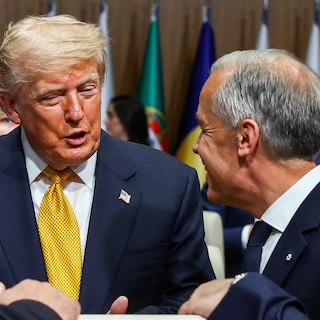
Handelsoorlog laait weer op: Trump kondigt heffingen op Canadese goederen aan
trouw · about 4 hours ago

Droits de douane : Donald Trump menace de relancer la guerre commerciale avec le Canada
lexpress · about 4 hours ago
Trump denies tension with Spains Sanchez after World Cup win US President Donald Trump told reporters he maintains no tension with Spanish Prime Minister Pedro Sanchez, despite having recently ordered a complete halt to trade with Madrid and labeling the country a "terrible partner" in NATO.
yenisafak · about 4 hours ago

Det ligger bakom Trumps nya tullhot mot Kanada Donald Trump ska inom 30 dagar beslå Kanada med 50-procentiga handelstullar i direkt strid med det frihandelsavtal som presidenten själv förhandlade fram med USA:s grannländer under sin första mandatperiod. DN:s USA-korrespondent Björn af Kleen svarar på tre frågor om saken.
dagens nyheter · about 4 hours ago
Caccia Gcap, il Canada entra nel programma con Italia, Uk e Giappone Il paese entrerà come osservatore. Avrà visibilità su strategie e piani di consegna. E la base per discutere di una futura partecipazione
il sole 24 ore · about 4 hours ago

En Italie, lambassadeur milliardaire de Trump fait des vagues avec sa diplomatie en yacht Tilman Fertitta, lambassadeur des États-Unis à Rome, brouille les lignes entre tourisme de luxe et diplomatie : à bord de son luxueux superyacht, il longe le littoral italien en faisant des haltes régulières pour rencontrer lélite du pays. Une dolce vita qui suscite des protestations, notamment à Venise, vendredi 17 juillet.
courrier international · about 4 hours ago
Trump zettelt den nächsten Zollkrieg an – genauso irrsinnig wie zuvor Der US-Präsident zürnt zunächst Kanada und Brasilien. Aber bald ist der Rest der Welt wieder dran – zum Schaden der eigenen Wirtschaft
der standard · about 4 hours ago
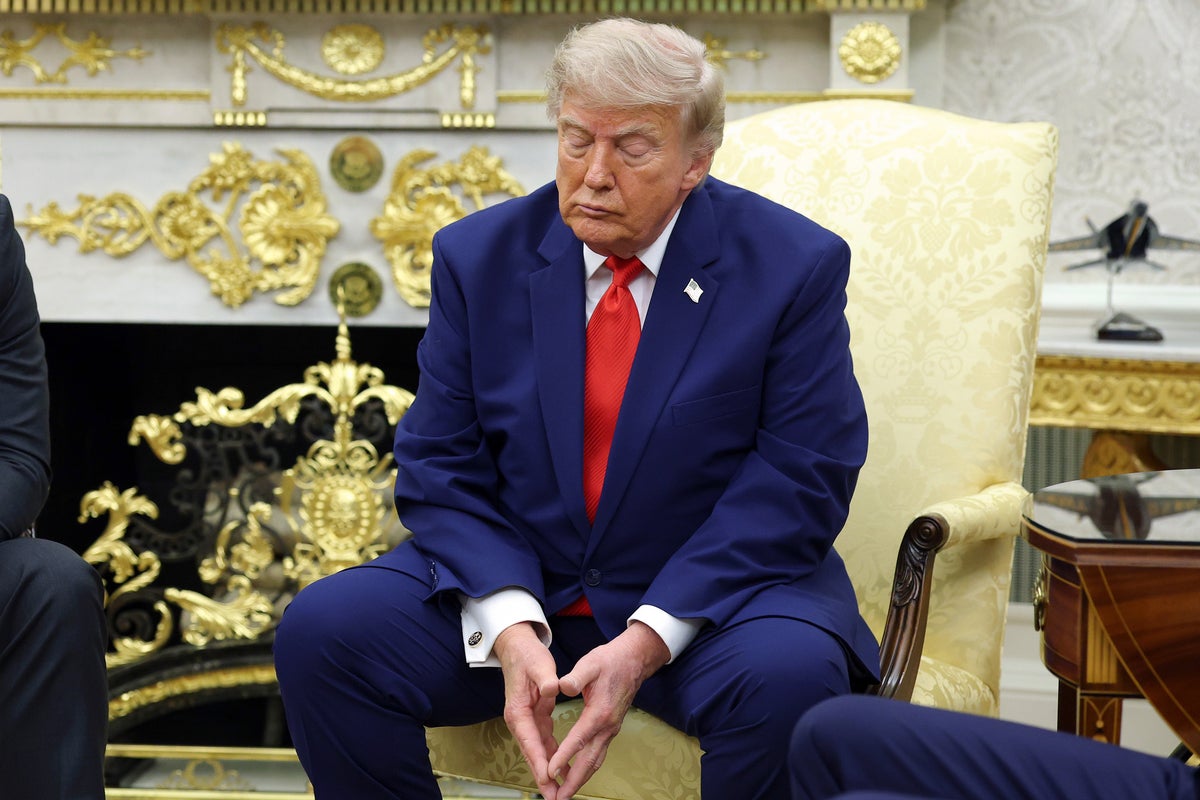
Trump waffles on punishing China after claiming massive election interference: We do things to them too Trump claimed in a national address last week that China had stolen voter data, though experts say only public information was taken
independent · about 4 hours ago
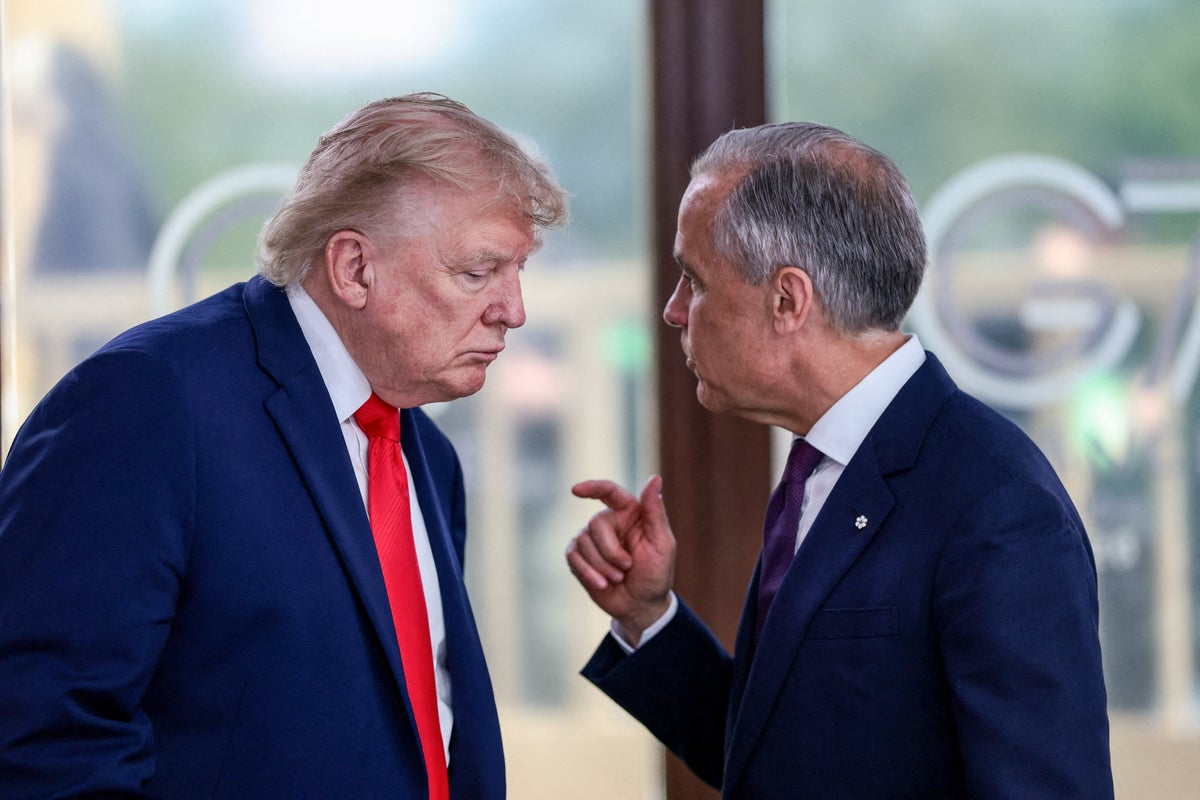
Canadian PM Mark Carney ready to intensify trade talks after Trump imposes 50 tariffs President Trump clarified on Tuesday that his latest tariffs targeting Canada were not a response to wildfires
independent · about 4 hours ago
Trumps new 50 percent Canada tariffs: What products are affected and why? US leader imposes new sweeping tariffs on Canada, straining already tense ties with its second-largest trading partner.
aljazeera · about 4 hours ago
US eyes new tariffs as existing trade duties near expiration US Trade Rep Jamieson Greer hints at new tariffs on 60 trading partners as Trumps temporary tariffs expire on Friday.
aljazeera · about 4 hours ago

🇺🇸 The United States is acting soon on a host of new tariffs targeting dozens of countries, trade envoy Jamieson Greer said Tuesday, with President Donald Trumps temporary global levy due to expire this week. ➡️ u.afp.com/SrYy
bluesky_AFP English · about 4 hours ago