
Oil prices fall, stocks rise as US-Iran strikes pause; Fed rate decision looms
Story Timeline
2 months · 3 summary articles
Oil prices fall, stocks rise as US-Iran strikes pause; Fed rate decision looms
Oil prices drop as US and Iran pause military strikes, revive Strait of Hormuz talks
ContinuationOil tops 100 as Mideast tensions spark global stock sell-off and inflation fears
A pause in military strikes between the United States and Iran has led to a significant drop in oil prices and a rise in global stock markets on Monday. The price of Brent crude oil fell to just over $90 a barrel, down from over $100 a barrel at the end of last week. This decline in oil prices has been attributed to the temporary ceasefire in hostilities between the two nations.
The German DAX index started the week with a significant gain, and the price of gold also increased, while bond yields fell. In the United States, the Dow Jones Industrial Average was up 0.89%, the Nasdaq gained 1.05%, and the S&P 500 advanced by 0.75%. Analysts have noted that the absence of developments in the Middle East has considerably reduced the geopolitical risk premium.
The week is also marked by the anticipation of the Federal Reserve's interest rate decision. The Fed, under the leadership of Chairman Kevin Warsh, is expected to maintain interest rates, but there is a possibility of a rate hike if inflation does not decrease. The European Central Bank has already decided to keep its interest rates unchanged.
Despite the temporary ease in tensions, the situation in the Middle East remains uncertain, and risks to oil prices are still elevated. The conflict has led to concerns about energy supplies and inflation, with Europe facing an imminent energy crisis due to low gas stocks.
In other developments, several major technology companies, including Microsoft, Meta, Apple, and Amazon, are set to release their quarterly earnings this week. These reports are expected to provide insights into the companies' future spending plans.
The pause in hostilities has also led to a decrease in gasoline prices in some countries. For example, in Slovenia, the price of gasoline is expected to decrease by a few cents per liter starting Tuesday.
However, the situation remains fluid, and the potential for further escalation in the Middle East could quickly reverse the current market trends. Analysts have warned that the risks to oil prices remain oriented to the upside, and the situation is being closely monitored by global markets.
The pause in hostilities has also led to a decrease in gasoline prices in some countries. For example, in Slovenia, the price of gasoline is expected to decrease by a few cents per liter starting Tuesday.
The situation in the Middle East remains uncertain, and risks to oil prices are still elevated. The conflict has led to concerns about energy supplies and inflation, with Europe facing an imminent energy crisis due to low gas stocks.
The week is also marked by the anticipation of the Federal Reserve's interest rate decision. The Fed, under the leadership of Chairman Kevin Warsh, is expected to maintain interest rates, but there is a possibility of a rate hike if inflation does not decrease. The European Central Bank has already decided to keep its interest rates unchanged.
In other developments, several major technology companies, including Microsoft, Meta, Apple, and Amazon, are set to release their quarterly earnings this week. These reports are expected to provide insights into the companies' future spending plans.
Follow us for live European news
Articles
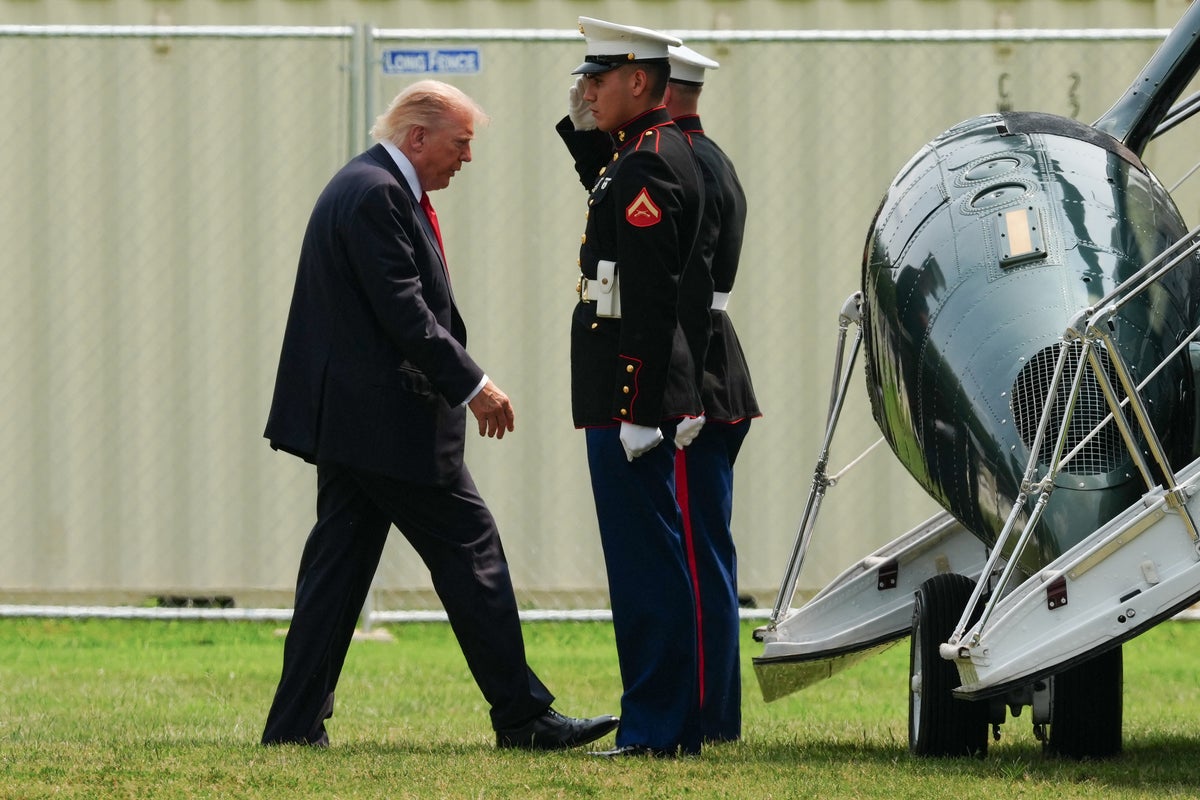
Trump visits Michigan amid feud over Canada tariffs and new border bridge Michigans economy relies heavily on Canada, meaning new tariffs — coupled with inflation and gas prices — have created additional economic concerns statewide
independent · 2 months ago

AstraZeneca drug prices evolving in response to Trump policy, executive says reut.rs/4yGPn9Z
bluesky_Reuters · 2 months ago

Măsura țintită pe care o pregătește Italia ca să țină prețurile benzinei și motorinei sub 2 euro Cabinetul de miniștri de la Roma va adopta noi măsuri pentru a frâna creșterea vertiginoasă a prețurilor combustibililor, au declarat luni oficiali guvernamentali și un parlamentar de rang înalt, pe fondul îngrijorărilor tot mai mari cu privire la impactul fiscal al acestor măsuri, scrie Reuters. Creșterea prețurilor energiei și a prețurilor de consum, cauzată de …
hotnews.ro · 2 months ago

Wall Street profite dune accalmie qui pourrait ne pas durer La baisse du pétrole ouvre la semaine sur une note positive, avant les résultats très attendus des géants de la tech. ...
la libre · 2 months ago

Plus de 1 000 milliards de dollars envolés : la chute boursière de SpaceX est-elle inquiétante ? Après un démarrage en trombe, laction SpaceX est retombée sous son prix dintroduction. ...
la libre · 2 months ago

"On a puisé dans les réserves stratégiques": va-t-on vers une flambée des prix à la pompe ? Les pays ont fortement puisé dans leurs réserves stratégiques. Ce qui ne laisse rien entrevoir de bon en cas de maintien de la tension au Moyen-Orient. La Russie pourrait dailleurs en tirer bénéfice, malgré la volonté de lUE de maintenir ses sanctions. ...
la libre · 2 months ago
Dow, S&P, Nasdaq: US-Börsen uneinheitlich – Tech-Werte geben nach Die Wall Street profitiert am Montag von neuen Aussichten auf eine Lösung bei der Schifffahrt durch die Straße von Hormus. Doch Analysten warnen vor zu eiligem Optimismus.
handelsblatt · 2 months ago
Handelsblatt Live: US-Börsenexperte Koch: Anleihemarkt signalisiert Inflationssorgen Der Preis der Rohölreferenzsorte WTI ist zum Wochenstart im frühen Handel gefallen. Auffällig sei das trotzdem anhaltend hohe Niveau der Renditen langlaufender US-Staatsanleihen, sagt Markus Koch.
handelsblatt · 2 months ago
Veste bună pentru România. Kazahstanul reia exporturile de petrol ale CPC, odată cu redeschiderea terminalului maritim Kazahstanul a repornit exporturile de țiței prin intermediul Consorțiului Conductei Caspice (CPC), după ce consorțiul a reluat acceptarea petrolului de la transportatori și operațiunile de încărcare la terminalul său maritim din portul rusesc Novorossiisk de la Marea Neagră, a anunțat Ministerul Energiei din Kazahstan, pe 27 iulie, citat de Astana Times.
digi24 · 2 months ago
Senatul a adoptat proiectul privind reducerea accizei la carburanți. Motorina s-ar putea ieftini cu până la 84 de bani pe litru Senatul a adoptat luni, în sesiune extraordinară, proiectul de lege care ar trebui să reducă prețul carburanților. PNL și PSD au venit fiecare cu propriul set de măsuri, însă în cele din urmă Alexandru Nazare, actualul ministru al Finanțelor, și Bogdan Ivan, fostul ministru al Energiei, au căzut de acord asupra unei variante comune. Legea merge la vot în Camera Deputaților, iar dacă va fi adoptată aceasta va introduce, în premieră, un mecanism de „acciză dinamică, prin care acciza la carburanți va putea fi redusă între 5 și 25, în funcție de evoluția prețurilor la pompă.
digi24 · 2 months ago
Nazare: Problema nu mai este doar cât costă combustibilul, ci dacă există suficient produs disponibil Problema pe piaţa carburanţilor azi nu mai este doar cât costă combustibilul, ci dacă există suficient produs disponibil, consideră ministrul interimar al Finanţelor, Alexandru Nazare, potrivit Agerpres.
digi24 · 2 months ago
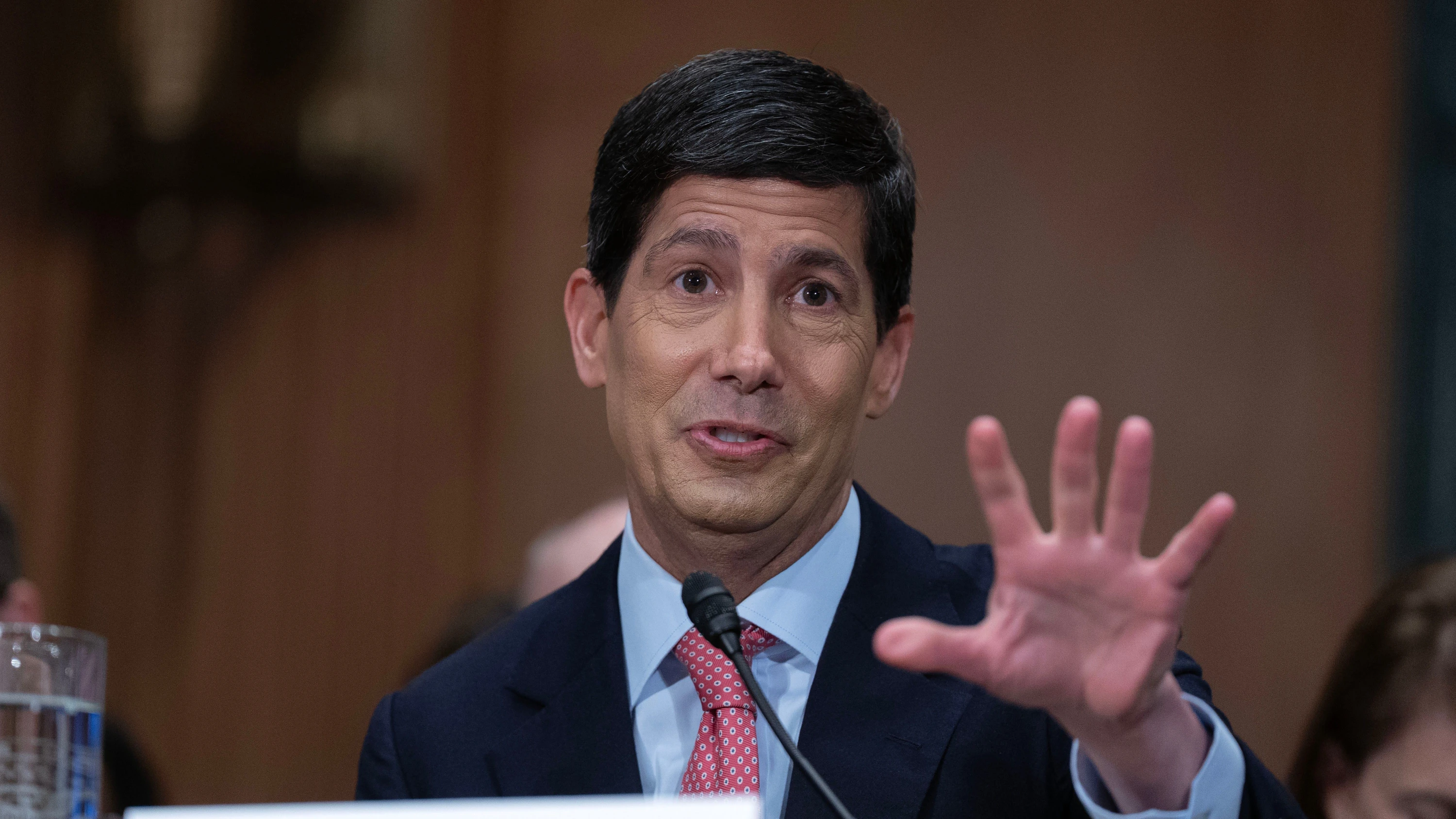
Iran, KI, Zinsen: Börsianer holen Luft am Anfang einer dichten Woche Schon kleine Entspannungssignale in der Weltpolitik bewegen zu Beginn der Woche die Kurse. Die weitere Richtung dürfte aber von den Zentralbanken und Unternehmensgewinnen abhängen.
faz · 2 months ago
Irankrieg: Sinkende Ölpreise lassen Börsenkurse steigen Der Konflikt zwischen den USA und Iran hat die Weltwirtschaft monatelang belastet. Eine neue Kampfpause lässt die Märkte aufatmen – aber wie nachhaltig ist die Erholung?
sueddeutsche · 2 months ago
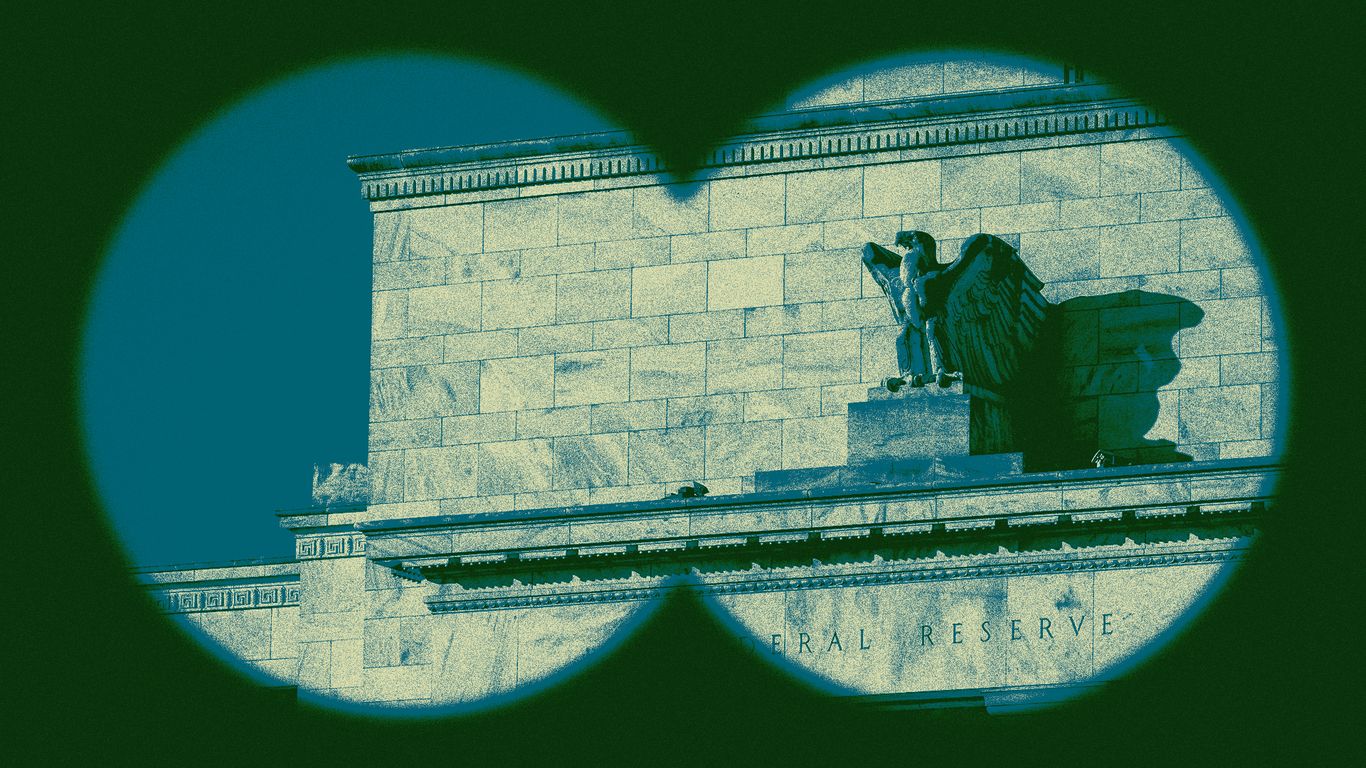
What would a rate hike signal about the new Fed chiefs MO? The Federal Reserve typically telegraphs its interest rate moves in advance, then follows through. This week will provide the clearest evidence yet on whether chairman Kevin Warsh is ending the era of the no-surprises Fed.The big picture: Markets are now putting meaningful odds on the Fed delivering an interest rate hike at the conclusion of its two-day meeting this week.If the Federal Open Market Committee were to do so, it would suggest a new era in which the central bank is less predictable — accepting more volatility and surprise as the price to be paid for greater policy nimbleness.State of play: In the final public communications before the Fed entered its pre-meeting blackout period, signs were pointing to the FOMC leaving rates unchanged at this meeting, but holding out the possibility of a future rate hike if inflation doesnt move down.Since then, there has been a re-escalation of hostilities in the Persian Gulf that sent oil prices and longer-term bond yields upward.That led traders to put greater weight on the possibility of a rate hike — currently about 34 in the CMEs FedWatch tool, up from 16 a week ago.Zoom out: Warsh often speaks of not pre-judging the outcome of policy meetings and of officials going in with an open mind and having a "family fight" decide optimal policy.That would imply a wider aperture of potential moves (or non-moves) than has been the norm under his immediate predecessors.Yes, but: The flip side of greater agility in policy is that there is more risk of appearing skittish and overly reactive to the latest headlines.If Fed officials were inclined to be a bit more patient on raising rates 10 days ago, should a $10 move in the price of crude oil (much of which has already reversed itself) really shake those plans?Warsh will face pressure in a post-meeting news conference Wednesday to explain either a move or non-move more clearly than he has been inclined to do in his public comments to date.What theyre saying: "Since markets have priced in about a one-third chance at this meeting, there will be some surprise no matter what the FOMC does," Bill English, a former top Fed economist, tells Axios."They should do the right thing, given the information they have," adds English, now a professor at the Yale School of Management. "I dont see a problem with the Committee surprising markets at a particular meeting — that should happen from time to time," he says. "But I do see a problem with not explaining the reasoning behind a move (or lack of move) because that could lead markets to react unexpectedly."Of note: The European Central Bank left interest rates unchanged last week, with Warshs European counterpart Christine Lagarde arguing that policymakers could not overinterpret fast-moving swings in oil prices while the conflict remained unresolved."We have seen so abrupt changes, occurring in a matter of days, not just in terms of the level of the conflict but also the consequences in terms of energy prices," Lagarde told reporters.A brief history of surprise Fed rate movesIn recent decades, the Fed has surprised markets most often when it aims to send a deliberate shock through the system.In the 2008 global financial crisis, and again in the 2020 onset of the pandemic, several emergency meetings resulted in supersized rate cuts, intended to instill confidence that the Fed wouldnt allow an economic collapse.Conversely, supersized interest rate hikes starting in June 2022 hoped to signal the Feds resolve to contain inflation.The intrigue: Those were undertaken in extreme circumstances — not just routine adjustments to try to recalibrate rates based on the state of the economy, but rather moments when the surprise itself was part of the goal.And even in those cases, the moves werent complete shocks on the day of the meeting. In June 2022, a last-minute pivot to a supersized 0.75-point rate increase was preceded by press reports foreshadowing the decision.Flashback: When the FOMC met in September 2008, two days after Lehman Brothers failed, it elected not to adjust interest rates. Many officials spoke of the need to wait to see how the event rippled through the economy before taking action."In uncertain circumstances like these, I think it would be unwise to react too hastily to a fluid situation," said then-St. Louis Fed president James Bullard.Zoom in: The downside of surprising markets was evident with the "taper tantrum" in May 2013, when chairman Ben Bernanke said the Fed could soon begin slowing its quantitative easing policies.That took bond markets by surprise and fueled a sell-off, driving longer-term interest rates sharply higher at a time when the U.S. economic recovery was tenuous — which hadnt been Bernankes intention.The episode weighed on then-governor Jerome Powell, who said in a September 2015 policy meeting that he didnt want to raise interest rates until market odds were "way north of 50 percent. In my perfect world it would be 100 percent.""I think it would be very unwise to lift off at a time when the market is not expecting it," Powell said.The bottom line: This week will offer some evidence of how much of a break Warsh is making with that Powell precedent.
axios · 2 months ago

Live - Amerikaanse regering herbekijkt procedure rekrutering ICE na dodelijk incident • Winsten op Wall Street door gevechtspauze en daling olieprijzen
de morgen · 2 months ago
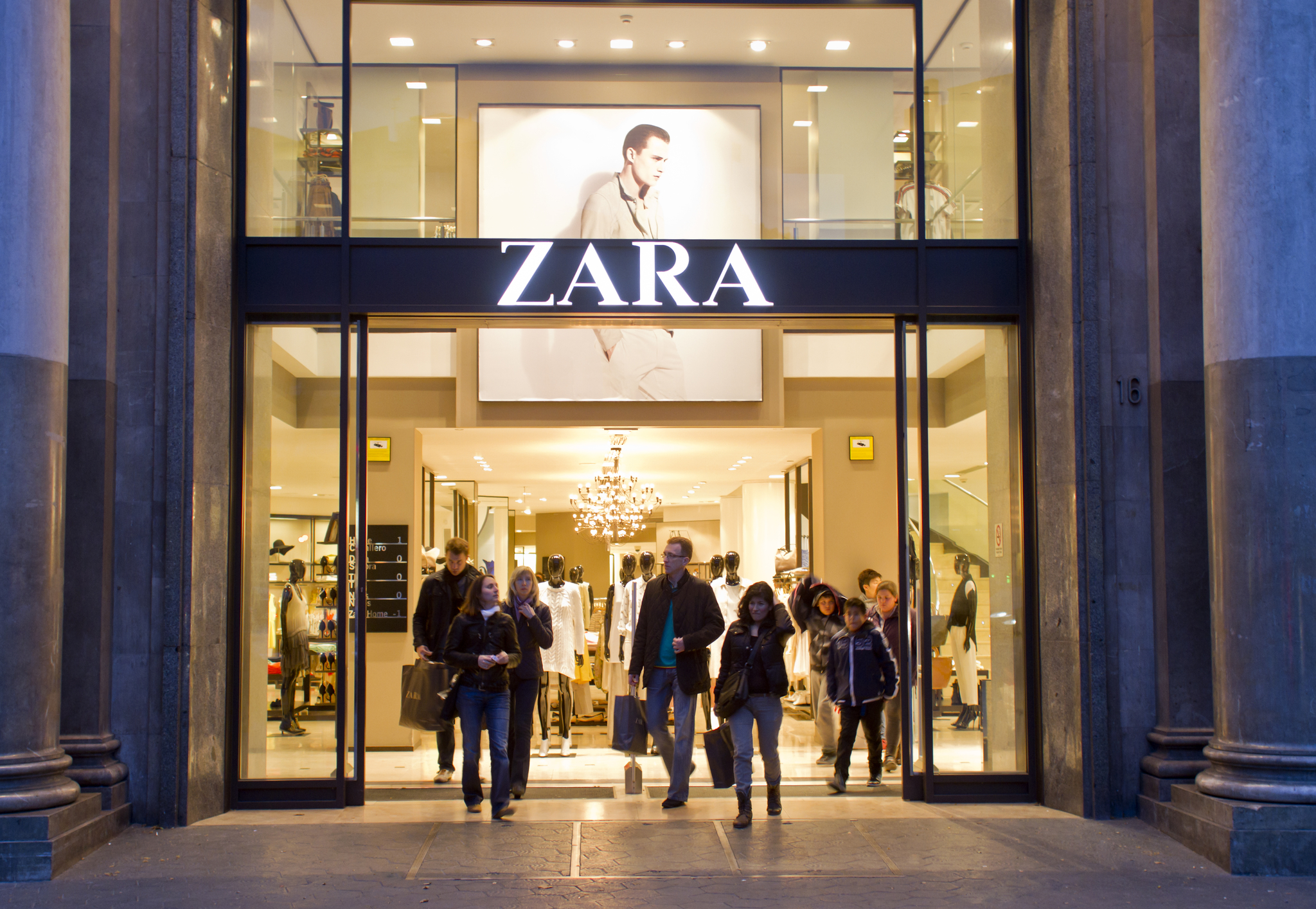
Inditex acelera en el Ibex: Barclays ve un impulso extra por los fármacos antiobesidad Las acciones de Inditex despuntan hoy en el Ibex con la doble mejora emitida por Barclays. El banco augura un fuerte crecimiento de Lefties, Bershka y Stradivarius, y destaca el potencial adicional que puede tener Inditex en EEUU gracias al efecto de los fármacos contra la obesidad. Leer
expansion · 2 months ago

El Ibex, cerca de nuevos récords con el desplome del petróleo La semana comienza con una de las noticias más anheladas en los mercados, el correctivo que sufre el precio del petróleo. La pausa en los ataques de EEUU e Irán se une al renovado tirón de las tecnológicas. El Ibex aprovecha la coyuntura para impulsar sus subidas. Leer
expansion · 2 months ago
Cdm su caro benzina e acciaierie di Taranto, la diretta della conferenza stampa da Palazzo Chigi La conferenza stampa del governo dopo il consiglio dei ministri: allordine del giorno, tra le altre cose, il decreto per la riduzione delle accise sui carburanti e il decreto sullEx Ilva. Larticolo Cdm su caro benzina e acciaierie di Taranto, la diretta della conferenza stampa da Palazzo Chigi proviene da Il Fatto Quotidiano.
il fatto quotidiano · 2 months ago
Teure Städte, günstiges Land: In Brandenburgs Norden bleibt das Bauen billiger Der Obere Gutachterausschuss des Landes hat den Grundstücksmarktbericht für das Jahr 2025 vorgelegt. Demnach hat sich der Immobilienmarkt in Brandenburg inzwischen „erkennbar erholt.
tagesspiegel · 2 months ago
Kommentar: Ein neuer Tankrabatt? Populismus pur Öl kostete zeitweise wieder mehr als 100 Dollar, das spüren Autofahrer auch an deutschen Tankstellen. Also wieder die Spritpreise künstlich drücken? Das wäre genauso absurd wie zuvor.
handelsblatt · 2 months ago
Stauprognose: Mancherorts geht es ohne Stau nicht mehr über die Autobahn Alle Bundesländer sind nun zeitgleich in den Sommerferien. Staus sind auf den Hauptreiserouten kaum zu umgehen. Wo die längsten Wartezeiten drohen und wann sich Staus am ehesten vermeiden lassen.
handelsblatt · 2 months ago
Dax-Sentiment: Börsenlage verbessert sich – „Es ist wieder an der Zeit, sich über Zukäufe Gedanken zu machen Hoffnung auf Frieden im Nahen Osten treibt die Kurse an. Eine Handelsblatt-Umfrage zeigt, dass viele Anleger darauf nicht vorbereitet sind. Das könnte den Markt weiter unterstützen.
handelsblatt · 2 months ago
Italien: Rom will mit neuem Tankrabatt Preise unter Zwei-Euro-Grenze halten Pünktlich zum Ferienstart knacken die Benzinpreise in Italien fast die Zwei-Euro-Marke. Die Finanzierung des neuerlichen Rabatts bereitet der Regierung Meloni allerdings Probleme.
handelsblatt · 2 months ago
Mobilitätskosten: Spritpreise geben etwas nach Der Ölpreis fällt deutlich, beim Sprit geht es minimal nach unten. Der ADAC hofft auf weitere Senkungen.
handelsblatt · 2 months ago
Wall Street: „Es fühlt sich an, wie das Jahr 2007 – Die riskanten Krypto-Wetten mit Perpetual Futures boomen Fast alle Privatanleger verlieren Geld mit „Perps. Dennoch hat die Trump-Regierung die Produkte genehmigt – und der Handel floriert. Was die Instrumente so gefährlich macht.
handelsblatt · 2 months ago
Märkte: Ölpreise geben nach US-Angriffspause merklich nach 13 Nächte lang greifen die USA den Iran an. Der Ölpreis steigt während der Angriffswelle deutlich. Eine Pause sorgt nun für Abkühlung an den Rohöl-Märkten.
handelsblatt · 2 months ago
Today: Manche Maßnahmen der Bundesregierung zeigen Wirkung, sagt Ifo-Chef Fuest Das Geschäftsklima hat sich im Juli verbessert – trotz Iran-Krieg und steigender Energiepreise. Außerdem: Vermögensverwalter erklären, bei welchen Aktien der KI-Boom noch nicht eingepreist ist.
handelsblatt · 2 months ago
Energy shock: why oil and gas prices have risen less than expected
ecb · 2 months ago
Scumpiri fără frână: Prețul motorinei trece de 10 lei/litru în stațiile din România Prețurile carburanților continuă să crească accelerat, iar în unele benzinării motorina a depășit luni pragul de 10 lei pe litru. Între timp, Senatul a adoptat proiectul privind reducerea temporară și graduală a accizei la motorină.
adevarul · 2 months ago
Can you drive stick? Manual cars slowly disappearing from Dutch fleet Almost half of all cars in the Netherlands are now automatics, a doubling compared to nearly ten years ago. This shift is primarily due to the strong rise of electric and hybrid cars.
nltimes.nl · 2 months ago