Loading…
 Friday, September 25Friday, September 25
2 months · 9 summary articles
Oil prices fell sharply on Monday as the United States and Iran paused their military strikes, raising hopes for a return to ceasefire and new talks on reopening the Strait of Hormuz.
Brent crude, the international benchmark for oil prices, dropped more than 7 percent at one point to briefly fall below $90 a barrel. The price of West Texas Intermediate (WTI) also declined by more than 5 percent. This significant drop follows a weekend without military strikes from either side, marking a shift from the previous two weeks of escalating tensions.
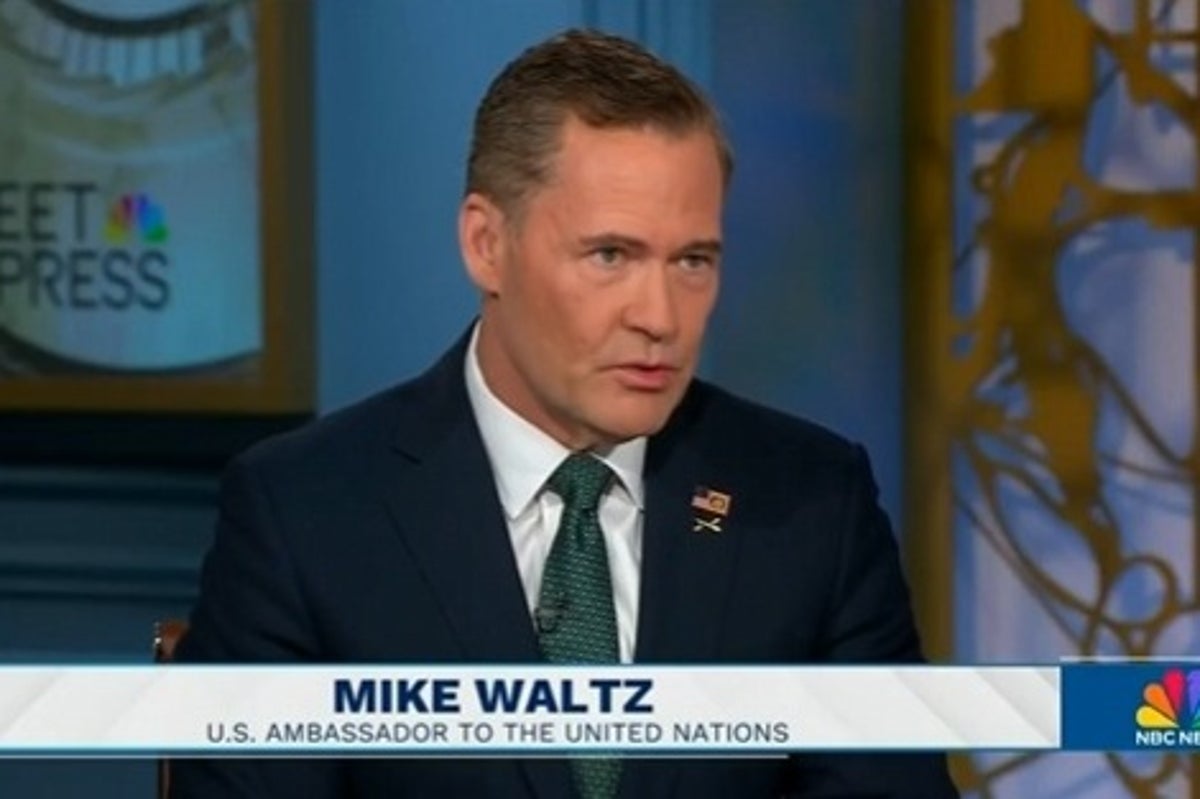
The United States halted its air strikes on Iran over the weekend after 13 consecutive days of attacks. According to Mike Waltz, the US ambassador to the United Nations, President Donald Trump is "giving talks some space" and allowing diplomacy to proceed. "He's giving it a little bit of room," Waltz told Fox News on Sunday.
Iran has reciprocated by halting its retaliatory attacks. Mohammad Akraminia, the spokesman for Iran's army, stated that since Iran's strategy has been essentially retaliatory, they have also halted their operations. "Since ... our strategy has essentially been retaliatory, we have also halted our retaliatory operations," Akraminia said.
The pause in hostilities has provided a respite for Gulf shipping and the oil industry, which had been disrupted by the conflict. The Strait of Hormuz, a crucial chokepoint for global oil supplies, has been particularly affected. According to Iran's foreign ministry spokesman Esmaeil Baqaei, talks with Oman on managing the safe passage of ships through the strait have made progress. The discussions focused on "common principles and operational mechanisms" for ensuring the safe passage of shipping through the strait while respecting the sovereign rights of the two states.
The conflict between the US and Iran escalated earlier this month after Iran attacked ships passing through Omani waters in the Strait of Hormuz. This led to a pattern of escalation, with the US carrying out strikes on Iran for 13 consecutive nights. However, the situation began to de-escalate over the weekend as both sides paused their attacks.
The pause in hostilities has also been welcomed by other regional players. Israeli Prime Minister Benjamin Netanyahu expressed his support for Trump's efforts to weaken Iran and press it to end its nuclear program. "If he can do so without returning to intense military fighting, that's fine. Why not?" Netanyahu told Fox News.
The drop in oil prices has been welcomed by markets, which had been concerned about the impact of rising energy costs on global economies. The conflict had pushed oil prices above $100 a barrel last week, but the pause in hostilities has provided some relief.
The pause in attacks comes as mediators from Pakistan and Qatar have intensified diplomatic efforts to secure a broader de-escalation between Washington and Tehran. According to government sources in Islamabad, the mediators are working to secure a return to pre-July 9 positions to resume stalled negotiations toward a permanent peace agreement.
The conflict has also had broader economic implications. The four-month-long US-Iran conflict has pushed European diesel reserves to a four-year low, affecting energy supplies in the region.
Despite the pause in hostilities, tensions remain high. The US has not ruled out further military action, and Iran has stated that it will resume its attacks if the US does not maintain its pause. The situation remains fluid, with markets and governments closely watching the developments.
The pause in attacks has also raised questions about the future of diplomatic efforts. While the pause has provided some relief, the underlying issues that led to the conflict remain unresolved. The international community continues to watch closely as the situation develops.
Follow us for live European news
6 further sources not geolocated

Oljeprisen faller Oljeprisen faller med 6,18 prosent mandag morgen. Det skjer etter at USA satte angrepene mot Iran på pause, etter å ha…
aftenposten · 2 months ago
Oil prices fall amid pause in US strikes on Iran to give space for diplomacy Oil prices fell on Monday amid a pause in strikes between the US and Iran boosted hopes for a return to a ceasefire and new talks on reopening the Strait of Hormuz. The United States held fire over the weekend after 13 days of attacks on Iran, with Washingtons UN envoy saying the US was "giving talks some space".
france24 · 2 months ago
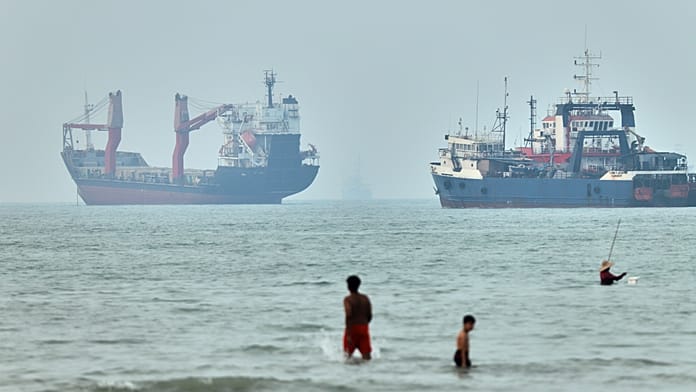
Oil prices plunge as US and Iran pause strikes over Strait of Hormuz Oil prices eased in early trading on Monday, falling further from a two-month high set last week, after the United States and Iran refrained from launching military strikes in the Persian Gulf.
euronews · 2 months ago
🇺🇸🇮🇷⚡️ — The United States has recognized the impracticality of further bombing in Iran near the Strait of Hormuz, according to Axios. It is reported that the head of CENTCOM, Admiral Brad Cooper, recommended halting the bombing in the Strait of Hormuz area because "they have reached the limit of their effectiveness." This served as an acknowledgment from the Presidents advisors, both military and civilian, that there are limits to what can be achieved through military action, and especially through airstrikes, the publication notes. @Intelslava
telegram_Intel Slava · 2 months ago
US halts strikes on Iran for second day as mediators intensify diplomacy The United States halted air strikes against Iran for a second consecutive day on Sunday as Pakistani and Qatari mediators intensified diplomatic efforts to secure a broader de-escalation between Washington and Tehran, government sources in Islamabad told Anadolu.
yenisafak · 2 months ago
Oil prices sink as US-Iran pause fuels fresh Hormuz hopes Oil prices tumbled Monday as a pause in tit-for-tat strikes between the US and Iran boosted hopes for a return to their ceasefire and negotiations on reopening the Strait of Hormuz.
france24 · 2 months ago
Iran-Krieg: Preise für Öl und Gas fallen nach Pause der US-Angriffe deutlich Fast zwei Wochen lang haben die USA den Iran kontinuierlich attackiert. Das vorläufige Ende der Angriffe lässt die Preise für europäisches Öl und Gas spürbar sinken.
handelsblatt · 2 months ago
Pakistan, Qatar intensify US-Iran talks after Trump orders pause Pakistani and Qatari mediators have intensified diplomatic channels between Washington and Tehran after President Donald Trump ordered a "pause" in the two-week bombing campaign, as both sides exchanged responses to a joint formula urging a return to pre-July 9 positions to resume stalled negotiations toward a permanent peace agreement.
yenisafak · 2 months ago
#USA #Iran Criticism of Trumps approach to the Iran war is increasing among some Republicans, who fear that the emerging deal may not effectively limit Irans nuclear capabilities or influence in the region. Meanwhile, Iran appears to be negotiating from a position of strength, complicating the prospects for a resolution. Subscribe to @OSINTdefender Chat room
telegram_OSINTdefender · 2 months ago
Oil Prices Fall Amid Renewed Optimism, Bolstered by Pause In Middle East Attacks As the conflict in the Persian Gulf continues to impact and shape the region, journalists from RFE/RLs Central Newsroom and Iranian service, Radio Farda, deliver ongoing updates and analysis.
radio free europe · 2 months ago
Iran: Vi pausar attackerna mot USA USA verkar ha pausat sina attacker mot Iran. Nu meddelar Iran att även de pausar, rapporterar internationella medier. – Medlare arbetar och försöker förhindra att spänningarna trappas upp, säger Esmail Baghaei, talesperson för Irans utrikesministerium.
expressen · 2 months ago
Oil falls more than 4 as Iran and US pause strikes over Strait of Hormuz Brent opens lower after two weeks of escalating violence pushed crude to more than $100 a barrel
financial times · 2 months ago
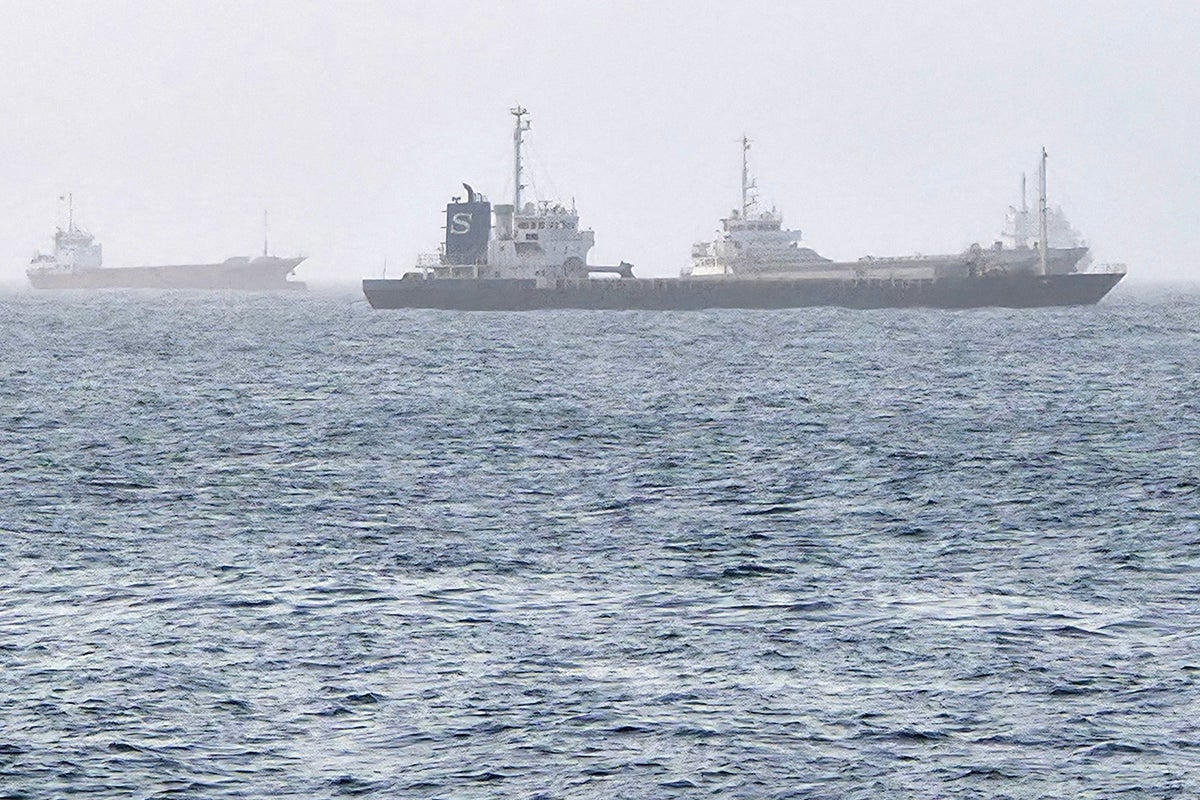
Iran-US war latest: Trump pauses nightly attacks to make room for talks, says ambassador Oil prices fall as US and Iran pause their attacks for a second straight day
independent · 2 months ago
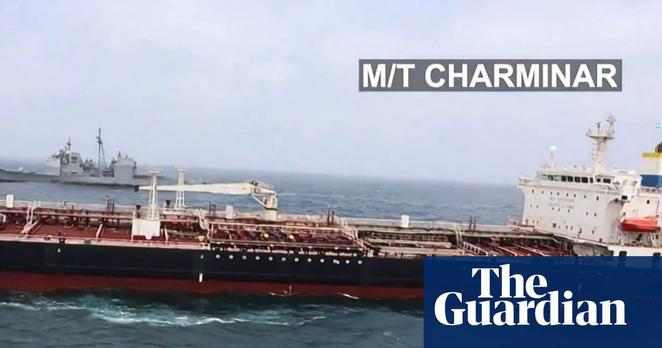
🟠 UPDATEUS pauses Iran strikes amid military advice and diplomatic talksEconomists warn rising oil prices due to renewed Iran conflict could force the Bank of England to raise interest rates later this year if prices exceed $100 a barrel, casting a shadow over energy costs.📰 #OilEnergy #Markets #Geopolitics #GeoWire
mastodon bot · 2 months ago

Iran and US hold fire Sunday, handing Gulf shipping and the oil industry a respite from missile strikes. Trumps UN envoy says the president is "giving talks some space" u.afp.com/Sr2p
bluesky_AFP English · 2 months ago
Iran reports progress in Hormuz shipping talks with Oman Iranian Foreign Ministry spokesman Esmaeil Baqaei said deputy foreign ministers held productive talks in Tehran on operational mechanisms for safe passage through the Strait of Hormuz, as technical consultations between the two countries continue.
yenisafak · 2 months ago
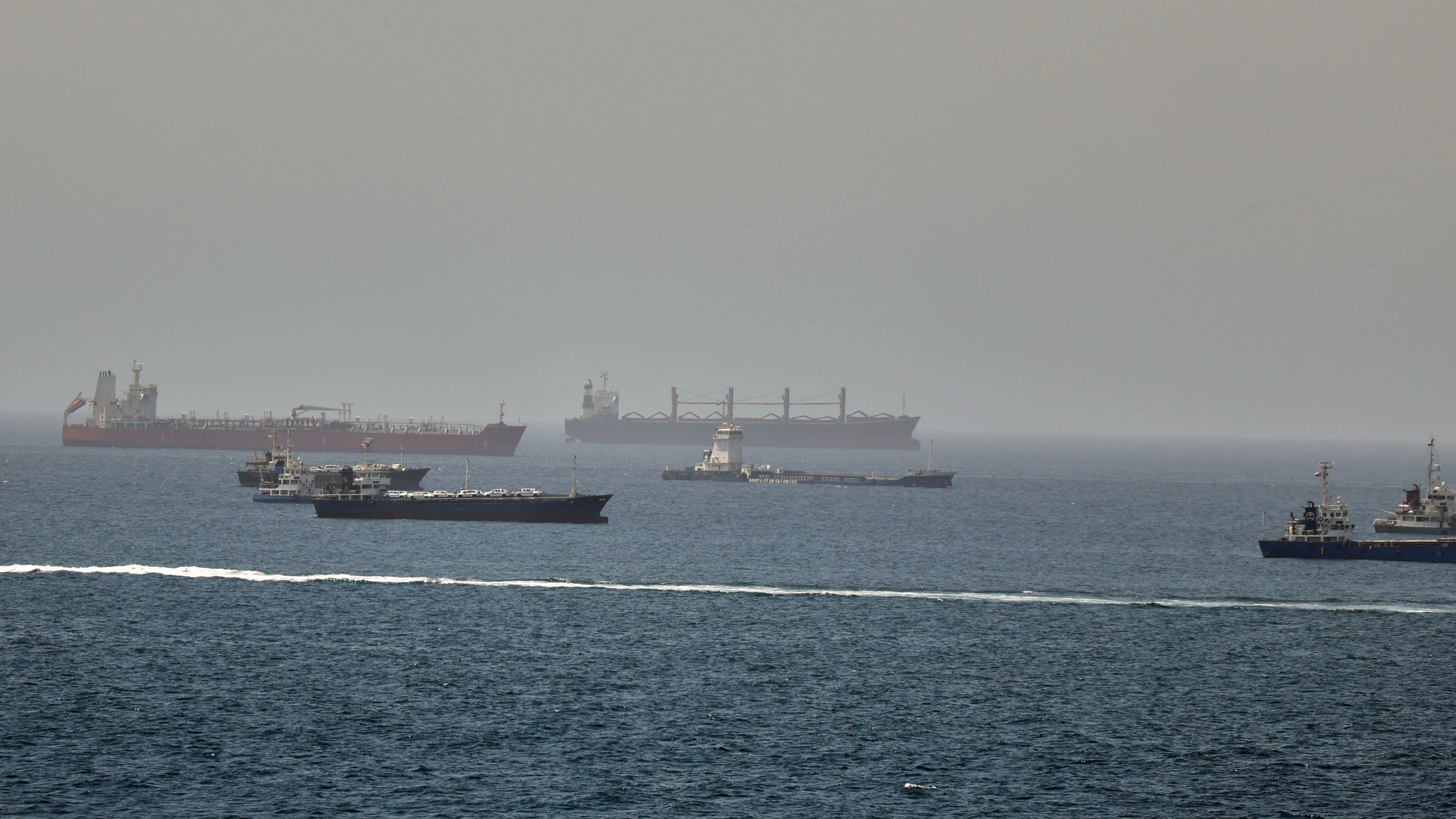
Liveblog Irankrieg: Ölpreis fällt nach US-Angriffspause in Iran Hoffnung auf eine Deeskalation im Irankrieg +++ USA bestätigen Verlegung von Militär in den Nahen Osten +++ US-Botschafter: Trump gibt Iran-Gesprächen Raum +++ alle Entwicklungen im Liveblog
faz · 2 months ago
US and Iran hit pause on strikes for second day The relative calm comes amid reports of renewed efforts to restore diplomatic talks.
aljazeera · 2 months ago
Märkte: Ölpreis fällt nach US-Angriffspause im Iran deutlich 13 Nächte lang greifen die USA den Iran an. Der Ölpreis steigt während der Angriffswelle deutlich. Eine Pause sorgt nun für Abkühlung an den Rohöl-Märkten.
tagesspiegel · 2 months ago
Majority of Americans think Trumps Iran war will last months or even years, new poll shows U.S. and Iran pause attacks but chaos in Strait of Hormuz continues to drive up prices for war-weary Americans
independent · 2 months ago
+++ Iran-Krieg +++: Pentagon ändert Opferzahlen zum Iran-Krieg und sorgt für Verwirrung Stabilisierungstruppe soll offenbar Zugang zu Gaza erhalten +++ USA bestätigen Verlegung von Militär in den Nahen Osten +++ Der Newsblog.
handelsblatt · 2 months ago
Trump halts US strikes on Iran after 13 days: Report President Donald Trump directed the US military to suspend new strikes against Iran on Friday after 13 days of continuous attacks, signaling a potential shift toward diplomacy regarding the Strait of Hormuz blockade while the Pentagon maintains readiness for possible escalation, Axios reported.
yenisafak · 2 months ago
Trump threatens Iran war if we dont get 100 of what we want US President Donald Trump told French news channel LCI on Saturday that he would resume full-scale war with Iran should Washington fail to secure "100 of what we want," as reports emerged that he ordered the Pentagon to halt daily strikes against Tehran after nearly two weeks of continuous operations.
yenisafak · 2 months ago

Gold rises over 1 as oil tumbles on pause in US-Iran fighting reut.rs/4vKbc5D
bluesky_Reuters · 2 months ago

Dollar pulls back as US-Iran attacks pause, oil drops reut.rs/44Uerwv
bluesky_Reuters · 2 months ago
Trump pauses Iran escalation over dwindling missile stocks: Report US President Donald Trump has paused plans for a major military escalation against Iran following warnings from senior Pentagon officials that air defense missile stocks have dwindled to dangerous levels needed to protect American bases across the Middle East, according to the New York Times.
yenisafak · 2 months ago

Crude oil futures are pricing market adaptability, not hopeful Iran peace reut.rs/4hzLvRP
bluesky_Reuters · 2 months ago

Oil slips 5 after US, Iran pause fighting over weekend
news.yahoo.com · 2 months ago
US pauses Iran strikes as Oman pursues Hormuz transit deal Neither side launches attacks for second consecutive night as mediators seek to avert return to full-blown war
financial times · 2 months ago
Iran war live: Tehran halts retaliatory strikes after pause in US attacks The US has paused its two-week bombing campaign against Iran, prompting Tehran to suspend its retaliatory attacks.
aljazeera · 2 months ago