Loading…
 Saturday, September 26Saturday, September 26
4 months · 11 summary articles
The 2026 FIFA World Cup kicks off in three days, but the tournament is already overshadowed by political tensions, soaring ticket prices, and logistical nightmares that threaten to eclipse the football itself. On Monday, FIFA President Gianni Infantino defended the controversial decision to award the tournament to the United States, brushing aside criticism from former president Sepp Blatter, who dismissed his successor as “divorced” from the organisation . Meanwhile, the host nation’s aggressive visa policies have sparked outrage, with reports of denied entry, hours-long interrogations, and even a ban on Iranian fans—despite their team’s participation .
Ticket prices have reached astronomical levels, with secondary market listings for the opening match in Mexico City exceeding €22,000 . Critics accuse FIFA of profiteering, while organisers insist prices reflect “industry trends.” The controversy has even drawn the ire of former US President Donald Trump, who reportedly called the costs “outrageous” .
On the pitch, defending champions Argentina face a stern test in Group C against Nigeria, Iceland, and Saudi Arabia, while hosts USA open against Ghana in Kansas City. England, despite a chaotic pre-tournament friendly against New Zealand marred by a misprinted team sheet, remain among the favourites . Germany, tipped by former coach Dick Advocaat as title contenders, will rely on Julian Nagelsmann’s revamped side to avoid a repeat of their 2022 group-stage exit .
Off the field, referees face unprecedented scrutiny. Ismail Elfath, a veteran American official, described his selection for a second World Cup as “relief and pride,” but the pressure is immense . Meanwhile, the Azteca Stadium in Mexico City—host of the opener—prepares to write another chapter in its storied history, from Maradona’s “Hand of God” to Pelé’s final triumph .
As teams finalise their squads, injuries and political wrangling continue to dominate headlines. Romano Schmid’s withdrawal from Austria’s squad due to injury leaves a void, while Iran’s players must navigate a tournament fraught with geopolitical tension, training in Mexico but playing in the US . With kick-off just 72 hours away, the World Cup’s organisers face a battle to salvage the spectacle from the chaos.
Follow us for live European news
2 further sources not geolocated

Baldini e il futuro ct: Non dipende da me, nel calcio danno delle etichette che è difficile togliersi. Lo scenario Silvio Baldini ci spera? Forse. Anche se preferisce lasciar parlare gli altri. È stato Ct ad interim e, per ora, si prepara per i prossimi impegni della sua Under 21, quella che in qualche modo ha portato in Nazionale maggiore per le due amichevoli disputate contro Lussemburgo e Grecia (entrambe vinte per 1-0, per quello […] Larticolo Baldini e il futuro ct: Non dipende da me, nel calcio danno delle etichette che è difficile togliersi. Lo scenario proviene da Il Fatto Quotidiano.
il fatto quotidiano · 4 months ago

„Vincent Kompany ist das Allerbeste, was der Bundesliga seit Langem passiert ist Laura Wontorra zählt zu den bekanntesten Sport-Moderatorinnen – und wird bei der WM im Einsatz sein. Ein Gespräch über Königsfragen, Lampenfieber, Kritik – und eine jährliche Kur am Wörthersee.
welt.de · 4 months ago
Mondpreise auf dem Zweitmarkt – der große Ärger um die WM-Tickets Die WM wird für die Fans zu einer teuren Angelegenheit. Besonders die Ticketpreise für vermeintlich attraktive Spiele auf dem Zweitmarkt kennen nur eine Richtung. Die Fifa verweist auf „Branchentrends.
welt.de · 4 months ago
Fußball-Nationalmannschaft: USA statt Marbella: Nachrücker Ouédraogo Erster im WM-Camp Als ihn der Anruf des Bundestrainers erreicht, muss Assan Ouédraogo die frohe Botschaft erstmal sacken lassen. Aber dann ist er flott. Schon vor den DFB-Kollegen kommt er in Winston-Salem an.
tagesspiegel · 4 months ago
Ein Schimpfwort im Stadion spaltet die Nation: Mexikos Fankultur und der Kampf gegen Homophobie Kurz vor dem WM-Auftakt in Mexiko flammt eine alte Debatte wieder auf. Der umstrittene „puto-Ruf bringt dem Verband Strafen ein – und ist aus den Stadien kaum wegzubekommen.
tagesspiegel · 4 months ago
Fußball-Weltmeisterschaft: Es hat mit Dzeko zu tun - Barbarez geht „das Herz auf Nach dem Elfmeter-Coup gegen Italien geht Außenseiter Bosnien zuversichtlich an den WM-Start. Der Nationalcoach hofft auf die rechtzeitige Genesung des Torhelden aus der Bundesliga.
tagesspiegel · 4 months ago
Vor der Weltmeisterschaft: Müllers WM-Prognose: DFB-Auswahl eher wie 2010, nicht 2014 Thomas Müller wird 2014 mit der deutschen Auswahl Weltmeister - nun ist er als Experte bei der WM im Einsatz. Vor seiner Reise nach Übersee verrät er, an wen ihn Nagelsmanns Auswahl erinnert.
tagesspiegel · 4 months ago
Tunisia fans confident of World Cup progress despite tough group Tunisian supporters have expressed firm belief in their national teams ability to advance from the 2026 World Cup group stage despite being drawn against European and Asian heavyweights Netherlands, Japan and Sweden in Monterrey and Kansas City.
yenisafak · 4 months ago
2026 World Cup projected to generate $80B economic output FIFA and the World Trade Organization project $80.1 billion in gross economic output from the expanded 48-team tournament across North America, though independent economists warn the actual financial impact may fall significantly short of official estimates as 6.5 million tourists prepare to visit host cities.
yenisafak · 4 months ago
Italiener – und Fan der Deutschen: „Mein Favorit ist natürlich Deutschland! Der italienische Bestsellerautor Giuseppe Culicchia ist „tifoso der deutschen Mannschaft. Nun hat er ein Buch über seine Leidenschaft geschrieben. mehr...
taz.de · 4 months ago
CM 2026. Atacantul irakian Aymen Hussein, care participă la Campionatul Mondial, interogat aproape șapte ore pe aeroportul din Chicago Atacantul irakian Aymen Hussein, participant la Campionatul Mondial, a fost reținut și interogat timp de aproape șapte ore pe aeroportul OHare din Chicago, după ce a sosit cu lotul sâmbătă dimineața, a declarat un oficial sportiv irakian citat de The Guardian.
digi24 · 4 months ago
Coupe du monde 2026 : le calendrier et le résultat de tous les matchs Quand et à quelle heure ont lieu les 104 rencontres du Mondial 2026 au Canada, aux Etats-Unis et au Mexique ? Quel est le score de chaque match ? Notre calendrier est là pour répondre à ces questions tout au long du tournoi.
liberation · 4 months ago
Iran bei der Fußball-WM: Nur an Spieltagen in den USA willkommen Die WM-Teilnahme des Irans ist politisch komplex, aber sportlich unumstritten. Das Team bezieht in Tijuana sein Quartier und darf nur an Spieltagen in die USA reisen.
die presse · 4 months ago

Österreich vs. Slowenien: Nicht nichts, aber auch nicht viel Österreich hat im fünften WM-Qualifikationsspiel den ersten Sieg eingefahren. Mit dem knappen 1:0 gegen Slowenien hat man nun sehr realistische Chancen, wenigstens den dritten Gruppenplatz zu erreichen. Grenzenlose Begeisterung konnte freilich nicht aufkommen.
der standard · 4 months ago
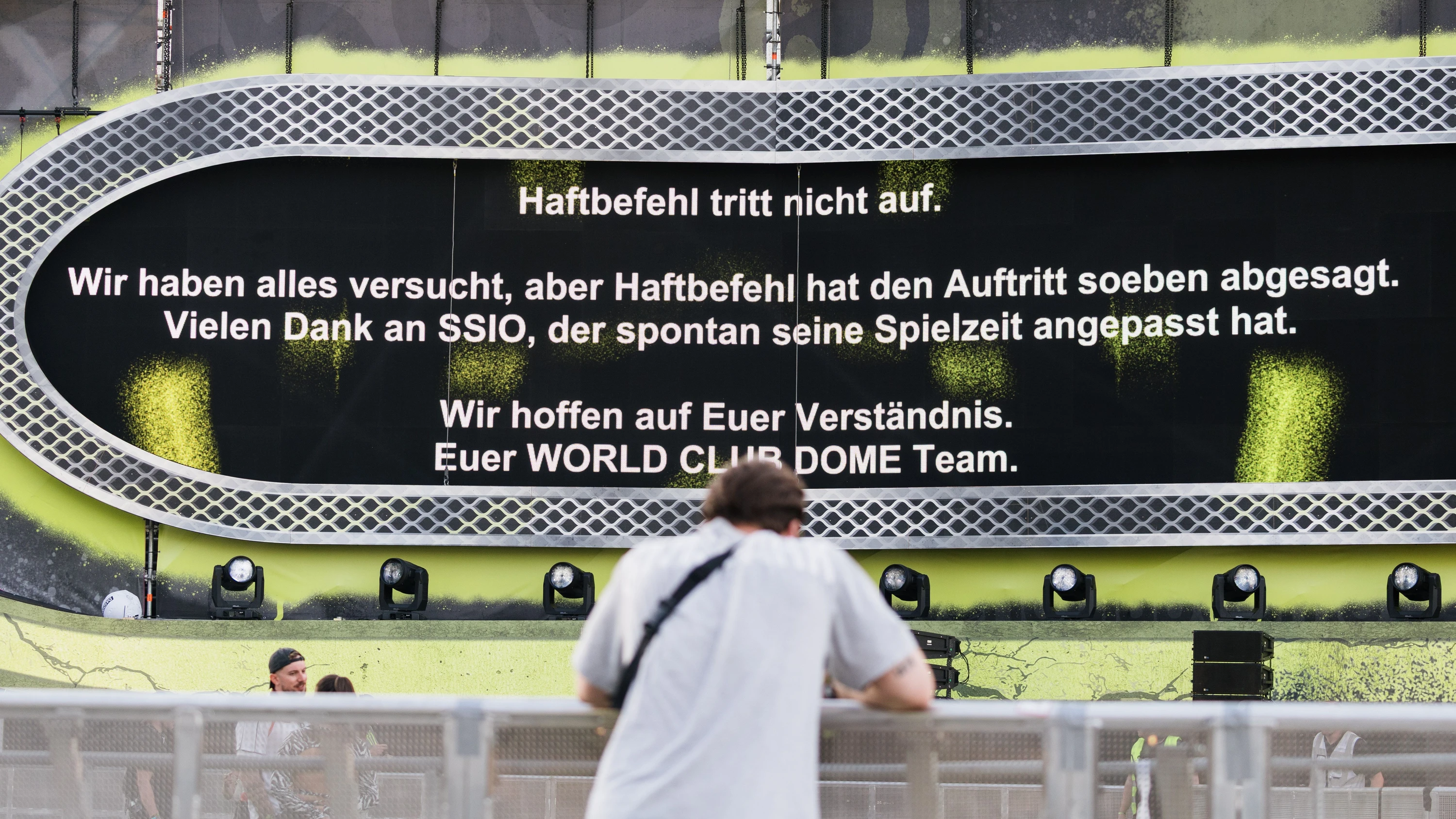
World Club Dome: Unmut über kurzfristige Absage von Haftbefehl Der Rapper Haftbefehl sagt seinen Konzertbesuch beim World Club Dome in Frankfurt erst Minuten vor der geplanten Show ab. Im Stadion ist die Frustration groß. Denn so mancher Fan ist nur seinetwegen angereist.
faz · 4 months ago
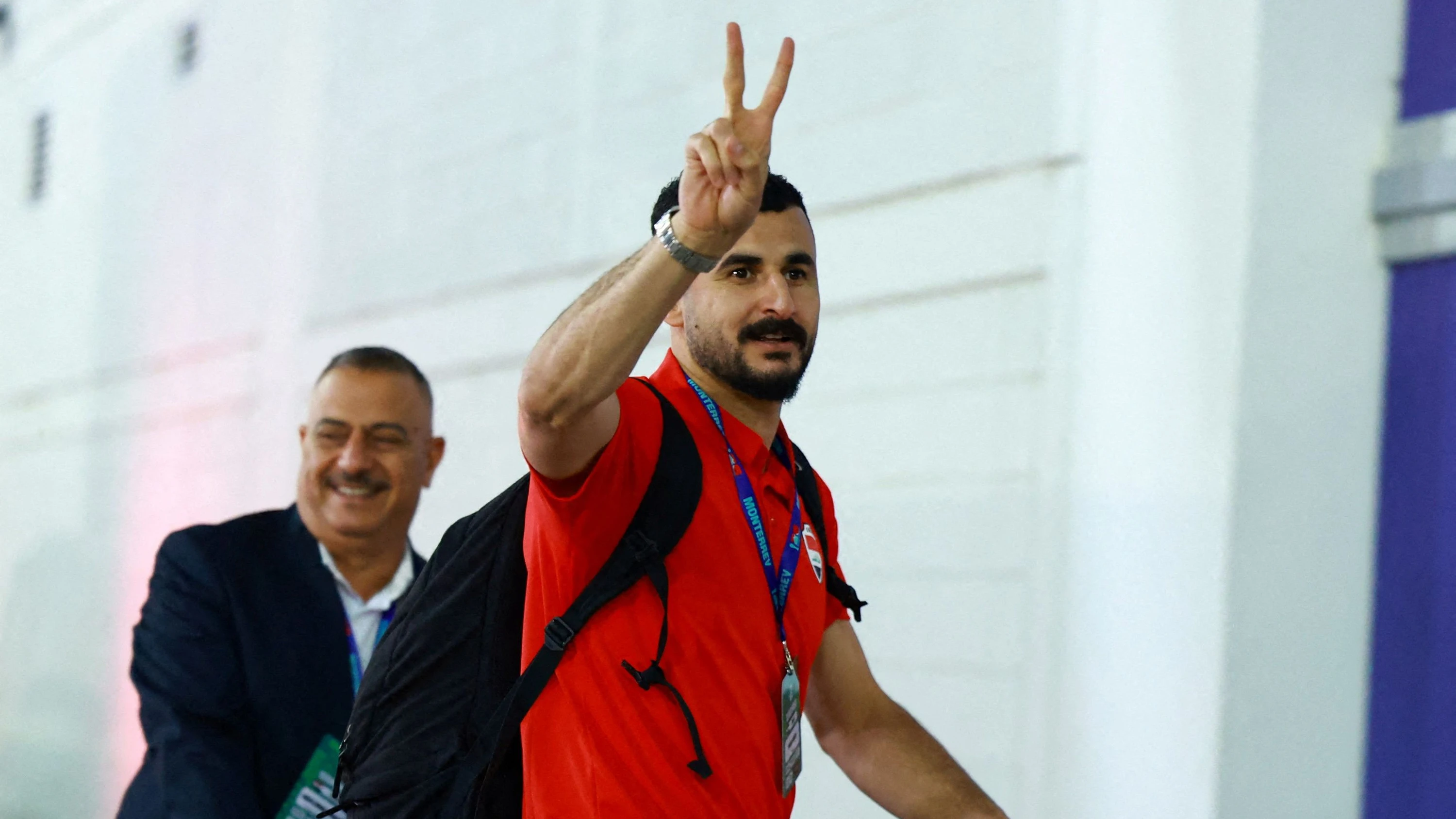
Fußball-WM in den USA: Der Gastgeber, der seine Gäste schikaniert Wenige Tage vor Beginn der Fußball-WM häufen sich Berichte über Einreiseverbote, verweigerte Visa und stundenlange Verhöre. FIFA-Präsident Infantino soll handeln – äußert sich aber zufrieden.
faz · 4 months ago
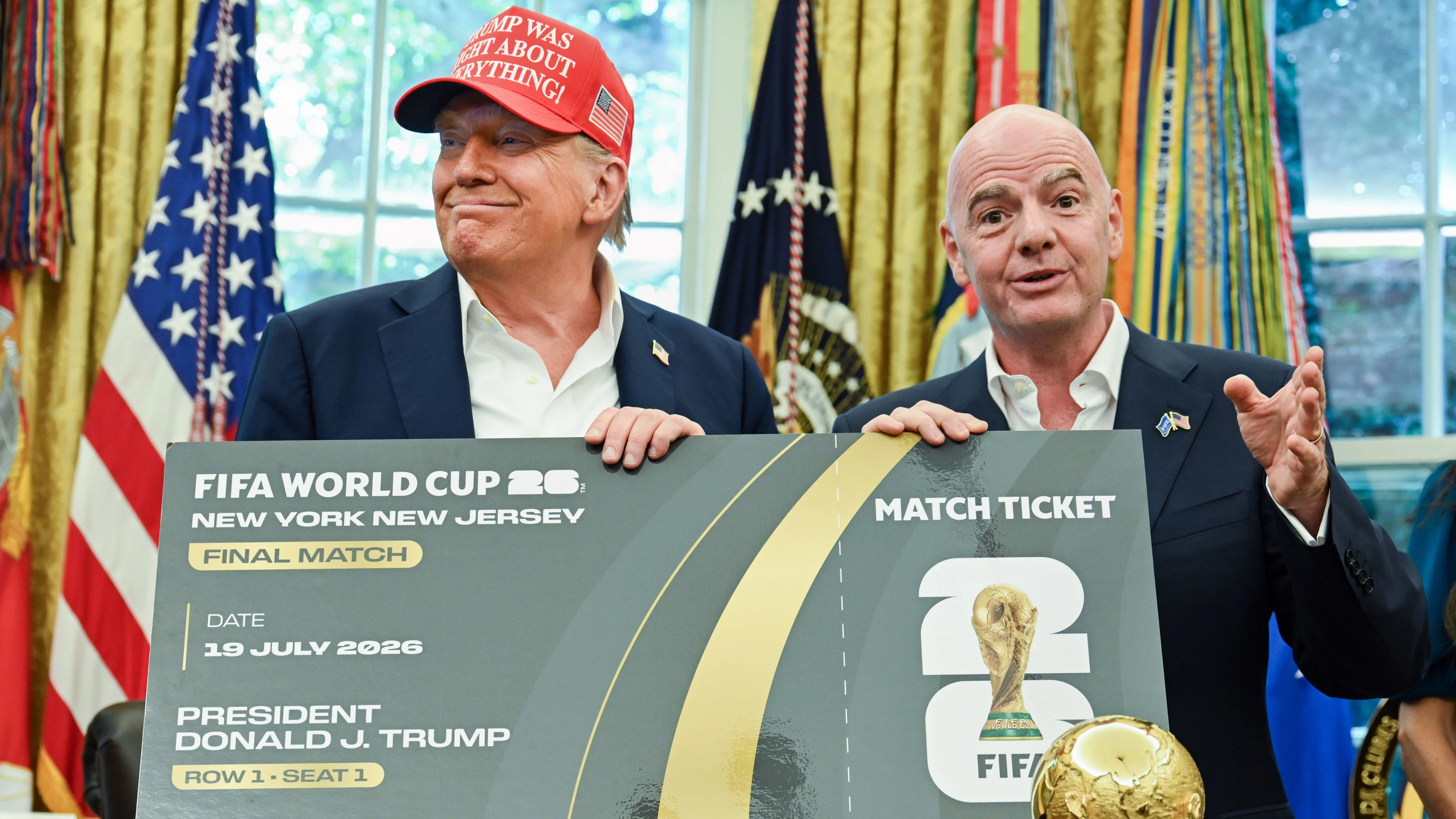
Trump und Infantino: Ziemlich beste Freunde Die Fußballweltmeisterschaft ist auch ein Geschenk der FIFA an Donald Trump. Doch sein Vorgehen gegen Feinde in aller Welt stellt Gianni Infantino vor Herausforderungen.
faz · 4 months ago
England fans baffled by error-riddled team sheet before World Cup 2026 opening friendly match
gdeltproject.org · 4 months ago
What time are World Cup 2026 matches in my time zone? Find out the match time in your part of the world for the 104 fixtures of the FIFA World Cup 2026 in North America.
aljazeera · 4 months ago
It can all end with one bad game: the highs and lows of a World Cup referee Even the finest miss out on a place at the finals and for those who do get there, decisions can make or break a dreamIsmail Elfath was taking his children to the park near his home in Texas when a message arrived. Congratulations, it read. Elfath hugged his wife. Fifa had selected him for his second World Cup. Relief and pride swept over him. Going to a World Cup is the dream of every referee, but going to a second one means you have stayed consistent for eight years plus, he said.For referees, the World Cup is the pinnacle. The tournament comes around only every four years, and only a tiny number make the cut. First you have to be the best in your own country, and even then you might not be selected, the former Swiss referee Urs Meier said. Continue reading...
theguardian · 4 months ago
World Cup 2026: England prepare for Costa Rica friendly, Iran visa row, Lamine Yamal latest: football news – live Tuchel criticises Englands freestyle approachPlayer guide | Bracketology | Wallchart | Mail WillIf you think Messi is knocking on a bit, hes not even one of the 10 oldest players at the 2026 World Cup. Modern science, eh.FIFA published the top 20 last week and its an early win for Scotland. Continue reading...
theguardian · 4 months ago
Iranians protest outside World Cup stadium ahead of Iran match More than 200 members of the Iranian diaspora gathered outside Los Angeles Stadium on Sunday, waving Irans pre-revolutionary "Lion and Sun" flags and protesting against the Iranian government ahead of Irans first match of the 2026 FIFA World Cup.
euronews · 4 months ago
Weltfussballverband Fifa – Blatter: «Im Grunde sind Infantino und ich geschiedene Leute» Zwei Walliser und die Fifa: Blatter kritisiert seinen Nachfolger Infantino – und würde ihn trotzdem gerne treffen.
srf.ch · 4 months ago
Von der „Hand Gottes bis Pelé: Fußball-Tempel für große Dramen: Das Aztekenstadion Pelé, Maradona, WM-Triumphe und Tränen. Aber auch die erste Gelbe Karte in der Geschichte des Fußballs - gezeigt von einem deutschen Schiedsrichter. Das Aztekenstadion hat schon vieles erlebt.
tagesspiegel · 4 months ago
Fußball-Weltmeisterschaft: Mondpreise auf dem Zweitmarkt: Der Ärger um die WM-Tickets Hohe Eintrittspreise, eine umstrittene Plattform - die Kritik an der Ticketvergabe vor der Fußball-WM reißt nicht ab. Was sagt die FIFA? Und wie viele deutsche Fans werden eigentlich erwartet?
tagesspiegel · 4 months ago