
NATO launches expanded Neptune Strike exercise in High North and North Atlantic
Story Timeline
3 months · 3 summary articles
NATO launches expanded Neptune Strike exercise in High North and North Atlantic
NATO summit in Ankara avoids major conflict but leaves tensions over defense spending and Ukraine aid unresolved
ContinuationNATO pledges 140 billion in military aid to Ukraine at Ankara summit
NATO is conducting a major military exercise, Neptune Strike 26-3, from July 17 to 23, 2026, involving maritime, air, land, and multinational forces to strengthen collective defense and interoperability. This iteration marks the first expansion into the High North and North Atlantic, involving ships, submarines, and aircraft from 13 Allied nations, including the United Kingdom, Spain, and the United States.
The exercise, led by Naval Striking and Support Forces NATO, aims to demonstrate the Alliance's ability to integrate forces across domains and headquarters. It is part of a series of enhanced Vigilance Activities intended to sustain an Allied presence across multiple regions and strengthen NATO's deterrence and defense posture.
Meanwhile, NATO Military Committee Chair Admiral Giuseppe Cavo Dragone expressed confidence in NATO's ability to respond to Russian threats. In an exclusive interview with the Kyiv Independent on the sidelines of the NATO summit in Ankara on July 7, Cavo Dragone stated, "We're ready to make any Russian move cost far more than it's worth." He also emphasized the importance of a ceasefire and peace talks in Ukraine, noting that NATO is looking for a long-lasting peace for Ukraine.
Europe is also making significant strides in defense. The European Union has approved budgets and is expanding production to strengthen its defense industry. In 2025, Europe collectively spent 2.1% of GDP on defense, above NATO's benchmark. Frontline allies like Poland, Lithuania, Latvia, and Estonia are moving toward spending 5% of GDP on defense. Eighteen member states have already taken the next step under the EU's new $200 billion defense financing program, with the first $6 billion-plus being deployed to help countries procure faster and strengthen defense production.
New factories are opening, and existing production lines are expanding, with private investment flowing into next-generation drones, armored vehicles, artificial intelligence, and electronic warfare. For example, Lockheed Martin and Rheinmetall announced plans to produce ATACMS missiles in a newly opened production plant in Germany, the first time the system will be manufactured outside the United States.
The NATO summit in Ankara, held on July 7-8, was considered a success by Latvian Ambassador Riekstins. The summit did not make sensational headlines but was seen as a positive step for Latvia. Additionally, the summit highlighted Turkey's role in NATO, with Turkish citizens expressing pride in their country's ability to host such a significant event.
In a separate development, a Eurobarometer survey published on Monday revealed that Europeans are calling for greater democratic participation, stronger defense capabilities, and a transition to clean energy. Most Europeans want the EU to protect children more effectively from online threats, such as cyberbullying and harassment.
The survey also showed that Europeans consider freedom of speech and expression, free and fair elections, and respect for the rule of law and fundamental rights to be very important. These findings were presented to Commission President Ursula von der Leyen by an expert group convened to enhance children's online safety.
Follow us for live European news
- 1
- 1
- 1
5 further sources not geolocated
Articles

NATO is facing its deepest identity crisis since the end of the Cold War. Giuseppe Cavo Dragone, an Italian admiral who has served as the chair of the NATO Military Committee — the alliances highest military post — since January 2025, is confident Europe can weather the storm.
bluesky_Kyiv Independent · 2 months ago

Europeans and Indians – divided or united by DNA?
gdeltproject.org · 2 months ago
Macron, Merz Push to Revive Franco-German Defense Ties
gdeltproject.org · 2 months ago

Nelson Mandela speech on apartheid in the European Parliament in June of 1990 #EU history :schuman: #EuropeanUnion
mastodon bot · 2 months ago

Were ready to make any Russian move cost far more than its worth — NATO military chief in exclusive interview #Europe #NATO
mastodon bot · 2 months ago
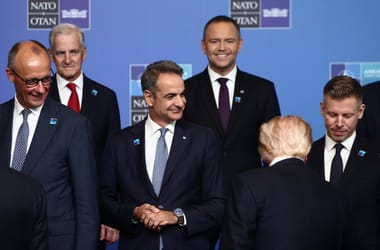
A NATO-csúcs megmutatta az új nemzetközi rendet, Magyar Péter számára mérföldkő volt a találkozó Az idei NATO-csúcsból Európa erősebben, a szövetség gyengébben került ki, a legnagyobb eredmény pedig az, hogy nem történt semmi. A török fővárosban kihalt utcák, a diplomáciai nagyüzem tömött csarnokai és a fórumon debütáló magyar delegáció tagjai fogadták a HVG stábját. Egy héttel később az Egyensúly Intézet konferenciáján szakértők és politikusok elemezték a csúcs jelentőségét.
hvg.hu · 2 months ago

NATO expands Neptune Strike into High North and North Atlantic to strengthen allied multi-domain integration and deterrence #Europa #Europe #NATO #OTAN
mastodon bot · 2 months ago
Europes defense build-up is delivering for NATO — and America
gdeltproject.org · 2 months ago
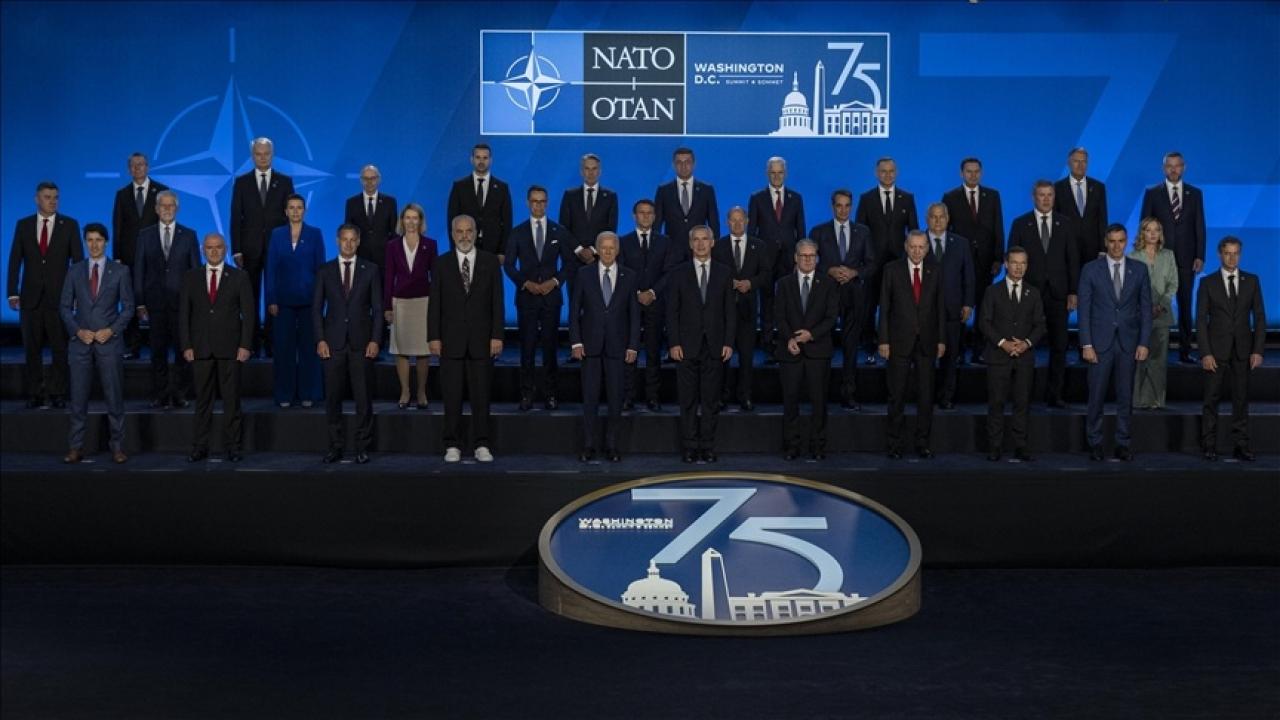
CİMERe NATO mesajları yağdı : Tarihi zirveye vatandaştan tam not
gdelt bot · 2 months ago
Eurobarometer: Stronger action needed on defense - The Baltic Times TALLINN - In light of current global challenges, Europeans are calling for greater democratic participation, stronger defense capabilities, and ......
baltic times · 2 months ago
The South Korean Defense Juggernaut Is Planting a Multibillion-Dollar Footprint in Europe - The Baltic Times As NATO member states grapple with production bottlenecks, industrial exhaustion, and mounting structural pressures, a non-Western ally has quie......
baltic times · 2 months ago
NATO defense innovation leaders to gather in Tallinn - The Baltic Times TALLINN - On September 21, Defence Innovation Day will bring together representatives of the defense and public sectors, technology companies, i......
baltic times · 2 months ago
NATO summit in Ankara was truly a success for Latvia - Riekstins - The Baltic Times RIGA - The NATO summit in Turkey did not make any sensational headlines, but from Latvias perspective, it was a success, Latvian Ambassador......
baltic times · 2 months ago
NATO Debate at Chateau Neuf - The Nordic Page
gdeltproject.org · 2 months ago

On Nelson Mandela International Day, we remember a leader whose words still inspire. His message centres on human dignity, democracy and freedom of thought: values that guide the European Parliament. Watch clips from his June 1990 speech: youtu.be/4GkwO6w7WOQ
bluesky_European Parliament · 2 months ago
«LEurope dépendante, otage et proie» de Pierre Mirel LUnion européenne, confrontée à la guerre et à la montée des populismes, a-t-elle encore des solutions à proposer ? Et si oui, lesquelles ? Ces deux questions sont au cœur de louvrage LEurope dépendante, otage et proie publié aux éditions de lHarmattan par Pierre Mirel, ancien diplomate, directeur général honoraire de la Commission européenne et spécialiste des questions délargissement.
rfi.fr · 2 months ago
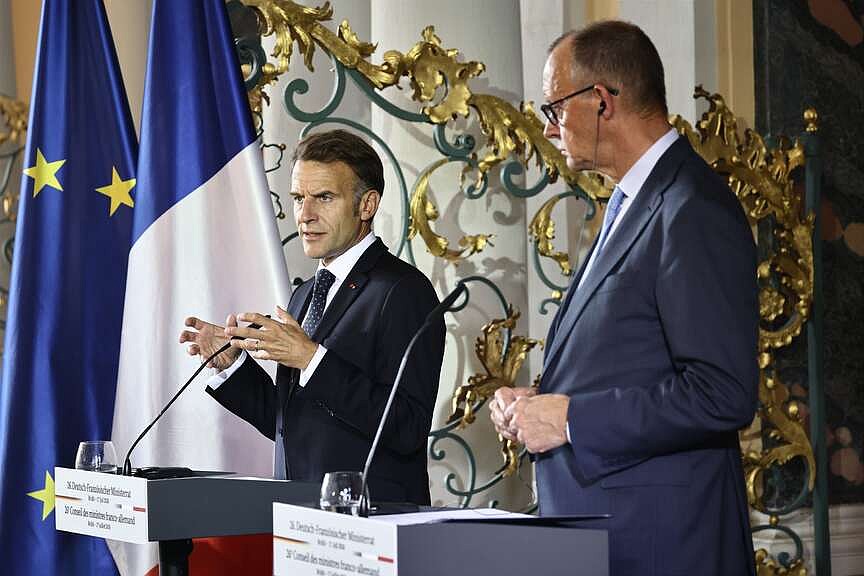
France , Germany announce joint nuclear exercise | Northwest Arkansas Democrat - Gazette
gdelt bot · 2 months ago