
Ukraine's Zelenskyy replaces army chief Syrskyi with Drapatyi amid mass protests over defense reforms
Story Timeline
2 months · 8 summary articles
Ukrainian President Volodymyr Zelenskyy dismissed the country's army commander-in-chief, Oleksandr Syrskyi, and appointed Mykhailo Drapatyi as his replacement on Tuesday. The move comes amid ongoing mass protests in Kyiv and across Ukraine, which began after the dismissal of Defense Minister Mykhailo Fedorov last week.
Zelenskyy announced the decision in a video post on social media late on Tuesday, thanking Syrskyi for his service and praising his role in key military operations, including the defense of Kyiv and the Kharkiv counteroffensive. "Oleksandr Syrskyi ensured Ukraine's results in the defense of Kyiv, the Kharkiv counteroffensive, and the Kursk operation," Zelenskyy said. "A significant path has been traveled. The defense of Ukraine continues, and every warrior deserves dignified treatment. I am grateful to Oleksandr Syrskyi and to every one of our soldiers for Ukraine's strong frontline positions."
The protests erupted after Zelenskyy dismissed Fedorov, one of Ukraine's youngest and most popular senior officials, on July 15. Demonstrators demanded Fedorov's reinstatement and Syrskyi's removal, accusing the general of blocking military reforms and maintaining a Soviet-style command structure. Fedorov had been widely praised for his efforts to modernize the military and combat corruption.
Drapatyi, 43, is a battle-hardened general who has earned a reputation as one of Ukraine's most respected senior commanders. He played a key role in the defense of Kryvyi Rih and the liberation of Kherson, and was widely viewed by protesters, soldiers, and veterans as the leading candidate to replace Syrskyi. In a Facebook post, Drapatyi said he would work responsibly and with respect for those defending the country. "I will work responsibly, with full focus, and with respect for the people who are defending our country today," he said.
Fedorov welcomed Drapatyi's appointment, describing it as a "new hope in the fight of free people for freedom and justice." He also thanked Syrskyi for his service but emphasized the need for faster reforms. "But we need to move even faster and write new chapters correcting all previous mistakes," Fedorov said.
Zelenskyy had offered Fedorov a new position in power, but it is unclear whether the offer was accepted. The president's latest decisions have drawn criticism from lawmakers, veterans, and members of the public, many of whom argue that removing Fedorov risks undermining reforms at the Defense Ministry while leaving concerns about military leadership unaddressed.
The protests, which began on July 16, have been the largest in Ukraine since the start of the Russian invasion. Demonstrators have called for the reinstatement of Fedorov and the removal of Syrskyi, whom they accuse of being reluctant to implement radical changes in the army. Syrskyi, 60, has faced criticism for his leadership style, which some describe as micromanagement and rooted in Soviet military doctrine.
Drapatyi's appointment confirms Zelenskyy's decision to renew the military leadership rather than reinstate Fedorov. However, the crisis may not be fully resolved, as the reinstatement of Fedorov remains a key demand of the protesters. The decision to replace Syrskyi is seen as a response to public pressure, but it remains to be seen whether it will be enough to satisfy the demonstrators.
In his statement, Zelenskyy emphasized the importance of unity and the need to continue the fight against Russian aggression. "We all have the same desire—to defeat the enemy and create such conditions at the front and such pressure on Russia that it will be forced to make peace," he said.
The new commander-in-chief, Mykhailo Drapatyi, is seen as a symbol of a new generation of military leaders who are more open to adaptation and reform. His appointment is expected to bring fresh energy to the Ukrainian military's efforts to defend the country against Russian forces.
The protests have highlighted the tensions within Ukraine's military and political leadership, with different approaches to military strategy and organizational culture. While Syrskyi favored a centralized command structure, Fedorov and his supporters have pushed for more decentralized and innovative approaches to warfare, including the use of drones and electronic warfare.
Follow us for live European news
Articles

📰 Mykhailo Drapatyi appointed as new Commander-in-Chief of Ukraines Armed Forces🔗 #RussianInvasion #RussianWar #Ukraine
mastodon bot · 2 months ago

Former defence minister Fedorov thanks Syrskyi for key battles and welcomes Drapatyi as Ukraines new commander-in-chief Former Ukrainian defence minister Mykhailo Fedorov thanked General Oleksandr Syrskyi for his service and welcomed Mykhailo Drapatyis appointment as Commander-in-Chief of the Armed Forces of Ukraine.
ukrpravda · 2 months ago
Zelensky dismisses defense chief after criticism Ukrainian President Volodymyr Zelenskyy has dismissed Ukraines chief of defence, Oleksandr Syrskyi. Zelenskyy has named Mykhailo Drapatyi, commander of Ukraines joint forces, to take over the post. The dismissal follows several demonstrations in Ukraine, where citizens called for Syrskyis resignation. Demonstrators took to the streets after former Defence Minister Mykhailo Fedorov announced his resignation last […]
cphpost · 2 months ago

KYIV POST: Syrskyi Out, Drapatyi In: Fedorov Welcomes Shakeup as His Own Role Remains Unclear President Volodymyr Zelensky replaced Gen. Oleksandr Syrskyi with Maj. Gen. Mykhailo Drapatyi as Ukraines new commander-in-chief following six days of nationwide protests over Mykhailo Fedorovs dismissal. Fedorov welcomed the move as a breath of fresh air and new hope, while Zelensky offered him a new technology-focused government role. #Ukraine
mastodon bot · 2 months ago
New commander-in-chief Drapatyi: I will work with respect for people defending Ukraine Mykhailo Drapatyi, newly appointed Commander-in-Chief of the Armed Forces of Ukraine, has pledged to serve with responsibility and respect for those defending the country.
ukrpravda · 2 months ago

Zelensky Removes Ukraines Armed-Forces Chief After Days of Street Protests The firing of Gen. Oleksandr Syrskiy comes at a pivotal moment in Ukraines four-year-long defense against Russias full-scale invasion.
wsj · 2 months ago
Exit The Butcher: Zelenskyy Makes Another Shakeup To Ukraines Military Command President Volodymyr Zelenskyy has pushed out Ukraines top general nearly a week after he sacked Mykhailo Fedorov as defense minister, who had openly clashed with the general in a major fight over strategy in the war against Russia.
radio free europe · 2 months ago
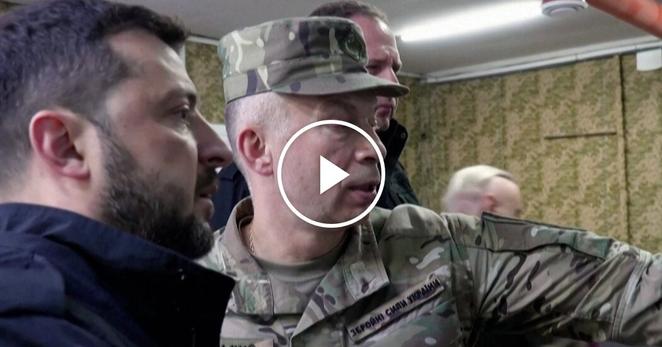
📰 Zelensky Fires Ukraines Top General After Days of Protests🔗 #RussianInvasion #RussianWar #Ukraine
mastodon bot · 2 months ago
Drapatyi: Serving Ukraine during war for independence means absolute responsibility Major General Mykhailo Drapatyi, whom President Volodymyr Zelensky has designated as the new Commander-in-Chief of the Armed Forces of Ukraine, said he would carry out his duties with responsibility and respect for those defending the country.
ukrinform · 2 months ago
Ukraine-Russia war latest: Zelensky names new commander-in-chief and vows deep strikes on Moscow will continue President sacks former armed forces chief after days of street protests calling for him to go
independent · 2 months ago
Zelenskyy replaces military leader and brings back defence minister he sacked Mykhailo Drapati new head of the armed forces as Mykhailo Fedorov returns to government after mass protests
telegram_The Guardian · 2 months ago
Zelenskyy names Drapatyi as Ukraines new commander-in-chief Ukrainian President Volodymyr Zelenskyy announced on Tuesday the appointment of Major General Mykhailo Drapatyi as the countrys new commander-in-chief, replacing Oleksandr Syrskyi while praising the outgoing generals leadership in the defense of Kyiv and the Kursk operation.
yenisafak · 2 months ago
Zelenskyy names young general Drapatyi as Ukraines new military chief Ukrainian President Volodymyr Zelenskiy has named Major General Mykhailo Drapatyi as Commander-in-Chief of the countrys armed forces, replacing Oleksandr Syrskyi in the most significant change at the top of Ukraines military since 2024.
intellinews · 2 months ago
Zelensky: Drapatyi appointed as Ukraines New Commander-in-Chief of Armed Forces President Volodymyr Zelensky announced that he has appointed Major General Mykhailo Drapatyi as the new Commander-in-Chief of the Armed Forces of Ukraine, and thanked Oleksandr Syrskyi for his leadership during the defense of Kyiv, the Kharkiv counteroffensive, and the Kursk operation.
ukrinform · 2 months ago

Ukrainian President Volodymyr Zelenskyy has fired Army Commander-in-Chief Gen. Oleksandr Syrskyi just a week after ousting popular Defense Minister Mykhailo Fedorov. Fedorovs removal had triggered a wave of protests.
bluesky_Politico Europe · 2 months ago
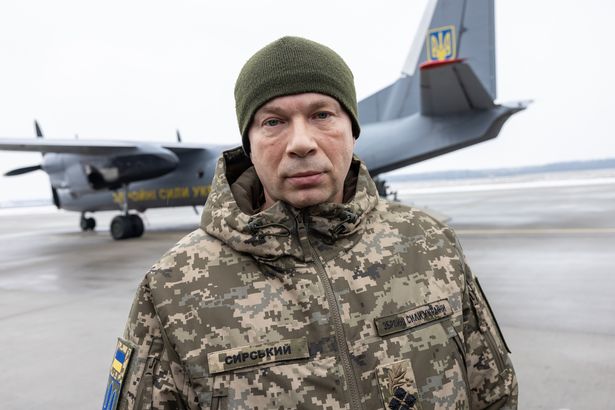
Zelensky fires Ukraines military chief after widespread protests
mastodon bot · 2 months ago
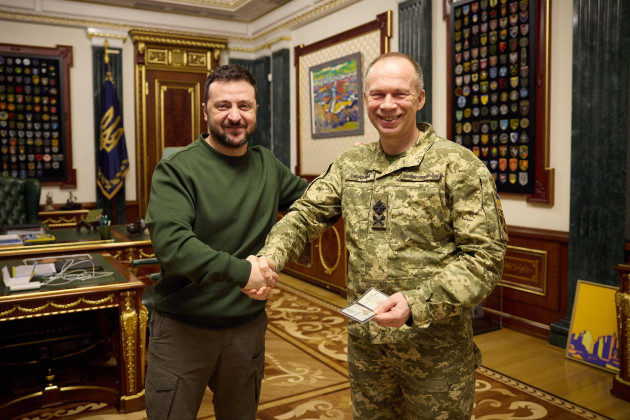
Ukraine president Volodymyr Zelenskyy sacks army chief after days of protests His removal comes after protests in support of ousted defence minister Mykhailo Fedorov, who accused Oleksandr Syrsky of forcing him out.
thejournal · 2 months ago
Ukraines Zelenskyy fires military chief after protests, names replacement
gdeltproject.org · 2 months ago
Zelensky fires army chief Oleksandr Syrsky, a victory for protestors President Volodymyr Zelensky said on Tuesday that Major General Mykhailo Drapaty will take over as Ukraines commander-in-chief after firing Soviet-trained top commander Oleksandr Syrsky. "This is a victory for the protestors who took to the streets a week ago, when Zelensky fired Fedorov," says FRANCE 24 correspondent Gulliver Cragg. "Their main demand was that Syrsky be fired." He added that "Drapaty was the one Fedorov wanted to see in that position to replace Syrsky".
france24 · 2 months ago

President Volodymyr Zelensky on July 21 dismissed the Commander-in-Chief of Ukraines Armed Forces, Oleksandr Syrskyi, appointing Joint Forces Commander Mykhailo Drapatyi as his replacement. #Russia #Zelensky
mastodon bot · 2 months ago
Ukraine: Selenskyj entlässt Armeechef Syrskyj
orf.at · 2 months ago
🔴 Zelensky fires Ukraine army chief Oleksandr Syrsky
france24 · 2 months ago
Mykhailo Drapatyi to become new commander-in-chief of Ukraines Armed Forces Following six days of protests, President Volodymyr Zelenskyy has announced his decision to dismiss Oleksandr Syrskyi as commander-in-chief of the Armed Forces of Ukraine and appoint Mykhailo Drapatyi to replace him.
ukrpravda · 2 months ago
Ukraines Zelensky fires military chief after protests and names a replacement President Volodymyr Zelensky on Tuesday fired Gen. Oleksandr Syrsky as commander-in-chief of Ukraines armed forces, following days of mass protests in Kyiv and other cities nationwide demanding his removal. Zelenskyy appointed Mykhailo Drapatyi as the new army chief, according to a statement on social media.
france24 · 2 months ago
🇺🇦⚡️ — Zelensky confirms that Drapatyi will become the Commander-in-Chief of the Armed Forces of Ukraine. The Chief of the General Staff will be Volodymyr Horbatiuk. @IntelSlava
telegram_Intel Slava · 2 months ago
🇺🇦⚡️ — Major General Mykhailo Drapatiy has been appointed as the new Commander-in-Chief of the Armed Forces of Ukraine, Zelenskyy announced. @Intelslava
telegram_Intel Slava · 2 months ago
Zelensky sacks Ukraine army chief Oleksandr Syrsky President Volodymyr Zelensky on Tuesday dismissed Ukraines military leader Oleksandr Syrskyi following public pressure and named Major General Mykhailo Drapaty as new commander-in-chief. 👉 Read more:
telegram_France 24 · 2 months ago
BREAKING: Ukraines Zelensky says replaced armed forces chief amid war with Russia @insiderpaper
telegram_Insider Paper · 2 months ago
Zelenskyy offers former defence minister Fedorov "worthy leadership position" Ukrainian President Volodymyr Zelenskyy has said that he has offered former defence minister Mykhailo Fedorov a "worthy leadership position".
ukrpravda · 2 months ago
Zelenskyy replaces Oleksandr Syrskyi with Mykhailo Drapatyi as Ukraines commander-in-chief Under pressure from civil society and widespread protests across Ukraine, President Zelenskyy on Tuesday replaced General Syrskyi with Mykhailo Drapatyi as Ukraines commander-in-chief.
euronews · 2 months ago