Loading…
 Saturday, September 26Saturday, September 26
4 months · 6 summary articles
Global oil prices surged more than 4% on Monday after Iran launched a fresh missile strike on Israel, deepening Middle East tensions and sending shockwaves through global markets. Brent crude futures jumped to $87.45 per barrel, while West Texas Intermediate climbed to $83.10, as traders priced in the risk of prolonged supply disruptions . The spike follows Sunday’s Iranian attack, which Israeli officials described as the most significant direct assault since the 1973 Yom Kippur War, raising fears of a broader regional conflict that could choke oil flows from the Persian Gulf.
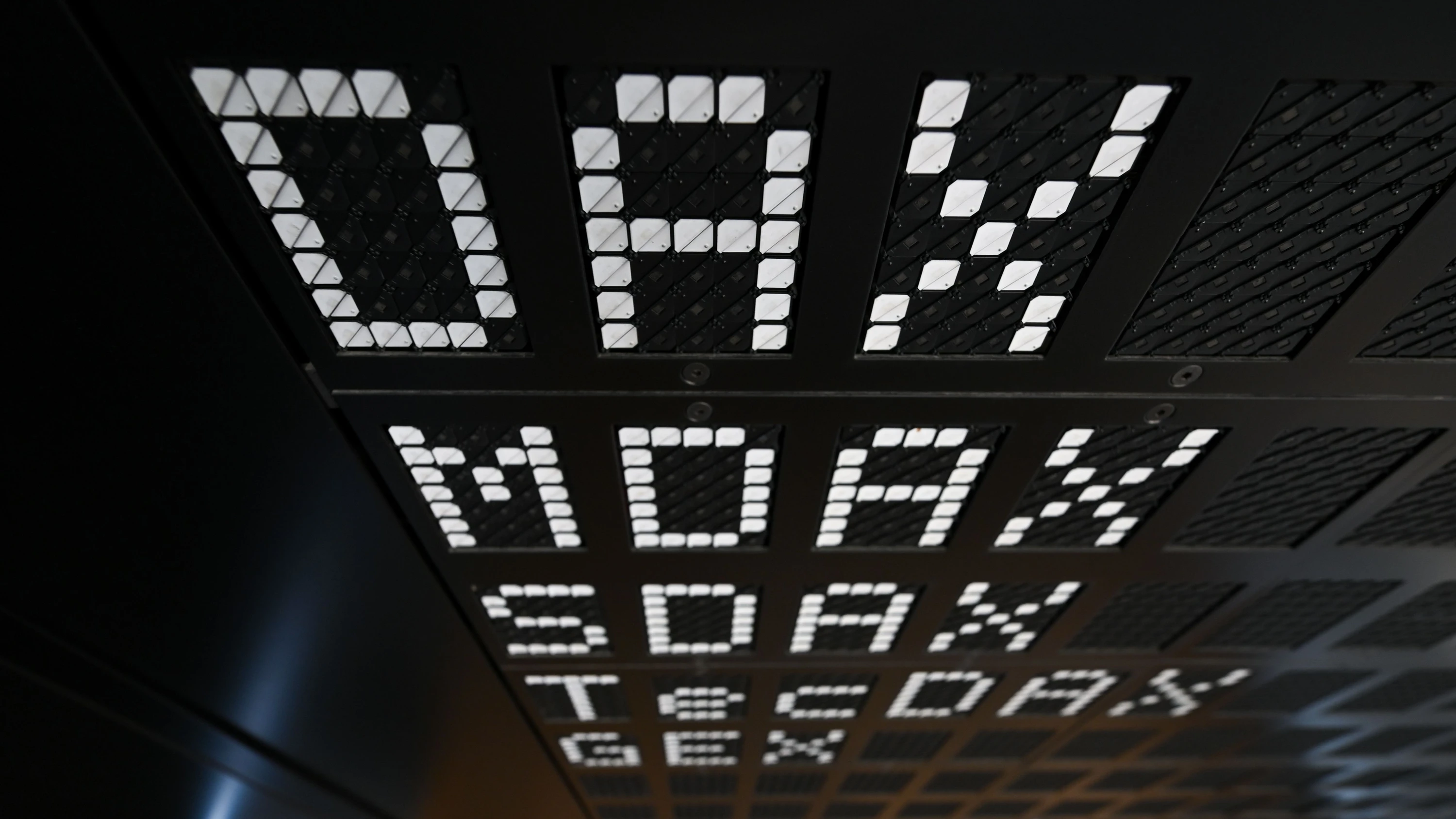
Stock markets across Asia and Europe reacted with sharp declines, as investors fled risk assets amid the dual threats of geopolitical instability and a cooling artificial intelligence boom. Japan’s Nikkei 225 fell 2.8%, South Korea’s Kospi dropped 3.1%, and the Euro Stoxx 50 slipped 1.9% by midday trading . In Seoul, automated trading systems triggered a temporary halt in equity trading after the Kospi’s rapid descent. European benchmarks fared little better, with Germany’s DAX down 1.7% and Spain’s IBEX 35 retreating 2.3% from its recent record highs .
The selloff extended beyond equities, with the Indian rupee weakening 0.4% against the dollar as oil importers braced for higher import bills . Indian companies, already grappling with thin margins, announced price hikes and reduced packaging sizes to offset rising fuel and transport costs . Meanwhile, Dutch bank ABN Amro downgraded its 2026 growth forecast for the Netherlands, citing the Middle East conflict’s drag on trade and energy prices .
Analysts warned that the oil shock could exacerbate inflationary pressures in import-dependent economies, particularly in Southeast Asia. Vietnamese and Thai rice farmers, facing soaring chemical and transport costs, told *The Straits Times* they were either cutting production or passing higher prices to consumers, threatening food security in the region .
In currency markets, the Indonesian rupiah came under renewed pressure as global funds triggered a 36% plunge in the country’s benchmark stock index from its peak, forcing a repricing of risk across Southeast Asia . Gold, meanwhile, extended losses as investors bet on further U.S. interest rate hikes to combat inflation, with the metal dipping below $2,300 per ounce .
With no immediate signs of de-escalation, traders are bracing for further volatility. Saudi Arabia’s decision to slash July oil prices for Asian buyers underscored the fragility of demand in a market already roiled by uncertainty . As the week begins, the interplay between geopolitical risk and monetary policy will likely keep markets on edge, testing the resilience of a global economy still recovering from years of overlapping crises.
Follow us for live European news
1 further source not geolocated

El Ibex se aleja de sus récords en un día aciago Las referencias bajistas cobran fuerza en el inicio de la semana. El ataque de Israel sobre Irán pone en riesgo el alto el fuego. La subida del precio del petróleo, a su vez, agrava el pinchazo de las tecnológicas, hasta un -9 en el Kospi. Los descensos se abren paso en Europa, y en un Ibex que se aleja de sus récords. Leer
expansion · 4 months ago

Nahost-Konflikt: Eskalation in Nahost belastet Börsen in Südkorea und Japan Nach Raketenangriffen in Nahost reagieren die Börsen in Südkorea und Japan mit starken Verlusten. In Seoul musste der Aktienhandel wegen starker Kursschwankungen zeitweise ausgesetzt werden.
handelsblatt · 4 months ago
Börse am 8. Juni: Sechs Punkte, die für Anleger heute wichtig sind Zum Start der neuen Woche schauen Anlegerinnen und Anleger auf neue Kennzahlen aus der deutschen Industrie und Japan. Die Zahlen könnten neue Impulse für den deutschen Aktienmarkt liefern.
handelsblatt · 4 months ago
Konjunktur: Japans Wirtschaft wächst im ersten Quartal weniger stark Das japanische BIP steigt nur um 1,8 Prozent. Ökonomen hatten dagegen einen Anstieg von 2,1 Prozent erwartet. Grund dafür ist ein starker Rückgang vor allem in einem Bereich.
handelsblatt · 4 months ago
Oljeprisene stiger etter Iran-angrep mot Israel Oljeprisene steg mer enn 3 prosent etter at Iran søndag angrep Israel med raketter.
aftenposten · 4 months ago
Kraftig nedgang på Asia-børser Utviklingen følger fredagens børsfall i USA og nervøsitet rundt AI-boomen, samt nye krigshandlinger i Midtøsten.
aftenposten · 4 months ago

En Asie du Sud-Est, semer du riz est-il encore rentable ? La guerre au Moyen-Orient a fait exploser le coût des intrants chimiques et des transports. Et les riziculteurs du Vietnam et de Thaïlande voient leurs marges se réduire. Ils doivent vendre plus cher des produits de meilleure qualité ou produire à perte, expliquent-ils au journal de Singapour The Straits Times.
courrier international · 4 months ago
Ölpreise steigen wieder deutlich Nach den neuerlichen Angriffen im Iran und in Israel ist der Ölpreis erneut gestiegen.
die presse · 4 months ago
Nukleare Arsenale gewinnen an Gewicht Das Stockholmer Friedensforschungsinstitut (SIPRI) warnt vor einer wachsenden Bedeutung von Atomwaffen in der internationalen Sicherheitspolitik. Staaten setzten Atomwaffen zunehmend als Instrumente nationaler Machtpolitik ein und machten damit jahrzehntelange Bemühungen um eine Verringerung der Zahl und der Rolle von Atomwaffen rückgängig, erklärte SIPRI anlässlich der Veröffentlichung seines 57. Jahrbuchs am Montag.
orf.at · 4 months ago
Anleger in Angst vor Krieg und KI: Wie verdaut die Börse die Nahost-Eskalation? Der Angriff Irans auf Israel verschreckt Anleger zum Start in die Börsenwoche. Zudem müssen sie den Ausverkauf von Tech-Aktien verdauen. Stockt die KI-Rally?
faz · 4 months ago
2 June 2026 - The US-Iran memorandum postpones the hardest questions. The Gulf cannot afford to do the same
commonspace · 4 months ago
Iran war to dampen Dutch economic growth this year: ABN Amro ABN Amro has revised down its outlook for the Dutch economy, citing the impact of the conflict in the Middle East.
nltimes.nl · 4 months ago

Indonesia issues technical regulations to centralise coal, palm oil, ferroalloy exports reut.rs/4ulok0s
bluesky bot · 4 months ago
Tekort aan kerosine, diesel en benzine? De komende maanden nog niet Tekorten aan benzine, diesel en kerosine. In de afgelopen maanden waren we daar door de oorlog in het Midden-Oosten bang voor. Maar de situatie is nu niet zo slecht als we dachten. Alhoewel de sterk gedaalde voorraden van kerosine wel een reden tot zorg zijn. Vier vragen.
rtl nieuws · 4 months ago
Global funds trigger "Sell Indonesia" shockwave, enforcing 36 IDX composite repricing Data from the Indonesia Stock Exchange reveals that the Composite Stock Price Index or Indeks Harga Saham Gabungan has plunged more than 36 from its historical peak.
intellinews · 4 months ago
European drivers cut back on fuel as energy price shock bites Eurozone records largest year-on-year decline in fuel sales since October 2023
financial times · 4 months ago
Nikkei, Yen, Hang Seng: KI-Sorgen und Nahost-Eskalation belasten Asiens Börsen Neue Angst vor einer KI-Blase drückt die Börsen in Japan, Südkorea und Taiwan am Montag zu Handelsstart stark ins Minus. Die neue Eskalation im Iran-Krieg belastet die Ölpreise.
handelsblatt · 4 months ago

Indian rupee, bonds to extend rally on RBIs capital inflows salvo reut.rs/3RWLQmW
bluesky bot · 4 months ago