Loading…
 Saturday, September 26Saturday, September 26
4 months · 20 summary articles
Oil prices plunge nearly 5% as US and Iran edge closer to a deal to reopen the Strait of Hormuz, easing global energy fears.
Brent crude futures tumbled to a two-week low of $98.83 a barrel on Monday, dropping $4.71 after reports emerged of tentative progress in US-Iran negotiations. The decline—nearly 5% in a single session—marks the steepest fall since the conflict disrupted oil flows through the critical waterway in April, according to market data . The Strait of Hormuz, which handles roughly 20% of global maritime oil and LNG trade, has been effectively blockaded since mid-May, with the International Energy Agency estimating 14 million barrels per day of supply remain stranded .
US officials confirmed that the outlines of a deal are on the table, though President Donald Trump tempered expectations, stating any agreement would need to be "good and proper." Iranian state media countered that Washington is obstructing key clauses, signaling lingering disputes . Despite the mixed signals, markets reacted swiftly: the South African rand and Japanese stocks surged on optimism, while US gasoline prices—currently averaging $4.50 per gallon—showed early signs of easing .
Analysts warn that even if a deal is signed, restoring normalcy will take months. ClearView Energy Partners estimates de-mining the strait, evacuating trapped tankers, and restarting production could require "weeks to months," with full inventory restocking taking "multiple quarters to years" . Saudi Arabia and the UAE have partially offset the blockade by rerouting oil through alternative pipelines, but these measures fall short of replacing Hormuz’s capacity. Meanwhile, Pakistan’s livestock traders reported soaring costs ahead of Eid al-Adha, underscoring the conflict’s ripple effects across regional economies .
The negotiations follow weeks of escalating tensions, including Israeli strikes in Lebanon and Iran’s vow to retaliate against perceived provocations. While the current lull in hostilities has buoyed markets, traders remain cautious, with some suspecting the Trump administration of orchestrating the price drop to ease domestic inflation pressures ahead of the US election . If a deal materializes, it would mark the first major breakthrough since the 2015 nuclear accord collapsed in 2018.
Follow us for live European news
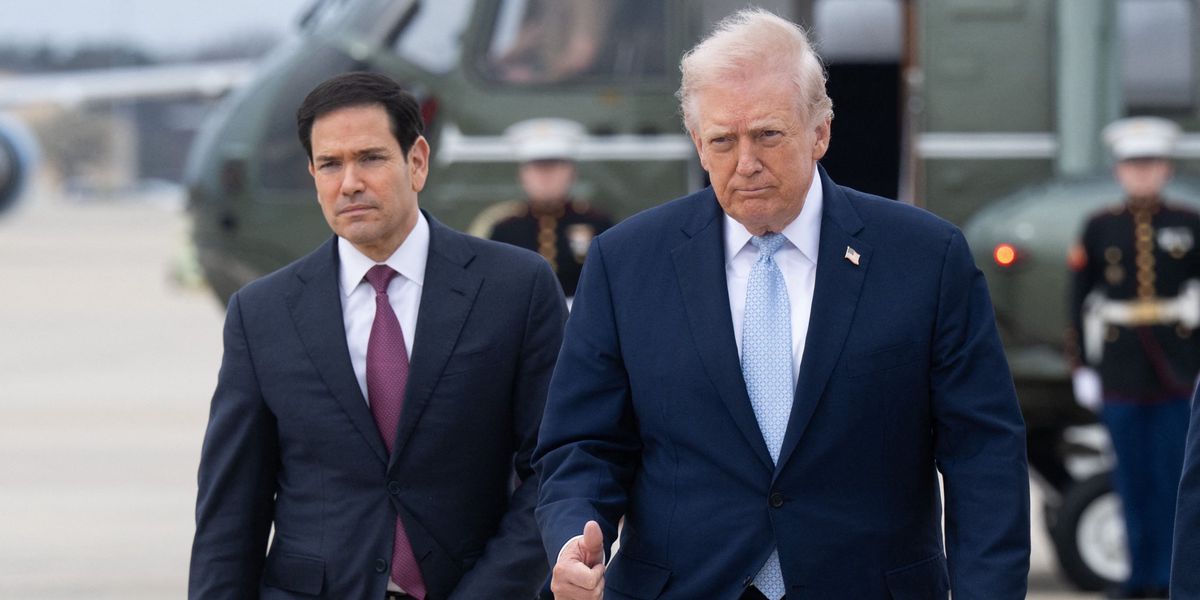
Hoffen auf Iran - Deal : Ölpreis sinkt – Trump will nichts überstürzen
gdelt bot · 4 months ago

Prețul petrolului a scăzut puternic după declarațiile lui Trump privind negocierile SUA–Iran. Expert: „Există o rază de speranță Preţul ţiţeiului Brent din Marea Nordului, referinţa globală, a scăzut luni dimineaţa cu 6, la 97 dolari per baril, pe fondul speranţelor în încheierea unui acord de pace între SUA şi Iran, transmit EFE şi Reuters, preluate de Agerpres.
digi24 · 4 months ago

South African rand gains on softer oil and Iran deal hopes ahead of local rate decision reut.rs/4nO9Jc7
bluesky bot · 4 months ago

US insists makings of a deal with Iran on the table but Trump tempers expectations The hint of optimism caused oil prices to plunge close to 5 on Monday.
thejournal · 4 months ago
🇺🇸❌🛢 - The rumor about an imminent deal between the US and Iran, originating from US officials, is having the intended effect on the oil market. Brent crude futures fell $4.71 to $98.83 a barrel, the lowest level in 2 weeks. Despite the suspected effort from the Trump administration to manipulate the oil market, a physical barrel is largely unaffected in price and trades at a large premium ($30-$60) over a paper barrel. Nevertheless, large and timely insider bets, coordinated with Axios headlines are still making outsizied gains. @GeoPWatch
telegram bot · 4 months ago
Oil prices fall amid mixed signals on US-Iran peace deal Japans stock market surges to record high on hopes of an end to US-Israel war on Iran.
aljazeera · 4 months ago

Middle East crisis live: oil prices hit two-week low amid optimism that US and Iran are close to peace deal Donald Trump says if I make a deal with Iran, it will be a good and proper one as Iranian state media claims US government obstructing some clauses in agreementIn Lebanon, the civil defence agency said early on Sunday its regional facility in the southern city of Nabatieh had been destroyed by an Israeli strike.The Directorate General of Civil Defence said the building had collapsed and a large number of vehicles and equipment had been damaged by a direct hit in a hostile Israeli strike. Continue reading...
theguardian · 4 months ago

Stocks rise, oil and dollar slide on Middle East peace hopes reut.rs/4uNAkZT
bluesky bot · 4 months ago
![Oil prices sink on signs of U.S.-Iran deal Crude oil prices dropped about $5 per barrel Sunday evening in the first major trading since the emergence of rough and tentative outlines of a deal to end the U.S.-Iran conflict.Why it matters: The throttling of the Strait of Hormuz is raising energy costs and weighing down economies worldwide — including the U.S., where average pump prices are about $1.50-per-gallon above pre-war levels.And the crisis is poised to worsen as global crude oil inventories are depleting at a record pace.The latest: Futures prices from the global benchmark Brent crude are back under $100 per barrel, trading around $98.76 Sunday evening, a 4.62 drop from Fridays close. Reality check: Even if an agreement that opens the Strait is reached — a process that could take days, per Axios Barak Ravid — energy markets will remain disrupted for months.As of mid-May, the conflict was blocking the flow of around 14 million barrels of oil per day, according to the International Energy Agency.Saudi Arabia and the United Arab Emirates have increased the use of pipelines that bypass the Strait, but those added volumes dont come close to offsetting what normally travels through the narrow waterway.The waterway handles about a fifth of the global maritime oil and liquefied natural gas trade.And several Persian Gulf producers have dialed back production as storage space filled up, and that takes time to come back online.What theyre saying: "Gas prices are currently falling but until we see an agreement signed & a significant amount of ships transit through the Strait, the national average price of gasoline will likely remain well above $4/gal," Patrick De Haan, head of petroleum analysis for the data and analysis firm GasBuddy, posted on X.The intrigue: Even if a deal emerges, its not clear whether shippers will have confidence to quickly resume large-scale transport of crude oil and petroleum products.And some Asian markets with acute fuel needs take weeks to reach from the region.What were watching: "[D]e-mining the Strait, evacuating trapped tankers and restarting production could take weeks to months," the research firm ClearView Energy Partners said in a client note Sunday."[R]epairing damaged facilities, restoring pre-war output levels, and restocking depleted inventories could take multiple calendar quarters to years," the research firm added in the note sent ahead of markets opening.](https://images.axios.com/NGNgK57Y2GF8gTEG6MbaXCibQl8=/0x0:1920x1080/1366x768/2026/04/16/1776351079822.jpeg)
Oil prices sink on signs of U.S.-Iran deal Crude oil prices dropped about $5 per barrel Sunday evening in the first major trading since the emergence of rough and tentative outlines of a deal to end the U.S.-Iran conflict.Why it matters: The throttling of the Strait of Hormuz is raising energy costs and weighing down economies worldwide — including the U.S., where average pump prices are about $1.50-per-gallon above pre-war levels.And the crisis is poised to worsen as global crude oil inventories are depleting at a record pace.The latest: Futures prices from the global benchmark Brent crude are back under $100 per barrel, trading around $98.76 Sunday evening, a 4.62 drop from Fridays close. Reality check: Even if an agreement that opens the Strait is reached — a process that could take days, per Axios Barak Ravid — energy markets will remain disrupted for months.As of mid-May, the conflict was blocking the flow of around 14 million barrels of oil per day, according to the International Energy Agency.Saudi Arabia and the United Arab Emirates have increased the use of pipelines that bypass the Strait, but those added volumes dont come close to offsetting what normally travels through the narrow waterway.The waterway handles about a fifth of the global maritime oil and liquefied natural gas trade.And several Persian Gulf producers have dialed back production as storage space filled up, and that takes time to come back online.What theyre saying: "Gas prices are currently falling but until we see an agreement signed & a significant amount of ships transit through the Strait, the national average price of gasoline will likely remain well above $4/gal," Patrick De Haan, head of petroleum analysis for the data and analysis firm GasBuddy, posted on X.The intrigue: Even if a deal emerges, its not clear whether shippers will have confidence to quickly resume large-scale transport of crude oil and petroleum products.And some Asian markets with acute fuel needs take weeks to reach from the region.What were watching: "[D]e-mining the Strait, evacuating trapped tankers and restarting production could take weeks to months," the research firm ClearView Energy Partners said in a client note Sunday."[R]epairing damaged facilities, restoring pre-war output levels, and restocking depleted inventories could take multiple calendar quarters to years," the research firm added in the note sent ahead of markets opening.
axios · 4 months ago

Oil falls more than $4 as US, Iran remain at odds over peace deal reut.rs/4e2chQI
bluesky bot · 4 months ago

Memorial Day gas prices are the highest in years as Trump says hes close to a deal with Iran
news.yahoo.com · 4 months ago
Pakistans Eid livestock traders losing as war on Iran pushes up prices Livestock traders in Pakistan say the war on Iran has hurt their sales ahead of Eid al-Adha.
aljazeera · 4 months ago