Loading…
 Monday, August 31Monday, August 31
4 days · 5 summary articles
Polls show the far-right Alternative for Germany (AfD) leading with 42 percent support ahead of Sunday’s state election in Saxony-Anhalt, while Chancellor Friedrich Merz’s Christian Democratic Union (CDU) trails at 22 percent, according to an Infratest Dimap survey published by ARD. The Left party follows with 11 percent, the Social Democrats (SPD) with 8 percent, and the Greens with 6 percent .
Merz warned in an ARD interview that a victory for AfD could cause “considerable damage” to Saxony-Anhalt, deterring foreign investors. “I cannot imagine international investors attending a groundbreaking ceremony with an AfD state premier to build new factories in Saxony-Anhalt,” he said . The chancellor also blamed former Chancellor Angela Merkel’s migration policies for the rise of AfD, stating that her open-border decisions were wrong even by the standards of the time .
AfD’s state leader, Ulrich Siegmund, has set a target of “45 percent plus X,” while party co-leader Alice Weidel declared in a ZDF interview that AfD is “on the path to victory” in Saxony-Anhalt and will form the government. She added that an AfD-led state administration would mark a “normalization” of the party’s role in German politics . AfD leaders, including co-chair Tino Chrupalla and Thuringia branch head Björn Höcke, have framed the election as a test of the party’s ability to govern, with Chrupalla stating that Siegmund would face “huge responsibility” and “must deliver” if elected .
The CDU’s state campaign has distanced itself from Merz’s federal leadership. Spitzenkandidat Sven Schulze, the current state premier, has kept his distance from Berlin during the campaign, and party insiders suggest he would blame federal CDU leaders for any poor result . All major parties in Saxony-Anhalt have ruled out post-election coalitions with AfD, whose regional branch is classified as a proven right-wing extremist group by Germany’s domestic intelligence agency .
A survey of 65 economic development officials by the German Economic Institute found that over 80 percent view AfD’s rise as a risk to their locations, with none seeing it as an opportunity . Saxony-Anhalt, home to 2.1 million people, has been governed by the CDU since 2002.
Follow us for live European news
1 further source not geolocated
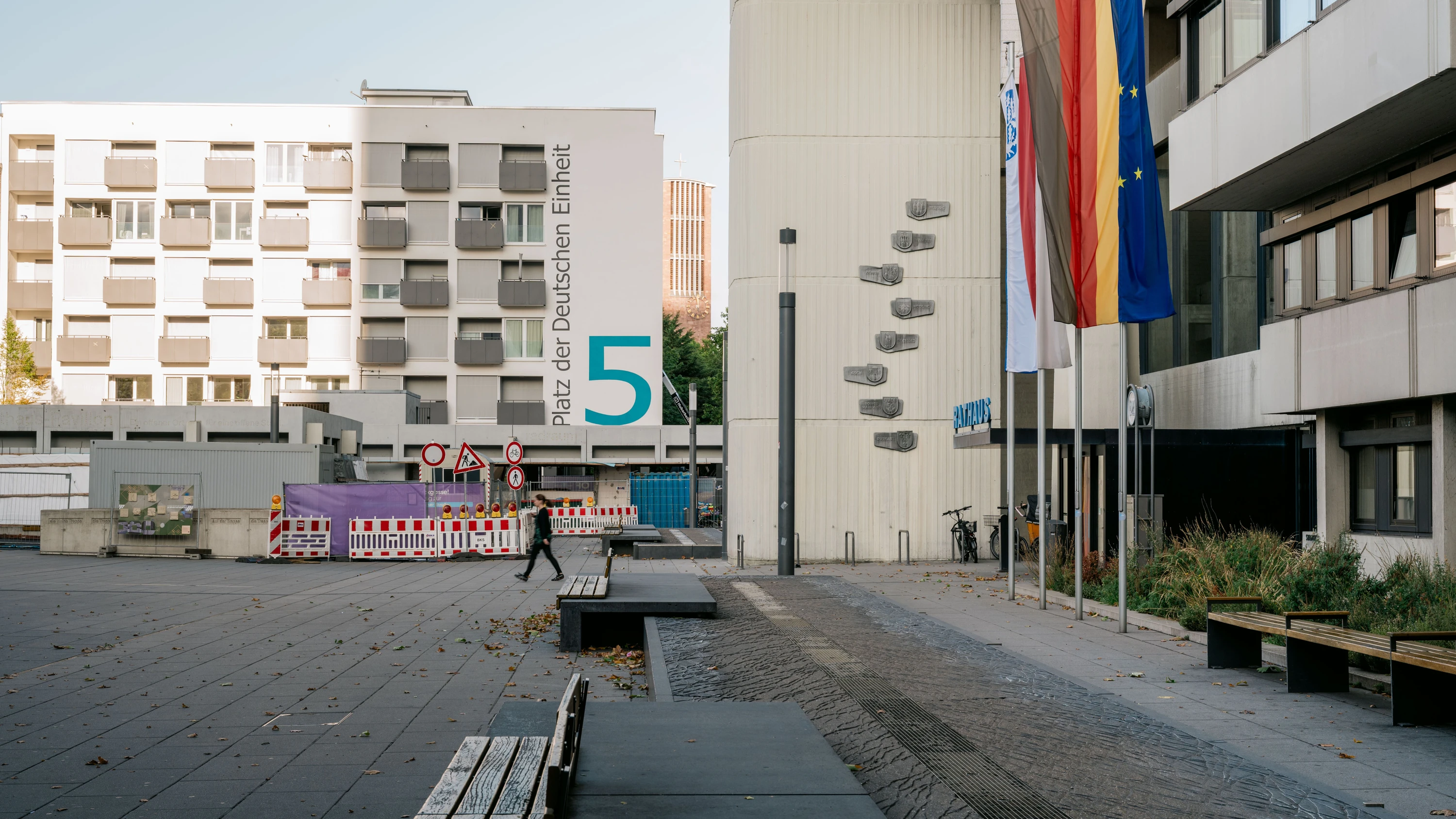
SPD-Kommunalpolitiker: Für ihn stimmen sogar AfD-Wähler Wo die SPD pragmatisch regiert, kann sie erfolgreich sein. Im ewig kriselnden Offenbach gelingt Felix Schwenke der Aufschwung seiner Stadt – und der Partei.
faz · about 3 hours ago

Das neue Geben: Die klügste Investition in Ostdeutschland ist eine Spende Populistische Regierungen sind ein Standortrisiko. Unser Autor teilt eine Liste von Organisationen, die die Zivilgesellschaft stärken.
handelsblatt · about 3 hours ago
Há partidos mais iguais do que outros Se pusermos André Ventura e José Luís Carneiro lado a lado, é certamente muito mais fácil jogar o jogo das diferenças do que o das semelhanças. Editorial deDavid Pontes
publico · about 3 hours ago
An upcoming election could produce modern Germanys 1st far-right state governor An election in eastern Germany on Sunday could produce the first far-right state governor in the countrys post-World War II history
abcnews · about 3 hours ago

Jaume Bosch: Nunca me he privado de llevar la contraria a mi partido, es sano, y recomendable Político, fue diputado del Parlament y senador de ICV y milita en Comuns
la vanguardia · about 3 hours ago

„Vor allem der Kanzler scheint ein Problem zu sein im Wahlkampf Friedrich Merz macht im Wahlkampf-Endspurt in Sachsen-Anhalt mobil und warnt vor den Folgen eines AfD-Ministerpräsidenten. Doch für die CDU ist der Kanzler selbst ein Problem: Spitzenkandidat Sven Schulze hält demonstrativ Abstand zu Berlin.
welt.de · about 3 hours ago
AfD valcuje prieskumy v Sasku-Anhaltsku, Merz varuje pred stratou dôvery investorov Kancelár Friedrich Merz varuje že prípadné víťazstvo krajne pravicovej AfD v Sasku-Anhaltsku môže odplašiť zahraničných investorov a oslabiť región.
aktuality.sk · about 3 hours ago
Meduni-Rektor warnt Regierung: „Strategischer Rückschritt Sollte die Regierung ihre derzeitigen Pläne für 2028 bis 2030 beibehalten, würde man auf das Niveau von Mitte der 2000er Jahre zurückfallen, warnt Rektor Markus Müller.
die presse · about 3 hours ago
SPD-Kommunalpolitiker: „Ich wähl dich, aber sonst stimm ich für die AfD Wo die SPD pragmatisch regiert, kann sie erfolgreich sein. Im ewig kriselnden Offenbach gelingt Felix Schwenke der Aufschwung seiner Stadt – und der Partei.
faz · about 3 hours ago

Gabriel on AfD: 40 percent party cannot be banned #DE #Deutsch #Deutschsprechenden #Europe
mastodon bot · about 3 hours ago
Ο Μερτς κατηγορεί τη Μέρκελ για την άνοδο της AfD: «Σημαντική ζημιά» στη Σαξονία-Άνχαλτ αν κυβερνήσει Ο Γερμανός καγκελάριος κατηγόρησε τη Μέρκελ για την άνοδο της ακροδεξιάς και υπερασπίστηκε τη σημερινή κυβερνητική πολιτική
protothema · about 3 hours ago
Kdo koho vylučuje a kdo s kým chce vládnout pražskému magistrátu? Pět scénářů možných koalic Říká se, že chodník není pravicový ani levicový, i proto tak o tom, kdo s kým vládne na radnici, rozhodují spíše osobní vztahy než velké ideologie. V Praze je to ovšem jinak, ve více než milionové metropoli se v koaličním potenciálu mísí celostátní přesah s mezilidskými vztahy. Web iROZHLAS.cz představuje možné scénáře povolebních koalic a mapu vztahů mezi stranami kandidujícími na pražský magistrát.
irozhlas.cz · about 3 hours ago
Landtagswahl: Sachsen-Anhalt-Wahl: Drei Szenarien für die AfD
die zeit · about 3 hours ago
Sachsen-Anhalt: Wie gefährlich wird die Wahl für die Bundesregierung?
die zeit · about 3 hours ago
Landtagswahl: Was man über die Wahl in Sachsen-Anhalt wissen sollte
die zeit · about 3 hours ago
Landtagswahl am 6. September: Das sind die Spitzenkandidaten in Sachsen-Anhalt
die zeit · about 3 hours ago
Landtagswahl am 6. September: AfD im Höhenflug, CDU unter Druck: Sachsen-Anhalt wählt
die zeit · about 3 hours ago

El curso político arranca con dudas por resolver y a la espera de la ratificación de Llorca Morant es la única candidata confirmada, aunque no se esperan sorpresas en el PP ni en Compromís; queda la incógnita de Vox
la vanguardia · about 4 hours ago
Sachsen-Anhalt: Wie gefährlich wird die Wahl für die Bundesregierung? Die Wahl in Sachsen-Anhalt hat das Potenzial, auch die Regierungsparteien in Berlin in Turbulenzen zu bringen. Für deren Vorsitzende könnte es ungemütlich werden.
tagesspiegel · about 4 hours ago
MDG-profil i Oslo trekker seg fra kampen om førsteplassen Sigrid Z. Heiberg trekker seg som kandidat til førsteplassen på Oslo MDGs liste til lokalvalget neste år.
aftenposten · about 4 hours ago

La fiscalité, le cœur de la bataille politique et budgétaire qui sannonce au fédéral : le MR sera à nouveau mis sous pression Le gouvernement De Wever doit trouver 10 milliards deuros supplémentaires dici à la fin de la législature. Un test majeur – et dangereux – pour la stabilité de la majorité Arizona. ...
la libre · about 4 hours ago
Rechtsnationalismus: Was man in Frankreich über die AfD lernen kann Der Aufstieg der Rechtsnationalisten ist schwer zu bremsen, das gilt für die AfD wie für Le Pen. Trotzdem ist es nicht zwangsläufig, dass sie eines Tages regieren.
die zeit · about 4 hours ago

„Land wird erheblichen Schaden nehmen – Merz warnt vor Folgen eines AfD-Siegs in Sachsen-Anhalt Bundeskanzler Friedrich Merz (CDU) hat vor den wirtschaftlichen Folgen einer AfD-geführten Regierung in Sachsen-Anhalt gewarnt. Er nannte dabei konkret die Sorge vor einem Rückzug internationaler Investoren.
welt.de · about 4 hours ago
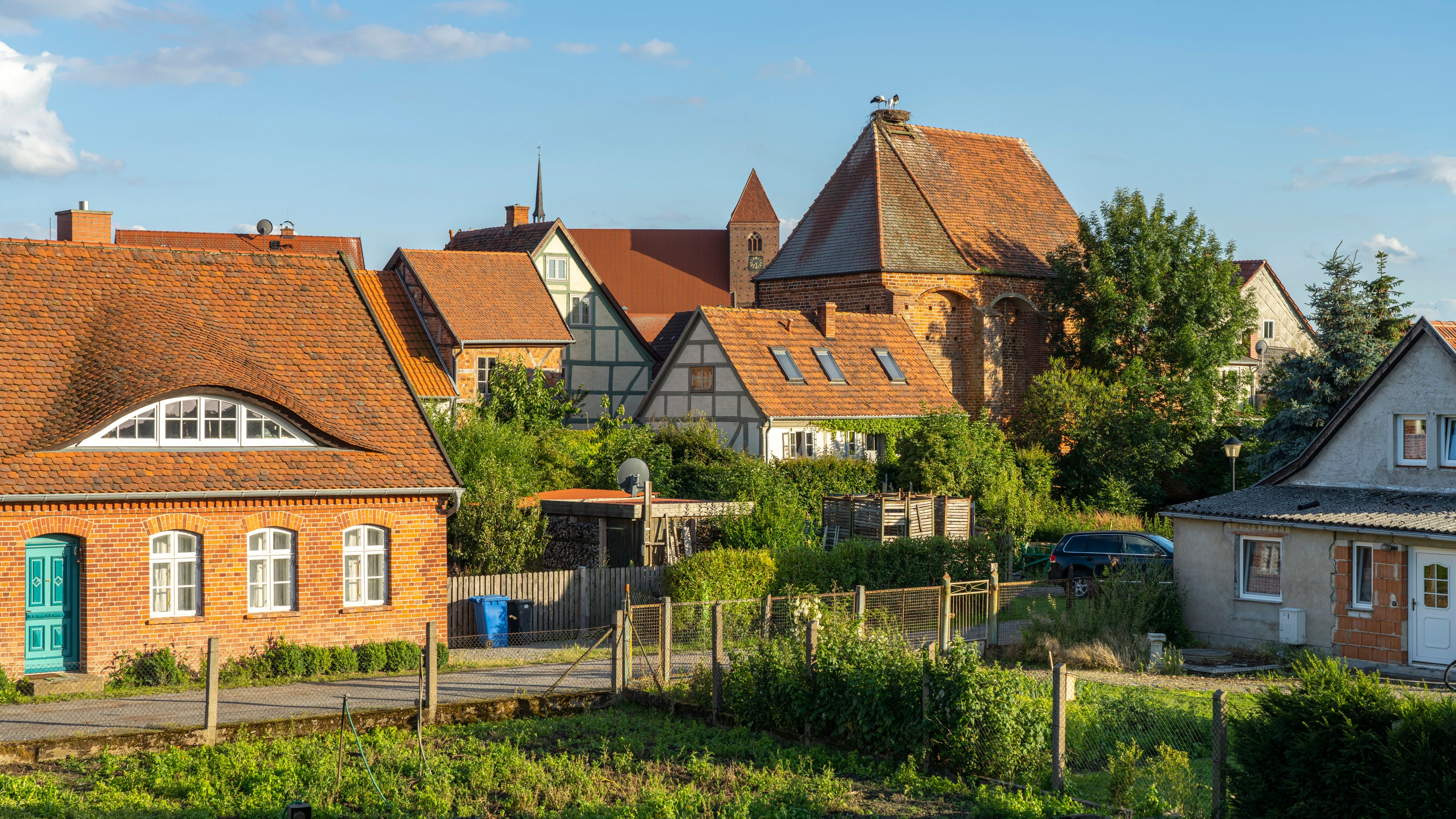
Wahl in Sachsen-ANhalt: Wenn die Heimatliebe zum Problem wird In Werben an der Elbe verbindet die Gegnerschaft gegen Windkraftanlagen Anhänger der AfD mit Befürwortern einer grünen Weltanschauung.
faz · about 4 hours ago
Fußball-Bundesliga: Augsburgs Kade glänzt vor Klopps Augen: „Noch kein Kontakt Jürgen Klopp wird Augenzeuge eines ganz starken Auftritts eines U21-Nationalspielers. Ist Augsburgs Anton Kade ein Kandidat für ihn? Das Heimdebüt des Bundestrainers findet ja auch in Augsburg statt.
tagesspiegel · about 4 hours ago
Der Checkpoint am Morgen: Linke wusste von antisemitischen Texten des Rappers Dahabflex – und ließ ihn trotzdem auftreten + FDP fühlt sich im Wahlkampf ausgeschlossen + Merkwürdige Briefe an Berliner Arztpraxen + Noch immer keine blühenden Landschaften in Schöneberg + Kritik an der Briefwahl +
tagesspiegel · about 5 hours ago
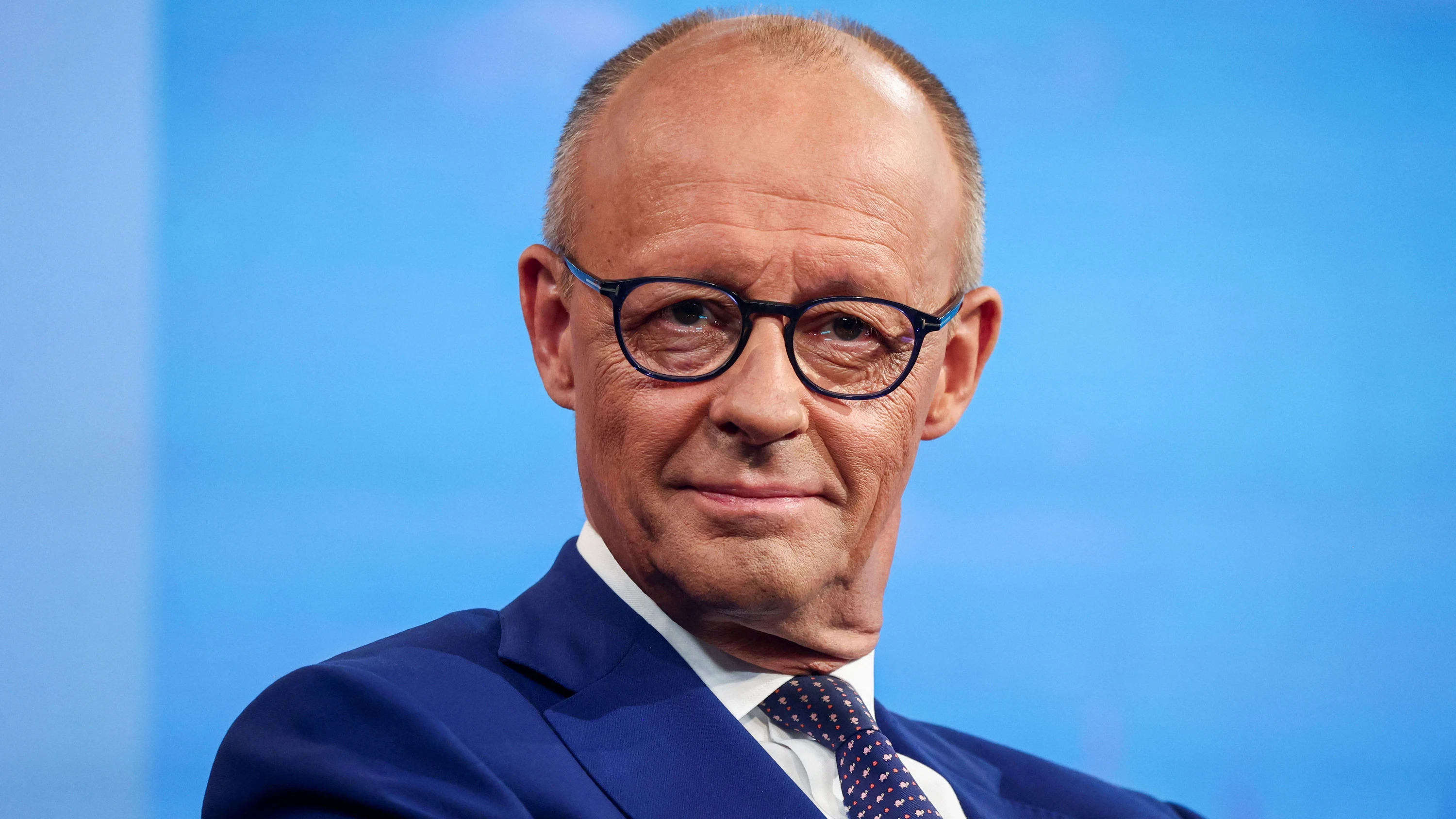
F.A.Z. Frühdenker: Kann Merz der CDU in Sachsen-Anhalt noch helfen? Im Wahlkampf in Sachsen-Anhalt beginnt der Endspurt. Island möchte nicht in die EU. Und: Der Deutsche Wetterdienst zieht seine Sommer-Bilanz. Der F.A.Z. Frühdenker.
faz · about 5 hours ago
Η Ακροδεξιά στον προθάλαμο της εξουσίας σε Γαλλία, Ιταλία και Γερμανία: Γιατί ενισχύονται οι ακραίες «πατριωτικές» φωνές Ένας στους τέσσερις ψηφοφόρους τις στηρίζει - Το υπόβαθρο συγκροτείται από ευρωσκεπτικιστές, αντιμετανάστες, αρνητές της κλιματικής αλλαγής, πολέμιους της woke culture, φιλοτραμπιστές και φιλοπουτινιστές
protothema · about 5 hours ago
Mönstret för L – brukar inte spurta: Skittufft Liberalerna ser sig som ett spurtparti – men det stämmer inte riktigt. Läget är skittufft, konstaterar valforskaren Henrik Ekengren Oscarsson. Om partiet faller ur riksdagen väntar ekonomisk kris.
svenska dagbladet · about 5 hours ago
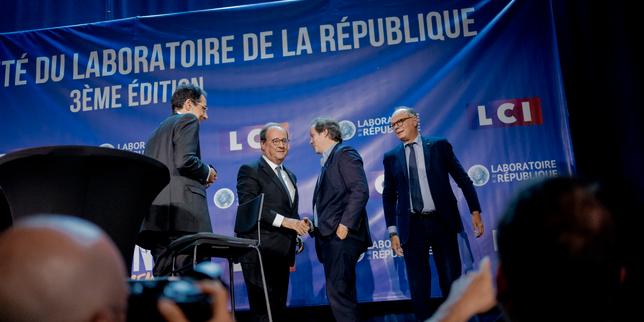
Présidentielle 2027 : la petite musique de lunion au centre pour contrer le RN et LFI Face à la dynamique électorale du Rassemblement national et de La France insoumise, la question dune candidature unique se pose à gauche comme dans le bloc central et à droite. Lélectorat pourrait être tenté de voter utile dès le premier tour pour le candidat le plus à même déviter le duel redouté au second.
le monde · about 5 hours ago