
European banks consolidate amid fintech and cybersecurity pressures
Story Timeline
4 months · 7 summary articles
The European banking sector is bracing for a wave of consolidation as lenders seek to counter rising competition from US rivals and adapt to stricter regulatory demands, with analysts warning that the race to strengthen balance sheets has become a defining feature of 2026. On Monday, Spain’s CaixaBank cemented its dominance in Spain’s retirement insurance market, capturing 46% of the sector as traditional lenders respond to the European Central Bank’s interest rate hikes by rolling out new products aimed at savers seeking steady income streams . The move underscores how banks are recalibrating their strategies amid a broader push for scale and efficiency.
The push for consolidation is being driven by twin pressures: the need to fend off agile fintech competitors, exemplified by Ireland’s Revolut, whose international scaling model has outpaced legacy systems , and the escalating cost of cybersecurity, which has become a catalyst for mergers among European banks eager to pool resources. “The race against cyberattacks has become a new engine for consolidation,” noted one banking executive, as lenders cite the imperative to match American peers in both technological capability and market reach .
Meanwhile, UniCredit’s surprise victory in securing support for its lowball bid for Commerzbank has sent ripples through the M&A landscape, with investment banker Andrea Orcel deploying tender-offer tactics to overcome resistance in a 21-month takeover saga . The deal, if completed, would mark a rare cross-border consolidation in a sector still grappling with fragmented markets and divergent regulatory frameworks.
In Spain, the trio of CaixaBank, BBVA, and Santander now controls 60% of lending to large corporations, a 20-point increase in just 12 months, even as JPMorgan, ING, and Sabadell chip away at their market share . Sabadell, meanwhile, is taking a different tack, raising €200 million from major investors in Mexico to fund the autonomy of its local unit, part of a strategy to boost fee income and corporate banking in the country .
Regulatory friction remains a persistent challenge, with Umar Farooq, a senior banker, warning that compliance controls are creating bottlenecks in cross-border payments while AI-driven fraud surges . The tension between innovation and oversight is likely to intensify as banks navigate a landscape where competition for investible capital is reaching unprecedented levels, according to a Financial Times analysis .
Follow us for live European news
- 2
- 1
- 1
- 1
Articles

Die erste Billion ist die schwierigste: Warum Elon Musk so reich ist [premium] Elon Musk ist der erste Dollar-Billionär der Geschichte. Nun wird mehr darüber gestritten, ob so etwas sein darf, als was das eigentlich bedeutet.
die presse · 3 months ago
Divoké 90tky? Detské choroby kapitalizmu, museli sme si tým prejsť, tvrdí Igor Rattaj (videopodcast) Zonácia Tatier je dobrým kompromisom medzi cestovným ruchom a ochranou prírody. Predaj do Číny je haluz. TMR sa nič predávať nechystá, tvrdí šéf Tatry mountain resorts Igor Rattaj. Podľa neho je našim kľúčovým problémom závisť voči úspešným a bohatým a i preto sme sa ocitli v slepej uličke. S tými starými to už nepostaviame nikam. To bude len boj o voliča-dôchodcu a skanzen. Problém bude, keď nám budú mladí ľudia odchádzať do zahraničia. Závisť je najmä u starších, mladí ju takmer necítia, tvrdí šéf TMR.
aktuality.sk · 3 months ago
:format(jpg)/f.elconfidencial.com%2Foriginal%2Fc31%2F333%2Fdd1%2Fc31333dd1ef56b7ed35d275d2736a54b.jpg)
El impuso inversor acelera la convergencia de Andalucía con España en prosperidad desde 2023 Un índice pionero que recoge 24 indicadores económicos y sociales sitúa a la región en su mejor momento en la última década, más cerca de la media nacional y líder como sociedad inclusiva
el confidencial · 3 months ago
Miza de 4 miliarde de dolari din Dobrogea. De ce vor americanii să construiască cel mai mare centru de date AI pe baza energiei noastre verzi Gigantul american Nvidia, lider mondial în infrastructura hardware și software pentru inteligență artificială, analizează posibilitatea unei investiții de aproximativ 4 miliarde de dolari în România.
adevarul · 3 months ago
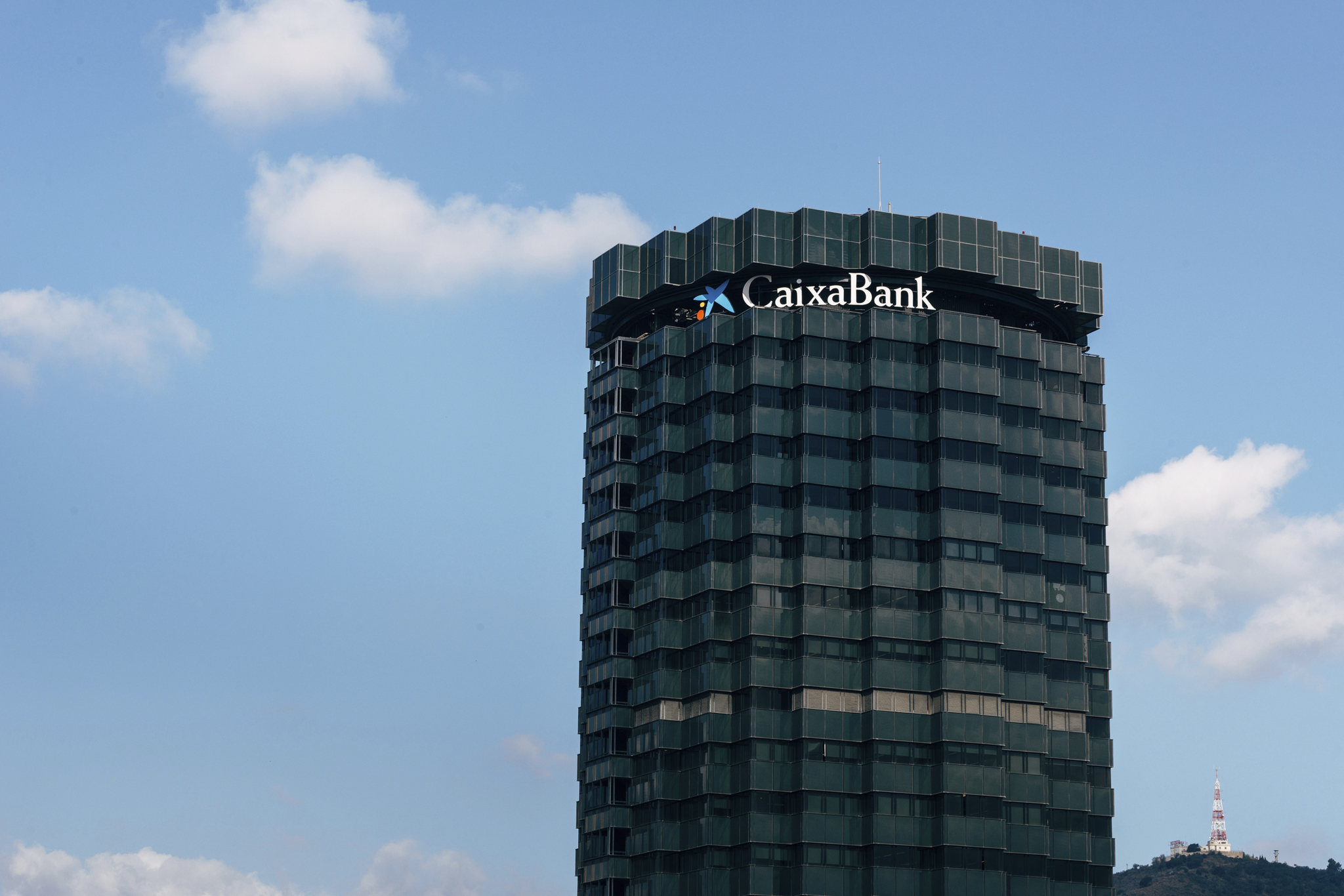
CaixaBank copa el 46 del seguro de jubilación para vivir de las rentas Las entidades preparan nuevas ofertas tras la subida de los tipos de interés fijada por el BCE. Leer
expansion · 3 months ago

La carrera contra los ciberataques se convierte en un nuevo motor de consolidación bancaria En un momento particularmente dulce para el sector financiero europeo, con beneficios récord o cercanos a ello, varios banqueros han vuelto a abrir el debate sobre las fusiones con un principal argumento: ganar competitividad para competir con Estados Unidos. Leer
expansion · 3 months ago
Radisson busca doblar su cifra de hoteles en España hasta 2030 La cadena quiere pasar de doce a treinta establecimientos durante esta década e insta a los gobiernos a definir el modelo turístico del país a largo plazo. Leer
expansion · 3 months ago
La paradoja de España: a más gasto público, menos bienestar ciudadano El Índice de Riqueza de las Naciones confirma que a pesar de tener un gasto público récord, el retorno para los ciudadanos en servicios y prosperidad se reduce desde el año 2021. Leer
expansion · 3 months ago
Carlyle: "Nos gustaría invertir más en salud en España" El directivo de Carlyle asegura que la firma quiere realizar una nueva inversión en el país "cada uno o dos años". Leer
expansion · 3 months ago
La AEB rechaza poner más topes a la concesión de hipotecas La Asociación Española de Banca (AEB) ve innecesario establecer límites a la concesión de hipotecas. Así lo expresa la presidenta de la patronal de la banca española, Alejandra Kindelán, en una entrevista con Servimedia. Leer
expansion · 3 months ago
Sabadell pide 200 millones a grandes inversores en México para dar autonomía a su filial La división mexicana realiza su primera emisión de deuda para financiar el negocio. La estrategia en el país es elevar los ingresos por comisiones y potenciar la banca corporativa. Leer
expansion · 3 months ago

CaixaBank, BBVA y Santander dominan el 60 del crédito a grandes empresas Los tres líderes bancarios españoles suman 20 puntos de peso en un año, a pesar de que JPMorgan, ING y Sabadell ganan posiciones en el ránking de principales prestamistas. Leer
expansion · 3 months ago
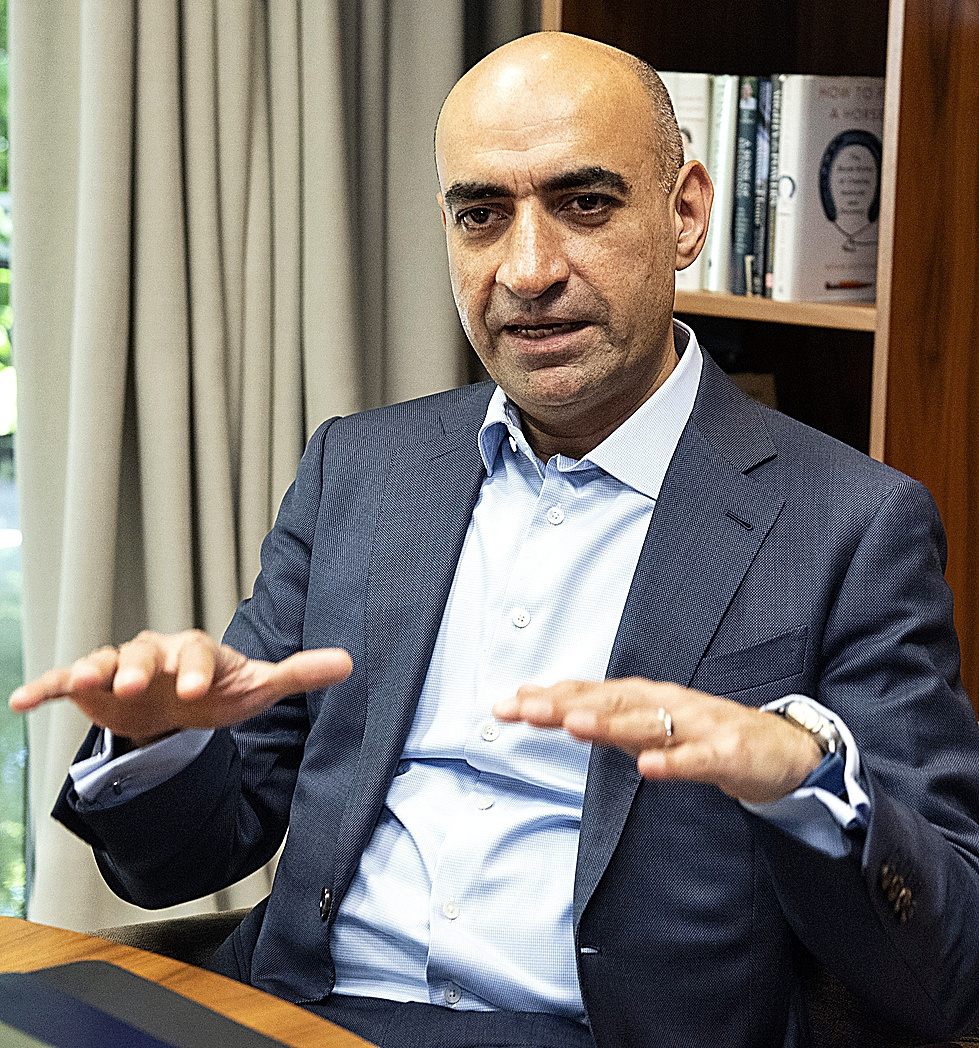
Umar Farooq: "Los controles regulatorios generan fricción en los pagos internacionales" El banquero prevé una creciente automatización de las transacciones, pero alerta de los desafíos legales y del aumento del fraude por la IA. Leer
expansion · 3 months ago

BBVA, Kutxabank y Unicaja lideran las ventas de fondos En un ejercicio marcado por la volatilidad, la mayoría de las gestoras de fondos nacionales reciben suscripciones netas a sus fondos, si bien el sector ha moderado de manera considerable el volumen de captaciones respecto al año pasado. Leer
expansion · 3 months ago
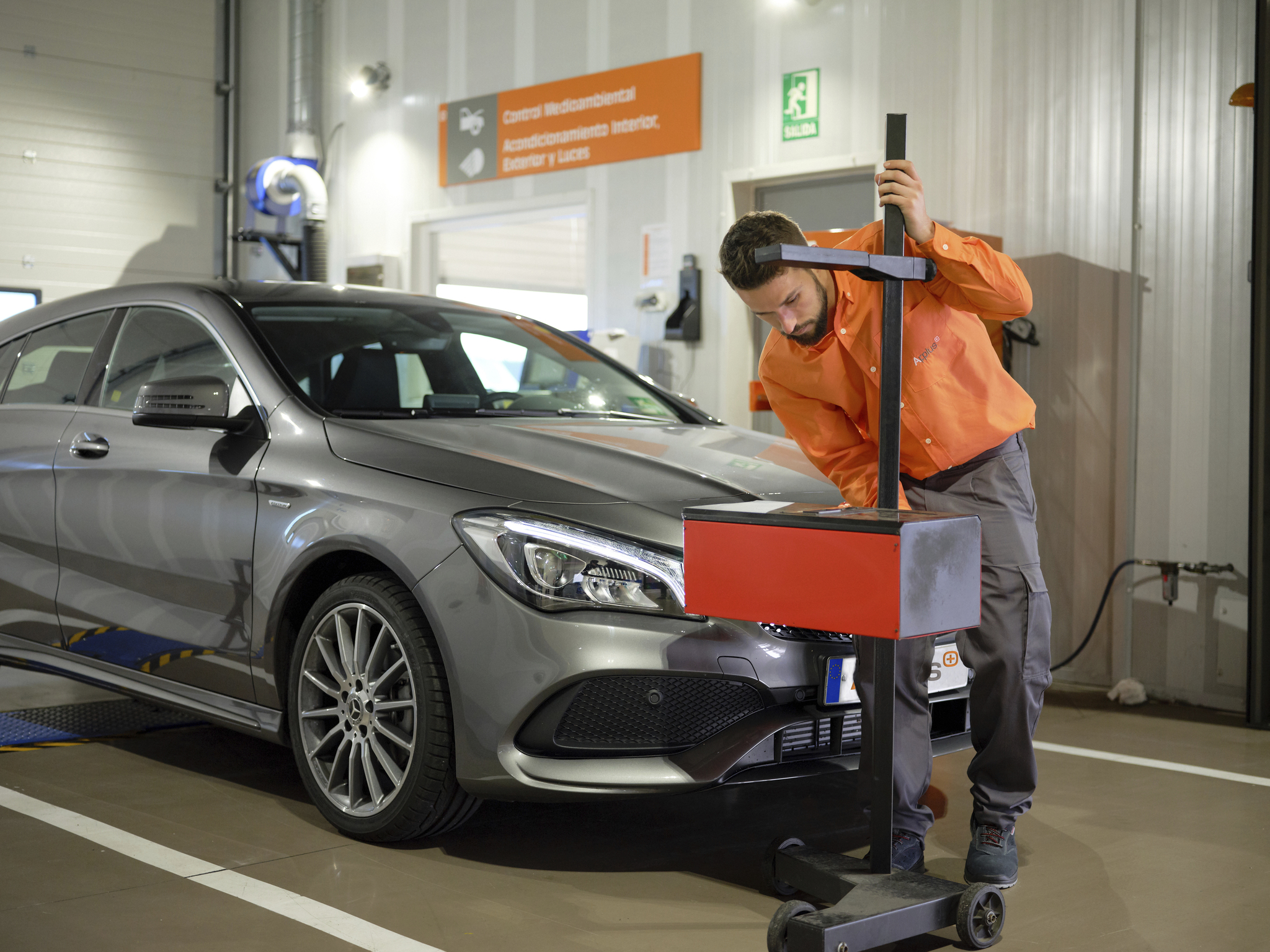
Apollo logra vía libre para vender su 22 en Applus a I Squared y TDR Superados dos años de la pelea por controlar la empresa española, el fondo americano puede salir del capital sin compensar a los hedge funds, aunque todavía no hay negociación. Mientras, el grupo planea vender su negocio de ITVs. Leer
expansion · 3 months ago