
New UK PM Andy Burnham inherits Brexit crisis as UK marks 10 years since referendum
Story Timeline
2 months · 17 summary articles
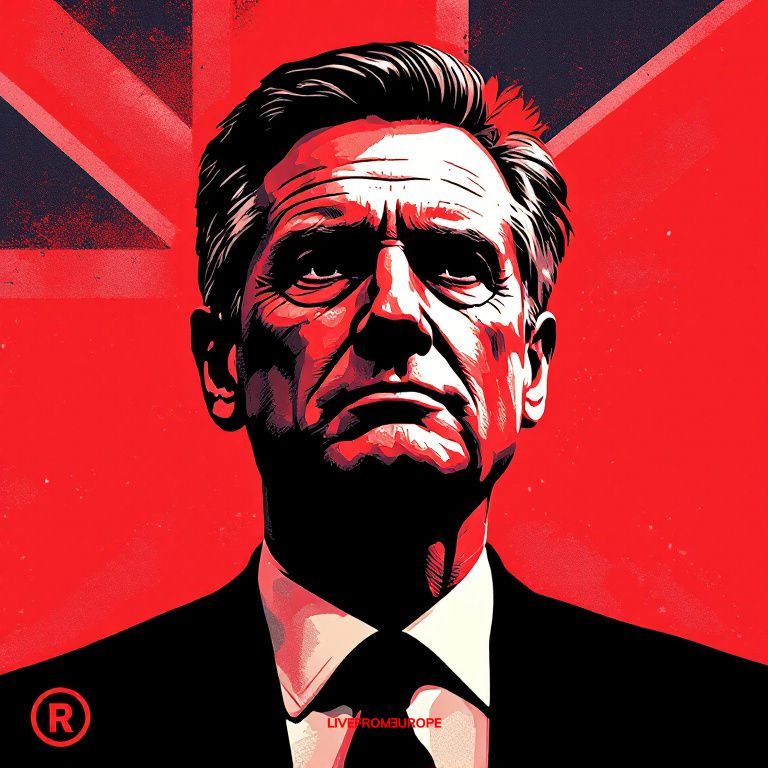
Andy Burnham, the newly installed UK prime minister, faces an immediate Brexit policy agenda that threatens to deepen the country’s decade-long economic and political malaise, as the country marks the tenth anniversary of the 2016 referendum this week.
Burnham, who succeeded Keir Starmer on Wednesday, inherits a nation still struggling with the consequences of leaving the European Union, with trade barriers, labour shortages and strained public finances dominating his in-tray. Political analysts warn that resolving the post-Brexit settlement will require difficult choices on regulatory alignment, customs checks and financial services access—issues that have eluded successive governments since the 2016 vote.
The new prime minister is already under pressure to avoid tax increases for middle earners, a pledge that risks limiting his fiscal room for manoeuvre as he seeks to address the economic fallout from Brexit. Speaking to the *Financial Times*, Burnham sought to reassure voters that no “big rises” would be imposed if he wins the next election, a stance that has drawn criticism from unions including Unite and the GMB, which are reportedly coordinating to block former chancellor Ed Miliband from taking the Treasury post.
Across the Atlantic, US President Donald Trump dismissed Burnham as “extremely liberal” in remarks made on Wednesday, adding that he knew little about the incoming leader beyond that characterisation. Trump’s comments, made during a press briefing, underscored the transatlantic uncertainty surrounding Burnham’s premiership, which begins as the UK grapples with its most profound constitutional and economic realignment in generations.
Ten years after the Brexit vote, communities across the UK remain deeply divided. Romanian families in Britain, for instance, describe a decade of fractured lives and the emergence of a “generation of apatrid children” born into legal limbo, their futures shaped by the UK’s withdrawal from the EU single market and freedom of movement.
Burnham’s arrival at 10 Downing Street coincides with a broader reckoning over the UK’s post-Brexit trajectory. With seven prime ministers in ten years—each unable to complete a full term—the country’s political system has been described as a “meat grinder” by commentators, its traditional stability eroded by the centrifugal forces unleashed by the 2016 referendum.
As Burnham prepares to deliver his first major policy address, the question remains whether his government can break the cycle of drift that has characterised Britain’s post-Brexit journey—or whether the country’s political and economic challenges will continue to deepen.
Follow us for live European news
- 2
- 2
- 1
- 1
- 1
- 1
- 1
- 1
2 further sources not geolocated
Articles

What Keir Starmers Resignation Means for European Security
gdeltproject.org · about 2 months ago
PINGE TÕUSEB ⟩ Kuningas Charles tegi Harryle üllatava pakkumise, kuid vastust pole siiani tulnud Aastaid kestnud pingete järel on kuningas Charles teinud pojale märgilise žesti. Harry ja Meghan naasevad järgmisel kuul koos lastega Suurbritanniasse ning monarh on pakkunud neile peavarju kuninglikus residentsis. Vastust pole aga veel tulnud.
postimees · about 2 months ago
Whats in Andy Burnhams Brexit in-tray? – POLITICO
gdeltproject.org · about 2 months ago
Drama ascunsă a românilor din UK, la un deceniu de la Brexit: Familii rupte și generația de „copii-apatrizi din Regat Pe 23 iunie s-au împlinit 10 ani de la votul care a scos Marea Britanie din Uniunea Europeană. De atunci, viața românilor din Regat s-a schimbat considerabil.
adevarul · about 2 months ago
Oliver Boyd-Barrett – The Greanville Post
gdeltproject.org · about 2 months ago
Did the public actually want Starmer to stay? MPs are keen for selfies with Burnham, but their voters may be less convinced
new statesman · about 2 months ago

🎙 PODCAST | Brexit, un desastre ingobernable: 10 años, 7 primeros ministros Hay errores en la vida que no solo son difíciles de corregir sino que te dejan herido para siempre. Hay errores en la política que no solo se pagan electoralmente sino que cortocircuitan todo el sistema. La tradicional política británica es ahora una máquina de picar carneEl PP de Madrid intenta cancelar el festival de elDiario.es El Reino Unido va a contar ya siete primeros ministros en 10 años. Los mismos desde que votó por salir de la Unión Europea en el referéndum del Brexit, que esta semana cumple diez años. Desde el propio David Cameron, del partido conservador, que convocó el referéndum y dimitió unas semanas después de perderlo, hasta Keir Starmer, laborista que arrasó en las urnas en 2024, ninguno de los siete primeros ministros ha conseguido terminar su mandato. El nuevo nombre que tenemos que aprender es el de Andy Burnham, sucesor de Starmer, el último primer ministro cuya carne ha quedado triturada en la máquina destructiva más potente de nuestro tiempo: la política británica. Con María Ramírez, corresponsal Internacional de elDiario.es, repasamos las claves de la última sucesión en el poder en un país empobrecido y en crisis política permanente tras su salida de la Unión Europea. *** Envíanos una nota de voz por Whatsapp contándonos alguna historia que conozcas o algún sonido que tengas cerca y que te llame la atención. Lo importante es que sea algo que tenga que ver contigo. Guárdanos en la agenda como Un tema Al día. El número es el 699 518 743 *** Un tema Al día es el podcast diario de actualidad de elDiario.es que, en episodios de unos 15 minutos, explica cada día un asunto de actualidad. Está presentado y dirigido por Juanlu Sánchez, subdirector de elDiario.es. Premio Ondas al podcast Revelación, Un tema Al día es el daily líder en Spotify, Apple Podcast, iVoox, Amazon Music o Podimo, según los datos públicos de las plataformas, donde acumula más de 190.000 suscriptores. Ha sido reconocido como podcast revelación por Amazon y recomendado como imprescindible por Apple. ¿Cómo escuchar Un tema Al día? ▶ Si eres socio/a, puedes escuchar los nuevos capítulos del podcast cada noche en elDiario.es con unas horas de antelación respecto al resto de lectores. Recibirás el enlace en tu correo electrónico en el boletín del Adelanto de noticias. ▶ Si no eres socio/a, el episodio está disponible a primera hora de la mañana en cualquier aplicación que uses habitualmente. Spotify Apple Podcast Ivoox Podimo Amazon Music Feed RSS ▶ Acuérdate de suscribirte al podcast Un tema al día en tu app para que te lleguen automáticamente los nuevos capítulos. Es gratis. ▶ Tendrás disponibles también todas las entregas de Un tema Al día en elDiario.es/aldia
eldiario.es · about 2 months ago
PETER HITCHENS: The relics of my past found in a drawer while clearing out the loft which stirred so many vivid memories...
gdeltproject.org · about 2 months ago
Trump says UKs likely next leader Andy Burnham is extremely liberal Trump has made his first comment on the UKs likely next leader describing Andy Burnham as extremely liberal.
aljazeera · about 2 months ago
Britain is still deep in the shadow of Brexit
gdeltproject.org · about 2 months ago
Quinn Emanuel takes charge of £36bn BHP case from troubled boutique US law firm now leading UKs biggest class action after lawyers resigned from Pogust Goodhead
financial times · about 2 months ago
Andy Burnham in a bind over tax as he seeks to shelter middle-earners The new Makerfield MP has tried to reassure voters they will not face big rises if he becomes prime minister
financial times · about 2 months ago
Unions combine to try to stop Ed Miliband becoming chancellor Britains probable next prime minister, Andy Burnham, under pressure from Unite the Union and the GMB
financial times · about 2 months ago

Australias security environment degrading, spy chief warns reut.rs/4vuEZzV
bluesky bot · about 2 months ago
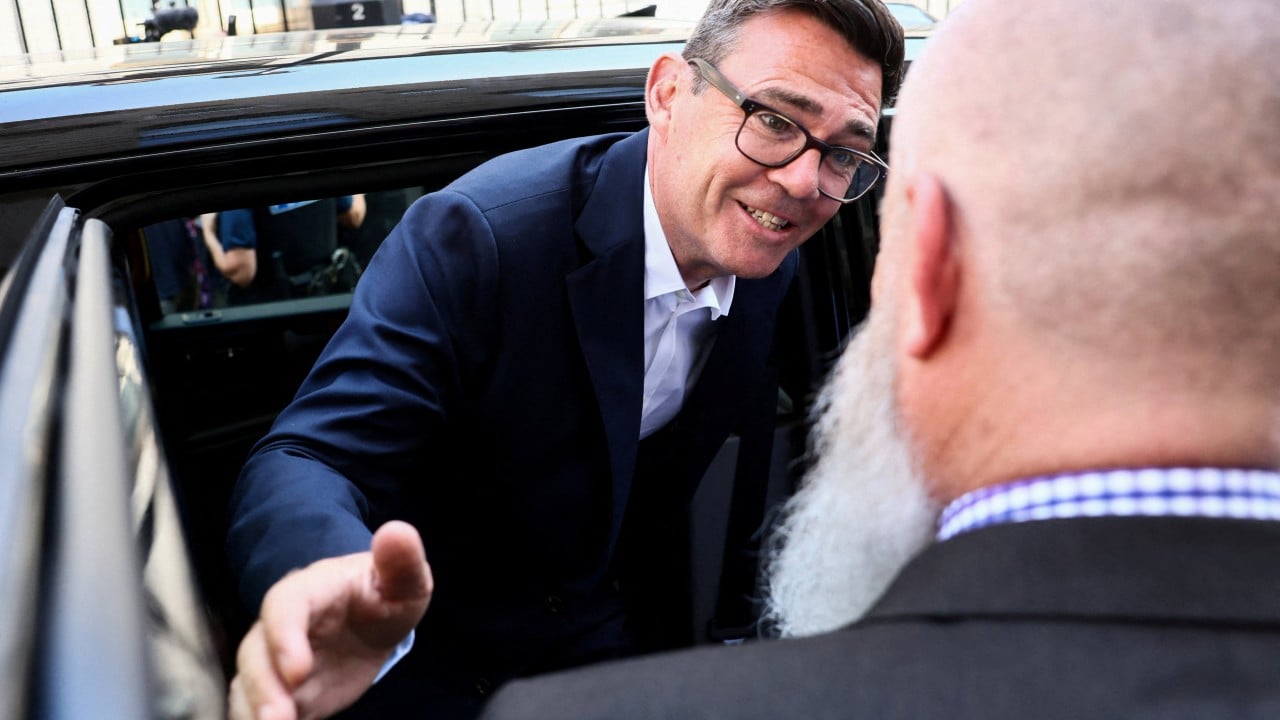
Trump shrugs off Britains incoming leader: I hear hes extremely liberal US President Donald Trump was dismissive of Andy Burnham, who is set to become the next UK prime minister, saying he was unfamiliar with him and has only heard that he is extremely liberal. The US president was asked by a reporter on Wednesday about what he knew about Burnham, the former mayor of Greater Manchester who is poised to succeed Keir Starmer in Britains latest leadership shake-up. I dont know anything. I see that he was, I guess, the mayor of a town. I hear hes extremely...
south china morning post · about 2 months ago
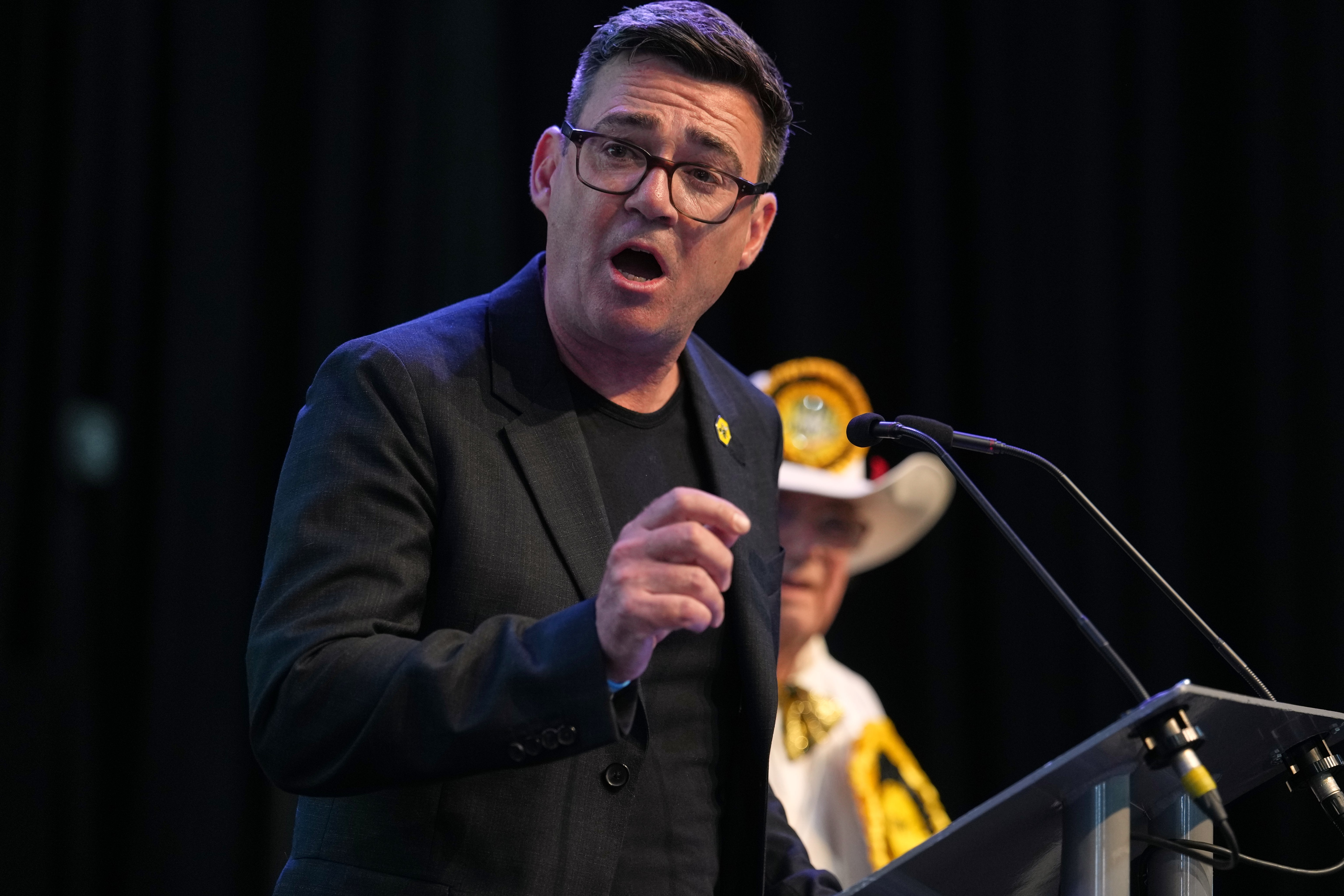
Andy Burnham issued warning over tax rises should he become prime minister
gdelt bot · about 2 months ago
Feature: 10 years on, Britons remain divided over Brexit vote
gdeltproject.org · about 2 months ago

A crise não cabe em Downing Street O verdadeiro desafio do Reino Unido é mais exigente: reconstruir um consenso político e estratégico sobre a sua identidade nacional e o seu papel no mundo.
observador · about 2 months ago

La fuerza del Parlamento A los primeros ministros británicos los suelen echar sus propios correligionarios
la vanguardia · about 2 months ago
Letter: UK should step on the gas in the North Sea From Christopher Smallwood, London SW20, UK
financial times · about 2 months ago
David Cameron on where Keir Starmer went wrong as prime minister
gdeltproject.org · about 2 months ago