
Hungarian president signs term-limit law blocking Orbns return
Story Timeline
3 months · 6 summary articles
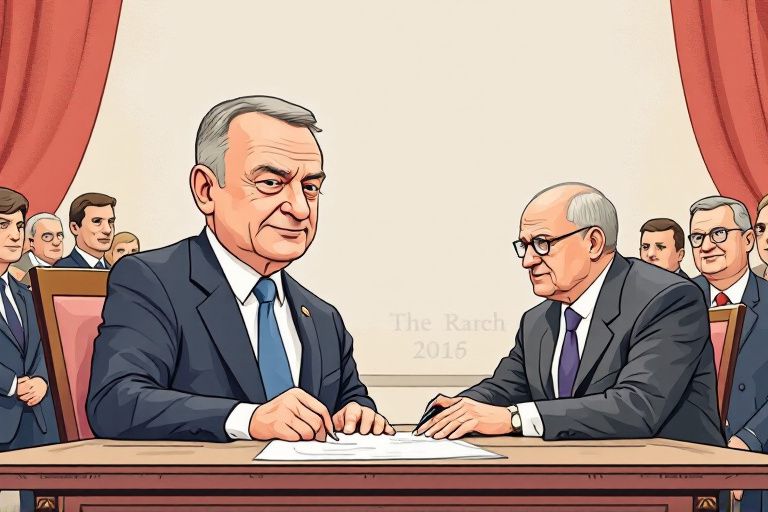
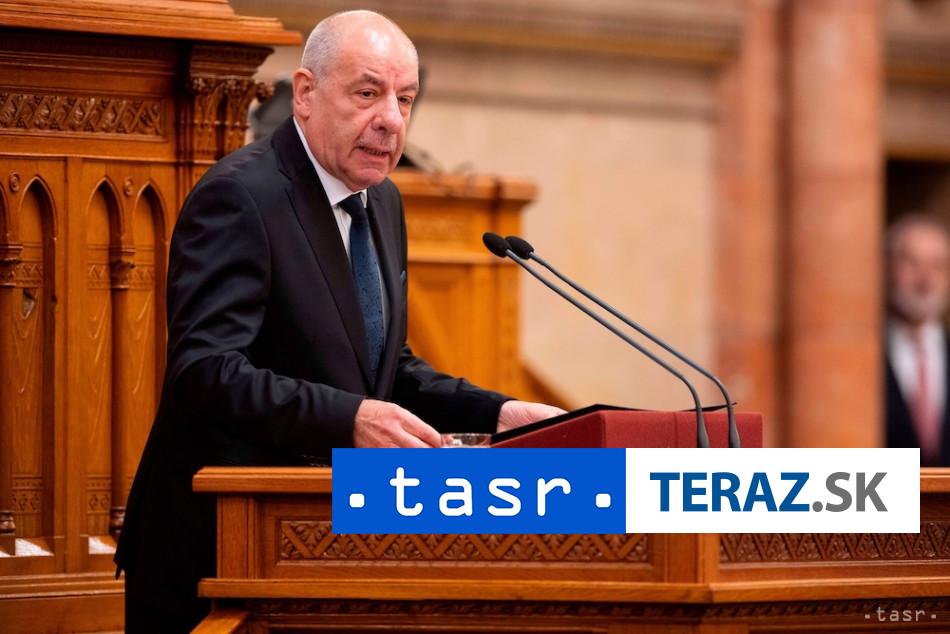
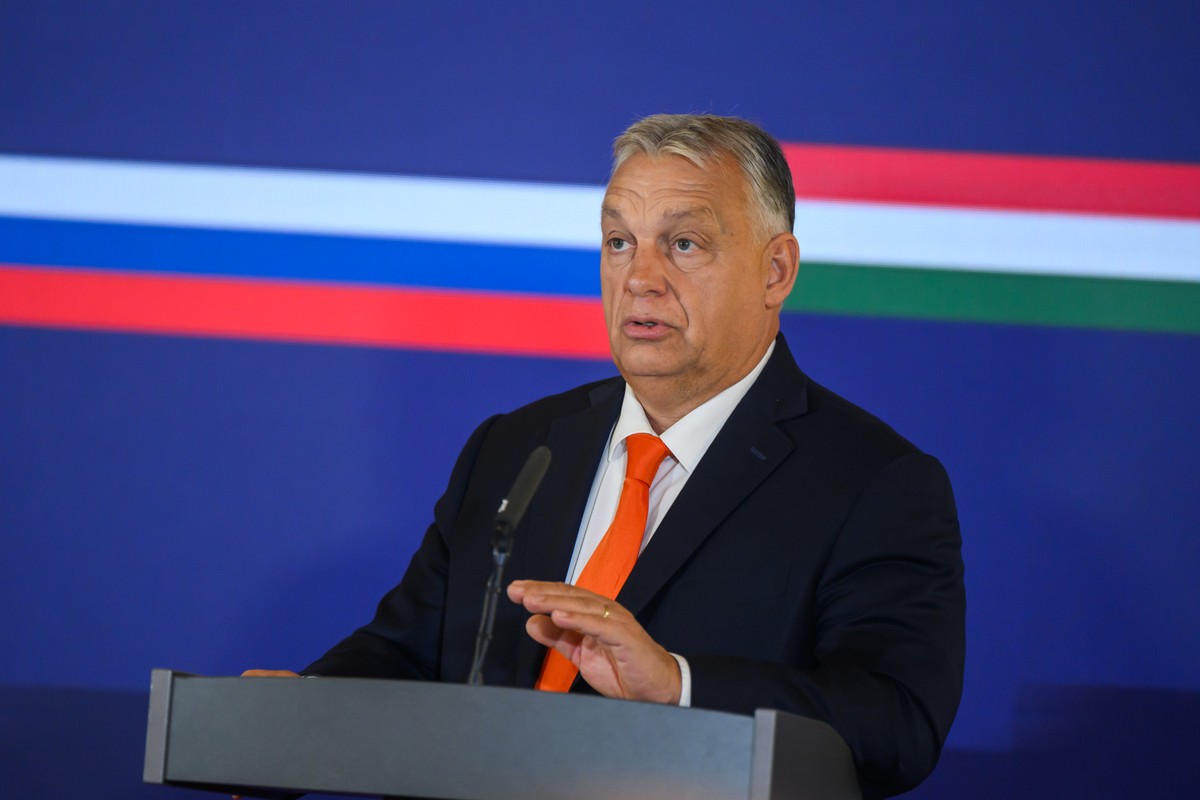
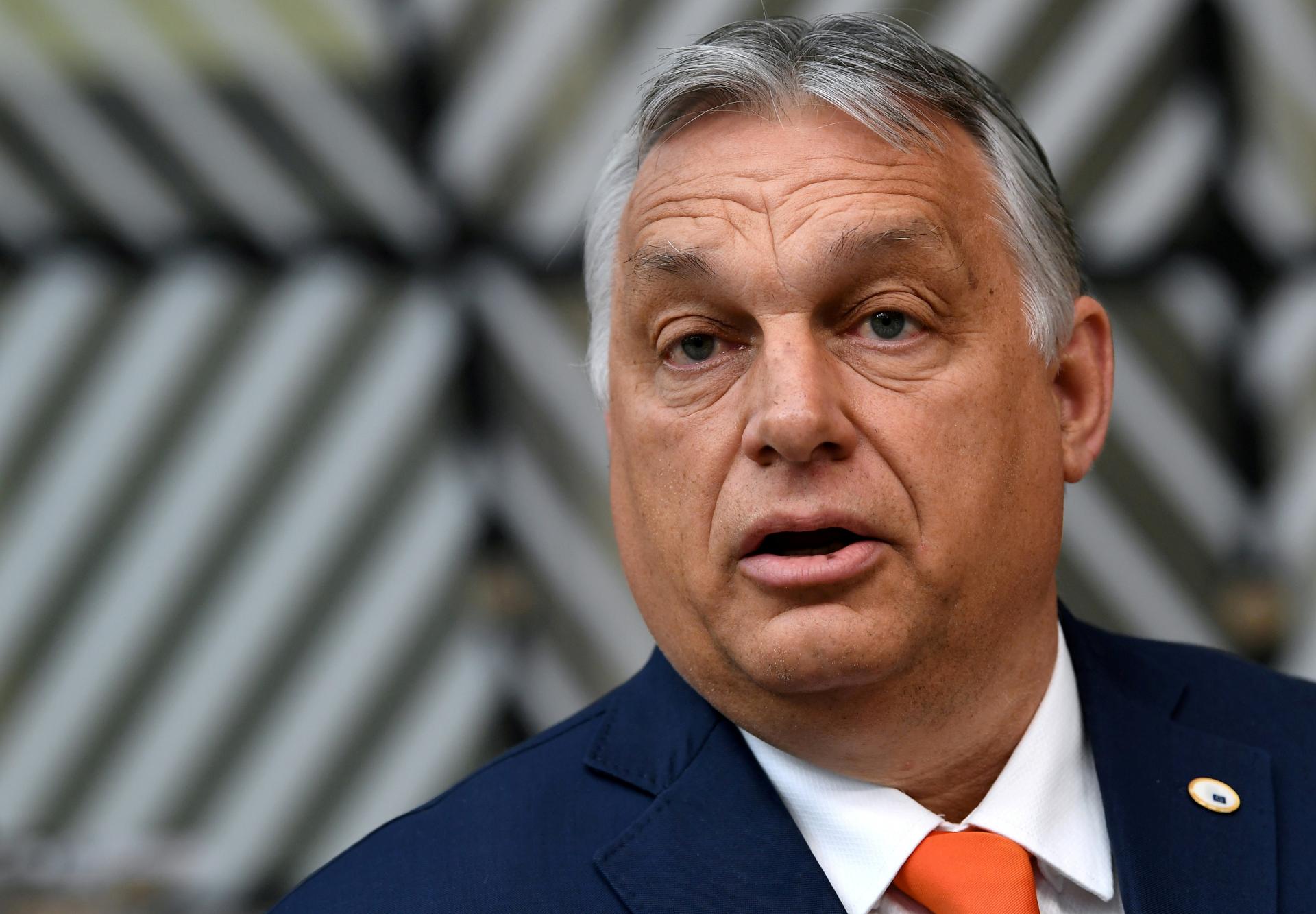
Hungarian President Tamás Sulyok has signed a constitutional amendment that limits the prime minister's term to eight years, effectively preventing Viktor Orbán from returning to the position. The amendment, signed on Friday, June 19, 2026, marks a significant shift in Hungarian politics, where Orbán has been a dominant figure for over two decades.
The constitutional change, which was approved by the Hungarian parliament earlier, sets a maximum of eight years for any individual to serve as prime minister. This move is widely seen as a direct response to Orbán's extended tenure, who has been in office since 2010. However, the amendment does not affect the current term of the prime minister, meaning Orbán can complete his present term but will be barred from seeking re-election once it ends.
President Sulyok, who was appointed by Orbán himself, expressed reservations about the amendment. According to reports from HVG.hu, Sulyok described the amendment as "unusual and unnecessary" but acknowledged that it was not legally flawed. This stance effectively counters criticisms from Orbán's Fidesz party, which had argued that the amendment was a form of retroactive legislation.
The signing of the amendment has sparked a mix of reactions within Hungary. Supporters of the measure argue that it is a necessary step to ensure political diversity and prevent the concentration of power in the hands of a single individual for an extended period. Critics, however, see it as a politically motivated move to sideline Orbán, who remains a influential figure in Hungarian politics.
In a related development, Orbán Balázs, the son of Viktor Orbán, has resigned from his position as the head of the MCC (Mathias Corvinus Collegium) foundation. According to reports from HVG.hu and 444.hu, Balázs stated that his resignation is aimed at facilitating negotiations between the foundation and the government. This move is seen as an attempt to distance the foundation from the political turmoil surrounding the constitutional amendment.
The constitutional amendment and the resignation of Orbán Balázs come at a time of significant political change in Hungary. The amendment, in particular, is expected to have far-reaching implications for the country's political landscape, potentially paving the way for new leadership and policies.
As Hungary navigates this period of transition, the international community will be watching closely to see how these developments unfold and what they mean for the future of the country's democracy and governance.
Follow us for live European news
- 2
- 1
- 1
- 1
- 1
- 1
1 further source not geolocated
Articles

Au Zimbabwe, le Crocodile Emmerson Mnangagwa renforce son emprise sur le pouvoir Jeudi 18 juin, un projet de loi controversé de modification de la Constitution de 2013, visant à prolonger le mandat du président Emmerson Mnangagwa au-delà de 2028, a été adopté à lAssemblée nationale. Si elle est validée au Sénat, cette loi mettra aussi fin à lélection directe du chef de lÉtat zimbabwéen.
courrier international · 2 months ago

Orbán-appointed Hungarian president bans Orbán from returning to power Hungarian Prime Minister Péter Magyar has long promised to introduce an eight-year term limit for his position, where Viktor Orbán served 20 years.
politico.eu · 2 months ago
Orbán Balázs lemondott az MCC vezetéséről Rájött, hogy azzal segít a legtöbbet az alapítványnak, ha nem vesz részt a túlélésről szóló tárgyalásokban.
444.hu · 2 months ago
Maďarský mediální trh se pod Magyarovou vládou razantně mění. Redakce propouští i ukončují činnost Maďarský mediální trh po volební porážce Viktora Orbána prochází velkými změnami. Redakce spojované s minulou vládou propouští zaměstnance a ruší vydání, některá dokonce kompletně ukončují činnost. Důvodem je zčásti konec státní reklamy, která pro mediální domy tvořila velkou část příjmů. Podle kritiků Orbána se ukazuje, jak moc byla dotčená média závislá na veřejných financích. Podporovatelé předchozí vlády situaci obhajují změnami na trhu.
irozhlas.cz · 2 months ago

Orbán Balázs lemondott az MCC kuratóriumának elnöki posztjáról A politikus szerint azzal tudja segíteni az MCC tárgyalásait a kormánnyal, ha lemond a tisztségéről.
hvg.hu · 2 months ago
Orbán definitívne nebude môcť byť premiérom. Prezident Sulyok podpísal novelu ústavy Maďarský prezident Tamás Sulyok podpísal prelomovú novelu ústavy, ktorá obmedzí premiérov na osem rokov pri moci. Zmena však nezasiahne súčasný mandát.
aktuality.sk · 2 months ago
Sulyok podpísal novelu obmedzujúcu funkčné obdobie premiéra
gdelt bot · 2 months ago
Maďarský prezident podpísal novelu , ktorá zabráni Orbánovi stať sa znovu premiérom
gdelt bot · 2 months ago
Maďarský prezident Sulyok podpísal ústavnú zmenu , premiér krajiny môže vládnuť najviac osem rokov
gdelt bot · 2 months ago
Robert Golob oddal podpis za referendum o noveli zakona o parlamentarni preiskavi Predsednik Gibanja Svoboda Robert Golob je oddal podpis za referendum o noveli zakona o parlamentarni preiskavi. Oddal je tudi podpis pod pobudo za začetek postopka za razpis referenduma o zakonu o lokalnih volitvah.
rtv slovenia · 2 months ago
Sulyok Tamás aláírta az Orbánt kigolyózó alaptörvény-módosítást Néhány meglátása azért volt.
444.hu · 2 months ago
‚Pro komunisty byl ideální kandidát. Beneš se před osmdesáti lety stal prezidentem Československa Před 80 lety zvolilo Ústavodárné národní shromáždění Edvarda Beneše prezidentem Československa. Jako jediný kandidát získal všech 298 odevzdaných hlasů, včetně hlasů komunistických poslanců. Byla to poslední prezidentská volba v demokratických poměrech před únorem 1948. O necelé dva roky později se komunisté chopili moci a demokratické Československo zaniklo.
irozhlas.cz · 2 months ago

Sulyok Tamás aláírta: ugyan nincs ínyére a miniszterelnöki ciklus korlátozása, de jogilag nem tudott belekötni A köztársasági elnök szerint az Alaptörvény-módosítás – amely Orbán Viktor visszatérését lehetetleníti el a miniszterelnöki poszton – szokatlan és szerinte szükségtelen is, de nem jogsértő, így aláírta. Ezzel azonban cáfolta a Fidesz kritikáit a visszamenőleges jogalkotásról.
hvg.hu · 2 months ago