Loading…
 Saturday, August 29Saturday, August 29
3 months · 7 summary articles
Hungary’s parliament on Monday approved a constitutional amendment limiting prime ministers to a maximum of eight years in office, a move that effectively bars former premier Viktor Orbán from ever returning to power. The legislation, passed by a two-thirds majority in the 199-seat National Assembly, was adopted with 135 votes in favour, 50 against and six abstentions . The change applies retroactively, meaning Orbán’s 20 years as prime minister—spanning four consecutive terms since 2010—would count toward the new cap.
The amendment was a central pledge of Prime Minister Péter Magyar, whose pro-European Tisza party won a landslide in April’s election, ending Orbán’s Fidesz party’s 16-year rule. With the two-thirds majority, Tisza can now reshape legislation and the constitution, reversing key policies enacted under Orbán’s government. The new term limit applies to all future prime ministers, regardless of whether terms are consecutive, and was framed by supporters as a safeguard against prolonged one-party dominance.
Orbán, who has led Hungary since 2010, dismissed the move as politically motivated. “The Tisza party has made itself look ridiculous by adopting this proposal,” he said in a statement, accusing the government of trying to isolate him from public life . His allies in Fidesz condemned the amendment as an undemocratic attempt to entrench Tisza’s power, warning it could set a precedent for further restrictions on political competition.
International observers and opposition figures have framed the change as a significant shift toward democratic normalisation in Hungary. The European Union, which has clashed repeatedly with Orbán over rule-of-law concerns, has not yet commented on the amendment. Analysts note that while the law prevents Orbán from regaining the premiership, it does not bar him from other political roles, leaving open the possibility of continued influence within Fidesz or through allied institutions.
The constitutional amendment now awaits formal promulgation, though its passage is considered a formality given Tisza’s supermajority. With Orbán’s political future seemingly foreclosed by the new rule, attention will turn to how his party adapts to life in opposition and whether the term limit becomes a model for broader institutional reforms in Hungary.
Follow us for live European news
2 further sources not geolocated

Ungari piirab peaministrite ametiaega, takistades Orbáni naasmist Ungari seadusandjad hääletasid täna ülekaalukalt selle poolt, et piirata peaministrite ametiaeg maksimaalselt kaheksa aastaga; see põhiseaduse muudatus takistab parempopulist Viktor Orbáni naasmist.
postimees · 2 months ago
Az állam visszakéri a pénzt a kekváktól, és Orbán sem lehet többet miniszterelnök – megszavazták a tizenhatodik alaptörvény-módosítást A módosítót benyújtó Melléthei-Barna Márton szerint „politikai ellenfelek üldözésére létrejött Szuverenitásvédelmi Hivatal, a közpénzek magánvagyonként való kezelése és a kormányfői hatalom időbeli korlátlansága mind-mind a hübrisz megnyilvánulása.
444.hu · 2 months ago
Instituțiile UE se descotorosesc de „antenele lui Viktor Orban. Un think tank, suspendat de autoritatea de supraveghere Un think tank de dreapta care are legături cu fostul prim-ministru ungar Viktor Orbán a fost suspendat din baza de date a UE privind grupurile de lobby și de campanie, după ce a fost acuzat că nu a dezvăluit informații financiare, inclusiv sursele sale de finanțare, scrie POLITICO.
digi24 · 2 months ago
Parlamentul Ungariei limitează mandatele premierilor la 8 ani, pentru ca Viktor Orban să nu poată reveni la putere Parlamentul ungar, dominat de partidul Tisza al premierului proeuropean Peter Magyar, a adoptat luni un amendament constituţional care limitează durata totală a mandatelor unui politician în funcţia de şef al guvernului la cel mult opt ani, o măsură care, prin efectul său retroactiv, împiedică revenirea la putere a fostului premier naţionalist Viktor Orban.
digi24 · 2 months ago
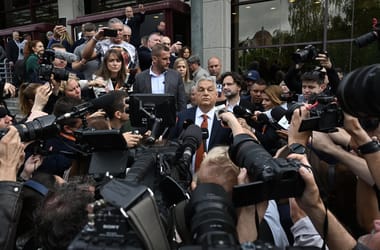
Reagált Orbán az Alaptörvény-módosításra, amely szerint többé nem lehet miniszterelnök A volt kormányfő „lex Orbánt emleget.
hvg.hu · 2 months ago
V Maďarsku sa rokuje o ústavnom dodatku, ktorý by obmedzil funkciu premiéra na osem rokov Maďarský parlament rokuje o ústavnom strope pre premiéra na osem rokov. Fidesz zároveň čelí obvineniam z utajovaného plánovania migračného tábora pri rakúskych hraniciach.
aktuality.sk · 2 months ago
Grunnlovsendring i Ungarn – Orban kan ikke bli statsminister igjen Ungarns nasjonalforsamling har vedtatt en grunnlovsendring som betyr at Viktor Orban aldri kan bli landets statsminister…
aftenposten · 2 months ago
Dezvăluiri controversate în Ungaria. Péter Magyar îl acuză pe Viktor Orbán că ar fi susținut construirea unei tabere secrete pentru migranți Viktor Orbán este acuzat de liderul opoziției din Ungaria, Péter Magyar, că ar fi promovat public o retorică dură împotriva migrației în timp ce, în culise, ar fi susținut un proiect pentru construirea unei facilități destinate migranților, în apropierea graniței cu Austria.
adevarul · 2 months ago
Ungarn: Verfassungsänderung hält Orbán von der Macht fern Das Parlament in Budapest beschließt: Wer mehr als acht Jahre regiert hat, darf kein Ministerpräsident mehr werden. Das gilt für den Langzeit-Premier Orbán, aber auch für seinen Nachfolger Magyar.
sueddeutsche · 2 months ago
A democratic Hungary: priorities and ambitions after Orbán
gdeltproject.org · 2 months ago
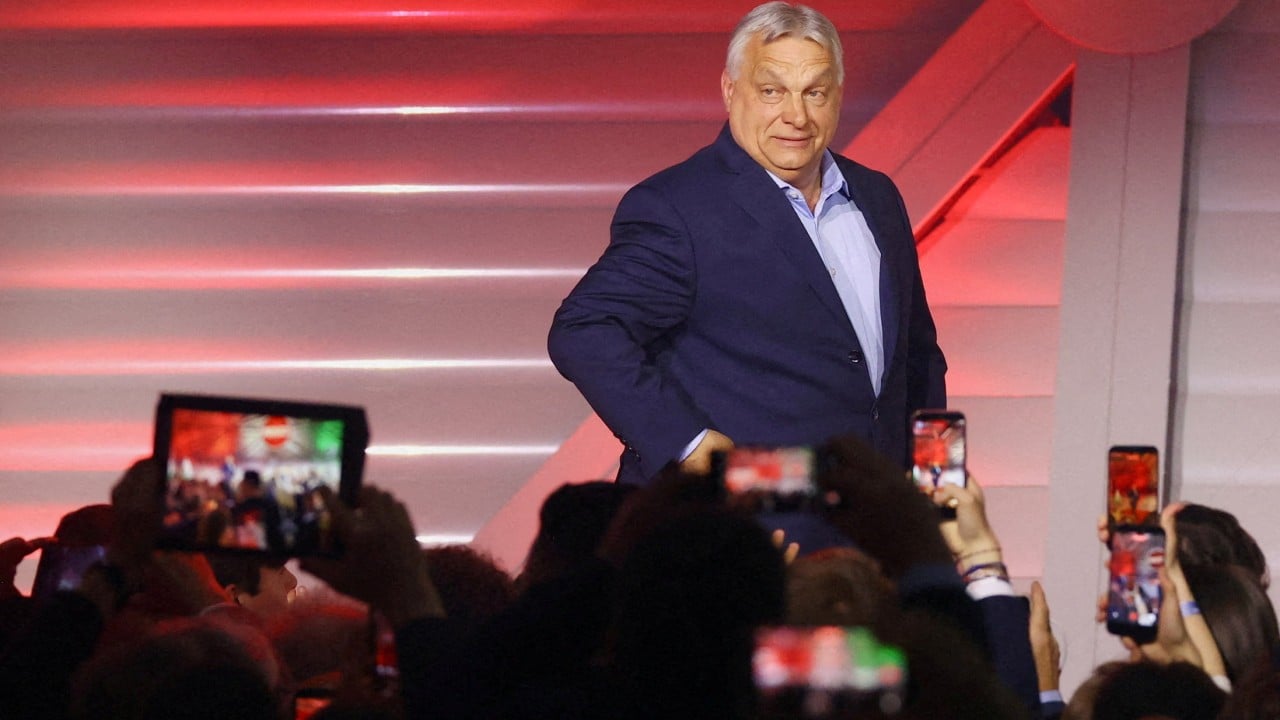
Hungarian parliament rules out Orban return with 8-year limit for prime ministers Hungarys parliament approved a constitutional amendment on Monday that allows prime ministers to serve for a maximum of eight years, effectively barring former premier Viktor Orban from holding the role again. Prime Minister Peter Magyar ousted Orban in an election in April after 16 years, gaining a two-thirds majority in parliament that allows his party to roll back or change legislation passed by Orbans Fidesz, including the constitution. The amendment was a key campaign promise of...
south china morning post · 2 months ago
Hungarian Parliament adopts amendment to Fundamental Law which prevents Viktor Orbán from ever being PM again The time spent in office for prime ministers will be limited to a maximum of two terms going forward. Viktor Orbán said the Tisza Party have made themselves look ridiculous by adopting the proposal.
telex.hu · 2 months ago
Hungarian parliament votes for 8-year term limit that would stop Orbán returning The constitutional amendment, if made law, would prevent a repeat of Viktor Orbáns 20-year stint as prime minister.
politico.eu · 2 months ago
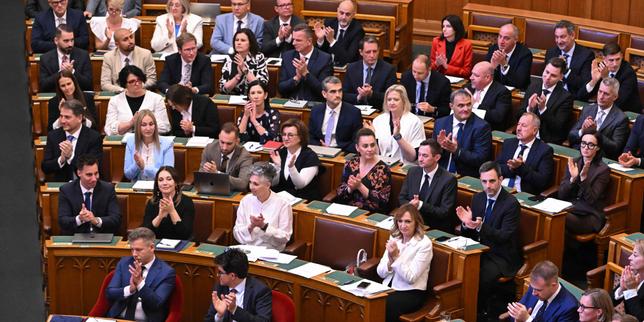
Hungary moves to limit PMs terms in office, blocking Orbans return The amendment was a key campaign promise of pro-EU conservative Peter Magyar, who in April elections ousted Viktor Orban from office, promising sweeping reforms.
le monde · 2 months ago

Hungarian lawmakers today passed a constitutional amendment that would ban Viktor Orbán from returning to power.
bluesky bot · 2 months ago
Orbán szerint „alkalmatlan tárgyon elkövetett reménytelen kísérlet" az alkotmánymódosítás, amivel el akarják tiltani a néptől A volt miniszterelnök az Indexnek: Lázár és Szijjártó teljesen rendben van, Hatvanpuszta műbalhé, és halálomig Fidesz-tag maradok.
444.hu · 2 months ago
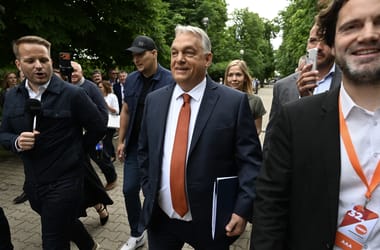
Orbán Viktor: Hatvanpuszta tipikusan műbalhé, nincs reális alapja, a Matolcsy-botrány hatósági ügy A választási mozgósítás szerinte rendben volt, ahogy az ukrán- vagy az EU-ellenes üzenetek is – erről is beszélt a Fidesz pártelnöke az Indexnek adott interjúban. Decemberre nagy országos gyűlést terveznek, ahol a Tisza-kormány munkáját fogják értékelni.
hvg.hu · 2 months ago
Maďarský parlament schválil úpravy ústavy. Premiér môže vládnuť najviac osem rokov Maďarský parlament schválil novelu ústavy a obmedzil mandát premiéra na osem rokov. Zároveň z dokumentu mizne aj plánovaný Úrad na ochranu zvrchovanosti.
aktuality.sk · 2 months ago
Parlamentul maghiar a adoptat un amendament care ar împiedica revenirea lui Viktor Orban la putere Parlamentarii din Ungaria au adoptat, luni, un amendament constituțional care ar interzice revenirea la putere a lui Viktor Orbán. Amendamentul, aprobat cu 135 de voturi pentru și 50 împotrivă, va limita durata mandatelor de prim-ministru la doar opt ani, dacă va deveni lege.
adevarul · 2 months ago
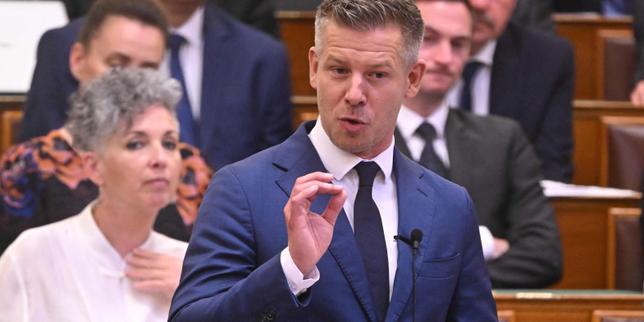
En Hongrie, les parlementaires inscrivent dans la constitution la limitation du mandat du premier ministre à huit ans, empêchant le retour de Viktor Orban Cet amendement qui prévoit de plafonner à huit ans, consécutifs ou non, lexercice de la fonction a été voté à 135 voix pour, 50 contre et six abstentions.
le monde · 2 months ago