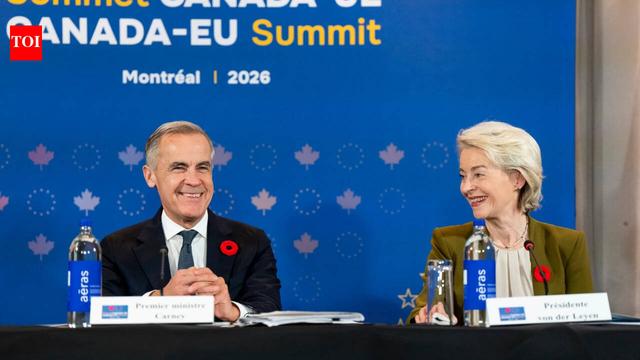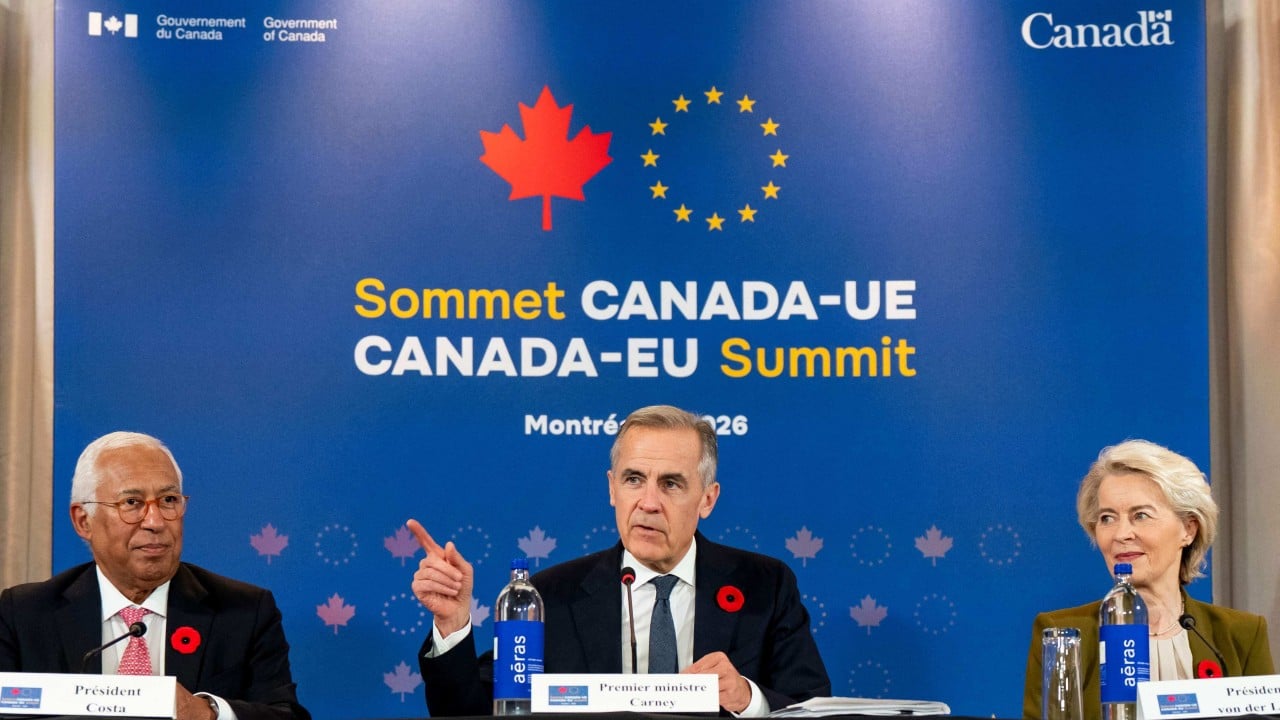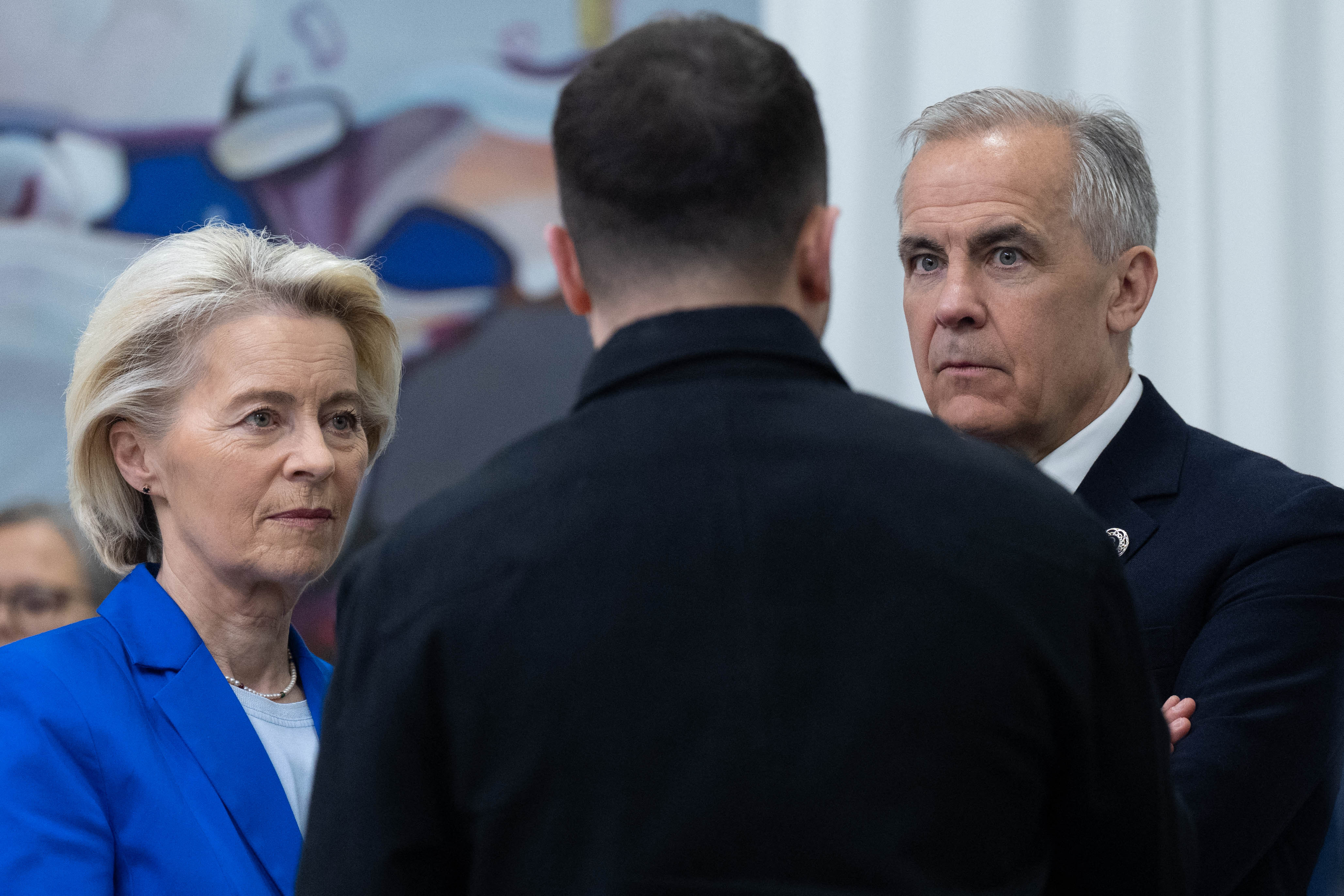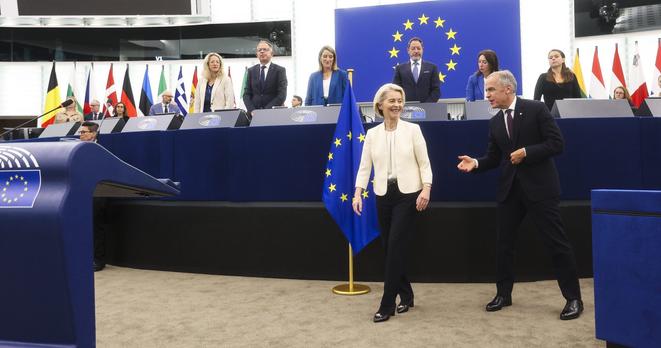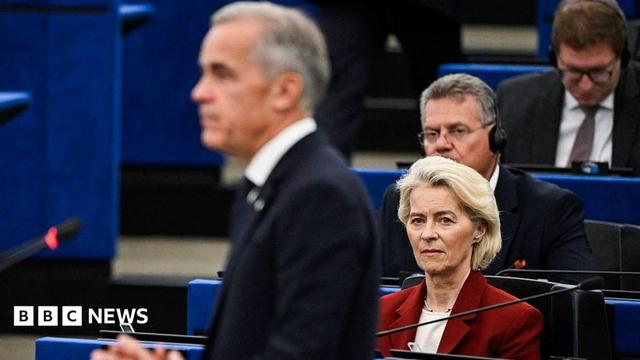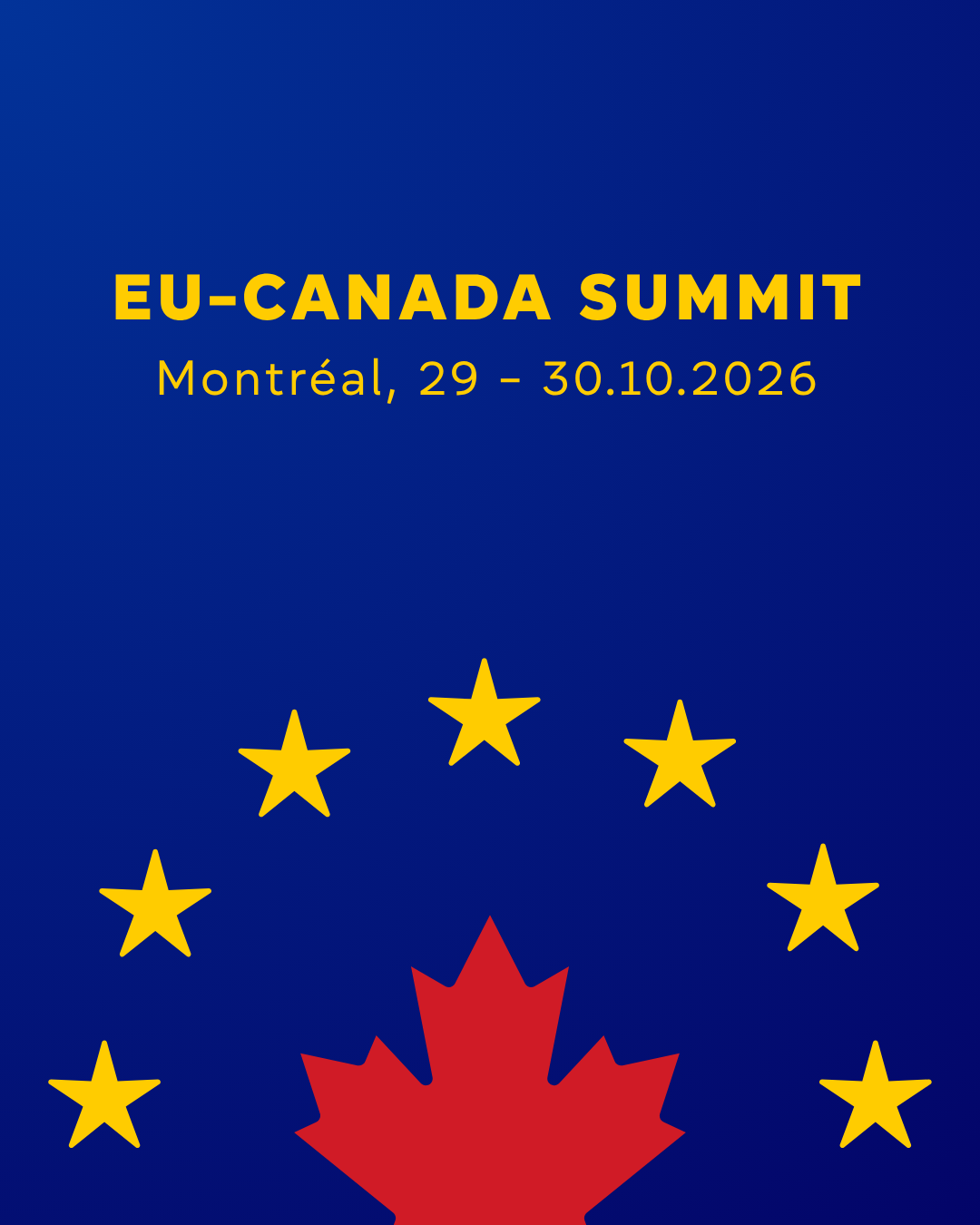
The European Union and Canada are exploring a closer partnership that could make Canada the bloc’s first “associate member,” a proposal championed by Commission President Ursula von der Leyen and Prime Minister Mark Carney at a Montreal summit.
Von der Leyen said on Thursday that while Canada cannot join the EU as a full member due to geography, both sides aim to elevate ties to the “highest level possible.” She described the proposed model as an “association without accession,” allowing deeper cooperation on trade, defence, critical minerals, technology, and research .
The term “associate member” has faced resistance from some EU member states, including Germany, and was omitted from the joint declaration expected on Friday. Carney downplayed the label, stating that the substance of the partnership mattered more than its name .
The summit also launched the broader “Alliance for the Future,” a framework for cooperation distinct from the associate-member proposal. Von der Leyen announced an agreement to grant Canadian companies and researchers access to the EU’s network of 12 advanced supercomputers, strengthening collaboration on artificial intelligence .
Carney framed the push for closer ties as a response to economic pressure, including US President Donald Trump’s tariffs, which have strained Canada’s trade relations. Von der Leyen warned that economic ties were increasingly being used as instruments of coercion, particularly in sectors like energy and semiconductors .
European Council President António Costa called the associate membership idea “audacious” but shared von der Leyen’s ambition for deeper integration. The joint declaration instead refers to an “ever closer association,” with further work to define the relationship by the next summit .