
US kills Venezuelan gang leader in joint operation with Caracas
Story Timeline
20 hours · 3 summary articles
US kills Venezuelan gang leader in joint operation with Caracas
US and Venezuela kill Tren de Aragua leader Hctor Guerrero Flores in joint strike
ContinuationUS kills Tren de Aragua leader Hctor Guerrero Flores in coordinated strike
Continuation
US forces killed Héctor Guerrero Flores, the leader of Venezuela’s Tren de Aragua gang, in a joint operation with Venezuelan authorities on Friday, US President Donald Trump announced on Saturday. The strike, described as a “quick and lethal kinetic action,” was carried out by US Southern Command under Trump’s orders and marked the culmination of a years-long campaign against one of Latin America’s most feared criminal organizations.
Trump framed the operation as retribution for the gang’s victims, stating that Guerrero Flores, known as “Niño Guerrero,” had orchestrated atrocities across Venezuela and beyond. The White House confirmed that the CIA provided critical intelligence for the mission, which was conducted in southern Venezuela and coordinated with Venezuelan security forces. The Venezuelan government has not yet issued an official response, but the operation signals an unprecedented level of cross-border cooperation between Washington and Caracas, two governments long at odds over issues including sanctions and regional influence.
The Tren de Aragua, designated a foreign terrorist organization by the US State Department in early 2025, has been linked to kidnappings, human trafficking, and mass violence in Venezuela and neighboring countries. Guerrero Flores’s death follows years of escalating crackdowns on the gang, which expanded its operations from a single prison in Venezuela to a transnational criminal network with cells in Chile, Peru, and Colombia. Analysts warn, however, that the group’s decentralized structure means its operations may continue despite the loss of its top leader.
The operation comes amid a broader US push to counter organized crime in the Americas, with Trump’s administration deploying forces to Haiti this month to combat gang violence there. Critics argue that these interventions prioritize geopolitical objectives over addressing the root causes of crime, noting that the US has done little to curb domestic criminal networks. Meanwhile, protests erupted in Iran on Saturday against Foreign Minister Abbas Araghchi, who faces accusations of compromising with Washington over a pending US-Iran deal. Hardline demonstrators chanted slogans such as “Death to Araghchi, the dishonorable compromiser,” underscoring the domestic backlash against any perceived concessions to the US.
The timing of Guerrero Flores’s killing also raises questions about its impact on regional stability, particularly as Mexico grapples with cartel violence that claimed the life of a mayor in Oaxaca just hours before the US strike. The convergence of these crises highlights the persistent challenge of transnational crime and the limits of military solutions in addressing it.
- 2
- 2
- 1
- 1
- 1
- 1
1 further source not geolocated
Articles

Trump says US military killed leader of Venezuelan gang Tren de Aragua US President Donald Trump said on Thursday that American forces had carried out a lethal strike against Hector Guerrero Flores, the leader of the Venezuelan gang Tren de Aragua, describing the operation as retribution for the groups victims while noting it was coordinated with Venezuelan authorities.
yenisafak · about 5 hours ago
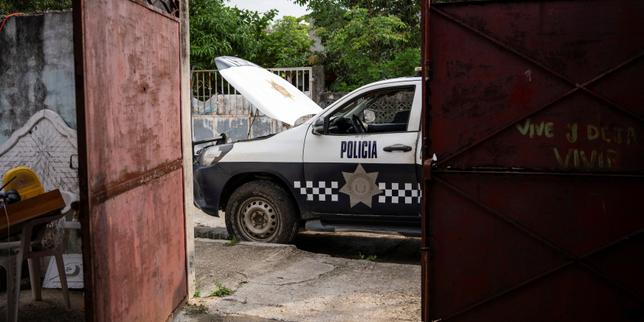
Mexique : un maire assassiné par balle dans le sud du pays La commune de 7 000 habitants dans laquelle Joel Bravo a été abattu par balle, samedi 13 juin, se trouve dans lEtat dOaxaca, où les puissants cartels Jalisco Nueva Generación (CJNG) et Sinaloa se disputent les routes du trafic de drogue.
le monde · about 5 hours ago
🇮🇷⚡️ — Hardline Iranians have begun protesting against Foreign Minister Abbas Araghchi and Iranian Parliament Speaker Ghalibaf throughout today over the emerging US-Iran deal, chanting: "Death to Araghchi, the dishonorable compromiser." "Araghchi, have shame; leave America alone (stop giving in)" "Ghalibaf, Araghchi, Resign, Resign!"
telegram bot · about 6 hours ago
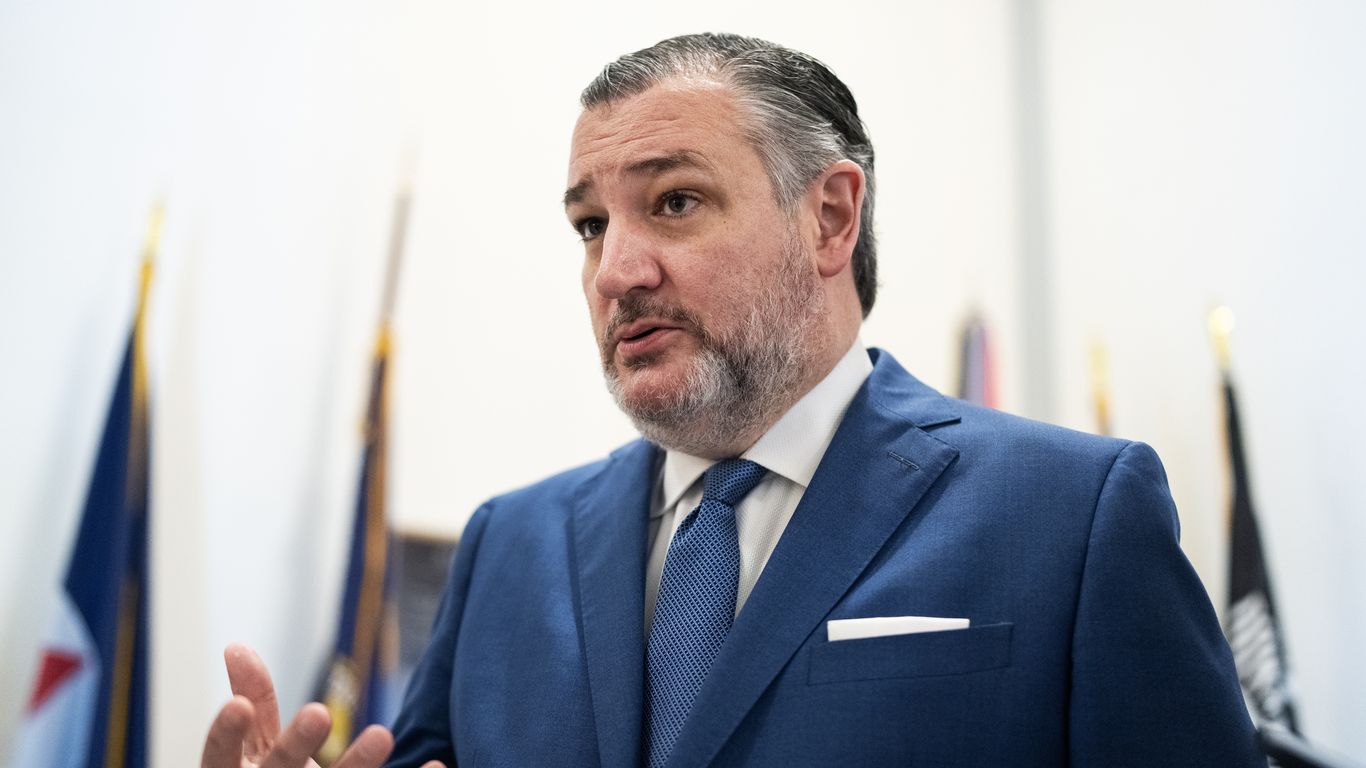
Cruz breaks with Trump on key endorsements as 2028 looms Texas Sen. Ted Cruz is staking out his independence from President Trump ahead of a possible 2028 run for the White House, backing rivals to Trump-endorsed candidates in two high-profile Republican primaries.Why it matters: Cruz is testing whether theres room in the Republican Party for a 2028 contender willing to break with a president whos maintained an iron grip on the party for the last decade.State of play: Cruz this week announced he was backing Rick Jackson for Georgia governor and Alan Wilson in South Carolinas race for governor.Jackson, a wealthy health care executive, faces Trump-backed Lt. Gov. Burt Jones in Georgias June 16 runoff.Wilson, South Carolinas attorney general, is up against Trump-endorsed Lt. Gov. Pamela Evette in a runoff taking place on June 23.Cruz appears to be the only potential 2028 GOP contender to publicly side against Trump in either race, underscoring how reluctant other ambitious Republicans are to cross the president.Yes, but: Cruz endorsements carry political risk. If Jones and Evette win, Cruz could face Trumps wrath — likely complicating his 2028 prospects.Zoom in: As he lays the groundwork for a 2028 bid for president, Cruz has identified a few key policy areas where hes willing to break with Trumps White House.The senator privately told donors last year that Trumps tariffs would damage the economy and potentially cost Republicans control of Congress, Axios first reported in January.In talks with donors Cruz also has trashed Vice President Vance — another potential 2028 presidential candidate who could run with Trumps support. Cruz has accused Vance of wrongly advancing an anti-interventionist foreign policy.Flashback: Cruz was Trumps final major rival in the 2016 Republican primary and has spent the years since navigating the tension between his own presidential ambitions and loyalty to Trump.Behind the scenes: The Texas Republican has been taking steps to prepare for a 2028 run.Hes been giving high-profile speeches and is hosting a podcast and syndicated radio show, which has given him entree to small donors who could be helpful in a future campaign.He also has repeatedly savaged podcaster and Vance ally Tucker Carlson, whom he has accused of promoting antisemitism and an anti-Israel foreign policy.By endorsing Wilson in South Carolina, Cruz is building a relationship with a potentially influential ally in a traditional early primary state.Between the lines: By breaking with Trump in key primaries, Cruz is challenging a central pillar of the presidents political brand: His reputation as the GOPs kingmaker.Trump has long viewed primary endorsements as a measure of his influence inside the Republican Party.So far this cycle, Trump-backed candidates have won every federal or statewide primary except one: Rep. Randy Feenstra, who lost the GOP primary for Iowa governor.What theyre saying: "Ted Cruz attempting to undermine the president in primaries is a curious way to try to help his 2028 bid," a source close to the White House told Axios."Senator Cruzs decision to endorse candidates has always been measured by two factors: who is the most conservative candidate in the race, and whether that candidate has a path to victory," a spokesperson for Cruz told Axios.This story has been updated with a comment from a Cruz spokesperson.
axios · about 6 hours ago
State Department drops sanctions against avowed opponent of George Soros * WorldNetDaily * by Tyler ONeil, The Daily Signal
gdeltproject.org · about 6 hours ago
Donald Trump anunță că liderul „uneia dintre cele mai sângeroase organizații teroriste de pe planetă a fost ucis într-un atac al SUA. Cine era Niño Guerrero Președintele american Donald Trump a anunțat vineri că forțele Statelor Unite au efectuat un atac în urma căruia a fost ucis Hector Rusthenford Guerrero Flores, cunoscut sub numele de Niño Guerrero, liderul bandei venezuelene Tren de Aragua, notează Reuters. „La ordinul meu, Comandamentul Sudic al Statelor Unite a executat o lovitură rapidă și letală, eliminându-l …
hotnews.ro · about 6 hours ago
🇺🇸🇭🇹❌💊 — U.S. Special Envoy for the Shield of the Americas Kristi Noem announces that U.S. forces will be deployed to Haiti to confront organized crime.
telegram bot · about 6 hours ago
📝 All these interventions are being done primarily to secure natural resources for the United States to exploit, and in the case of Venezuela and Cuba, to remove geopolitical opponents. Confronting organized crime is not the primary goal by any means. The best way to confront organized crime is at home, and the United States has not done nearly enough to confront crime inside its borders as it has outside.
telegram bot · about 6 hours ago
Cadavru găsit într-o mașină lângă baza Iranului de la Cupa Mondială. Autoritățile mexicane au deschis o anchetă Un cadavru a fost găsit înfășurat într-un sac negru într-o mașină parcată în apropierea bazei de pregătire a naționalei Iranului pentru Cupa Mondială. Poliția din Tijuana a făcut descoperirea vineri, 12 iunie, după mai multe sesizări privind un miros puternic provenit dintr-un autoturism.
adevarul · about 6 hours ago
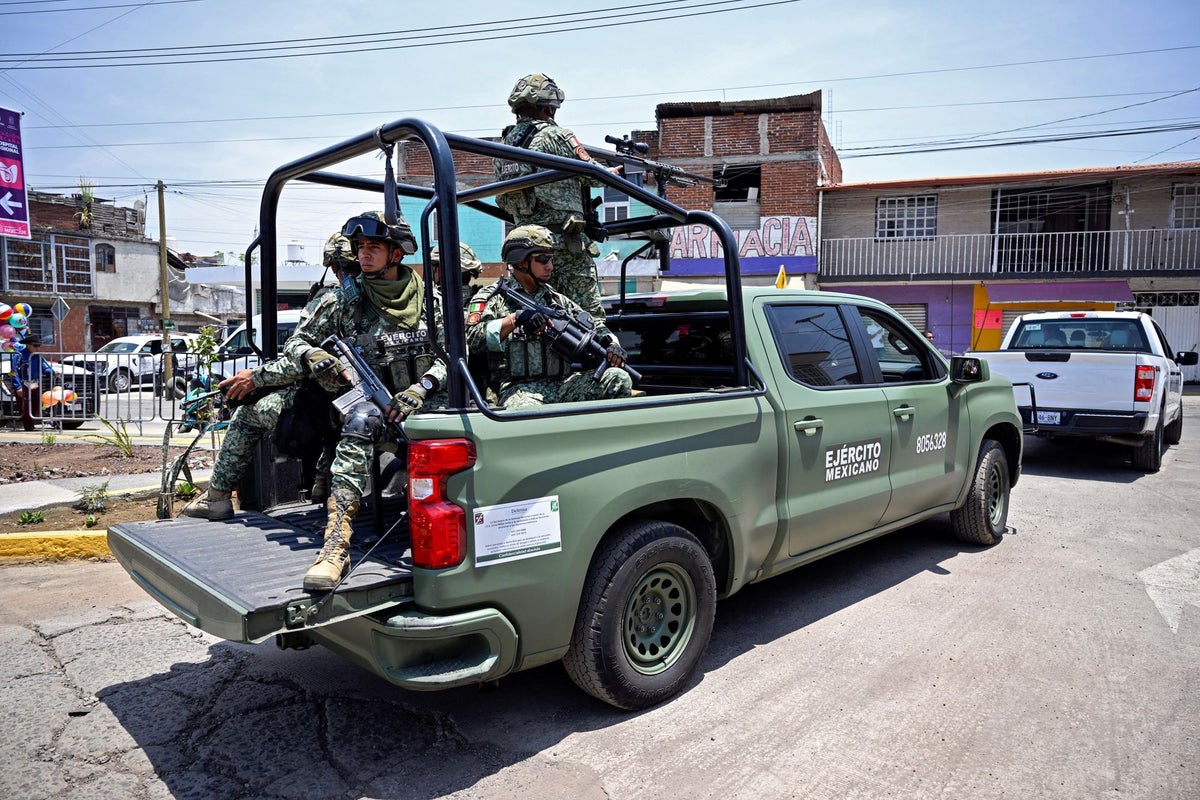
Mayor murdered in Mexico weeks after mayor of another Oaxaca town was killed Police the southern Mexican state of Oaxaca are investigating the fatal shooting of the mayor of San Miguel Amatitlan, the state prosecutors office said Saturday, as security forces launched an operation to hunt those responsible.
independent · about 7 hours ago
🇻🇪🇺🇸❌💊 — Ever since June 9, Venezuelan special forces, with American air and ISR support, have been engaged in a large-scale operation in this area to remove illegal mining operations controlled by Venezuelan organized crime syndicates and restore state control in the area. Venezuelan special forces have been moving in the area via ground and helicopter. The United States has conducted airstrikes via unmanned drones, and the Venezuelans have conducted airstrikes via helicopter. Seen here is a confrontation that occured a few days ago, between Venezuelan security forces and locals of Las Claritas, one of the mining towns affected by this operation.
telegram bot · about 7 hours ago

Trump Says U.S. Killed Venezuelan Tren de Aragua Gang Leader The CIA provided intelligence for the strike coordinated with Venezuela.
wsj · about 8 hours ago