
Sweden pledges state-backed nuclear investment in historic energy policy shift

Story Timeline
2 months · 10 summary articles
The Swedish government on Thursday announced a historic state-backed investment in new nuclear power, marking a sharp pivot in the country’s energy policy as Europe grapples with competing climate and industrial priorities. Under an agreement reached by the Tidö coalition partners, the state will provide direct financial support and take an ownership stake in Videberg Kraft, a company slated to build new reactors. Prime Minister Ulf Kristersson called the decision “historic,” underscoring its significance for Sweden’s energy security and decarbonisation goals.
The move comes as EU environment ministers meet in Luxembourg, where divisions over climate ambition have deepened amid record heatwaves across the continent. While most governments publicly endorse phasing out fossil fuels, several—including Sweden—are simultaneously advancing policies that critics argue undermine long-term climate objectives. Sweden’s decision to bankroll new nuclear capacity follows months of debate over how to reconcile rapid emissions cuts with industrial competitiveness, particularly in energy-intensive sectors.
The announcement aligns with broader European tensions over state aid and green investment rules. Earlier this week, Politico reported that several EU member states are pushing to classify oil and gas exploration as “green” investments, a proposal that could allow fossil fuel giants like TotalEnergies to access sustainable finance funds. The shift reflects growing unease among governments facing dual pressures: meeting legally binding climate targets while shielding industries from high energy costs and supply risks.
In a parallel development, Turkey’s Environment Minister Murat Kurum revealed plans to raise the country’s recycling rate from 37% to 80% by 2053, alongside new restrictions on single-use plastics and a deposit return system launching next month ahead of COP31 in Antalya. Speaking to *Yeni Şafak*, Kurum framed the measures as part of a broader circular economy strategy, though he did not detail funding mechanisms for the $2.5 trillion annual financing gap facing developing nations by 2030—a gap highlighted by Turkish Treasury and Finance Minister Mehmet Simsek, who argued that climate action is essential for economic stability.
Meanwhile, the EU’s methane rules face pushback from the US and Qatar, which have warned Brussels that stricter regulations could disrupt gas supplies. The dispute, reported by *Gulf Times* and *Hot96*, threatens to derail negotiations on the bloc’s energy transition, even as climate leadership faces growing scrutiny. A commentary in the *New Statesman* warned that retreat from ambitious targets risks locking in investment and health costs for generations.
Back in Sweden, the government’s nuclear push has drawn criticism from environmental groups, who argue that state funds would be better directed toward renewables. Agriculture Minister Jaimi van Essen, meanwhile, is set to unveil a softer approach to nitrogen reduction targets, seeking to balance ecological goals with sectoral concerns—a strategy that has drawn scepticism from advocates who insist tougher measures are overdue.
Follow us for live European news
- 3
- 2
- 1
- 1
- 1
- 1
- 1
- 1
- 1
2 further sources not geolocated
Articles

Erhurman slams baseless claims on Cyprus talks Turkish Cypriot leader Tufan Erhurman on Thursday blasted as baseless claims being made in the media regarding the direction and progress of discussions on the Cyprus problem, suggesting that they may be being made to provoke the Turkish Cypriot side. A debate which has been going on for days, based on an article written by […]
cyprus mail · 2 months ago
Climate leadership is contagious, but so is retreat The choices made this decade will shape investment, prosperity and public health for generations. Now is the time to accelerate progress, not abandon it
new statesman · 2 months ago
Θεοδωρικάκος: Ο Τσίπρας δεν έχει αναθεωρήσει τα λάθη του - Δεν είναι στο συμφέρον του Σαμαρά ούτε της ΝΔ να κάνει κόμμα Ο υπουργός Ανάπτυξης στο Direct: Προς απόσυρση το πλαφόν στα καύσιμα, περιμένω μείωση τιμών στα τρόφιμα, κομπλεξική η αντίδραση της αντιπολίτευσης στο posokanei - Για το θέμα των συνεργασιών σε περίπτωση μη αυτοδυναμίας σχολίασε: Ποτέ μη λες ποτέ
protothema · 2 months ago
Regeringen ger statligt stöd till ny kärnkraft: Historiskt Tidöpartierna har kommit överens om ett statligt stöd till ny kärnkraft i Sverige.Staten ska även gå in som delägare i företaget Videberg Kraft.– Det här är ett historiskt beslut, säger Ulf Kristersson.
expressen · 2 months ago
Un escudo energético estable para la industria Las empresas piden al Gobierno mejorar su competitividad con una fiscalidad mínima a la energía. Leer
expansion · 2 months ago
Türkiyes Simsek: Climate action protects growth, stability Treasury and Finance Minister Mehmet Simsek said climate action is essential for protecting economic growth and stability against future shocks, warning that the global community must shift from setting ambitious targets to rapid implementation as developing nations confront a $2.5 trillion annual financing gap by 2030.
yenisafak · 2 months ago
Nova taxa de resíduos agrava penalização às entidades gestoras Novo diploma aprovado revê o cálculo da Taxa de Gestão de Resíduos (TGR), ligando a factura das entidades gestoras ao custo real da operação e ao desvio face às metas.
publico · 2 months ago
Landbouwminister Jaimi van Essen tracht harde doelen te halen op een zachte manier D66-minister Jaimi van Essen is relatief onbekend, maar dat gaat vanaf vrijdag veranderen. Dan presenteert hij de stikstofaanpak die Nederland van het slot moet halen. „Bloemen of een lauwerkrans krijgt hij pas als er resultaat is.
nrc · 2 months ago
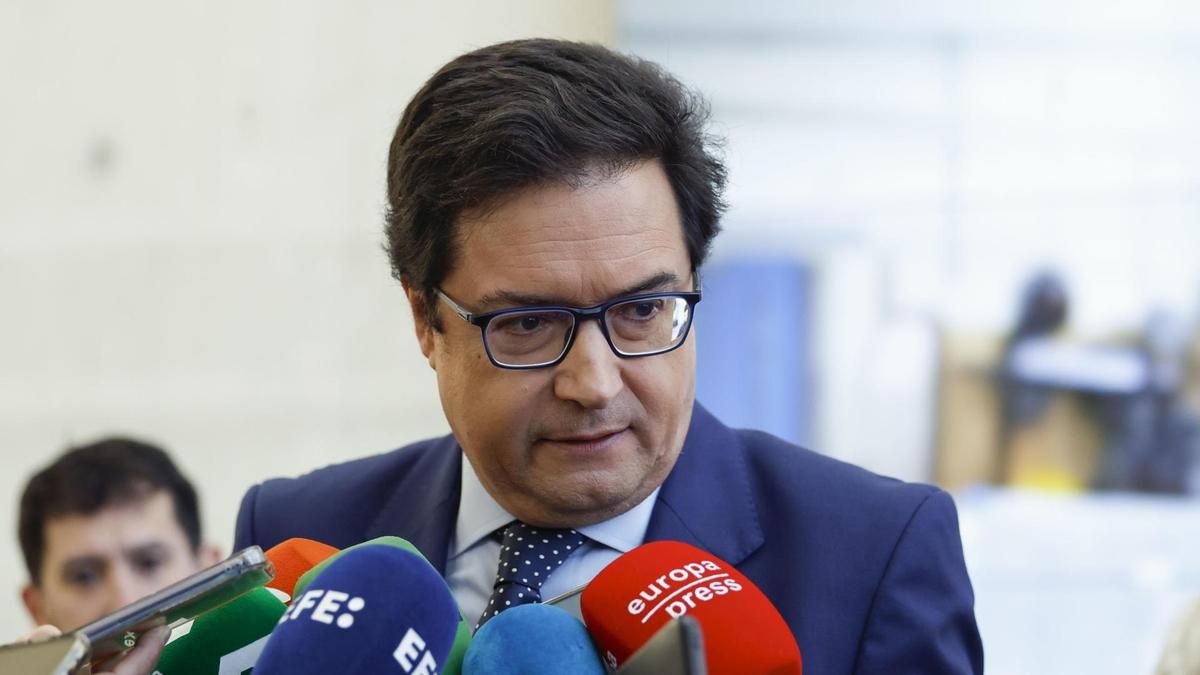
El Gobierno obligará a mantener la cobertura móvil durante cuatro horas al 75 de la población en caso de un nuevo apagón Rebaja sus exigencias iniciales ante los temores de las telecos por las inversiones necesarias Leer
elmundo · 2 months ago
US, Qatar urge EU to change methane rules, warn of supply risk
gdeltproject.org · 2 months ago
Qatar, US urge EU to change methane rules, warn of supply risk
gdeltproject.org · 2 months ago
Les pays de lUE souhaitent que lexploration pétrolière soit vue comme un investissement vert Les changements proposés pourraient amener des géants pétroliers comme TotalEnergies à figurer dans des fonds dinvestissement durables.
politico.eu · 2 months ago
ΚΕΦΙΜ: Το 91,6 του προγράμματος της κυβέρνησης έχει εφαρμοστεί ή είναι σε εξέλιξη - Σε άμυνα, εξωτερική πολιτική και παιδεία τα υψηλότερα ποσοστά
protothema · 2 months ago
Nya kärnkraftsbeskedet Regeringen tagit beslut om statligt stöd
expressen · 2 months ago
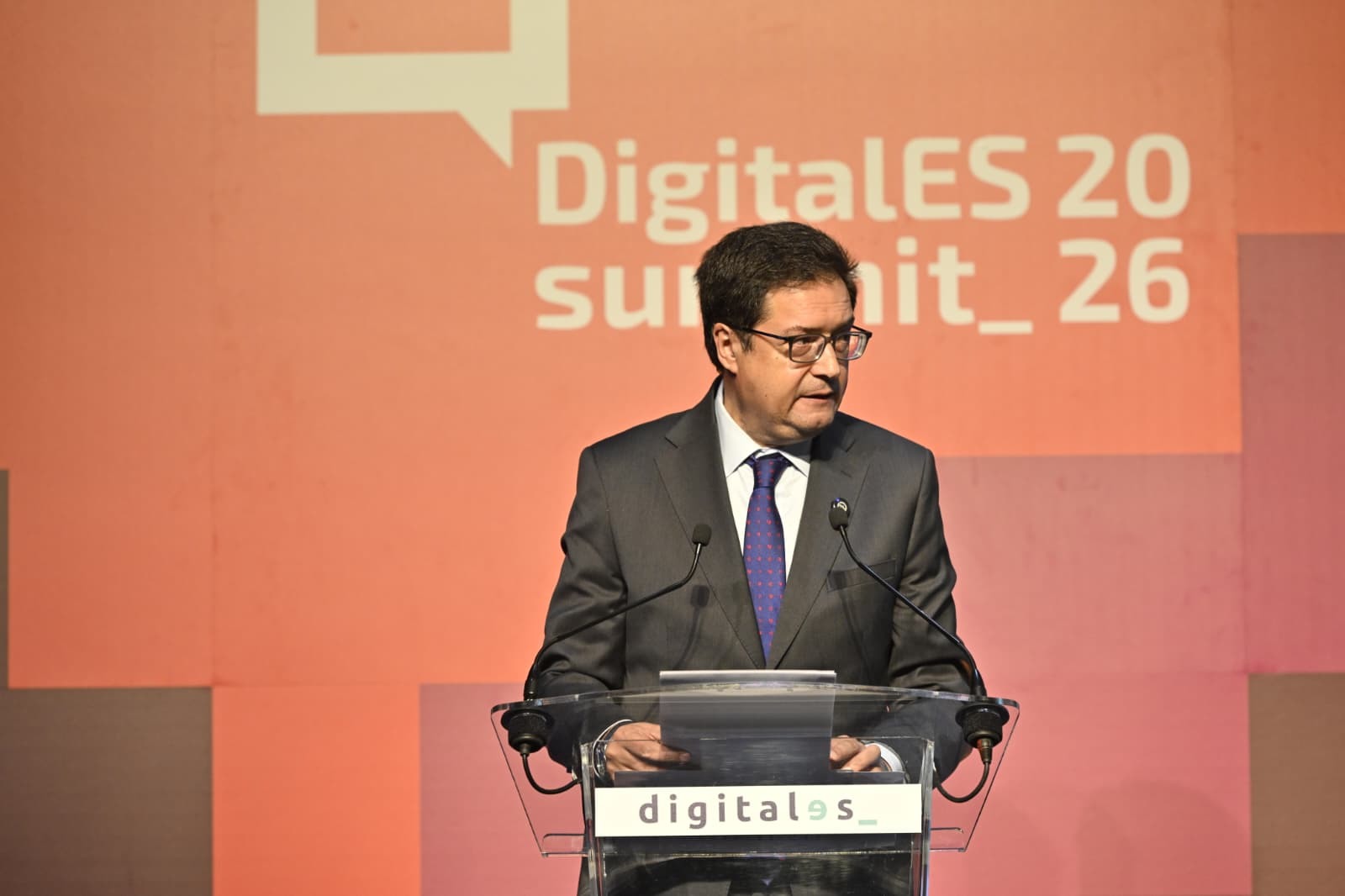
El Gobierno obligará a las operadoras a mantener la cobertura al menos cuatro horas en caso de apagón La normativa se incluirá en un real decreto previsto para antes de que termine el año y se aplicará de forma gradual hasta cubrir al menos al 75 de la poblaciónEspaña invierte otros 300 millones de euros para conseguir la ansiada gigafactoría europea de IA El Gobierno exigirá a las compañías de telecomunicaciones una garantía de al menos cuatro horas de cobertura móvil para el 75 de la población española en caso de apagón. Así lo ha anunciado este jueves el ministro para la Transformación Digital y de la Función Pública, Óscar López, durante el encuentro DigitalES Summit, organizado por una de las principales patronales de las empresas de tecnología y telecomunicaciones. La medida formará parte del Real Decreto de Seguridad y Resiliencia de las redes y servicios de comunicaciones electrónicas y determinadas infraestructuras digitales, que está preparando su Ministerio, y cuyo texto definitivo se espera para antes de que concluya este año 2026. Según ha explicado López, las normas del Real Decreto entrarán en vigor de manera paulatina para facilitar que las operadoras instalen las baterías de respaldo necesarias progresivamente. Durante el primer año de vigencia, las compañías tendrán la obligación de contar con baterías para mantener la señal móvil durante cuatro horas para, al menos, la mitad de la población del país. En el segundo año, ese porcentaje mínimo aumentará al 65, llegando al 75 final durante el tercero. El Ejecutivo y las telecos llevan un año negociando cómo asegurar la cobertura móvil durante el máximo tiempo posible en caso de un apagón como el de 2025. En este sentido, las operadoras han expresado los problemas de masificar el uso de baterías en las antenas e instalaciones de red, debido al peso (muchas están colocadas en tejados de edificios) y a los posibles robos en zonas rurales menos transitadas. Finalmente, la normativa establecerá obligaciones diferenciadas según el nivel estratégico de la instalación, ha informado el ministro. Las infraestructuras de nivel intermedio, como los centros de gestión cuyo fallo afecte a varias comunidades autónomas, tendrán que permanecer operativas un mínimo de 12 horas en caso de fallo del suministro eléctrico. Los centros de control esenciales de primer nivel, que concentran la inteligencia centralizada de las redes y donde un fallo afectaría a todo el país, deberán asegurar una autonomía de funcionamiento de al menos 24 horas. López ha especificado a su vez que el Real Decreto contendrá medidas especiales sobre las comunicaciones de emergencia de los centros del 112 y las alertas públicas. Las compañías que provean la red de estos servicios estarán obligadas a confeccionar planes de seguridad y a disponer de estrategias de redundancia, como sistemas que combinen el uso de redes fijas y móviles para evitar la caída total. Estas medidas afectarán a los operadores en España y a los gestores de infraestructuras digitales como cables submarinos, satélites, centros de datos y puntos de intercambio de internet que cuenten con más de medio millón de usuarios o superen los 50 millones de euros en ingresos. La regulación se extenderá a operadores críticos y servicios de emergencia, quedando excluidas las redes vinculadas con la Defensa y la Seguridad Nacional.
eldiario.es · 2 months ago
Türkiye targets 80 recycling rate by 2053, says COP31 president Environment and Climate Change Minister Murat Kurum said Türkiye aims to raise its recycling rate from the current 37 to 80 by 2053 as part of its circular economy goals, announcing new restrictions on single-use plastics and a deposit return system set to launch next month ahead of the COP31 summit in Antalya.
yenisafak · 2 months ago
Regeringen: Statligt stöd för ny kärnkraft
svenska dagbladet · 2 months ago
Mitt i hettan: Krav på färre insatser för klimatet Rekordhettan ligger som ett grytlock över EU:s miljöministermöte i Luxemburg.Ändå ropar många länder på färre – inte fler – insatser för klimatet.
svenska dagbladet · 2 months ago
Komt er een uitzendverbod in de vleessector? Het is een spannende tijd voor de Nederlandse vleesindustrie. Minister Hans Vijlbrief (Sociale Zaken, D66) neemt voor het zomerreces een besluit: komt er een uitzendverbod voor de vleessector, of niet? Het hangt er vooral van af of de vleesindustrie de afgelopen jaren genoeg verbetering heeft laten zien op dat vlak.
nrc · 2 months ago
Holzleitner stellt Unis „moderates Plus in Aussicht Bei einem Treffen mit der Vorsitzenden der Universitätenkonferenz hat Wissenschaftsministerin Eva-Maria Holzleitner dazu aufgefordert, gemeinsam an den zentralen Themen des Uni-Standorts zu arbeiten.
die presse · 2 months ago