
Serbian President resigns amid months of protests, paving way for snap elections
Story Timeline
8 hours · 2 summary articles
Serbian President resigns amid months of protests, paving way for snap elections
revised 2×Serbian President resigns amid months of protests, paving way for snap elections
Continuationrevised 2×
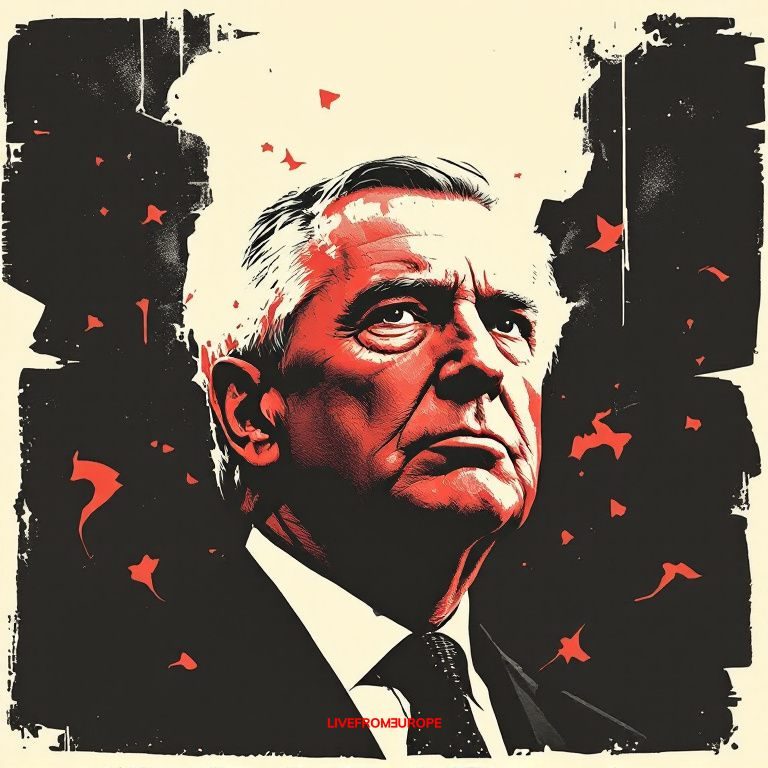
Serbian President Aleksandar Vučić announced on Sunday that he will resign within weeks, bowing to 18 months of sustained anti-government protests led by students and opposition groups. The move clears the way for snap presidential and parliamentary elections, a concession that ends a prolonged political crisis but leaves Vučić’s future role uncertain.
Vučić, who has dominated Serbian politics for 13 years as prime minister and president, told supporters in Belgrade on Saturday that he would step down “in the coming weeks,” triggering early elections that could see him return as prime minister at the head of a new party list, *Serbia United* . The announcement follows months of mass demonstrations over corruption, economic stagnation, and authoritarian governance, which intensified after student-led protests turned violent in multiple cities.
International observers and domestic critics have long accused Vučić of eroding democratic institutions, a charge he has consistently denied. His resignation marks the first time he has yielded to public pressure since protests began in November 2024 [2024-11]. Analysts suggest the move may be tactical, allowing him to sidestep further erosion of his authority while positioning himself to regain power through elections. “This is not a retreat, but a strategic repositioning,” political commentator Srdjan Cvijić told *DW* .
The protests, which have drawn hundreds of thousands into the streets, gained momentum after Vučić’s government was accused of suppressing media freedom and manipulating electoral processes. Opposition leader Savo Manojlović welcomed the announcement as a “victory for democracy,” but cautioned that Vučić’s continued influence could undermine genuine reform .
Vučić’s decision comes as Serbia faces mounting pressure from the European Union to address rule-of-law concerns. EU officials have repeatedly linked progress in accession talks to democratic reforms, a linkage Vučić has resisted. His resignation may ease tensions, but the elections—expected within months—will test whether Serbia’s political landscape can truly shift toward pluralism.
In a related development, Argentina’s embattled chief of cabinet, Manuel Adorni, resigned on Saturday after a corruption scandal exposed undeclared assets worth $500,000. Adorni, a key ally of President Javier Milei, admitted to concealing wealth and faced calls for his removal amid legislative investigations. His departure underscores the broader regional challenge of governance amid allegations of financial misconduct .
Follow us for live European news
- 4
- 2
- 2
- 1
- 1
- 1
- 1
- 1
- 1
- 1
- 1
- 1
- 1
- 1
3 further sources not geolocated
Articles

Srbský prezident potvrdil priateľstvo s Ruskom a Čínou, no sľubuje plniť záväzky voči EÚ Srbský prezident na podujatí v Belehrade uistil, že Srbsko zostane na európskej ceste, no neotočí sa chrbtom Rusku ani Číne. Zároveň pripustil urýchlenie reforiem pre vstup do Únie.
aktuality.sk · about 3 hours ago

Serbian President Vucic says he will resign within weeks amid student-led protests #Europe
mastodon bot · about 3 hours ago
Lemondott a skótok szövetségi kapitánya, amikor kiderült, hogy nem jutottak tovább A Tartan Army csomagolhat.
444.hu · about 3 hours ago
Na anderhalf jaar protest stapt Servische president toch op De Servische president Aleksandar Vučić heeft vervroegde verkiezingen aangekondigd en stapt op. Daarmee lijkt hij toe te geven aan de belangrijkste eis van de demonstranten die al ruim anderhalf jaar protesteren tegen zijn regering. Of Vučić rol in de Servische politiek daarmee ook is uitgespeeld, is nog onzeker.
rtl nieuws · about 3 hours ago
Chefe de gabinete de Javier Milei demite-se após suspeitas de corrupção Manuel Adorni publicou nas redes sociais a carta de demissão que enviou ao Presidente da Argentina. Investigação aberta após denúncia de enriquecimento ilícito e branqueamento de capitais.
publico · about 3 hours ago
Bald Neuwahlen in Serbien?: Präsident Vucic kündigt taktischen Rücktritt an Mit dem vorgezogenen Abgang verkürzt Vucic seine Amtszeit. Bei einer vorgezogenen Parlamentswahl könnte er dadurch als Spitzenkandidat antreten. mehr...
taz.de · about 4 hours ago

Chefe de gabinete do líder da Argentina demite-se "Pela primeira vez desde 10 de dezembro de 2023, estou a ir contra os vossos desejos", escreveu Adorni na carta de demissão que enviou a Milei.
observador · about 4 hours ago
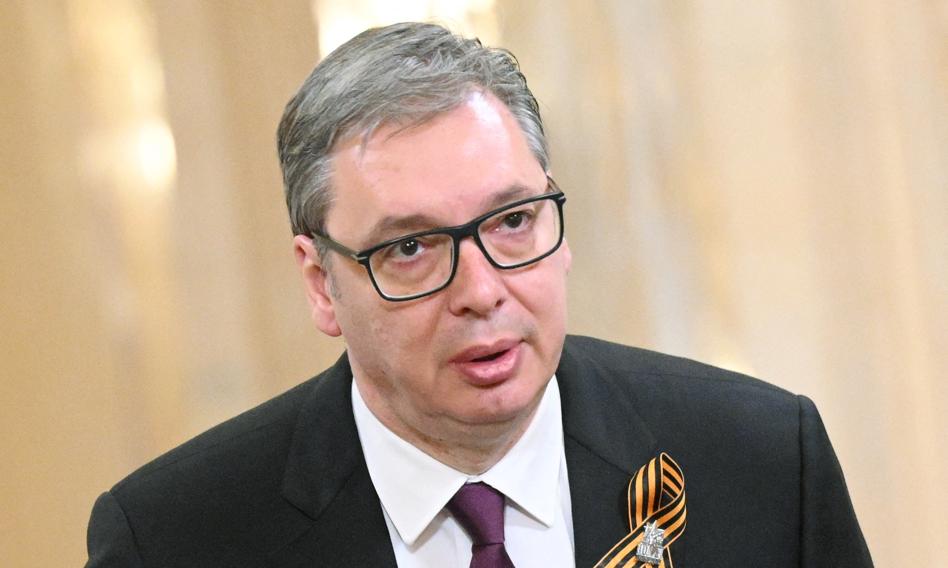
Prezydent Serbii ogłosił , że odchodzi . To moje ostatnie tygodnie
gdelt bot · about 4 hours ago

Vučić annuncia dimissioni e si candida premier guidando la nuova lista Serbia Unita
gdelt bot · about 4 hours ago
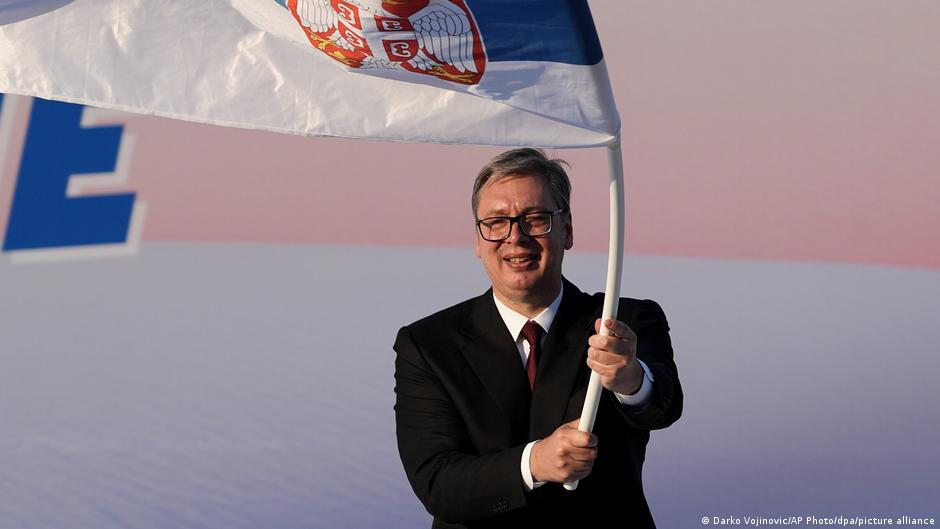
Serbiens Präsident Vucic will zurücktreten
gdelt bot · about 4 hours ago

Argentine: démission du chef du cabinet des ministres pris dans un scandale Le chef du cabinet des ministres argentin, Manuel Adorni, a présenté sa démission au président Javier Milei samedi, acculé après avoir admis il y a deux semaines avoir menti dans sa déclaration de patrimoine. ...
la libre · about 5 hours ago
Serbia president Aleksandar Vučić lubas mõne nädala jooksul tagasi astuda Serbias tosin aastat peaministri ja presidendina võimul olnud Aleksandar Vučić teatas eile, et astub riigipea ametist tagasi mõne nädala jooksul ning 18 kuud järjest valitsusvastastest meeleavaldustest haaratud riigis korraldatakse ennetähtaegsed presidendi- ja parlamendivalimised.
postimees · about 5 hours ago
Aleksandar Vučič oznámil plánované odstúpenie z funkcie srbského prezidenta Srbský prezident Aleksandar Vučič oznámil, že o pár týždňov odstúpi z funkcie. Otvára si tak cestu k možnému návratu do čela vlády ako premiér.
aktuality.sk · about 6 hours ago
Vucic: These are my last Days as President of Serbia The President of Serbia, Aleksandar Vučić, said on Saturday that his last days as the President of the Republic of Serbia are ahead of him. For me, this is the last time that I will address you in this number, I will probably never have the opportunity to speak in front of this number of […] The post Vucic: These are my last Days as President of Serbia appeared first on Sarajevo Times.
sarajevo times · about 7 hours ago
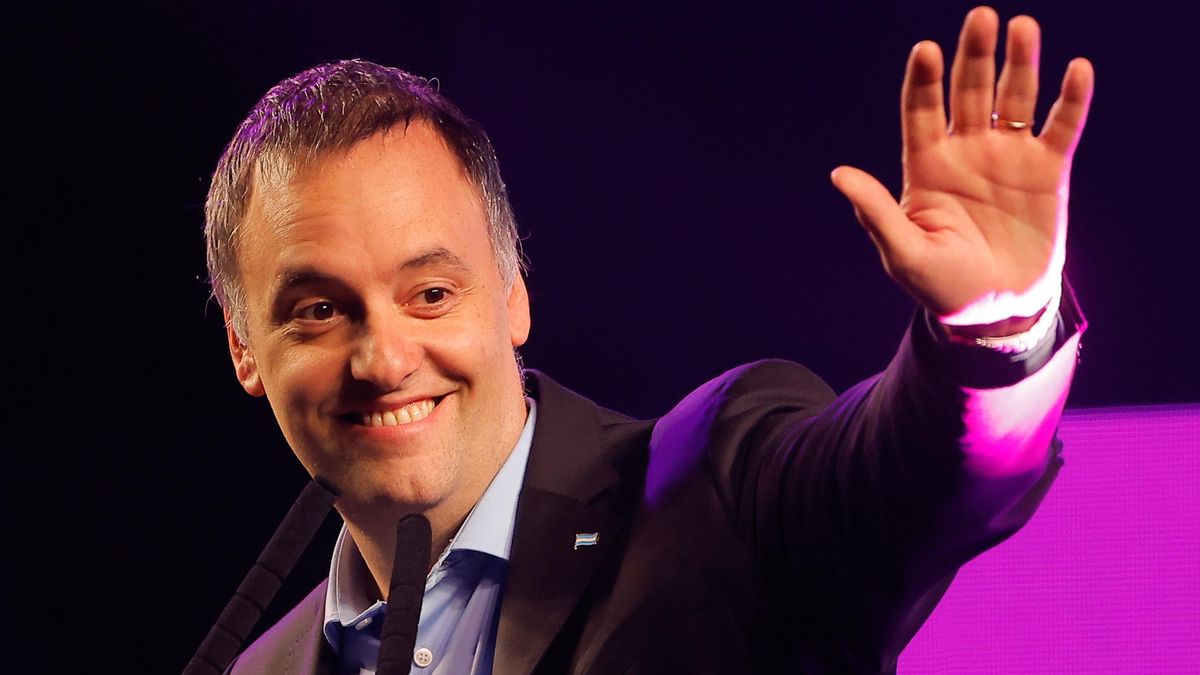
El jefe de Gabinete de Milei cae tras meses de escándalos de corrupción Manuel Adorni renuncia después de las revelaciones periodísticas y judiciales sobre los irregulares gastos del exportavoz presidencial. Sus ambiguas declaraciones juradas terminaron por horadar la credibilidad del ahora exjefe de ministros de ArgentinaLas delirantes explicaciones del jefe de Gabinete de Milei sobre los 500.000 dólares que tenía sin declarar Después de 112 días de ocupar el centro de la escena política por escándalos asociados a su fortuna, el jefe de Gabinete de Javier Milei se vio forzado a renunciar. Manuel Adorni, imputado por enriquecimiento ilícito, anunció su decisión tras reunirse con el presidente ultraderechista en la Quinta de Olivos, ubicada al norte de la ciudad de Buenos Aires. Lo que comenzó como una controversia alrededor del patrimonio de Adorni terminó convirtiéndose en la peor crisis que atravesó al Gobierno argentino durante meses. Las revelaciones periodísticas y judiciales sobre los irregulares gastos del exportavoz presidencial y sus ambiguas declaraciones juradas terminaron por horadar la credibilidad del ahora exjefe de ministros. La última e insólita explicación que ofreció Adorni para justificar el crecimiento de su patrimonio fue que encontró un pendrive con 500.000 dólares en Bitcoin. Yo soy coleccionista de computadoras y cosas viejas. Más allá de que la ganancia era importante, me lo guardé como un trofeo, argumentó en una entrevista televisiva previo a presentar su última declaración jurada. La victimización Apenas regresado de una efímera gira por España para presentarse en foros económicos privados, el mandatario argentino se reunió con Adorni en la Quinta de Olivos cuando ya la salida de su jefe de Gabinete se anticipaba por los medios y se daba a conocer al reemplazante: Diego Santilli, el actual ministro del Interior. Desde hace 25 años Santilli trabaja cerca de Mauricio Macri, el exmandatario y líder del PRO, hoy un aliado zigzagueante de Milei. El ensañamiento tiene un límite y yo he descubierto el mío. Lo hemos dado todo desde lo estrictamente laboral, pero también desde lo familiar y espiritual. Tal vez simplemente ocurre que a la gente común no le permiten estar en estos lugares, fue la explicación que dio el ahora exfuncionario en la publicación de su carta en X. Karina Milei, Secretaria General de la Presidencia, replicó el comunicado y le agradeció por su tiempo en el Gobierno: Gracias por tu incansable trabajo durante todo este tiempo y por defender las ideas de la libertad con una pasión y un compromiso que pocas veces se ven. Sos una persona íntegra, valiosa y muy querida por todos nosotros. En su carta de renuncia, Adorni buscó ampararse en una supuesta persecución mediática para explicar los gastos exuberantes durante el tiempo que fue funcionario, desde diciembre de 2023. Ubicándose en el lugar de víctima, señaló: Usted sabe todo lo que he sufrido durante todo este tiempo. Los interminables ataques mediáticos que he soportado me han llevado a tener que pedirle que esta vez me acompañe, para poder cerrar este ciclo en pos de protegerme a mí y a mi familia. Las operaciones mediáticas han ido al extremo, no solo contra mí, sino contra mi mujer, mis pequeños hijos, mis amigos, mi familia y hasta mis vecinos y allegados. El costo político y el juego de las internas El analista político Pablo Javier Salinas señala a elDiario.es que el Ejecutivo actuó durante 112 días como el fusible de Adorni: El jefe de Gabinete tiene que ser un fusible de un gobierno y, en este caso, el Gobierno de Milei actuó de fusible de Adorni, totalmente al revés. Esta decisión se tendría que haber tomado mucho tiempo antes, y no se hizo, dañando su imagen. Y, por otra parte, ¿el poder dónde reside?, ¿en el presidente o en su entorno? Se elige comunicar la renuncia con la vuelta del mandatario de España, con todo ya resuelto. Me parece llamativo. La crónica de una salida anunciada comenzó a escribirse cuando Adorni admitió que había mantenido durante años parte de sus ahorros sin declarar; es decir, evadiendo al fisco. La revelación dio lugar a una investigación judicial por presunto enriquecimiento ilícito y el asunto copó la agenda política del país, y su cobertura incluyó también a medios de comunicación y periodistas afines al oficialismo. Mientras la oposición convirtió el caso en el eje de su estrategia en el Congreso, dentro del Gobierno prevaleció la postura de los hermanos Milei, quienes sostenían que cualquier salida bajo presión sería interpretada como un traspié político. Para el experto Salinas, se empezaban a cerrar los caminos para Adorni. Había señales muy claras de genar tiempo en el Congreso, pero el final ya estaba escrito. Iba a haber una interpelación o una votación de censura probablemente en contra de los intereses del Gobierno. Creo que el frente judicial va a traer más novedades en el corto plazo que nos van a hacer entender por qué la decisión se toma ahora. Durante meses, Milei rechazó la idea de que el Parlamento pudiera decidir el futuro de su jefe de ministros y desplegó maniobras para impedir que una interpelación o una moción de censura precipitaran su caída. El oficialismo consiguió bloquear la semana pasada una sesión especial en la Cámara de Diputados, pero el desgaste político continuó y dejó al desnudo las internas entre los libertarios. Apenas conocida la renuncia, la senadora Patricia Bullrich, en tensa convivencia con Milei, publicó: La confianza y la ética son dos elementos fundamentales para profundizar el cambio que el Presidente, la gente y todo el país estamos construyendo. Una pista sobre qué hará el Gobierno en relación con Adorni de aquí en adelante la brinda el derrotero de su predecesor en el cargo, Guillermo Francos, quien quedó como director de YPF. Adorni, que ya es director de la petrolera estatal y no cobra un sueldo como tal, acaso podría simplemente empezar a percibir esos honorarios.
eldiario.es · about 7 hours ago
Vučić schimbă regulile jocului politic din Serbia: demisia care ar putea să-l mențină la putere La Belgrad, puțini au privit discursul lui Aleksandar Vučić ca pe o simplă declarație de retragere.
adevarul · about 7 hours ago

Kabinettschef und Milei-Vertrauter trat nach Skandal zurück Dem Kabinettschef von Präsident Javier Milei wird unrechtmäßige Bereicherung vorgeworfen – gegen ihn wird nun ermittelt
der standard · about 8 hours ago
Anunț neașteptat din Serbia: Vucic, președintele Serbiei anunță că va demisiona în curând, într-un cadru în care nimeni nu se aștepta Președintele sârb Aleksandar Vucic le-a transmis sâmbătă susținătorilor săi că va demisiona în curând și că în țară vor avea loc alegeri prezidențiale și parlamentare anticipate, potrivit Reuters. Anunțul lui Vucic, aflat la putere de 13 ani, a venit după aproximativ un an și jumătate de proteste anticorupție conduse de studenți. Manifestațiile, uneori violente, au …
hotnews.ro · about 9 hours ago

Serbian President Aleksandar #Vucic said on June 27 that he would resign from his position within weeks, after which the country will hold special elections. #Russia #Serbia
mastodon bot · about 12 hours ago
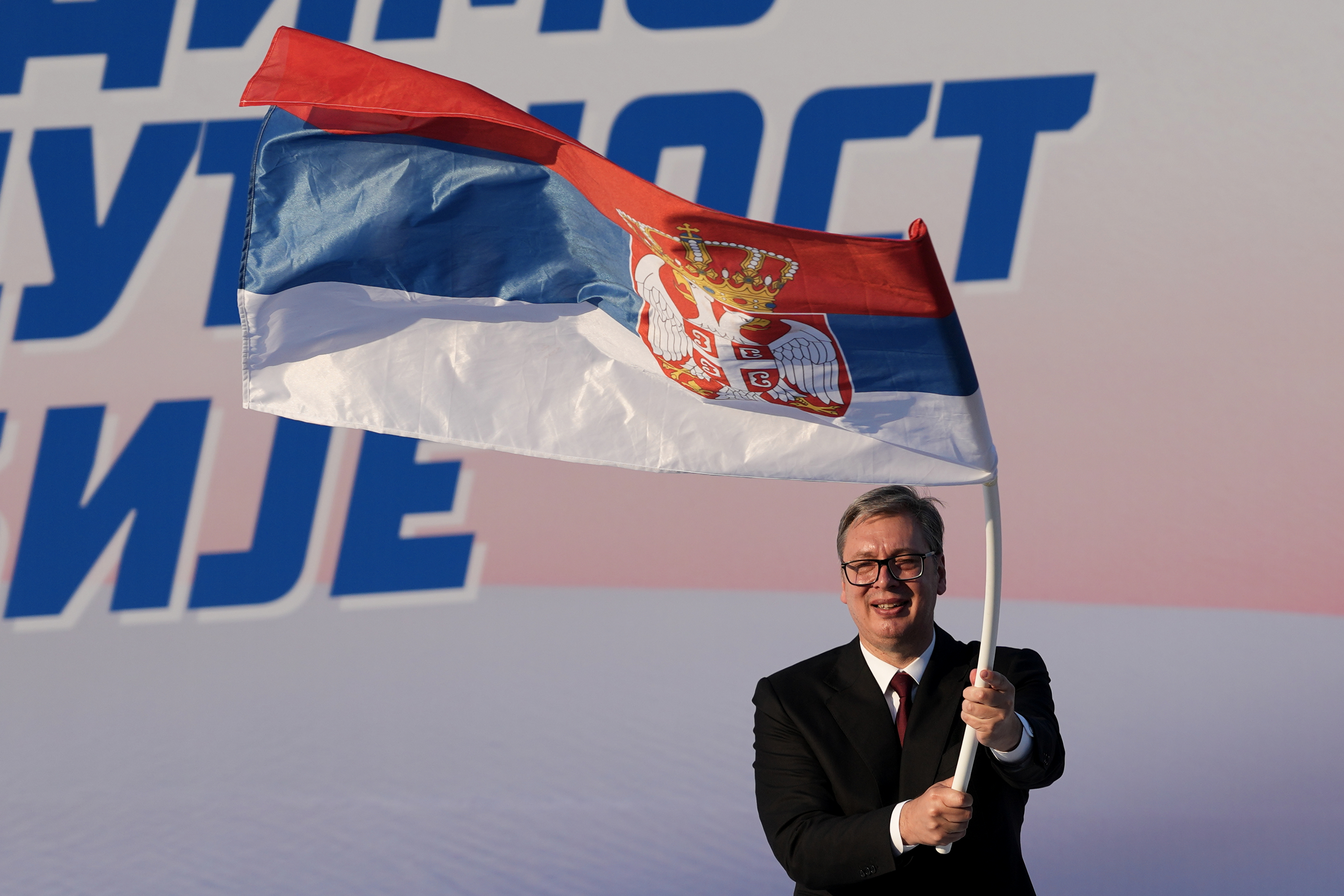
Serbia President Vucic says he will resign - Los Angeles Times
gdelt bot · about 12 hours ago
Serbian President Vučić says he will resign within weeks His announcement came amid persistent student-led anti-corruption demonstrations.
politico.eu · about 15 hours ago

Serbiens Präsident kündigt Rücktritt an – sein politisches Ende bedeutet das aber wohl nicht Der umstrittene serbische Präsident Aleksandar Vucic will in wenigen Wochen zurücktreten. Doch es gibt wohl schon einen Plan, um an der Macht zu bleiben – trotz Druck durch eine massive Protestbewegung im Land.
welt.de · about 16 hours ago

Vucic announces he will leave the Presidency of Serbia in a few weeks #Europe
mastodon bot · about 16 hours ago
Serbia: Vucic announced his resignation, will likely call for early general elections Serbian President Aleksandar Vucic announced his resignation today, during the large rally of his supporters in Belgrade, and will likely seek a term as Prime Minister. This is probably the last time I address you as President of Serbia. I have served my country for 14 years. I love Serbia more than anything and I […] The post Serbia: Vucic announced his resignation, will likely call for early general elections appeared first on Republika English.
republika macedonia · about 16 hours ago
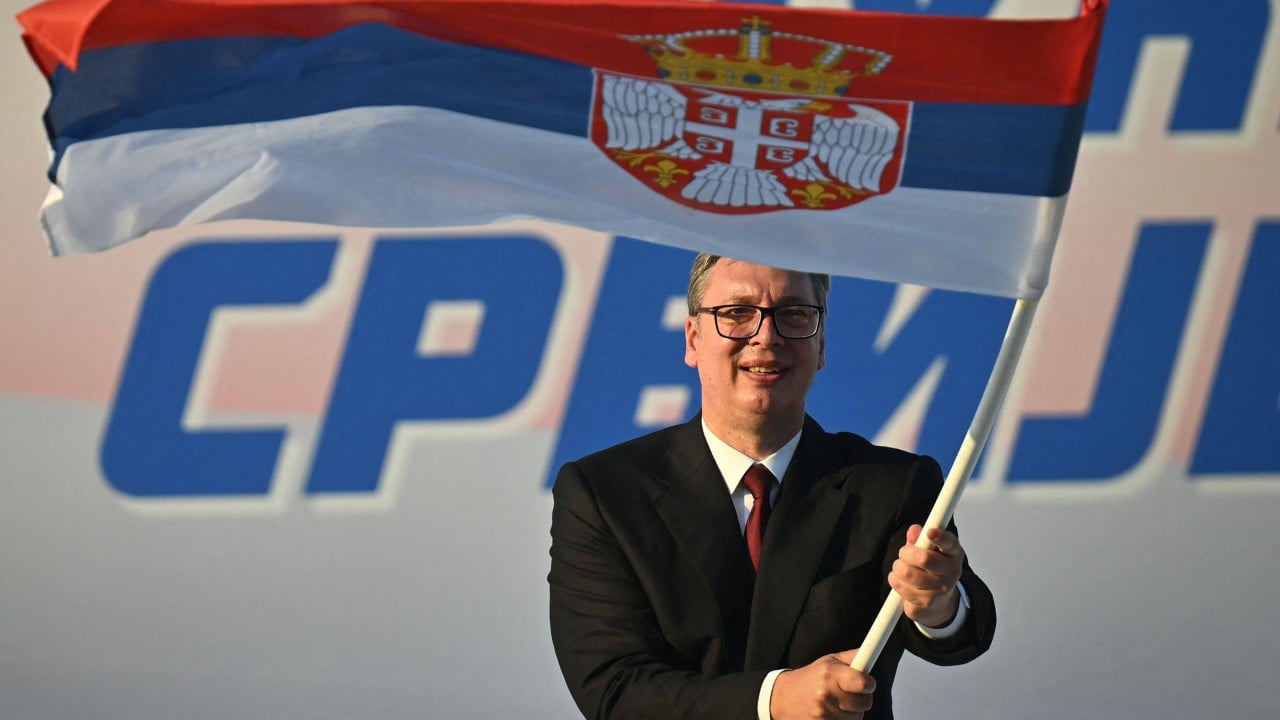
Serbias President Vucic says hell resign within weeks, amid student protests Serbias populist President Aleksandar Vucic said on Saturday that he would resign his post within weeks, paving the way for early elections following youth-led protests that shook his tight grip on power. Vucic did not specify exactly when he would resign or when an election, either for parliament or for a new president, could be held. He has said in the past that he could leave the post amid speculation that he would try to switch to the formally more powerful position of prime minister of the...
south china morning post · about 16 hours ago
Serbian President Vucic says he will resign within weeks Serbias populist president Aleksandar Vucic, under pressure after months of anti-government protests, said on Saturday he will resign within weeks and the country will hold early presidential and…
japantoday · about 16 hours ago

After massive anti-corruption demonstrations: Serbian President Vučić announces resignation #DE #Deutsch #Deutschsprechenden #Europe
mastodon bot · about 17 hours ago
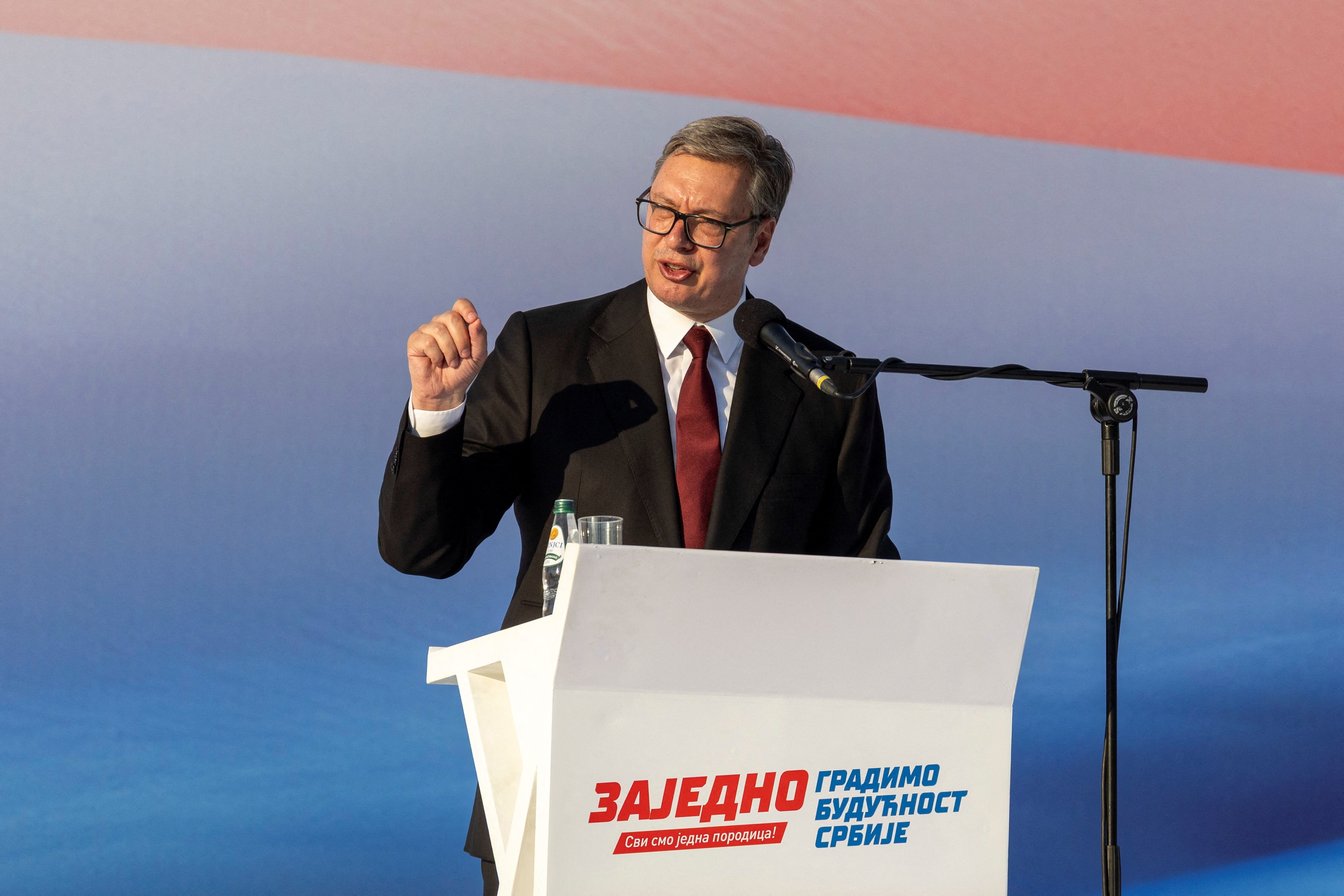
El presidente de Serbia , Aleksandar Vucic , anunció que renunciará en unas semanas en medio de la creciente crisis
gdelt bot · about 17 hours ago
Wahlkampf ohne Wahltermin: Serbiens Präsident Vucic kündigt taktischen Rücktritt an Mit dem vorgezogenen Abgang verkürzt er seine Amtszeit um wenige Monate. Bei einer vorgezogenen Parlamentswahl könnte Vucic dann als Spitzenkandidat der Regierungspartei antreten.
tagesspiegel · about 17 hours ago
Aleksandar Vucic: Serbiens Präsident kündigt Rücktritt an – Wechsel zu Regierungschef erwartet Aleksandar Vucic bestimmt seit 12 Jahren als Präsident oder Ministerpräsident die Geschicke Serbiens. Nun soll seine Zeit enden – wann genau, ist bisher unklar.
handelsblatt · about 17 hours ago