
Iran bars IAEA inspectors from war-damaged nuclear sites, deepening standoff

Story Timeline
3 months · 10 summary articles
Iran bars IAEA inspectors from war-damaged nuclear sites, deepening standoff with Washington
Tehran has formally barred International Atomic Energy Agency inspectors from accessing nuclear facilities damaged during recent US and Israeli strikes, the Iranian Foreign Ministry announced on Tuesday, directly contradicting claims by US Vice-President JD Vance that inspections could begin “as soon as this week.” Speaking at a press conference in Tehran, ministry spokesman Esmail Baghaei stated there was “no plan” to allow IAEA visits to any sites struck during the conflict, including the Fordow uranium enrichment plant and the Natanz fuel enrichment complex. “These facilities remain under Iranian sovereignty and will not be opened to foreign inspectors,” Baghaei said, according to multiple regional outlets .
The announcement came as Iran’s President arrived in Islamabad for talks with Pakistani officials, amid reports that Washington and Tehran had agreed to unlock $12 billion in frozen funds as part of indirect negotiations hosted in Switzerland. However, Baghaei explicitly ruled out any linkage between sanctions relief and IAEA access, saying Tehran would not negotiate its missile programme or permit inspections of damaged nuclear infrastructure. “Iran’s missile capabilities were never on the table in talks with the United States,” he told reporters, adding that the Islamic Republic would maintain control over the Strait of Hormuz .
The refusal to allow IAEA inspectors follows weeks of escalating strikes on Iranian nuclear and military sites, including a May 2026 attack on the Isfahan uranium conversion facility and repeated Israeli raids on air-defence systems near Natanz. The IAEA had previously urged Iran to permit “urgent, technically focused” visits to assess safety and verify the absence of undeclared activities at damaged plants. On Tuesday, the agency reiterated its call for “immediate, unconditional access,” warning that continued obstruction risked further diplomatic isolation .
Western diplomats in Vienna described the Iranian move as a deliberate escalation, noting that it coincided with renewed criticism from former US President Donald Trump of European NATO allies for failing to support Washington’s military posture against Tehran. NATO Secretary-General Mark Rutte is scheduled to meet Trump in Washington on Wednesday, where the standoff over inspections is expected to dominate discussions. Meanwhile, Iranian officials have asserted control over the Strait of Hormuz, a critical oil chokepoint, raising concerns about further regional disruption .
With no immediate pathway to renewed inspections, the IAEA Board of Governors is poised to convene an emergency session later this week to consider further measures, including a possible referral to the UN Security Council.
Follow us for live European news
- 3
- 1
- 1
- 1
- 1
- 1
- 1
- 1
Articles

Irão desmente visita da Agência de Energia Atómica ao país Irão negou a realização de uma visita de inspetores da Agência Internacional de Energia Atómica
observador · 2 months ago

Írán nepustí mezinárodní kontrolory do svých jaderných zařízení poničených válkou Teherán nepovolí inspektorům Mezinárodní agentury pro atomovou energii (MAAE) návštěvu jaderných zařízení poškozených americko-izraelskými údery. Na tiskové konferenci to dnes podle agentury AFP řekl ...
respekt · 2 months ago
+++ Iran-Krieg +++: Iran will IAEA-Inspektoren nicht in beschädigte Atomanlagen lassen Iranischer Präsident reist für Verhandlungen nach Pakistan +++ Trump kritisiert vor Rutte-Besuch europäische Nato-Partner +++ Iran: Straße von Hormus unter Kontrolle +++ Der Newsblog.
handelsblatt · 2 months ago
Iran excludes missile program from US talks, bars IAEA inspections Irans Foreign Ministry announced Tuesday that Tehrans missile capabilities were never on the table during negotiations with Washington in Switzerland and explicitly ruled out granting International Atomic Energy Agency inspectors access to nuclear facilities damaged during the recent conflict with the US and Israel.
yenisafak · 2 months ago
Iranul nu intenţionează să permită AIEA să inspecteze instalaţiile bombardate. „Nu există vreun plan Iranul nu are intenţia de a permite Agenţiei Internaţionale pentru Energie Atomică (AIEA) să inspecteze instalaţiile bombardate de Israel şi SUA, a declarat marţi purtătorul de cuvânt al Ministerul de Externe iranian, Esmail Baghaei.
digi24 · 2 months ago
Guerra Iran, news– Netanyahu: Grazie a Usa ma voglio autonomia armamenti. Con Teheran non è finita Teheran: Non permetteremo agli ispettori Aiea di visitare i siti nucleari. Ghalibaf: Hormuz sarà gestito da noi. Media: Accordo Iran-Usa, sbloccati 12 miliardi di fondi congelati. Colloqui di pace, istituiti gruppi di lavoro su nucleare e sanzioni
corriere · 2 months ago
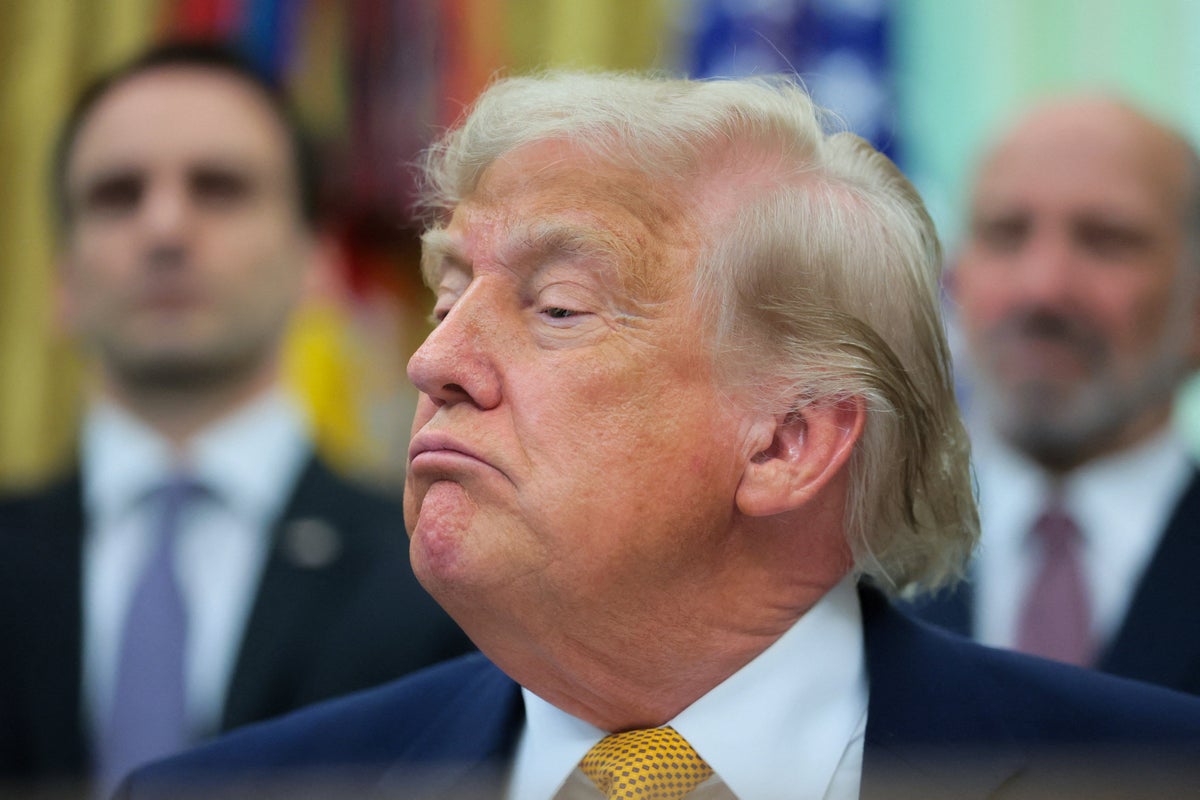
Iran-US war latest: Trump claims Tehran has agreed to nuclear inspections for infinity despite Irans denial Iran has denied that it has agreed to the inspections and warned against exaggerations
independent · 2 months ago
Το Ιράν λέει ότι δεν πρόκειται να επιτρέψει στην IAEA να επιθεωρήσει τις πυρηνικές του εγκαταστάσεις
protothema · 2 months ago
Τραμπ: Διεθνείς επιθεωρητές θα επιθεωρούν επ αόριστον τα πυρηνικά του Ιράν, 19 εκατ. βαρέλια πετρελαίου πέρασαν χθες το Ορμούζ
protothema · 2 months ago
Irankrieg: Iran weist US-Aussagen zu IAEA und Vermögen zurück Der Iran hat den USA erneut widersprochen: Es seien keine IAEA-Inspektionen geplant. Zudem bekräftigte der Iran seine Kontrolle über freigegebenes Vermögen. Das Liveblog
die zeit · 2 months ago
Krieg in Nahost: Iran: Werden IAEA-Inspektoren nicht in beschädigte Atomanlagen lassen Damit widerspricht das Regime Behauptungen von US-Vize Vance. Vor dem Besuch von Nato-Generalsekretär Rutte kritisiert Trump erneut, dass die Europäer ihn im Krieg gegen Iran nicht unterstützt haben.
sueddeutsche · 2 months ago
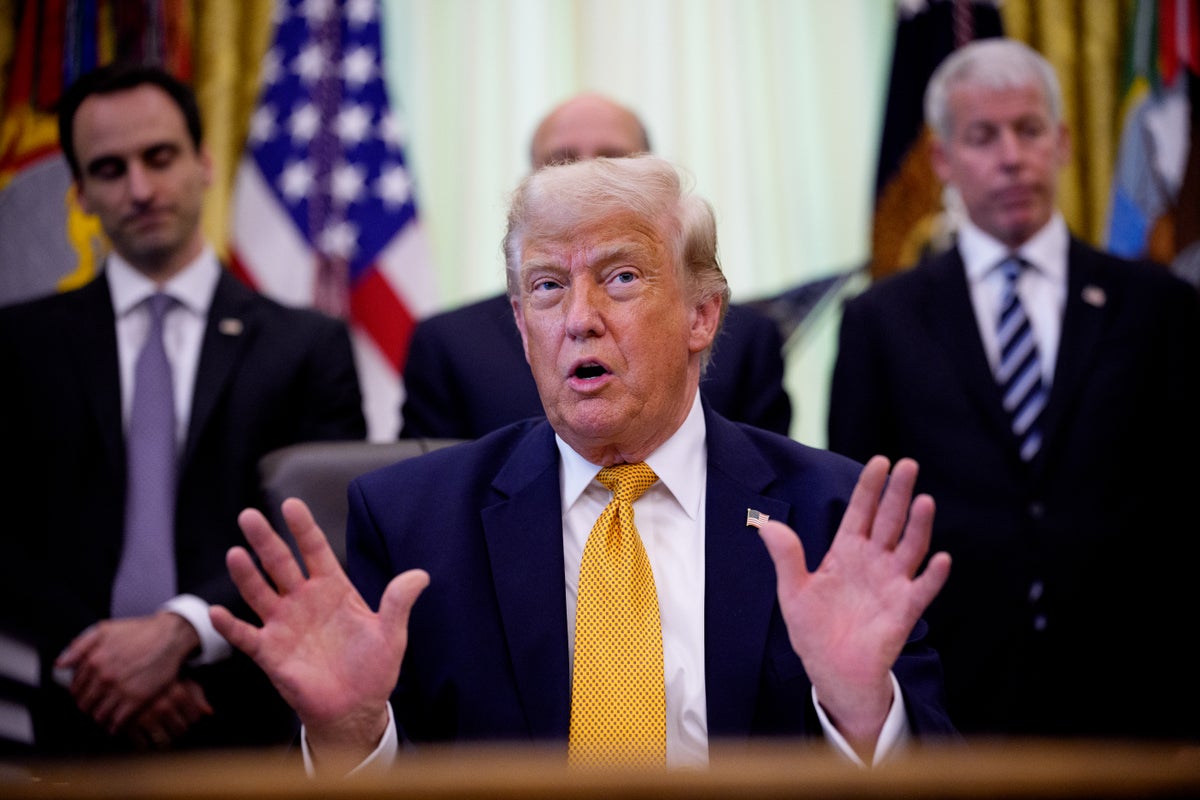
Iran-US war latest: Peace talks hit another hurdle as Tehran denies Vances claim it will allow nuclear inspections JD Vance had insisted that the inspection process could start as soon as this week
independent · 2 months ago