 Sunday, June 21Sunday, June 21
23 days · 11 summary articles
Historic US-Iran talks in Switzerland begin as Strait of Hormuz remains shut and Lebanon ceasefire teeters
ZURICH — Direct negotiations between the United States and Iran opened in Switzerland on Sunday, marking the first high-level talks since April as Tehran’s closure of the Strait of Hormuz and escalating violence in Lebanon cast a shadow over efforts to secure a lasting peace.
Vice President J.D. Vance arrived in Bürgenstock on Sunday morning, leading a senior American delegation that included White House envoys Steve Witkoff and Jared Kushner. The talks, held at a luxury ski resort near Lake Lucerne, aim to finalize a 60-day framework for ending the Iran-US war, with the immediate focus on de-escalating the Israeli-Hezbollah conflict in Lebanon. “We already made progress in the last several hours, and I expect we will make additional progress in the hours to come,” Vance told reporters .
The negotiations unfolded against a backdrop of heightened tensions. Iran has kept the Strait of Hormuz closed since Saturday, accusing Israel of violating a fragile ceasefire in Lebanon with continued airstrikes. The closure has trapped thousands of sailors in the strategic waterway, with reports of vessels dodging drones and rationing food . Meanwhile, sporadic fighting in southern Lebanon—where Hezbollah claims dozens of its fighters may be trapped in tunnels following an Israeli offensive—threatens to derail the talks before they gain momentum .
Iran’s delegation, led by Speaker of Parliament Mohammad-Bagher Ghalibaf and Foreign Minister Abbas Araghchi, has insisted that the Lebanese ceasefire be the top priority. A Foreign Ministry spokesperson told Iranian state media that the talks would also address US commitments to waive oil sanctions and unfreeze Iranian funds . In return, the US seeks Iranian consent for UN inspectors to access nuclear sites bombed by both countries last year, with Washington reportedly prepared to release $6 billion in frozen Qatari funds for humanitarian use .
The stakes are high. President Donald Trump has escalated rhetoric, warning Iran of “very hard” strikes if Hezbollah continues attacks and threatening to “take over” Iran if the Strait of Hormuz remains closed . Israeli officials, meanwhile, have faced criticism for failing to curb Hezbollah, with Trump’s advisers reportedly viewing Israel’s Lebanon campaign as an attempt to sabotage ceasefire efforts .
Vance acknowledged the fragility of the situation but struck an optimistic tone, stating that Secretary of State Marco Rubio is managing de-escalation efforts in Lebanon. “Despite the headlines, things are actually getting better there, and things are slowing down a little bit,” he said . Yet with Iran’s Hormuz closure persisting and ceasefire violations in Lebanon recurring within hours of announcements, the path to a durable agreement remains precarious.
1 further source not geolocated

Why Lebanon may make or break the Iran-US deal Israeli escalation in Lebanon threatens to undermine agreement between Tehran and Washington, analysts say.
aljazeera · about 2 hours ago
#BREAKING - President Donald Trump threatens Iran on Truth Social Iran must immediately stop their highly paid PROXIES in Lebanon from causing trouble. If they dont, well hit Iran very hard again, just like we did last week, only harder!!!
telegram bot · about 2 hours ago
Israeli soldiers in Lebanon are free to take action if under threat, Israels Katz says Israeli soldiers are free to act without restriction to eliminate threats in Lebanon, Israeli Defence Minister Israel Katz said on Sunday, adding troops remained in position in what Israel refers to as a security zone. A ceasefire with Iran-backed Hezbollah took effect on Friday after months of escalating violence, but on Saturday Israeli strikes killed […]
cyprus mail · about 2 hours ago
Iran-Krieg: Vance unter Zeitdruck – Gespräche beginnen in der Schweiz Die Verhandlungen zwischen den USA und dem Iran starten unter schwierigen Vorzeichen. Neben anhaltenden Kämpfen im Nahen Osten sind das die persönlichen Ambitionen des Verhandlungsführers.
handelsblatt · about 2 hours ago
Lage im Überblick: Schwierige Vorzeichen für Treffen über Ende des Iran-Kriegs Die Delegationen aus den USA und dem Iran stehen für Verhandlungen bereit. Es gilt, das Rahmenabkommen zu einem echten Friedensvertrag zu machen. Der Weg scheint sehr lang.
handelsblatt · about 2 hours ago
Pakistani premier arrives in Switzerland for US-Iran talks Pakistans Prime Minister Shehbaz Sharif arrived in Switzerland on Sunday to attend technical-level talks between the United States and Iran on implementing the Islamabad Memorandum of Understanding, with high-level delegations from Qatar also set to participate in the Burgenstock negotiations aimed at ending the Middle East conflict.
yenisafak · about 2 hours ago
Irans mächtige Preiswaffe: Wie Teheran die Weltwirtschaft weiter zappeln lässt [premium] Der Iran droht mit einem dauerhaften Risikoaufschlag für die Straße von Hormuz und hält die Ölmärkte an der kurzen Leine. US-Präsident Trump verliert langsam die Geduld, seine Optionen sind aber begrenzt.
die presse · about 2 hours ago
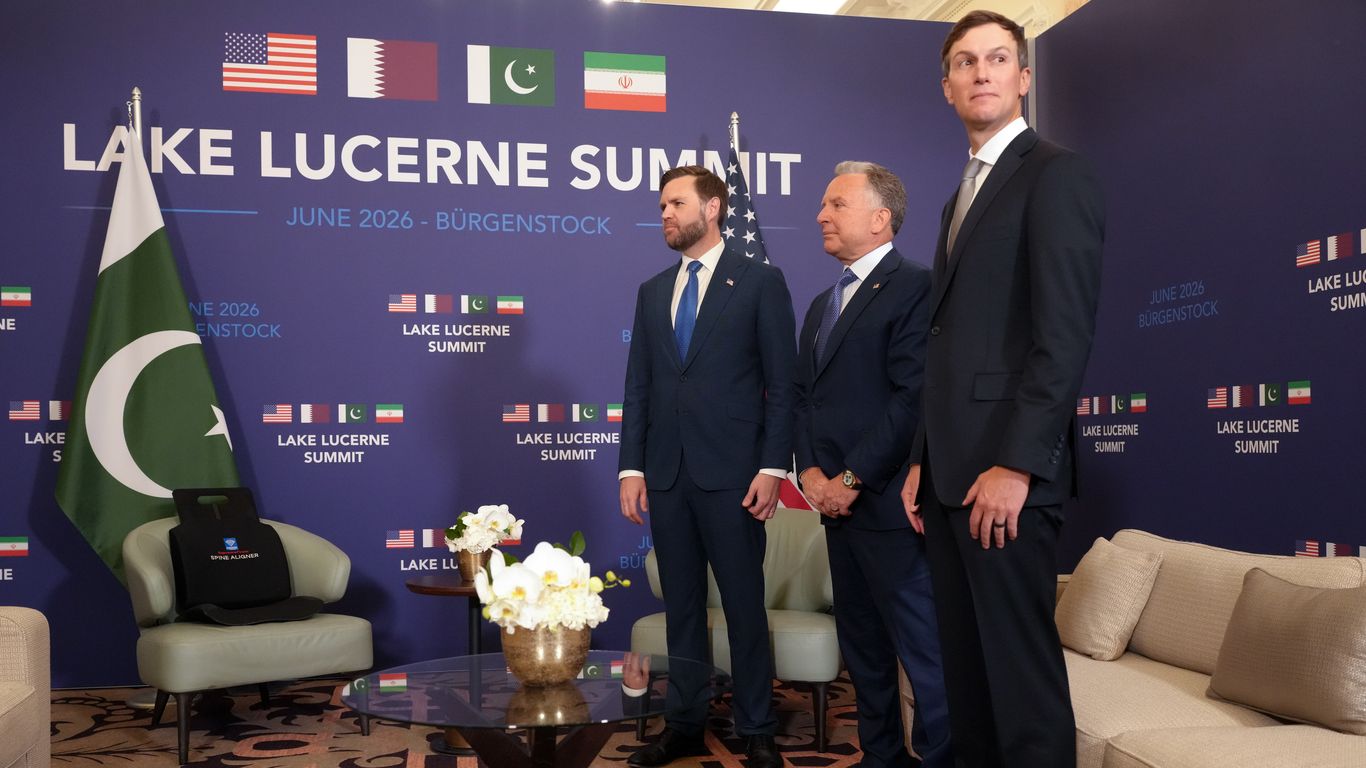
U.S. and Iran launch direct negotiations in Switzerland Vice President J.D. Vance and other U.S. negotiators met with their Iranian counterparts at the Bürgenstock ski resort in Switzerland on Sunday for the first round of talks over a deal to end the war, according to a diplomat with knowledge of the talks. Why it matters: The Lake Lucerne Summit is the first round of direct talks between the U.S. and Iran since the Islamabad summit last April. Its supposed to launch 60 days of nuclear negotiations with the aim of limiting Irans nuclear program.The talks took place despite Iran claiming on Saturday that it was shutting down the Strait of Hormuz in response to Israeli ceasefire violations in Lebanon. Given that backdrop, things could break down at any time."We already made progress in the last several hours, and I expect we will make additional progress in the hours to come," Vance told reporters in Bürgenstock on Sunday. Driving the news: Vance and White House envoys Steve Witkoff and Jared Kushner met on Sunday morning with the Prime Ministers of Pakistan and Qatar and Pakistans top general, who is mediating talks between the U.S. and Iran. Shortly after, the Iranian delegation — headed by Speaker of Parliament Mohammad-Bagher Ghalibaf and Foreign Minister Abbas Araghchi — held a similar meeting with the mediators. Iranian state media reported that after the mediator meetings, the U.S. and Iranian delegations held a trilateral meeting with the Qataris, a diplomat with knowledge of the talks confirmed to Axios. What they are saying: Speaking to reporters before the trilateral meeting, Vance said the U.S. isnt just working toward opening the Strait of Hormuz or ending Irans nuclear program, but changing its relationship with the nation. "The question is — can we turn over a new leaf? Can we change relations in the Middle East permanently, or do we go back to doing things the old way, which is not our preference but is certainly something that can happen," he said.Vance called the meeting "historic" due to the high level of direct engagement between Iranian and American leadership. Irans Araghchi was in the room as U.S. negotiators and the Pakistani and Qatari prime ministers spoke to the press Sunday, but he didnt stand with Vance for a photo op or join in statements to reporters.The other side: An Iranian Foreign Ministry spokesperson told Iranian state media on Sunday that the talks will focus on the ceasefire in Lebanon, the waivers the U.S. committed to issue in order to allow Iran to sell oil and the issue of Irans frozen funds. Between the lines: The U.S. would like the first round of talks to end with an Iranian invitation for UN inspectors to visit its nuclear sites, which were bombed by the U.S. and Israel, two regional sources with direct knowledge said. The last such visit took place in June 2025.In return, the U.S. is willing to give Iran access to some of its frozen funds — starting with a $6 billion account in Qatar. The Iranians would be able to use those funds to buy humanitarian goods, the sources said. What to watch: On Saturday, ahead of the talks, Israel and Hezbollah announced they were recommitting to the ceasefire. Such statements have tended to be very short-lived. A similar ceasefire broke down within hours on Friday. Vance acknowledged Lebanon could derail the negotiations, but said Secretary of State Marco Rubio is handling de-escalation efforts."Despite the headlines, things are actually getting better there, and things are slowing down a little bit. Its going to be something were just going to have to continuously manage to ensure that Israel and Lebanon are both safe and secure," Vance said. Editors note: This story has been updated with additional information.
axios · about 2 hours ago
Sailors trapped in Hormuz strait, dodging drones and rationing food Despite the US-Iran talks which began today in Switzerland, the Strait of Hormuz is being kept shut today by the Iranians. Tehran accuses Israel of breaching the ceasefire agreement by continuing its strikes on Lebanon. The Straits closure has an array of impacts on the global economy… but also on the thousands of sailors, stranded on ships in the middle of an active conflict zone. To learn more about how they are dealing with the current situation, FRANCE 24 talked to Phil Belcher, the marine director at International Association of Independent Tanker Owners (Intertanko).
france24 · about 2 hours ago
🔴 Live: US, Iran begin talks as Lebanon conflict threatens deal
france24 · about 2 hours ago
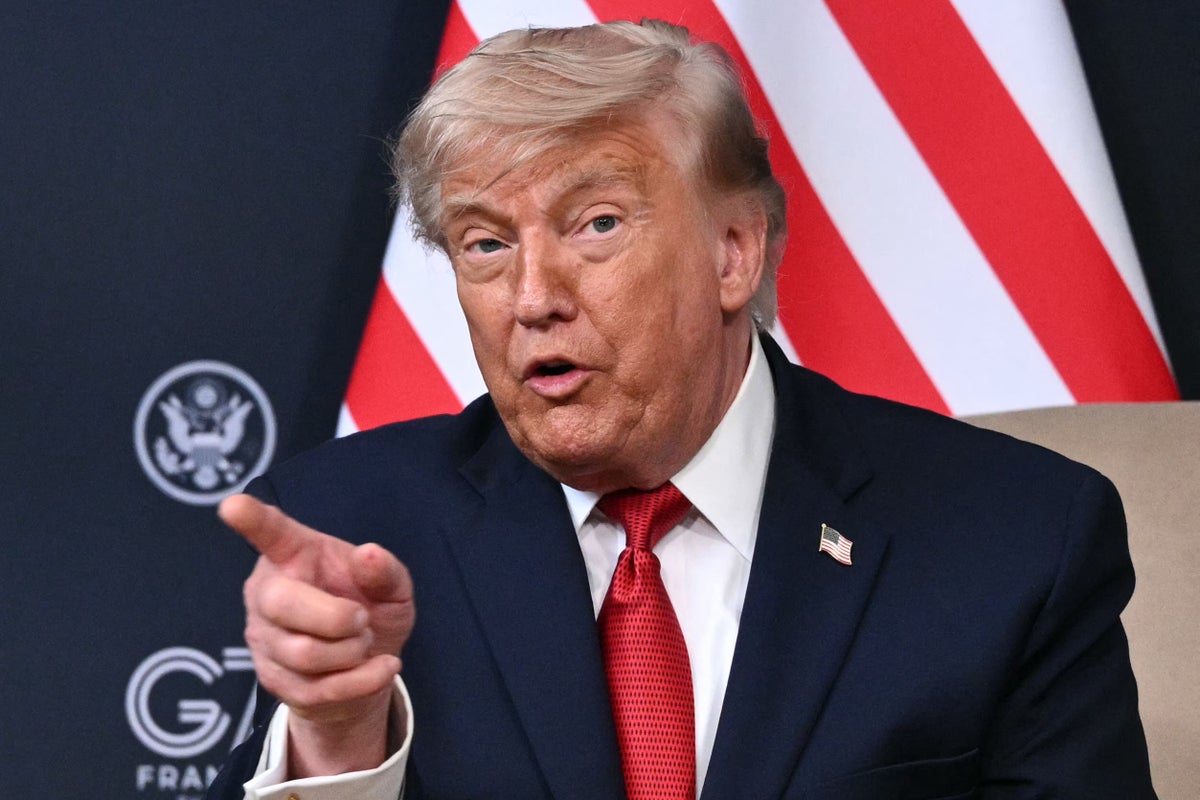
Trump threatens to take over Iran if Tehran closes the Strait of Hormuz in profanity filled tirade: report Israels assault into Lebanon is reportedly viewed by Trumps advisers as an effort to sabotage ceasefire talks
independent · about 2 hours ago
+++ Iran-Krieg +++: Vance berichtet von Fortschritten bei Verhandlungen – Iran und USA sprechen direkt miteinander Irans Präsident signalisiert USA schriftlichen Verzicht auf Atombombe +++ Iran: Straße von Hormus weiter gesperrt +++ Sieben Tote bei neuen israelischen Angriffen im Libanon +++ Der Newsblog.
handelsblatt · about 2 hours ago
Trump: US secretly moved 87 oil tankers through Hormuz President Donald Trump revealed that the US quietly moved at least 87 oil tankers through the Strait of Hormuz under cover of darkness, with naval escorts, after degrading Irans radar systems. He warned that Iran has 60 days to finalise a deal or face consequences.
yenisafak · about 2 hours ago
Pakistan interior minister heads to Tehran to revive US-Iran talks Interior Minister Mohsin Naqvi has departed for Tehran to discuss the resumption of direct US-Iran negotiations, following the postponement of scheduled talks in Switzerland. The visit aims to bridge gaps and explore ways to advance diplomatic efforts after the signing of the Islamabad Memorandum.
yenisafak · about 2 hours ago
US-Iran technical talks to resume in Switzerland within days Technical-level negotiations between the United States and Iran are expected to resume in Switzerland in a day or two, according to Pakistani government sources. Pakistans interior minister has travelled to Tehran to discuss the next phase, following the postponement of talks over Israeli ceasefire violations in Lebanon.
yenisafak · about 2 hours ago
Russias Medvedev: Israel unhappy with Iran deal, may act further Russian Security Council Deputy Chairman Dmitry Medvedev has warned that Israel is dissatisfied with the US-Iran deal and may seek further action. He also said the agreement is easily blown apart by new strikes on Lebanon, and that the Strait of Hormuz has become a Persian nuke.
yenisafak · about 2 hours ago
Trump envoys head to Switzerland ahead of possible Iran talks Senior Trump administration officials have travelled to Switzerland as negotiations with Iran on a nuclear deal may be imminent, though Axios reports that talks have been delayed amid hostilities in Lebanon. Iran reportedly views a ceasefire in Lebanon as essential for progress.
yenisafak · about 2 hours ago
Irans IRGC closes Hormuz Strait over US, Israeli violations The Islamic Revolutionary Guard Corps Navy announced on Saturday that it has closed the Strait of Hormuz to all maritime traffic, citing Israeli crimes in Lebanon and alleged US violations of ceasefire commitments as justification for the blockade.
yenisafak · about 2 hours ago
Pakistan announces US-Iran technical talks in Switzerland Pakistans Foreign Ministry announced on Saturday that technical-level talks between the United States and Iran will convene in Burgenstock, Switzerland on Sunday under the Islamabad Memorandum of Understanding, with mediators from Pakistan and Qatar facilitating the implementation discussions.
yenisafak · about 2 hours ago
Israel says Hezbollah violated ceasefire as Lebanon toll rises The Israeli army said its strikes on Lebanon over the past two days killed dozens in response to Hezbollah rocket fire, while the group insisted it remains committed to the truce despite Israeli violations beginning the moment the US-Iran agreement took effect.
yenisafak · about 2 hours ago
US Vice President Vance arrives in Switzerland for Iran talks US Vice President JD Vance arrived in Switzerland on Sunday to join Pakistan-mediated negotiations with Iranian officials, stating he is "very confident" that Washington and Tehran can sustain their ceasefire as delegations prepare to address technical elements of the nascent Islamabad Agreement.
yenisafak · about 2 hours ago
Iran says $6B frozen assets in Qatar will be released in US deal Iranian President Masoud Pezeshkian said on Sunday that $6 billion in frozen assets held in Qatar will be released to Tehran as technical negotiations with the United States begin in Switzerland to end the months-long Middle East conflict, adding that the Islamic Republic will never abandon its right to enrich uranium.
yenisafak · about 2 hours ago
Deal zwischen USA und Iran: Unterschiedliche Schwerpunkte, verschiedene Auslegungen Die Verhandlungen in der Schweiz laufen an. Doch Iran will vor allem über Libanon sprechen, den USA geht es besonders um das iranische Atomprogramm. mehr...
taz.de · about 2 hours ago
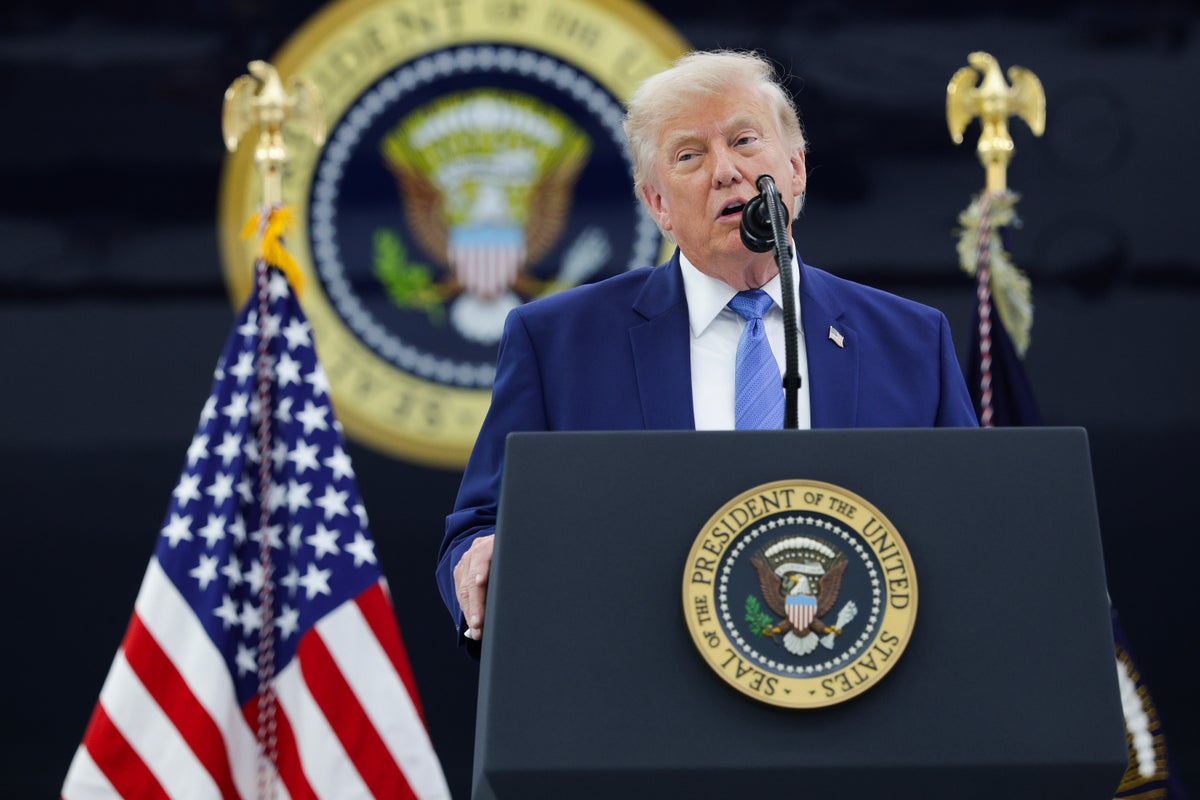
Iran-US war latest: Trump warns Tehran we will take over your country if the Strait of Hormuz is closed US presidents threats come as Vance joins other US officials in Zurich to hammer out peace deal terms with a battery of Tehrans leaders
independent · about 2 hours ago
Pakistans Sharif to represent Islamabad at US-Iran talks in Switzerland Pakistani Prime Minister Shehbaz Sharif will represent Islamabad during technical-level negotiations between the United States and Iran scheduled for Sunday in Switzerland, sources confirmed on Saturday, while Interior Minister Mohsin Naqvi traveled to Tehran to coordinate with Iranian leadership ahead of the high-stakes diplomatic push.
yenisafak · about 3 hours ago
Irankrieg: USA und Iran erzielen laut US-Vizepräsident Vance »große Fortschritte« JD Vance sieht die Verhandlungen zwischen den USA und dem Iran in der Schweiz auf einem guten Weg. US-Präsident Trump wolle ein neues Kapitel aufschlagen. Das Liveblog
die zeit · about 3 hours ago
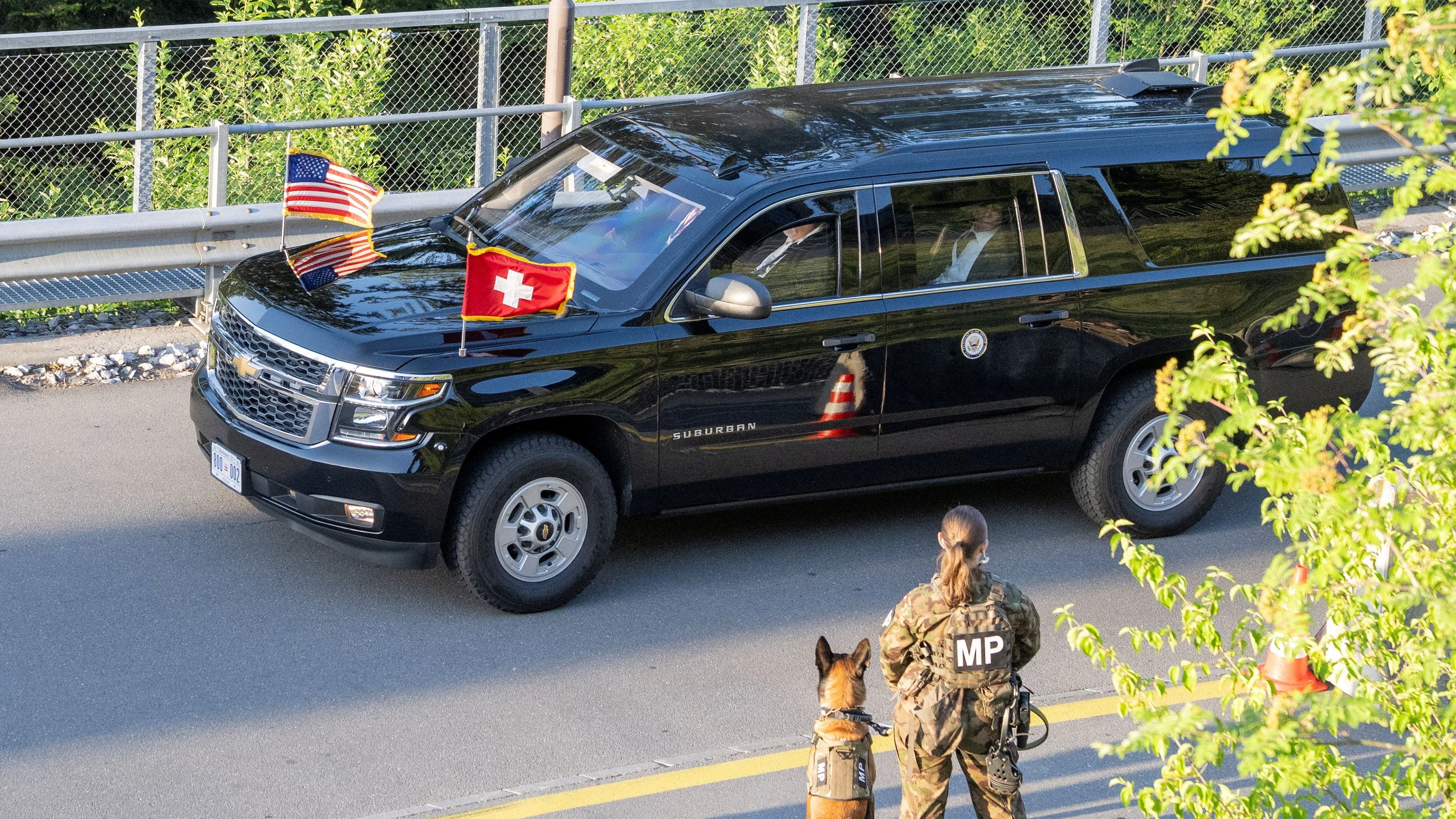
Dauerhafter Frieden?: USA und Iran für Friedensgespräche in der Schweiz US-Vizepräsident JD Vance ist für die Friedensverhandlungen mit Iran in der Schweiz angekommen. Sein Flugzeug landete am Sonntagmorgen auf dem Luftwaffenstützpunkt Emmen nahe Luzern.
faz · about 3 hours ago
Crunch US-Iran talks begin in Switzerland Negotiations aimed at reaching permanent end to war will initially focus on Israeli-Hizbollah conflict in Lebanon
financial times · about 3 hours ago
🇮🇷🔐🛳- Tasnim News Agency reports that Iran will not reopen the Strait of Hormuz until commitments regarding Israeli strikes against Lebanon are fulfilled. ➡️According to a source close to the Iranian negotiating team, should Israeli military operations in Lebanon persist and the territorial integrity of Lebanon remain unguaranteed, negotiations on other matters will not advance. ➡️The release of Irans frozen assets, the removal of the blockade, the authorization of permits for Iranian oil and petrochemical exports, and the implementation of commitments concerning Lebanon are all stipulated as conditions for the reopening of the waterway.
telegram bot · about 3 hours ago
Iran Links Strait of Hormuz Reopening to Lebanon Ceasefire Despite Oil Waivers TEHRAN, Iran, June 21 – Brussels Morning Newspaper — Oil waivers explained has become one of the most searched energy topics after Irans Tasnim News Agency reported that the Strait of Hormuz will remain closed until a lasting ceasefire in Lebanon is in place, despite reports that oil-related waivers have been issued. The development has drawn global attention […]
brussels morning · about 3 hours ago