Loading…
 Saturday, September 26Saturday, September 26
3 months · 6 summary articles
Twelve jobs lost as Rheinmetall exits struggling auto division to double down on defence
Rheinmetall has shed 12 positions at its ailing automotive division in Unterlüß, Lower Saxony, as the Düsseldorf-based group accelerates its pivot to defence manufacturing, company documents seen on Sunday reveal. The cuts, confirmed in a filing dated 14 June 2026, follow the group’s decision to sell the entire division to concentrate resources on high-margin military programmes such as the Franco-German MGCS next-generation tank project.
Chief executive Armin Papperger told *Süddeutsche Zeitung* on the same day that Paris is preparing to slash the MGCS budget, raising fresh doubts over the €10 billion programme’s viability. “France’s latest signals are deeply worrying,” Papperger said. “If Paris reduces its commitment, we will have to rethink our own investment schedule.” MGCS, intended to replace Germany’s Leopard 2 and France’s Leclerc by the mid-2030s, has already faced repeated delays and cost overruns.
The automotive exit, announced on 4 June 2026, transfers production lines and 150 employees to a new owner yet to be named, while Rheinmetall redirects €400 million of annual R&D spending to armoured vehicles, artillery and drone systems. The move underscores the group’s strategic gamble that Europe’s widening security deficit will sustain demand for heavy military hardware. “We have forgotten that security of supply costs money,” OMV chief Alfred Stern remarked separately on 14 June 2026, echoing the broader industry shift away from civilian markets.
Analysts warn the transition carries risks. Defence programmes often face political delays, and Rheinmetall’s order book remains exposed to export controls and shifting Nato priorities. Yet the company’s shares rose 3.2 % in Frankfurt trading on Friday, reflecting investor confidence in its focused strategy. Papperger insisted the group is “well positioned” to weather any French budget cuts by leveraging German procurement guarantees and potential orders from eastern European allies.
The Unterlüß plant, which has produced civilian vans and emergency vehicles since the 1950s, will cease operations by the end of 2026. Affected workers are eligible for severance packages and retraining schemes under Germany’s Kurzarbeit scheme, local labour officials said. Trade union IG Metall called the closures “a bitter pill” but acknowledged the “irreversible decline” of Rheinmetall’s civilian automotive segment.
With Paris signalling fiscal prudence and Berlin under pressure to fund both MGCS and domestic rearmament, the coming months will determine whether Rheinmetall’s defence bet pays off—or leaves the company over-exposed to a single, high-stakes market.
Follow us for live European news

Australië gaat de gaspiek met batterijen te lijf. Daar kan Nederland van leren
trouw · 3 months ago

Job des ORF-Unterhaltungschefs wartet auf Verlängerung Martin Gastingers Funktion steht zur Verlängerung an, bisher aber nach STANDARD-Infos keine Anzeichen dafür. Wie für die "Millionenshow" und andere Showformate
der standard · 3 months ago

Rangnick verlängert als Teamchef: Der ÖFB wettet auf den eigenen WM-Erfolg Der Fußballverband nimmt höhere Kosten und ein gewisses Risiko in Kauf. Denn die Alternativen zu Ralf Rangnick wären weitaus mühsamer
der standard · 3 months ago
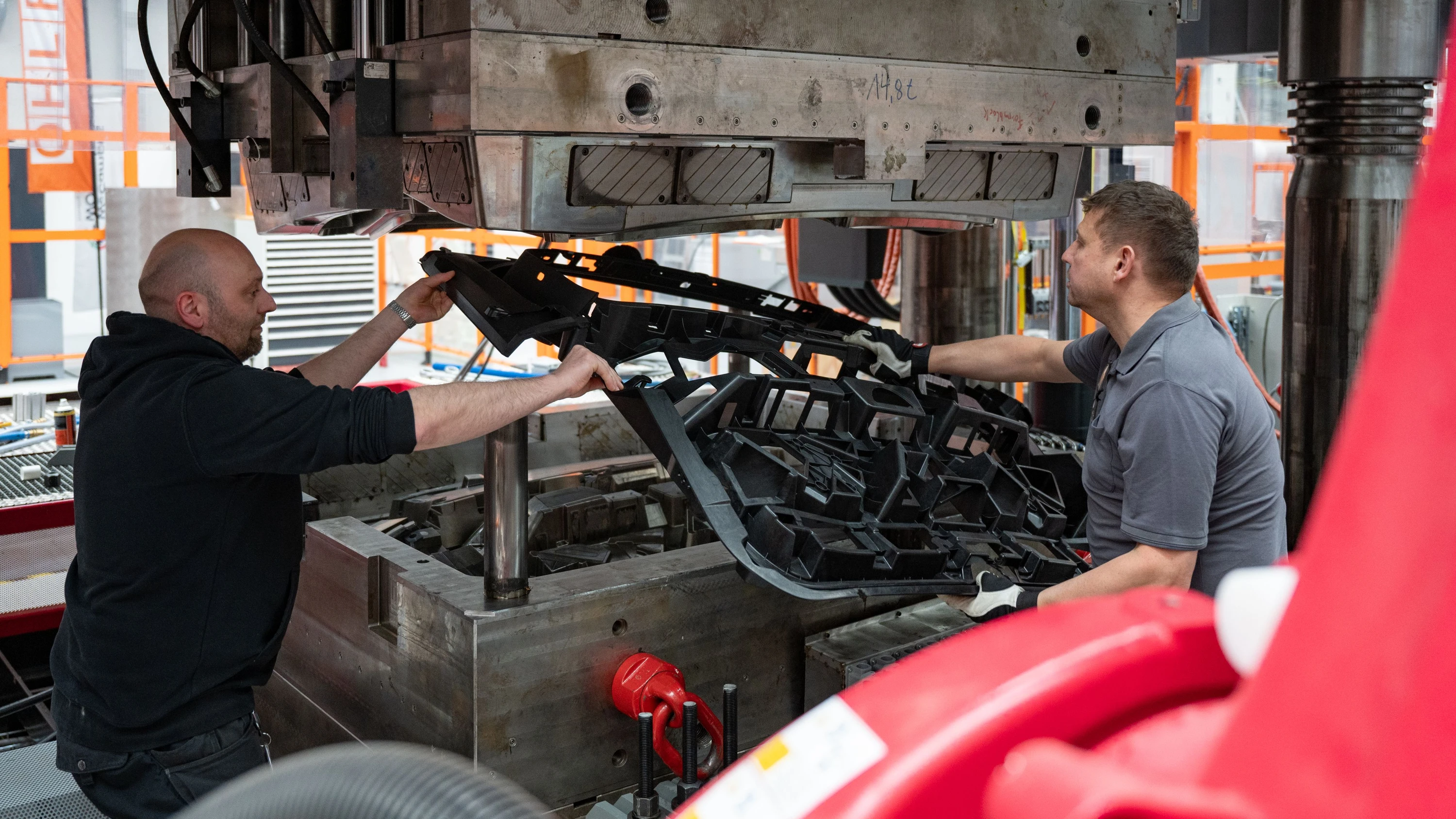
VW und BMW denken um: Unabhängiger von China durch Kreislaufwirtschaft Die Autoindustrie investiert viel Zeit und Geld in Recycling und Re-Manufacturing. Dadurch will sie die Rohstoffabhängigkeit lindern. Selbst Kunststoff wird wertvoll.
faz · 3 months ago

OMV-Chef Alfred Stern: „Wir haben vergessen, dass Versorgungssicherheit viel Geld kostet Alfred Stern hat turbulente Zeiten als Chef des Wiener Energiekonzerns OMV hinter sich. Für die Zukunft der Gas- und Ölversorgung Europas will er keine Garantien abgeben.
sueddeutsche · 3 months ago
Klimaschädliche Gase: Fängt Heidelberg Materials weniger CO₂ ein als versprochen? Der deutsche Zementkonzern hat 2025 in Norwegen die weltweit erste Anlage zur CO₂-Abscheidung in industriellem Maßstab eröffnet. Über die Effizienz gibt es widersprüchliche Angaben.
sueddeutsche · 3 months ago
Larmet: Elpriset kan fördubblas i sommar Elen väntas bli ovanligt dyr de närmaste månaderna.Enligt en prognos från Bixia kommer priset nästan fördubblas i sommar – och bli det högsta sen 2022.Och energiekonomen Claes Hemberg tror att elkaoset kan fortsätta.
expressen · 3 months ago
Telefónica desembolsará esta semana 850 millones en el segundo tramo del dividendo de 2025 Telefónica abonará el próximo jueves 18 de junio el segundo tramo del dividendo de 2025, de 0,15 euros en efectivo por acción, lo que supondrá un desembolso estimado de unos 850,5 millones de euros para la teleco presidida por Marc Murtra. Leer
expansion · 3 months ago
Steigende Kosten, knappe Kassen: Theater in Brandenburg erhöhen die Preise Inflation und Tarifsteigerungen erhöhen die Kosten für die Kultureinrichtungen. Ob es genug Fördermittel gibt, ist unsicher. Theaterbesucher müssen mit höheren Eintrittspreisen rechnen.
tagesspiegel · 3 months ago
Rüstungsindustrie: Rheinmetall sorgt sich um deutsch-französisches Panzerprojekt Eben erst ist ein Projekt zum Bau eines neuen deutsch-französischen Kampfflugzeugs geplatzt. In der Rüstungsbranche sorgt man sich, dass einem gemeinsamen Panzerprojekt ähnliches widerfährt.
handelsblatt · 3 months ago
Höga elpriser väntar – kärnkraftsstrul i sommar Det strular rejält för flera av de svenska kärnkraftverken. Lägg på torrare väder och höga gaspriser – elsommaren 2026 blir den dyraste på länge.
svenska dagbladet · 3 months ago

Hohe Teuerung bringt US-Notenbank Fed vor Zinssitzung unter Druck Die schnell steigenden Verbraucherpreise setzen der US-Bevölkerung stark zu. Höhere Zinsen würden zwar die Inflation bremsen, aber die hoch verschuldeten Haushalte zusätzlich belasten
der standard · 3 months ago
Rüstungsindustrie: Rheinmetall-Chef sorgt sich um Panzerprojekt Nach Informationen von Armin Papperger plant Frankreich, das Budget für das MGCS-Projekt drastisch zu kürzen.
sueddeutsche · 3 months ago

„Absolute Frechheit – Verbraucherschützer kritisieren Ryanair-Gebühr für Familiensitzplatz Ryanair verlangt Geld dafür, dass Eltern neben ihrem Kind sitzen – obwohl die Airline dazu gesetzlich verpflichtet ist. Britische Behörden ermitteln. Deutsche Verbraucherschützer nennen die Gebühr eine „absolute Frechheit.
welt.de · 3 months ago

Negative Strompreise werden immer häufiger zum Problem Wenn an der Börse zu viel Strom auf zu wenig Nachfrage trifft, fällt der Preis zeitweise ins Minus. Das entlastet Verbraucher nicht automatisch, zeigt aber, wo das Energiesystem noch zu unflexibel ist – und wo Staat und Betreiber teuer nachsteuern müssen.
welt.de · 3 months ago
Slováci sa boja lekára kvôli peňaženke. Ombudsman varuje pred vysokými poplatkami Verejný ochranca práv varuje pred novým fenoménom v zdravotníctve. Ľudia sa viac boja zásahu do rodinného rozpočtu než samotného vyšetrenia či zákroku.
aktuality.sk · 3 months ago
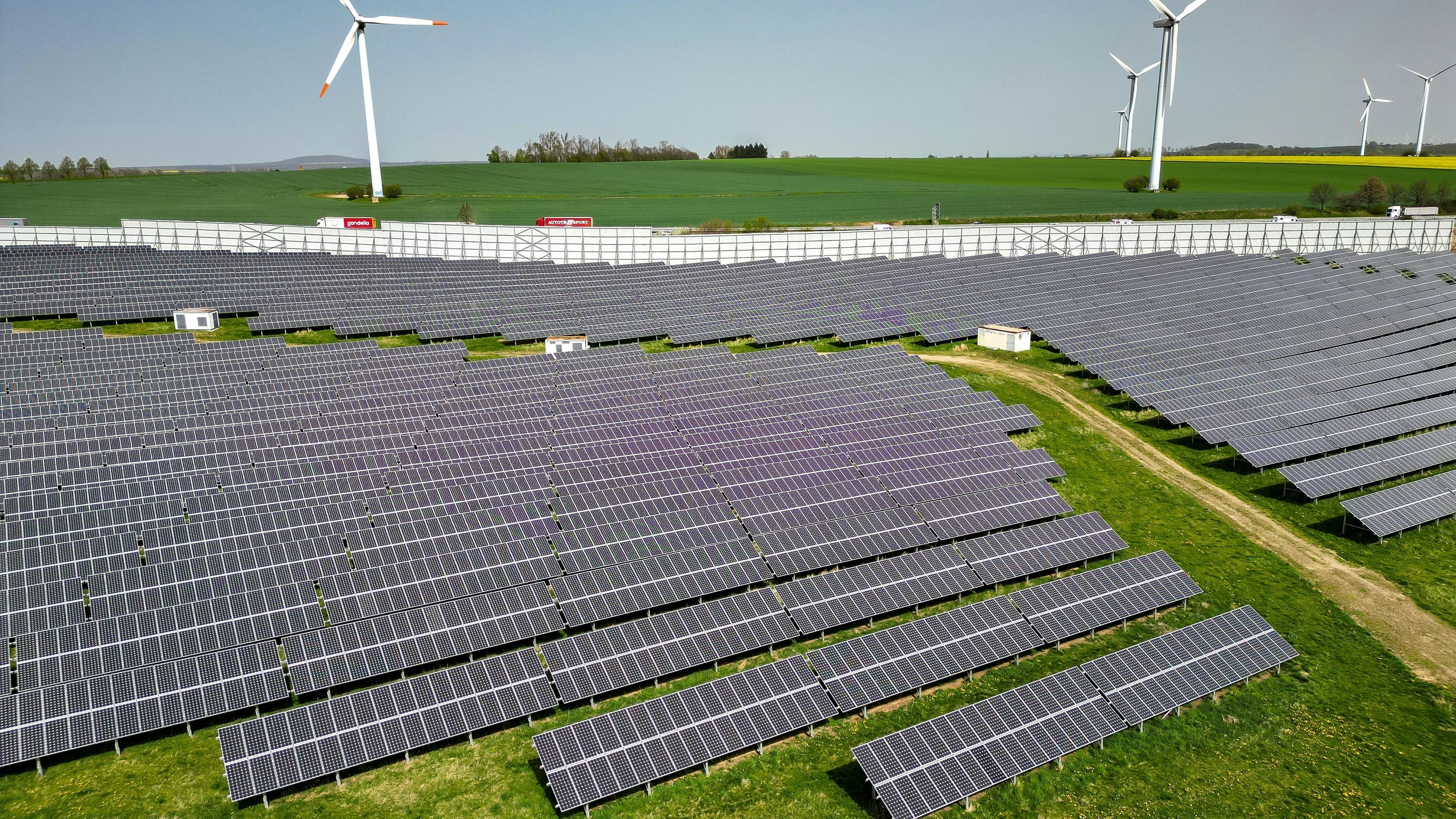
Stromnetz-Ausbau: Untersuchung: Häufiger negative Börsen-Strompreise Wenn das Angebot die Nachfrage übersteigt, werden Strompreise negativ. Das ist ein Zeichen für den Zustand des Stromnetzes. Es kommt nicht selten vor, wie nun eine Auswertung zeigt.
faz · 3 months ago