
Volkswagen faces shareholder revolt as crisis deepens
Story Timeline
4 months · 15 summary articles
Volkswagen faces existential crisis as shareholders demand radical overhaul at stormy virtual AGM
Volkswagen’s leadership was publicly humiliated on Thursday as shareholders at the group’s virtual annual general meeting in Wolfsburg rejected the company’s transformation strategy and demanded an immediate end to its “unmanageable complexity.” The unprecedented revolt, led by major institutional investors, follows months of plunging profits, a botched electric-vehicle rollout, and revelations that the company is quietly expanding into arms manufacturing—all while maintaining a labyrinthine corporate structure that insiders now admit is unsustainable.
Speaking to *Frankfurter Allgemeine Zeitung*, senior executives admitted that Volkswagen’s traditional business model “no longer works” in the face of intensifying competition from Chinese automakers and collapsing margins in Europe . The company’s supervisory board confirmed that Oliver Blume, the CEO, has been given a six-month ultimatum to simplify the group’s ownership chains, divest non-core assets, and abandon plans to supply components to the German military—an initiative that has drawn criticism from both investors and trade unions .
The AGM descended into chaos when a coalition of Dutch pension funds and US asset managers tabled a motion calling for the break-up of Volkswagen into three independent companies: a mass-market carmaker, a premium brand division, and a mobility-services unit. The proposal, which requires a 75% majority to pass, was narrowly defeated after Blume warned that splitting the group would trigger a “liquidity crisis” and cost up to 50,000 jobs by 2030 . Trade unions immediately condemned the plan as a “reckless gamble” that would devastate Germany’s automotive heartland.
The crisis at Volkswagen coincides with fresh job cuts at Evonik, the Essen-based chemicals giant, which on Thursday announced plans to shed a further 3,200 positions by the end of 2029 as part of a €1.2bn restructuring programme . The move follows the closure of three production sites in Germany and the Netherlands, raising fears that Europe’s industrial base is entering a new phase of deindustrialisation.
Meanwhile, in Switzerland, running-shoe manufacturer On Holding AG suspended orders with a key Indonesian supplier after an investigation by the NGO Public Eye revealed systemic violations of labour rights, including poverty wages, illegal dismissals, and the sacking of 112 union members . The company, whose shares have fallen 18% this year, said it would conduct “immediate audits” of all subcontractors in South-East Asia.
The automotive sector’s turmoil extended to the US, where Waymo, the Alphabet-owned autonomous-vehicle unit, was forced to withdraw 3,900 robotaxis from public roads after its software failed to recognise temporary road-closure signs at construction sites in California and Arizona . The incidents, which occurred between April and June, prompted the National Highway Traffic Safety Administration to open a formal probe into Waymo’s safety systems.
Follow us for live European news
- 4
- 2
- 1
- 1
- 1
- 1
- 1
- 1
- 1
- 1
- 1
3 further sources not geolocated
Articles

Hans H. Luik tõrjub väidet Delfi Meedia võimalikust müügist Erinevatelt allikatelt Postimehele laekunud väidet, et Ekspress Grupi suuromanik Hans H. Luik võib kaaluda enda rajatud kontserni või sellele kuuluva Delfi Meedia müüki, nimetas Luik ise mitte tõsiselt võetavaks õhuvõngutamiseks.
postimees · 3 months ago

Bolha na IA? "Não estamos lá, mas estamos mais perto disso" Michael Heldmann é um dos líderes da equipa de investimento da Allianz Global Investors, que gere o equivalente a cerca de 600 mil milhões de euros dos seus clientes. FOTO: DR
observador · 3 months ago

El nuevo problema de los coches autónomos de Waymo: se cuelan en carreteras en obras Waymo retira 3.900 robotaxis en EEUU tras varios incidentes de coches autónomos que no reconocían señales de carreteras o carriles de autoripistas cortados por obras WeRide y Uber pretenden operar los primeros robotaxis en Madrid a finales de 2026 Los robotaxis de Waymo, pioneros en la puesta en marcha de los coches autónomos, vuelven a enfrentarse a un problema inesperado en su camino hacia la conducción totalmente autónoma. La filial de vehículos sin conductor de Alphabet (Google) ha anunciado la retirada de casi 3.900 vehículos en Estados Unidos después de detectar un nuevo fallo de software que permitía a sus coches ignorar señales e internarse en zonas de obras en autopistas. La incidencia supone la segunda gran retirada de vehículos de Waymo en apenas un mes y pone de manifiesto los desafíos que aún afrontan los sistemas de conducción autónoma para interpretar correctamente situaciones temporales y cambiantes en la vía pública. Según la documentación presentada ante la Administración Nacional de Seguridad del Tráfico en las Carreteras de Estados Unidos (NHTSA), la compañía registró más de una docena de incidentes desde principios de abril en California y Arizona. En todos ellos, los vehículos autónomos no identificaron correctamente las señales que cerraban accesos o carriles de autopista y continuaron circulando hacia zonas de construcción, algunas de ellas con obras en marcha y operarios trabajando. Actualización del software Waymo explicó que, tras detectar el problema, decidió restringir voluntariamente la circulación de sus robotaxis por autopistas mientras desarrollaba mejoras en el sistema. La empresa ya ha desplegado una actualización de software destinada a evitar que los vehículos entren en áreas de obras cerradas al tráfico. Hemos identificado un área de mejora en el rendimiento de nuestros vehículos en las zonas de construcción de autopistas, señaló la compañía en declaraciones a Reuters, añadiendo que las restricciones temporales permitieron implementar las correcciones necesarias. El incidente llega apenas unas semanas después de otra llamada a revisión que afectó a unos 3.800 robotaxis. En aquel caso, los vehículos podían acceder a carreteras inundadas con límites de velocidad elevados, un riesgo detectado tras un suceso ocurrido en abril en San Antonio (Texas), cuando uno de los coches autónomos se desvió hacia un carril anegado durante unas condiciones meteorológicas extremas. El vehículo circulaba vacío y no se registraron heridos. Investigación en marcha La sucesión de incidencias evidencia que, aunque la tecnología de conducción autónoma ha avanzado notablemente en entornos urbanos previsibles, sigue encontrando dificultades para gestionar situaciones excepcionales o temporales, como inundaciones, obras viarias o cambios repentinos en la señalización. No es la primera vez que Waymo se ve obligada a corregir el comportamiento de sus vehículos. En los dos últimos años, la compañía ha emitido varias retiradas relacionadas con errores en la detección de obstáculos, postes o vehículos remolcados, así como con problemas de predicción del movimiento de otros usuarios de la vía. Además, la empresa continúa bajola investigación de las autoridades estadounidenses. La NHTSA mantiene abierta una investigación después de que uno de sus vehículos atropellara levemente a un niño cerca de una escuela de Santa Mónica, California, mientras que la Junta Nacional de Seguridad del Transporte (NTSB) analiza varios episodios en los que robotaxis de Waymo adelantaron ilegalmente a autobuses escolares detenidos con las luces de advertencia activadas.
eldiario.es · 3 months ago
Ausschließlich online buchbar: Neuer Autovermieter startet in Potsdam Das Unternehmen CarlundCarla.de startet seinen Verleih von Transportern, XL-Transportern und Neunsitzer-Bussen in Potsdam. Gemietet wird allein über das Smartphone.
tagesspiegel · 3 months ago
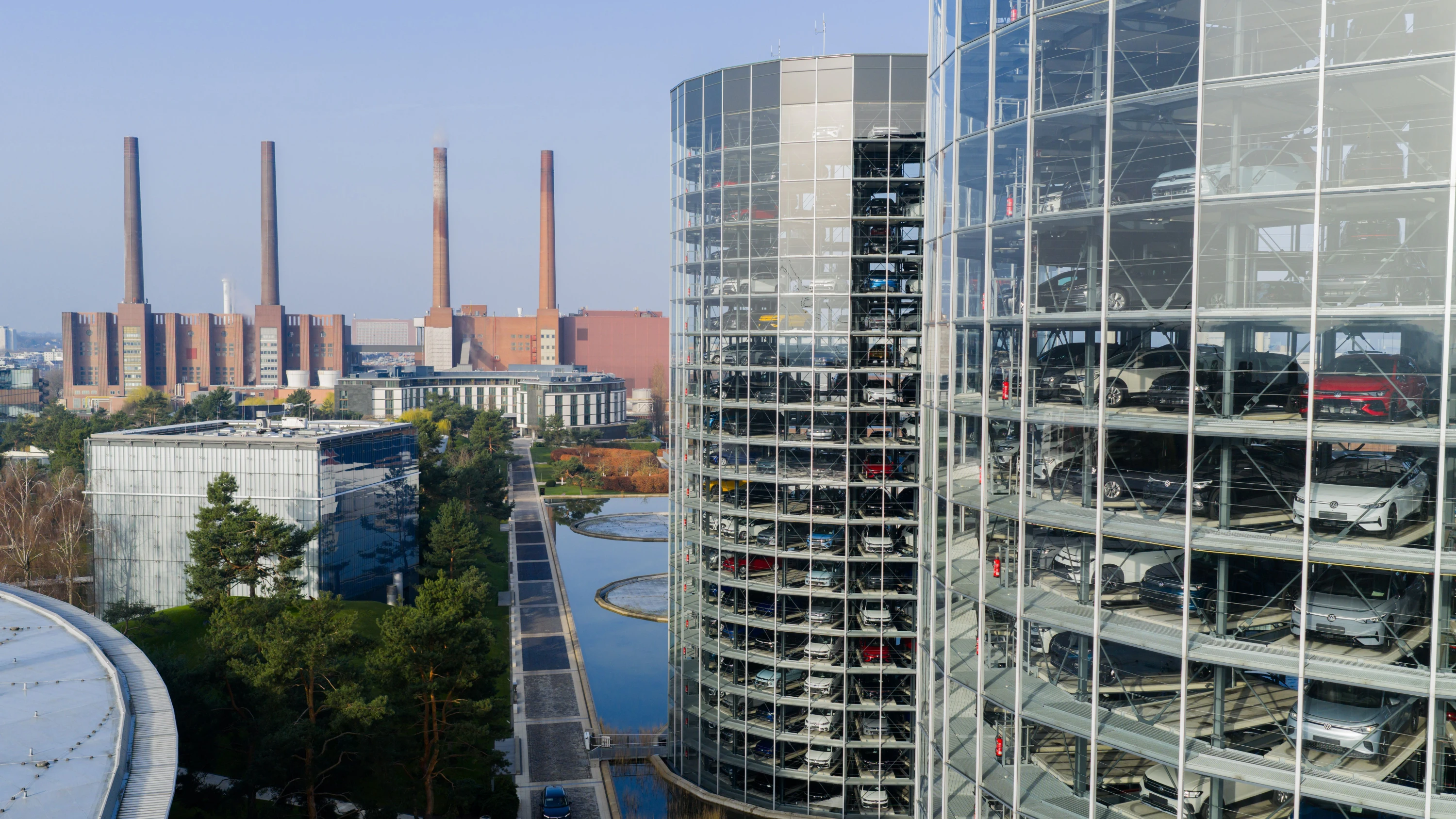
Autohersteller: „VW darf nicht an der eigenen Komplexität zugrunde gehen Auf der Hauptversammlung machen Aktionäre ihrem Ärger über die Krise des Autokonzerns Luft. Es geht um Interessenkonflikte, verschachtelte Strukturen – und den Einstieg ins Rüstungsgeschäft.
faz · 3 months ago

German chemicals company Evonik to cut 3,200 more jobs by end 2029
news.yahoo.com · 3 months ago
Ericsson names Narvinger CEO after Ekholms nine-year stint
gdeltproject.org · 3 months ago

City & Guilds scraps mass redundancies and offshoring UK jobs to Greece PeopleCert had been planning to cut about 400 jobs in £22m savings drive at training body it bought last yearThe vocational training body City & Guilds has guaranteed that plans for mass compulsory redundancies and the offshoring of hundreds of UK jobs to Greece will no longer go ahead.The proposal to remove about 400 UK roles was first reported by the Guardian in December as part of a £22m cost-cutting drive after the acquisition of the charitys training and awards business by the Greek-owned PeopleCert in October. Continue reading...
theguardian · 3 months ago

El BMW i3 con más de 900 kilómetros de autonomía ya tiene precio en España La marca alemana abre los pedidos del BMW i3 50 xDrive as First Edition, la edición de lanzamiento del primer Serie 3 totalmente eléctrico y el segundo modelo de la plataforma Neue Klasse de BMW. Leer
expansion · 3 months ago

Face aux alertes sur la nocivité du cuivre, les viticulteurs bio tentent de trouver des solutions pour protéger les vignes du mildiou Autrefois sauveur de vignoble, ce métal est désormais dans le collimateur des autorités, avec une quinzaine de produits phytosanitaires retirés du marché. Dans le Val de Loire, la filière tente de sadapter.
le monde · 3 months ago

„Keine Interimslösung – Hochbahn setzt auf Kontinuität trotz Umstrukturierung Nach der Trennung von Vorstandschef Robert Henrich setzt die Hamburger Hochbahn auf ein Dreierteam an der Spitze. Technikvorstand Jens-Günter Lang koordiniert künftig die Arbeit des Vorstands. Die inhaltliche Linie mit Milliardenprojekten wie der U5 bleibt bestehen.
welt.de · 3 months ago
Postbank gibt weitere Filialen auf: Wichtiger Standort im Berliner Westen schließt bald Eine viel besuchte Filiale steht vor dem Aus, weil sich die Postbank weitgehend in ein Online-Geldinstitut verwandelt. Auch andernorts in Berlin zieht sich das Unternehmen zurück.
tagesspiegel · 3 months ago
Zwangsabstieg aus 3. Liga: „Löwen-Beschwerde beim DFB? Mitgliederversammlung naht Der TSV 1860 München kämpft um seine Zukunft. Angeblich wenden sich die „Löwen wegen des Drittliga-Abstiegs auch an den Deutschen Fußball-Bund.
tagesspiegel · 3 months ago
Volkswagen pregăteşte concedieri masive: 50.000 de locuri de muncă, eliminate până în 2030 Volkswagen AG pregătește una dintre cele mai ample restructurări din ultimii ani, care ar urma să ducă la eliminarea a 50.000 de locuri de muncă până în 2030. Directorul general al grupului, Oliver Blume, a avertizat că modelul de afaceri care a susținut compania timp de decenii „nu mai funcționează, în contextul dificultăților din industria auto și al presiunii tot mai mari din China, potrivit DPA și Agerpres.
digi24 · 3 months ago
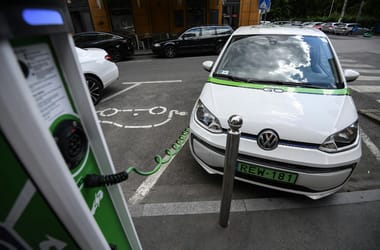
Ha ilyen népszerű, akkor miért ennyire veszteséges a közösségi autómegosztás? Folyamatosan nő a kereslet a magyarországi carsharing, azaz a közösségi autómegosztás iránt, az ezzel foglalkozó vállalatok azonban jókora veszteséget szenvedtek el 2025-ben.
hvg.hu · 3 months ago
Muoti | Suomalainen nahkatakkiyhtiö jälleen kovan kritiikin kohteena Muotiyhtiö Onar Studios myy nahkatakkejaan alekampanjalla, vaikka sillä on suuria toimitusvaikeuksia. Asiakkaat ovat pettyneitä pitkiin viivästyksiin, petettyihin lupauksiin ja epäselvään viestintään.
helsingin sanomat · 3 months ago
In Denemarken vreest boer Erik Pedersen dat de regering na varkensverkiezingen de sector drastisch wil aanpakken Denemarken, een van de grootste varkensexporteurs ter wereld, wil dat de varkenshouderij zich juist minder op export gaat richten. Op een boerderij boven in Jutland is boer Erik Pedersen sceptisch. „Ik doe fucking hard mijn best.
nrc · 3 months ago

Tim Cook: Auch iPhones werden dieses Jahr teurer Für Tim Cook und seinen Nachfolger John Ternus wird das kommende iPhone-Line-up zur Zerreißprobe zwischen Marge und Kunden-Toleranz
der standard · 3 months ago

Neue ultraschwarze Autolackierung mit Black-Hole-Effekt entwickelt Seit mit Vantablack das "schwärzeste Schwarz" kreiert wurde, gibt es einen Wettstreit um immer dunklere Nuancen. Ausgerechnet die Autobranche hat es darauf abgesehen
der standard · 3 months ago
Hauptversammlung: VW-Aktionäre machen Druck – Transformation als Daueraufgabe
die zeit · 3 months ago
On suspends orders from supplier following NGO claims Swiss shoe maker On has suspended orders from one of its sub-suppliers following allegations by NGO Public Eye of poor working conditions at the Indonesian company. + Get the most important news from Switzerland in your inbox The Zurich-based running shoe manufacturer is taking the allegations very seriously, the company told the AWP news agency. + Is Swiss footwear brand On getting too greedy for its own good? The report focuses on Ons direct supplier, Long Rich, and its sub-supplier, Yihong, on the island of Java, which manufacture products for On, Brooks and New Balance, amongst others. Many workers were paid only the statutory minimum wage of 2.9 million rupiah, or just under CHF130, a month, according to Public Eye. This is not enough to live on. At Yihong, the NGO identified breaches of working time regulations, a lack of contracts, unlawful dismissals and harassment. A dispute there reportedly led to the dismissal of 112 trade union members. However, under pressure from ...
swissinfo · 3 months ago