
BMW slashes profit forecast, shares plunge amid industry-wide downturn
Story Timeline
3 months · 9 summary articles
BMW, the Munich-based automotive giant, has issued a profit warning that analysts say signals deeper trouble for the entire industry, sending its shares down more than seven percent in early European trading on Wednesday. The company, led by new CEO [name not specified in sources], now expects this year’s profits to fall short of previous forecasts, citing weaker-than-expected car sales and the need for aggressive cost-cutting measures. While the extent of job losses remains unclear, multiple German media outlets report that personnel reductions are under consideration, marking a sharp reversal from BMW’s earlier resilience during the broader automotive downturn.
The warning, disclosed on 17 June 2026, follows a series of downward revisions across the sector, with Volkswagen and Mercedes-Benz also facing investor scrutiny. Analysts at the *Frankfurter Allgemeine Zeitung* described BMW’s move as a “warning signal for the entire automobile industry,” while the *Süddeutsche Zeitung* noted that the new leadership is already under pressure to deliver results just one month into the role. The company’s shares fell sharply on the news, reflecting broader investor unease about the sustainability of Germany’s premium carmakers amid shifting global demand and rising competition.
Industry observers suggest that BMW’s decision to slash its outlook may not be entirely negative. The *Süddeutsche Zeitung* argued that the move could be a strategic reset rather than a sign of collapse, allowing the company to realign production and investment with market realities. However, the *Handelsblatt* warned in an editorial that BMW risks following the same path as Volkswagen and Mercedes, which have struggled with declining margins and structural challenges. The newspaper described the situation as a potential “fate” for the Bavarian automaker, once seen as the industry’s bright spot.
The announcement comes amid broader volatility in European equity markets, with the European Central Bank’s upcoming policy decision expected to add further pressure. Meanwhile, global tech leaders like Jeff Bezos have weighed in on the labor market implications of artificial intelligence, suggesting that AI could exacerbate talent shortages rather than trigger mass layoffs—a contrast to the immediate challenges facing traditional manufacturers like BMW. As the company prepares to unveil further details of its cost-cutting plan, the question remains whether Munich’s automotive heartland will face a wave of redundancies or a more measured restructuring to weather the storm.
Follow us for live European news
- 5
- 2
- 1
- 1
- 1
- 1
Articles

Adriana Molder expõe "Aldebaran Caída Por Terra" Nascida em Lisboa em 1975, Adriana Molder vive e trabalha na capital portuguesa, tendo desenvolvido parte significativa da sua carreira na Alemanha, onde residiu durante 13 anos
observador · 3 months ago

La BBC va supprimer 550 postes dici mars 2027 Le patron de la BBC a annoncé mercredi la suppression denviron 550 postes dici mars 2027, y compris via des licenciements, dans le cadre du plan de suppression de 2.000 emplois sur trois ans au sein du groupe audiovisuel public en crise. ...
la libre · 3 months ago

Jeff Bezos laat opmerkelijk tegengeluid horen over impact AI op jobmarkt: Ik denk dat AI een personeelstekort zal creëren
de morgen · 3 months ago
Tressis confía en los valores beneficiados por la IA Tressis ha presentado esta mañana sus perspectivas de inversión para los próximos meses y mantiene una visión moderadamente optimista en Bolsa global, con preferencia por Estados Unidos, posiciones neutrales en Europa, Japón y mercados emergentes. Se mantiene optimista con la Bolsa española y con la banca, que es una de las beneficiadas de la IA, entre otros sectores. La sociedad de valores, ha dicho también que aprovecha las correcciones para invertir en oro y en renta fija prefiere duraciones de entre tres y cinco años. Leer
expansion · 3 months ago

S&P y Fitch elevan el ráting de El Corte Inglés a BBB por su desempeño y la reducción de deuda Las agencias de calificación crediticia valoran la capacidad de la empresa de generar liquidez y su crecimiento del ebitda. Leer
expansion · 3 months ago

Das sind die 40 größten Bier-Produzenten der Welt – Deutschland in eindeutiger Position Der weltweite Biermarkt erlebt eine Krise: Fünf Milliarden Liter weniger wurden 2025 getrunken. In Deutschland ist die Entwicklung noch dramatischer. Im internationalen Ranking nehmen die deutschen Brauereien eine klare Position ein.
welt.de · 3 months ago

2. Fußball-Liga: Bericht: Hertha in Gesprächen mit neuem Investor Bei Hertha BSC könnte sich eine erneute Übernahme durch einen Investor anbahnen. Der mögliche Interessent ist mit dem Verein und der Stadt Berlin verbunden.
tagesspiegel · 3 months ago
Dax-Studie: Top-Manager halten sich kaum länger als fünf Jahre: Fluktuation in Vorständen erreicht Rekordniveau Krisen und der Wandel durch KI verkürzen die Amtszeiten in den Dax-Vorstandsetagen drastisch. Externe Manager sind gefragt wie nie. Ein Fachbereich gerät besonders unter Druck.
handelsblatt · 3 months ago

Amazon-Gründer Bezos: KI könnte zu Arbeitskräftemangel führen, nicht Jobabbau Der Multimilliardär ist selbst auch KI-Unternehmer
der standard · 3 months ago

Suzuki e Vitara im Test: Suvisierung der Welt Jedes dritte neue Auto ist mittlerweile ein SUV. Da eine eigenständige Form zu bewahren, fällt nicht leicht. Der elektrische Suzuki Vitara versucht es gar nicht erst und setzt auf innere Werte. Fahrbericht.
faz · 3 months ago

Vonovia-Chef über Anfeindungen: Brennende Autos und angepöbelte Mitarbeiter In der Debatte um Enteignungen sieht Vonovia-Chef Luka Mucic eine zunehmende Verrohung – und im Fall einer Vergesellschaftung „nur Verlierer.
faz · 3 months ago
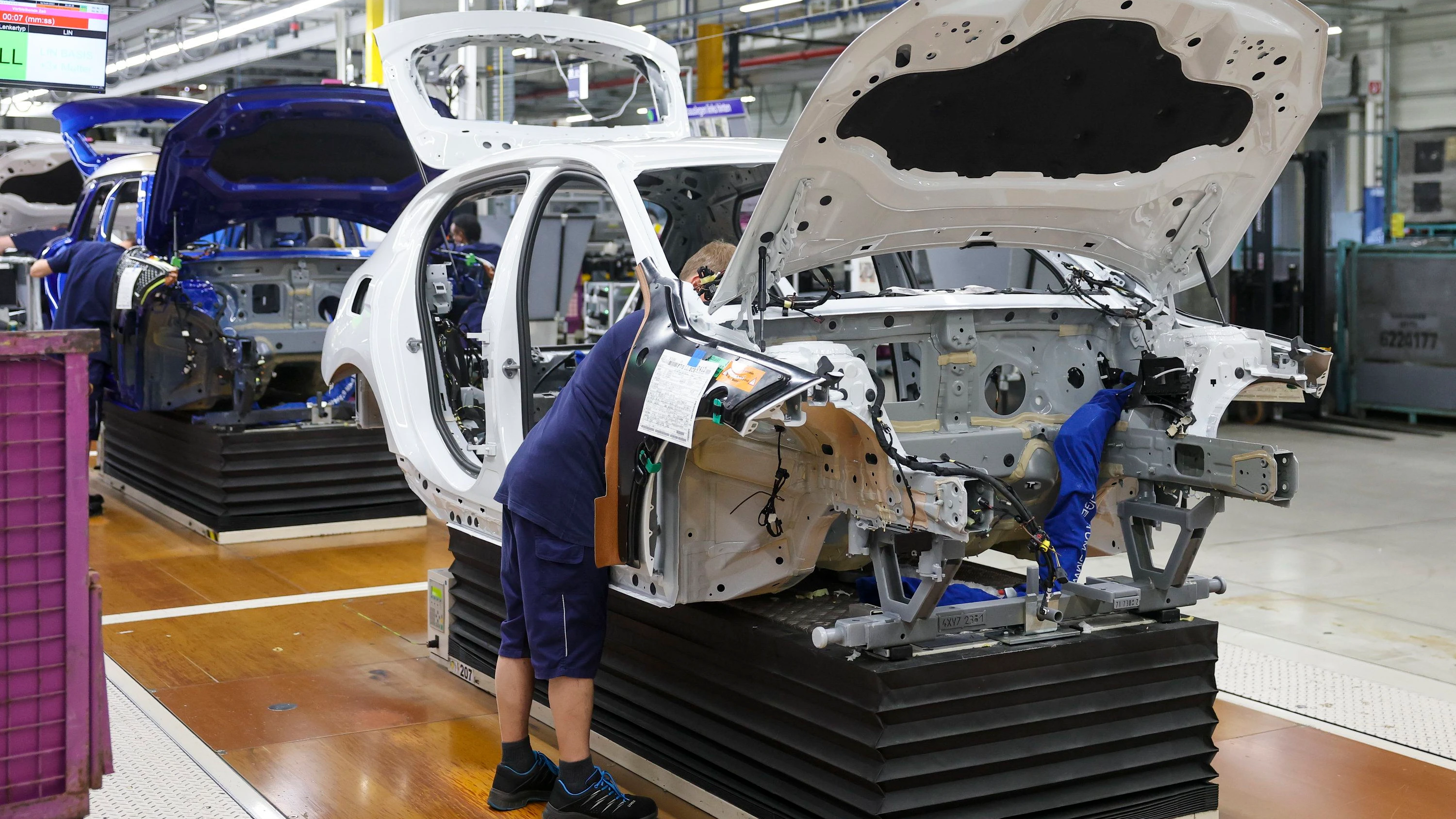
BMW, Volkswagen und Co.: Schlechte Zeiten für Autoaktien BMW kappt seine Prognose. Analysten sehen das als Warnsignal für die gesamte Automobilbranche. Wie sieht es für die Hersteller an der Börse aus?
faz · 3 months ago

S. Fischer zieht um: Berlin oder München? Hauptsache, nicht Frankfurt! Warum geht S. Fischer nach Berlin? Der verlegerische Geschäftsführer hofft in einem schwierigen Buchgeschäft auf die Rettung durch die Atmosphäre der Hauptstadt. Aber warum zieht dann ein anderer Teil des Verlags nach München?
faz · 3 months ago
Autoindustrie: Auch BMW kann sich der Realität nicht entziehen Zuletzt vermittelten sie in München den Eindruck, dass die Krise der Autobranche BMW nicht viel anhaben kann. Das hat sich gerade gründlich geändert, muss aber nicht unbedingt eine schlechte Nachricht sein.
sueddeutsche · 3 months ago
Autoindustrie: BMW kappt Prognose und die Aktie gibt nach Der neue Konzernchef muss nach nur einem Monat im Amt schon schlechte Nachrichten verkünden: BMW wird wohl weniger Autos verkaufen als geplant – und will sparen. Offen ist, ob auch in München Jobs wegfallen sollen.
sueddeutsche · 3 months ago
BMW ennustab märgatavat kasumilangust, ettevõtte aktsia kukkus üle seitsme protsendi Saksa autotootja BMW hoiatas, et ettevõtte tänavuse aasta kasum võib tulla oodatust märkimisväärselt väiksem. Avalduse peale langes ettevõtte aktsia kolmapäeva hommikul Euroopa börsidel enam kui seitse protsenti, vahendab Euronews.
postimees · 3 months ago
„Tausendmal Berlin im Hamburger Bahnhof: Wir sind alle Gewohnheitstiere Der Hamburger Bahnhof zeigt Werke aus seiner Sammlung aus vier Jahrzehnten und wirft einen Blick auf die Kunststadt Berlin. Gibt es die überhaupt noch?
tagesspiegel · 3 months ago
Wohlfühlatmosphäre bei Berlin Tennis Open: Eva Lys ist endlich auch glücklich auf Rasen „Für mich ging es nie darum, ob ich aus einem Tief rauskomme, sondern eher wann, sagt Deutschlands Tennishoffnung Eva Lys. Berlin scheint dabei eine wesentliche Rolle zu spielen.
tagesspiegel · 3 months ago
Geldanlage: Diese vier „Momentum-Aktien im Dax verdienen besondere Aufmerksamkeit Der lange Börsenboom macht Aktien teurer, aber nicht alle. Wenige Konzerne erhöhen ihre Gewinne so stark, dass ihre Aktien trotz höherer Kurse günstiger geworden sind. Ein Überblick.
handelsblatt · 3 months ago
Autoindustrie: BMW: Es sieht nach Personalabbau aus Bisher war der Münchner Autobauer stabiler als die Konkurrenz durch die Krise gekommen, jetzt überrascht er mit einer Gewinnwarnung. Die deutet auch auf einen Jobabbau hin.
handelsblatt · 3 months ago
Kommentar: BMW droht ein Schicksal wie VW und Mercedes Lange galt BMW noch als der Lichtblick der deutschen Autoindustrie. Ihre Technologieoffenheit ließ die Münchener im Vergleich gut dastehen. Das hat sich nun geändert.
handelsblatt · 3 months ago