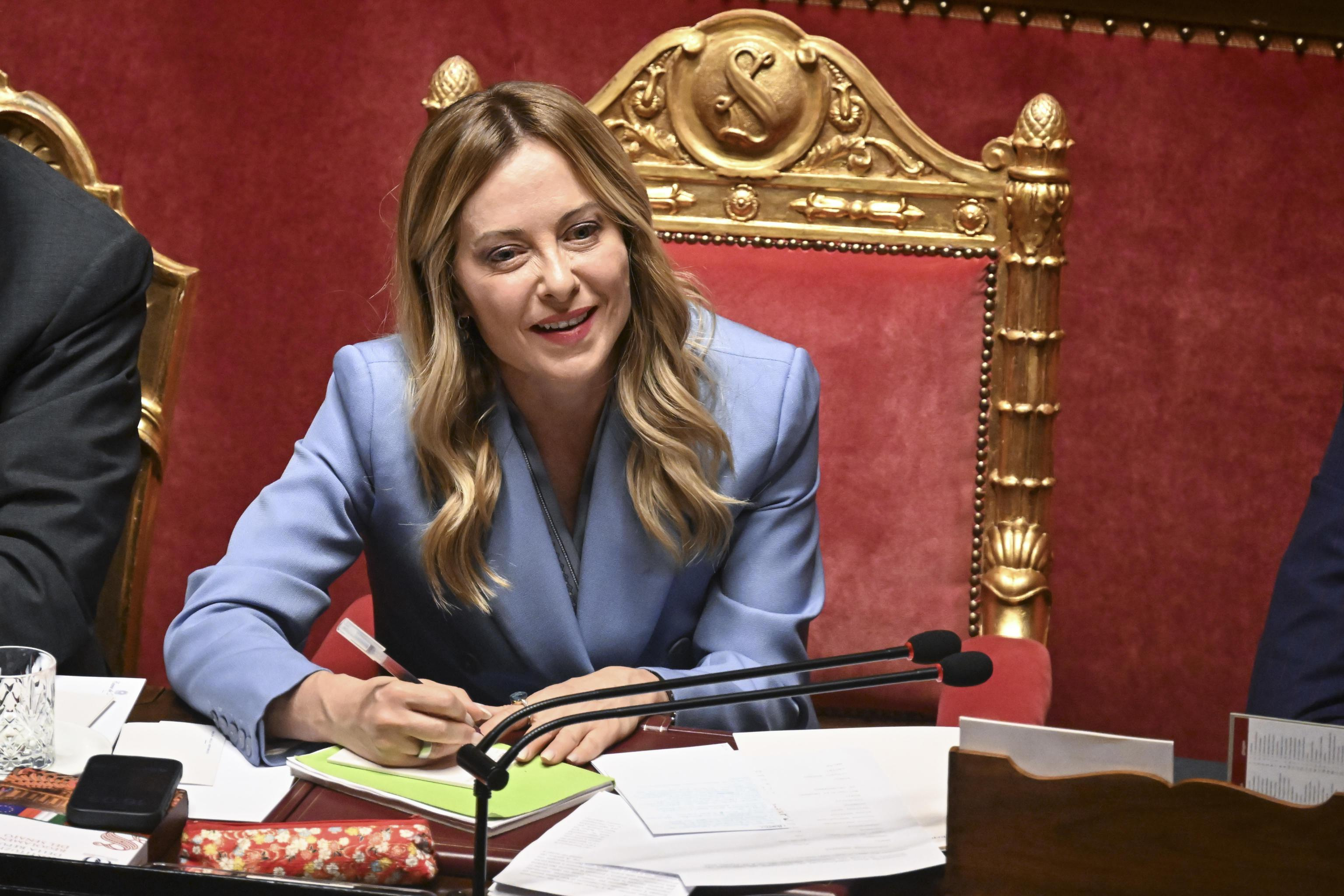
Italy’s parliament approved Prime Minister Giorgia Meloni’s electoral reform on Thursday, with the Chamber of Deputies passing the bill 227 to 164 in a secret ballot. The law introduces a proportional system with a seat bonus for the leading coalition that secures at least 42% of the vote in both the Chamber and the Senate, awarding it 70 additional Chamber seats and 35 Senate seats, capped at 220 and 113 respectively .
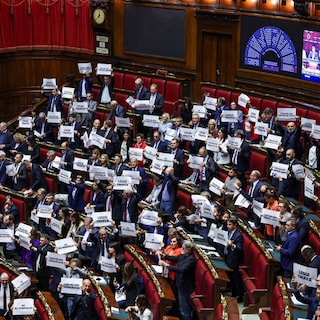
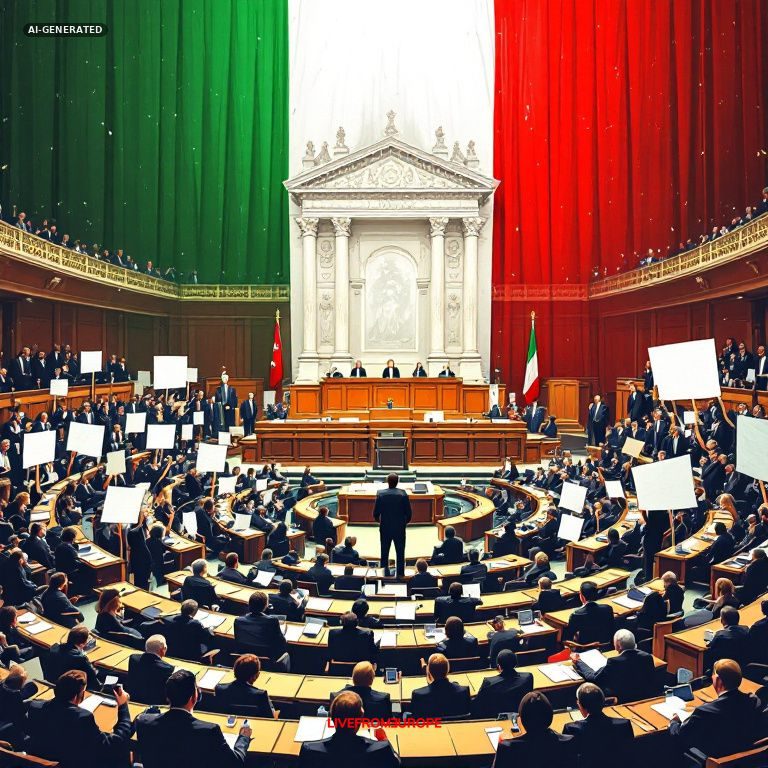
Opposition lawmakers protested during the vote, holding signs reading “Rigged law” and “No to the fix.” Democratic Party leader Elly Schlein called the reform a “theft of democracy,” while Five Star Movement leader Giuseppe Conte argued it was designed to ensure victory for the current ruling coalition . The law also reinstates preference voting, allowing voters to select up to three candidates per list, and requires coalitions to name their prime ministerial candidate in advance .
Meloni framed the vote as a display of unity, stating on social media that the center-right remained “united, solid and determined” . The reform, dubbed “Melonellum” by critics, replaces the previous mixed system with full proportional representation, except in the Aosta Valley and Trentino-Alto Adige .
The opposition has vowed to challenge the law before the Constitutional Court, which has previously struck down electoral reforms in 2013 and 2017 . Analysts note the reform could reshape alliance strategies, with Meloni’s coalition weighing whether to include far-right figure Roberto Vannacci to secure the 42% threshold .