
Volkswagen ends Zwickau car production after eighty-one years
Story Timeline
3 months · 14 summary articles
Zwickau’s last car rolls off the line today, marking the end of an era for Germany’s automotive heartland. The Volkswagen plant in Saxony, where the first Beetle rolled off the line in 1945, will shut its doors after 81 years of production, leaving 6,500 workers facing an uncertain future. “Soon, people won’t even remember that Zwickau was once an auto city,” a local historian told *Der Tagesspiegel* .
The closure comes as Volkswagen’s global strategy pivots toward Spain, where the company has invested €10 billion to transform Martorell and Landaben into the group’s hub for affordable electric vehicles. Models like the Cupra Raval, VW ID. Polo, and Škoda Epiq are now rolling off Spanish assembly lines, while Zwickau’s fate was sealed by rising Chinese competition and faltering demand for German-made EVs. “Spain is our future for small electric cars,” a VW executive told *El Mundo* .
The shift underscores Germany’s broader industrial reckoning. In Senftenberg, Lusatia’s last three coal mines and power plants will close by 2038, ceding to Europe’s largest artificial lake district—a €1.2 billion project aimed at tourism and renewable energy . Meanwhile, Porsche has announced it will relocate Cayenne SUV production from Bratislava to Leipzig, but only after workers accept wage cuts—a concession that reflects the sector’s new reality .
The automotive crisis extends beyond Germany’s borders. In Sweden, train services on the West Coast were suspended after electrical failures disrupted rail traffic, stranding thousands of travelers . In Morocco, the government announced it will abolish daylight saving time starting this summer, responding to public pressure over health concerns linked to abrupt time changes .
As Germany grapples with industrial decline, some sectors are adapting. Renault’s Dacia plant in Tangier now produces more than half of all Dacia vehicles sold in Europe, a model of cost-efficient manufacturing that contrasts sharply with Germany’s high-wage struggles . Even Formula 1 driver Max Verstappen has weighed in on Germany’s climate challenges, refusing to wear a cooling vest during the Austrian Grand Prix despite soaring temperatures, citing past technical failures .
With Zwickau’s final shift ending today, the question remains: Can Germany’s auto industry reinvent itself, or will it be outpaced by cheaper, more agile rivals? For the workers of Saxony, the answer is already written in the closure notices on factory gates.
Follow us for live European news
- 5
- 2
- 2
- 2
- 2
- 1
- 1
- 1
- 1
- 1
- 1
- 1
- 1
1 further source not geolocated
Articles

Hiába voltak tele a tározók, mégis kínlódtak a vízzel Mendén A főváros körüli agglomerációs övezetben az infrastruktúra sokszor elmaradott a betelepülés mértékéhez képest. Mendén évek óta probléma van a vízellátással. Kaszanyi József polgármester maga is érdekelt a Hét Domb Lakóparkban, Hadházy Ákos ezt, és több más dolgot, így egy zanzibári utazást is a szemére vetett annak idején.
444.hu · 2 months ago
V Tyrolsku na dvě hodiny stojí klíčová trasa přes Alpy. Místní protestují proti novým koridorům V rakouském Tyrolsku se v sobotu na dvě hodiny zastavuje jedna z nejdůležitějších tras přes Alpy. Místní obyvatelé a ekologické organizace zablokují silnici přes Fernský průsmyk, který využívají tisíce turistů na cestě do Rakouska a Itálie. Tvrdí přitom, že zemská vláda pod záminkou modernizace buduje nový tranzitní koridor přes Alpy.
irozhlas.cz · 2 months ago
Tågstopp Elfel ställer till det på Västkusten
expressen · 2 months ago

Das E-Auto wird zum Stromspeicher – und so verdienen Sie damit Geld Mit dem eigenen Auto zum Stromhändler werden, kostenlos fahren und sogar Geld verdienen: Das versprechen neue Angebote mehrerer Autobauer. Was Autofahrer über die Technik wissen müssen – und für wen es sich besonders lohnt.
welt.de · 2 months ago

Coventry, la jungle de béton, brille enfin grâce à son club de foot Rasée pendant la guerre, puis frappée par la désindustrialisation du secteur automobile, cette ville proche de Birmingham retrouve des couleurs. Les investissements dans les transports et le logement abondent. Surtout, son équipe de football vient de remonter en Premier League après un quart de siècle derrance dans les échelons inférieurs. Une source despoir sans égale.
courrier international · 2 months ago
En Allemagne, la mue verte et bleue des mines à ciel ouvert de Senftenberg La Lusace inaugurera, ce lundi 29 juin, le plus grand réseau de lacs artificiels dEurope en misant sur le tourisme. La fermeture des trois dernières «gueules noires» et des trois centrales est fixée à 2038, date de la sortie définitive du charbon en Allemagne.
liberation · 2 months ago

Jetzt können uns nur noch die Tuareg retten Auf diese Zukunft kann sich Deutschland gefasst machen: Die Eiche weicht der Kaktusfeige, die Autoindustrie züchtet Paarhufer, und auf der A9 braten die Spiegeleier.
welt.de · 2 months ago
Bauarbeiten bei der Berliner S-Bahn: Keine Züge zwischen Friedrichstraße und Zoo Auf der Berliner Stadtbahn wird gebaut. Der S-Bahn-Verkehr ist nur an drei Wochenenden betroffen – eines davon ist das aktuelle.
tagesspiegel · 2 months ago
Zwei Sekundarschulen sind besonders beliebt: Anmeldezahlen belegen Überangebot an Gymnasien in Berlin-Reinickendorf In Berlin-Reinickendorf ist die Vielfalt bei den Schulangeboten gering – das soll nach dem Willen der CDU auch so bleiben. Das aktuelle Wahlverhalten der Schüler zeigt die Folgen des Kurses.
tagesspiegel · 2 months ago
Vodárne vyzývajú obce pri Turčeku na šetrenie vodou, platí zákaz polievania i umývania áut Vodárne na úpravni Turček obmedzili výrobu pitnej vody pre Kremnicu a okolie. Ľudí vyzývajú na šetrenie a mestá majú vyhlásiť prvý regulačný stupeň.
aktuality.sk · 2 months ago
Tyskland vurderer verneplikt igjen Tyskland sliter med å rekruttere soldater og må bestemme seg for om de vil gjeninnføre verneplikten senest innen juli…
aftenposten · 2 months ago
Tågstopp på Västkusten efter elfel
svenska dagbladet · 2 months ago
Škoda Kodiaq, einmal ohne und einmal mit Fahrrad hinten drauf Zehn Jahre vor dem ersten Auto baute die Firma ab 1895 erst einmal Fahrräder. Anlass zur doppelten Spurensuche – einmal familiär, einmal unternehmenshistorisch
der standard · 2 months ago
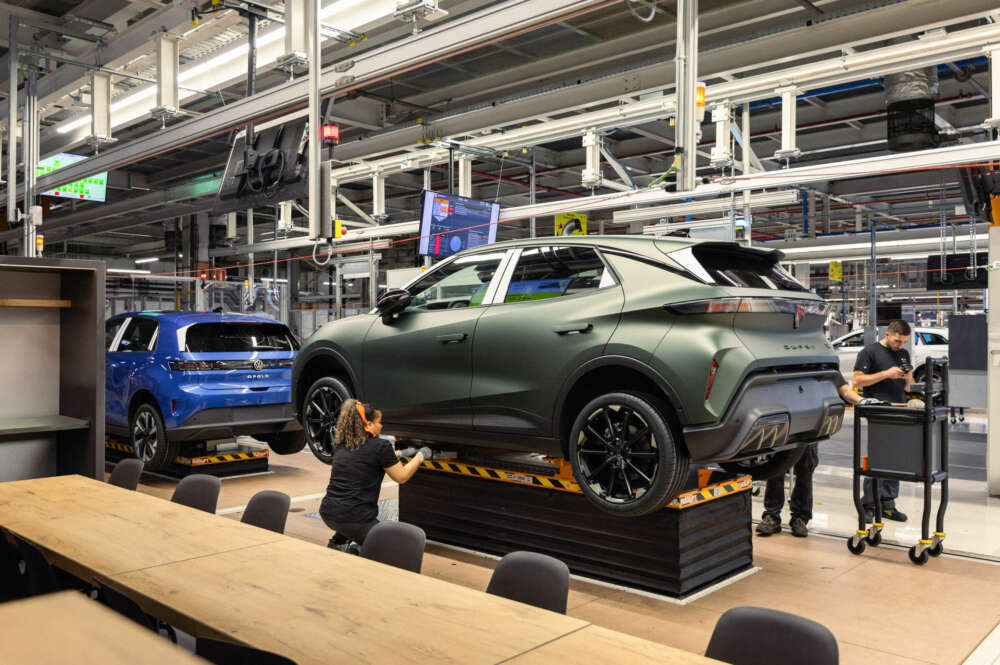
El coche eléctrico que asfixia a Volkswagen en Alemania, salva a sus fábricas en España El grupo ha invertido 10.000 millones de euros en hacer de España el polo de producción de sus eléctricos pequeños y accesibles. Son los Cupra Raval, VW ID. Polo e ID. Cross y Skoda Epiq, que se montan en Martorell y Landaben. Leer
elmundo · 2 months ago
DobraVaga - deset let galerije, ki ostaja odskočna deska številnim mladim umetnikom in umetnicam Če so imeli nekoč mladi umetniki malo možnosti za predstavitev svojega dela, je danes situacija drugačna. Platform, kjer srečujemo svežo vizualno produkcijo mladih, je kar nekaj, že desetletje pa ena pomembnih odskočnih desk zanje ostaja DobraVaga.
rtv slovenia · 2 months ago

Le Dacialand à Tanger, où Renault a dopé la force de frappe de sa marque dorigine roumaine Les usines marocaines produisent plus dune Dacia sur deux vendue en Europe. ...
la libre · 2 months ago
Bangen um VW: „Bald wissen die Menschen nicht mehr, dass Zwickau mal eine Autostadt war Hier begann der deutsche Automobilbau, hier wollte sich Volkswagen mit Elektromobilität neu erfinden. Nun steht das Werk vor dem Aus. Besuch in einer Stadt zwischen Sorge und Angst.
tagesspiegel · 2 months ago
Țara care renunță la ora de vară la solicitarea cetățenilor. „Schimbarea bruscă a orei duce la perturbări ale ceasului biologic Șeful Guvernului, Aziz Akhannouch, a anunțat că Marocul va reveni la fusul orar GMT la sfârșitul verii. Aceasta înseamnă că Marocul va renunța oficial la fusul orar GMT+1. Akhannouch a făcut aceste declarații în fața presei naționale, în urma unei ședințe a Consiliului de Guvern. El a afirmat că decizia a fost luată ca răspuns la solicitările cetățenilor și la discuțiile purtate în cadrul coaliției de guvernare.
digi24 · 2 months ago
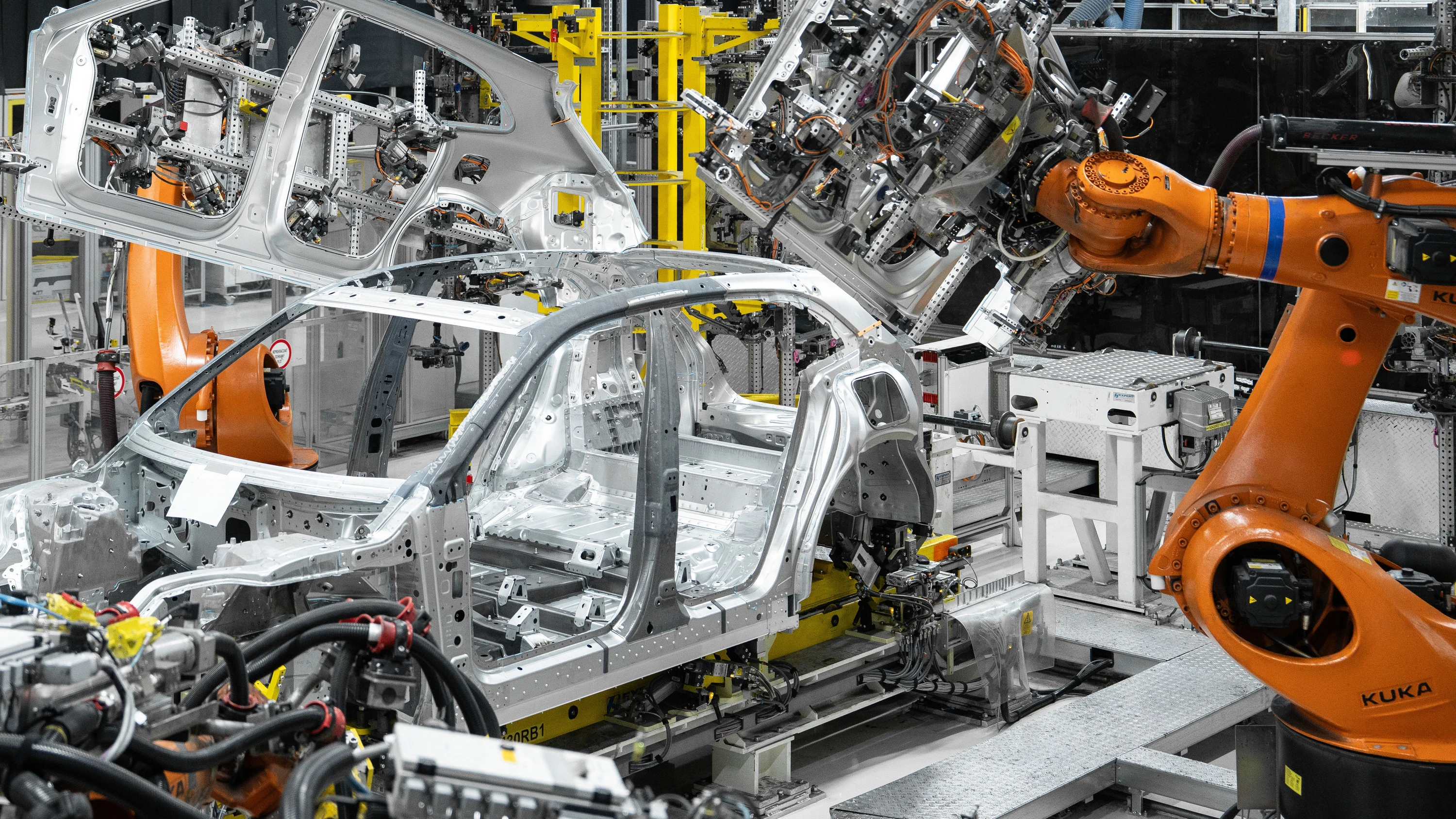
Werk in Leipzig auslasten: Porsche will Cayenne-Fertigung zurück nach Deutschland holen Die Sportautomarke baut kräftig um. Das Luxus-SUV Cayenne soll nicht mehr in Bratislava, sondern in Leipzig vom Band laufen. Dafür müssen Arbeitnehmer Lohnkürzungen hinnehmen.
faz · 2 months ago
Οι τέσσερις σταθμοί του Μετρό που από τις 28 Ιουνίου θα κλείνουν νωρίτερα λόγω έργων, πώς θα κινείται η γραμμή 3
protothema · 2 months ago
Το πιο ασυνήθιστο αγροτικό μοτίβο στην Ευρώπη: 6.000 κάτοικοι ζουν σε δρόμο μήκους 9 χλμ στην Πολωνία Το χωριό Σουλοσόβα στη νότια Πολωνία συγκεντρώνει 5.705 κατοίκους κατά μήκος ενός δρόμου που ξεπερνά τα 9 χιλιόμετρα, διατηρώντας ένα σπάνιο γραμμικό αγροτικό μοντέλo
protothema · 2 months ago
Verstappen gaat koelvest niet dragen in Oostenrijk: Hou niet van al die kabels Formule 1-coureurs mogen dit weekend vanwege het hitteprotocol een koelvest dragen tijdens de Grand Prix van Oostenrijk. Maar niet iedere coureur is daar blij mee. "Vorig jaar was er een probleem met het systeem en werd ik juist gefrituurd."
nu.nl · 2 months ago
Volkswagen: Ministerpräsident für Bau von China-Modellen auch in Deutschland Zehntausende weitere Jobs bei VW sollen in Gefahr sein. Wie reagiert der Autoriese auf die wachsende Konkurrenz aus China? Niedersachsens Ministerpräsident Olaf Lies plädiert für neue Wege.
handelsblatt · 2 months ago
150 Jahr „Ring – I. Das Rheingold Eine Erkundungstour durch Wagners „Nibeliungen-Tetralogie – Schnitt- und Wendepunkte eines Menschheits-Dramas.
die presse · 2 months ago
Kopfsteinpflaster: Radfahren ohne Schütteltrauma Auf Kopfsteinpflaster macht Radfahren keinen Spaß, viele weichen unerlaubt auf den Gehweg aus. Eine neue Frästechnik macht das Pflaster eben. Ein Grundproblem bleibt.
die zeit · 2 months ago
Ostrava mění papírové jízdní řády za elektronické. Cestující z nich poznají i jestli má tramvaj klimatizaci Odjezdy ostravských tramvají se už brzy nedozvíte z papírových jízdních řádů, ale pouze z elektronických obrazovek. Dopravní podnik Ostrava jimi do konce roku vybaví všechny tramvajové zastávky ve městě. Kromě přesných časů se z nich cestující dozvědí i to, jestli je přijíždějící tramvaj plná nebo prázdná.
irozhlas.cz · 2 months ago
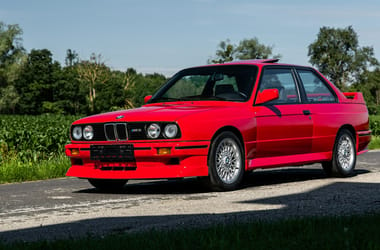
38 éves szívdöglesztő BMW M3 Evo II vár új gazdára itt a szomszédban A sógoréknál egy igen korai gyártású piros BMW M3 Evolution II-t kínálnak eladásra.
hvg.hu · 2 months ago