Surging demand for memory chips from artificial intelligence data centers is driving up prices for consumer electronics ahead of the Christmas shopping season.
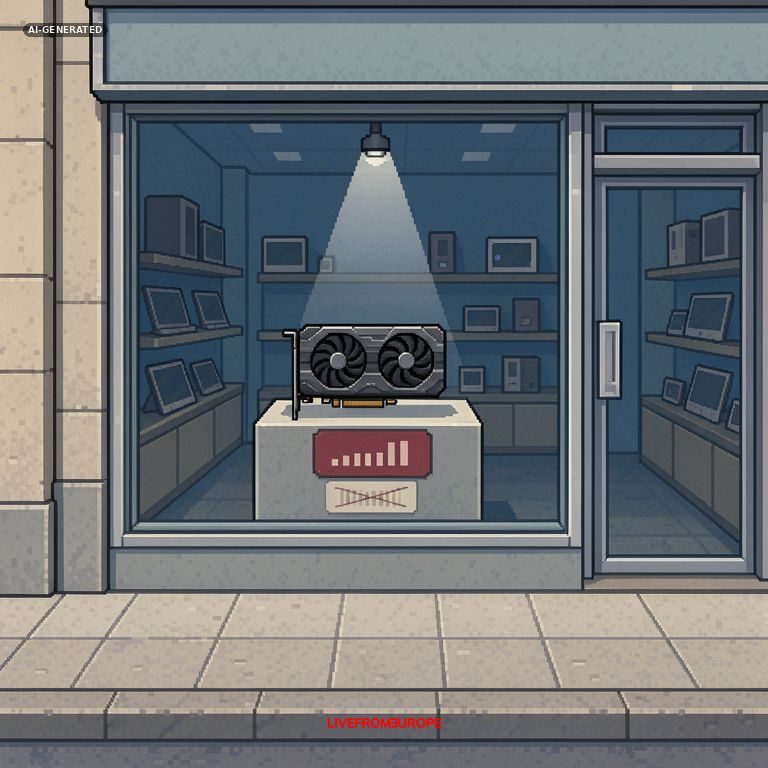
According to market researcher NIQ, nearly all electronics product categories containing memory chips are affected, with graphics card prices in September almost double the previous year . Desktop computers cost 41 percent more, and laptops, tablets and smartphones also recorded significant increases, NIQ expert Andreas Peplinski said. A spokesperson for electronics retailer MediaMarktSaturn said on Sunday that the ongoing shortage of semiconductors and memory components is making products such as computers, smartphones and solid-state drives more expensive . Manufacturers are increasingly passing on the higher costs to maintain margins.
The price surge stems from a classic market cycle in the semiconductor industry known as the "hog cycle" . After the pandemic boom, the memory market collapsed and prices for memory and flash storage fell sharply, prompting Samsung, SK Hynix and Micron to cut wafer production and freeze investment. Now, as demand from AI data centers explodes, production cannot be ramped up quickly, taking months to years to install new lines. Manufacturers are prioritizing high-bandwidth memory chips for AI servers over standard memory for consumer devices, creating a massive deficit for conventional chips.
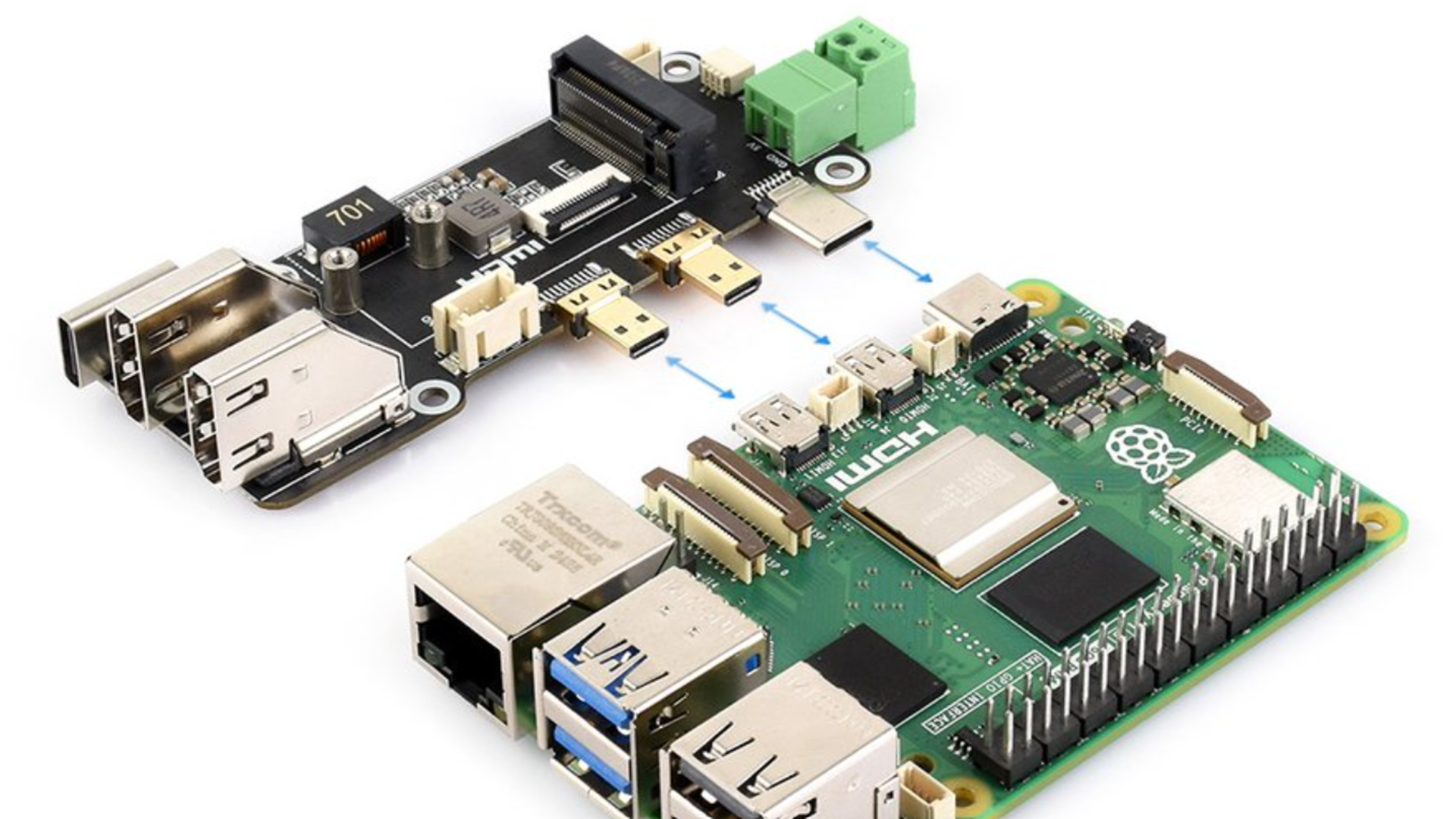
Raspberry Pi raised the price of its 16-gigabyte Pi 5 board by $80 to $385 on Saturday, more than triple its $120 launch price in January 2025 . Eben Upton, the company's chief executive, blamed a lack of alternative 16-gigabyte memory supply. Amazon's new Kindle lineup debuted in October with prices increased by $40 to $50 across the range due to the AI-driven memory shortage . Apple's Mac Studio configured with 512 gigabytes of memory for running local AI models costs €33,329, with the memory upgrade alone adding €17,050 .
Arm, the British chip designer, reported on Saturday that licensing revenue rose only eight percent to $670 million, citing the memory crisis as a brake on the smartphone market . The digital association Bitkom said the component shortage is putting the technology market under noticeable pressure . Memory makers expect tight supply to last until 2028 to 2030, according to Raspberry Pi .